1 free read left. Create a free account for unlimited reading + AI research.
Create free accountArticle Loading... The Journal of the Canadian Game Studies Association
1 free read left. Create a free account for unlimited reading + AI research.
Create free accountArticleLoading... The Journal of the Canadian Game Studies Association
Academic research recruitment within the World of Warcraft forums between 2010 and 2015 reveals a profound disconnect between scholarly objectives and community expectations. Players frequently exhibit significant survey fatigue, a condition exacerbated by the high volume of intrusive, poorly communicated, and repetitive data collection requests. This environment has fostered a culture of skepticism and hostility, where the community actively guards against perceived threats to account security, such as phishing and malware, while simultaneously questioning the methodological rigor of the proposed studies.
The friction between researchers and the player base stems from a failure to align recruitment strategies with established community norms. When scholars approach these digital spaces without transparency or prior engagement, they often trigger defensive reactions that undermine the quality and validity of their data. While some researchers have successfully navigated these tensions by adapting their communication styles and demonstrating genuine accountability, many others remain siloed, failing to integrate existing multidisciplinary literature or respect the boundaries of the gaming environment.
To bridge this divide, researchers must move beyond traditional, transactional survey models. Adopting more collaborative, community-centered practices—such as providing comprehensive informed consent, maintaining open dialogue, and sharing final research outcomes with participants—is essential for rebuilding trust. Furthermore, shifting toward less intrusive methodologies like discourse analysis or ethnography offers a more sustainable path for game studies. By prioritizing the interests of the community and moving away from extractive data collection, scholars can foster more productive, ethical, and mutually beneficial relationships within gaming spaces.
Each row is a game or company this document names, each column a document, oldest first. A mark means that document names it. Select a row to see those documents.
Loading... The Journal of the Canadian Game Studies Association · 2018
Loading... The Journal of the Canadian Game Studies Association · 2018
Loading... The Journal of the Canadian Game Studies Association · 2017
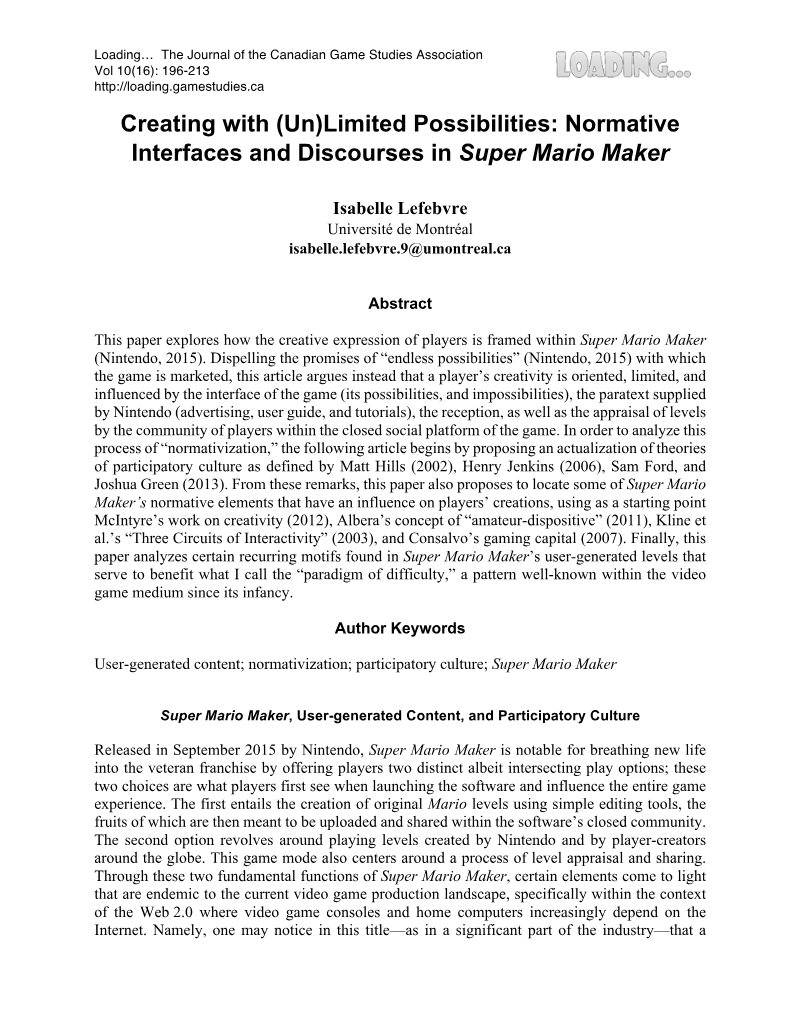
Loading... The Journal of the Canadian Game Studies Association · 2017
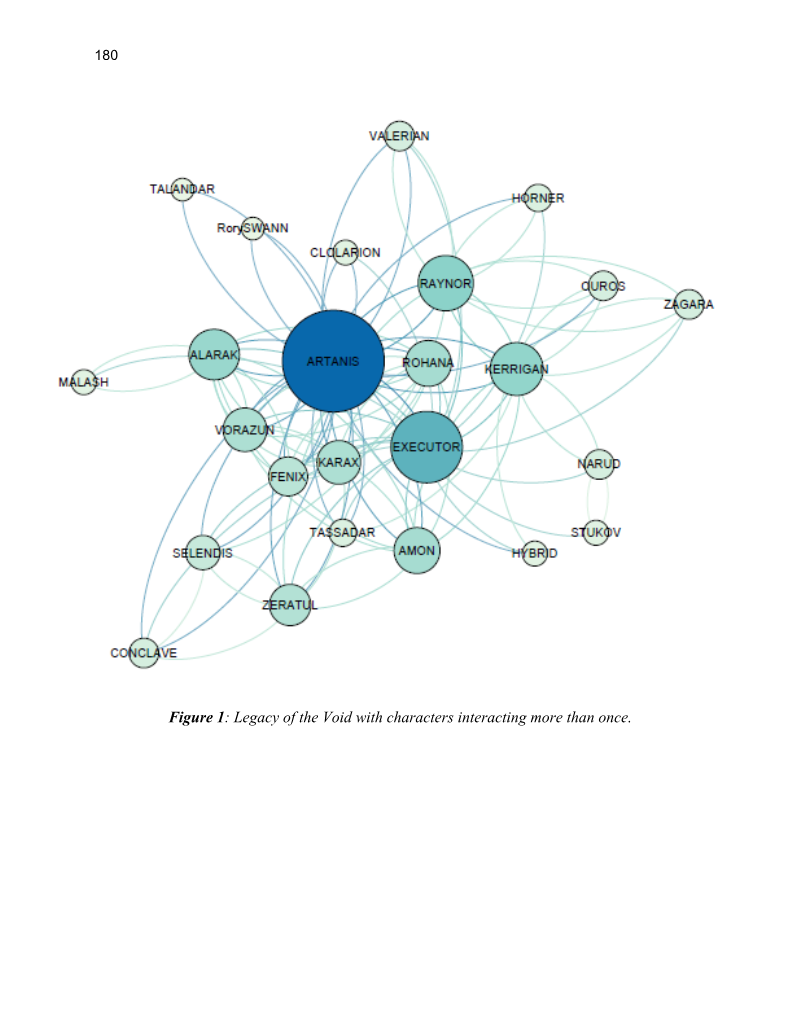
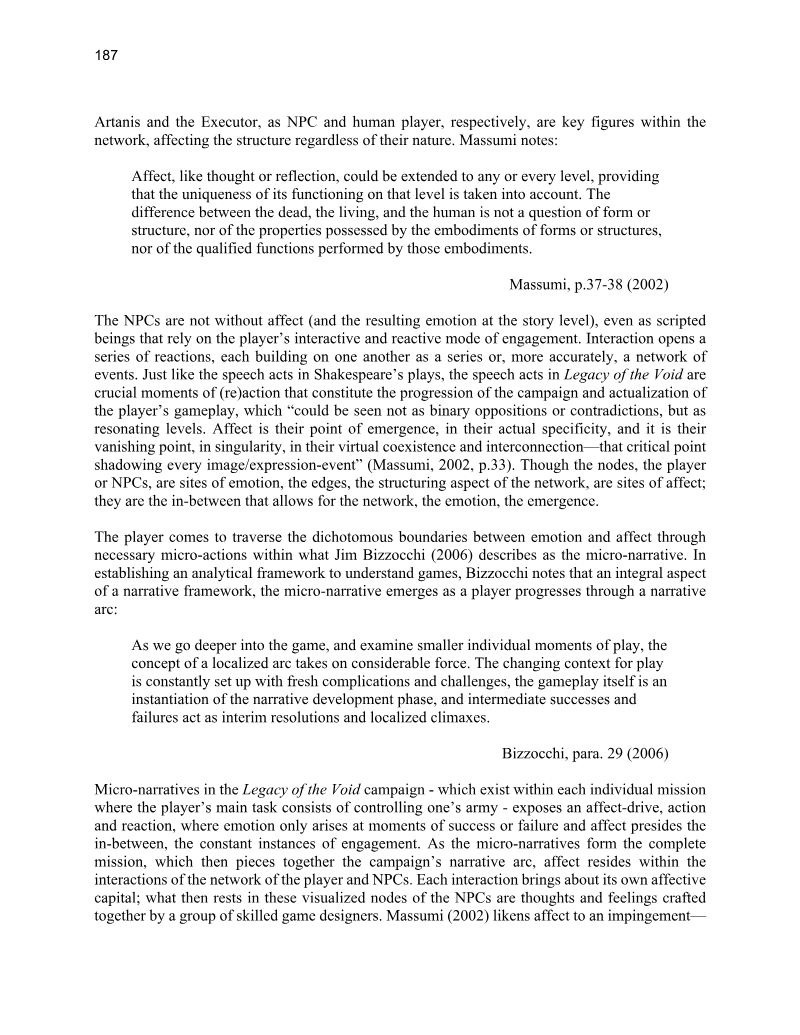
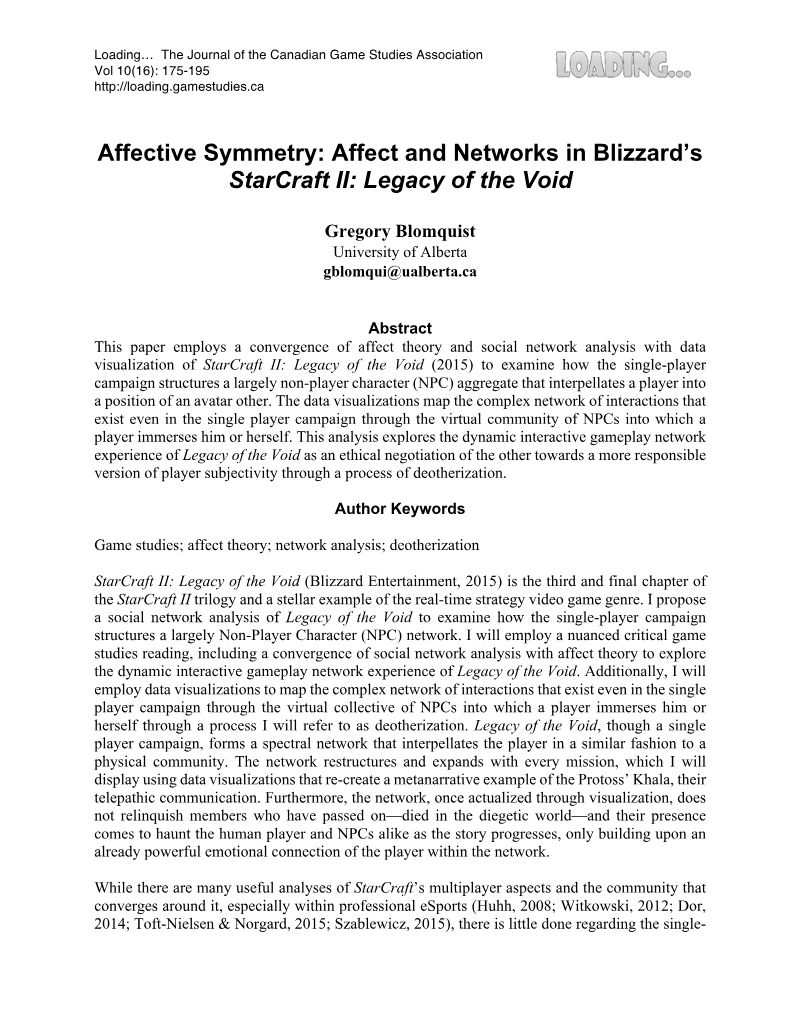
Loading... The Journal of the Canadian Game Studies Association · 2017
Loading... The Journal of the Canadian Game Studies Association · 2017
Loading... The Journal of the Canadian Game Studies Association · 2017
Loading... The Journal of the Canadian Game Studies Association · 2017
Loading... The Journal of the Canadian Game Studies Association · 2017
Loading... The Journal of the Canadian Game Studies Association · 2017
Loading... The Journal of the Canadian Game Studies Association · 2016
Loading... The Journal of the Canadian Game Studies Association · 2016
Eludamos: Journal for Computer Game Culture · 2025