1 free read left. Create a free account for unlimited reading + AI research.
Create free accountWhitepaper Journal of Games, Game Art, and Gamification
1 free read left. Create a free account for unlimited reading + AI research.
Create free accountWhitepaperJournal of Games, Game Art, and Gamification
These hindrances include sensory desire, ill will, sloth and torpor, restlessness and worry, and doubt, which can deter practitioners.
Like trying to focus on a single task while constantly being interrupted by notifications.
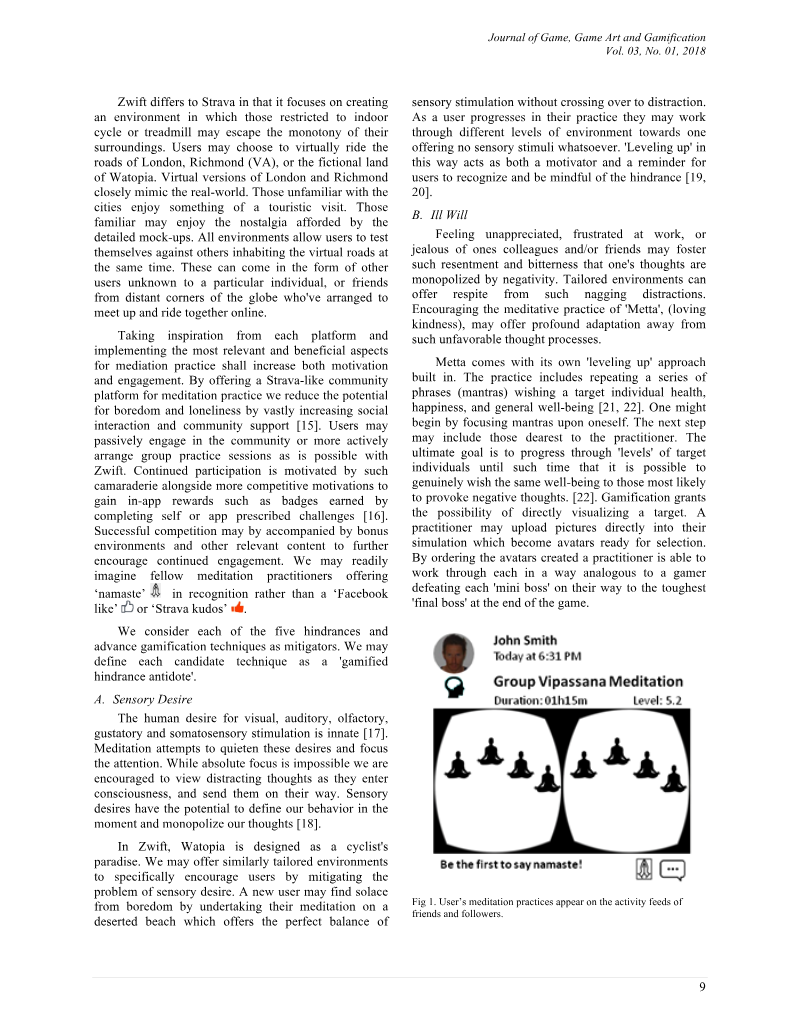
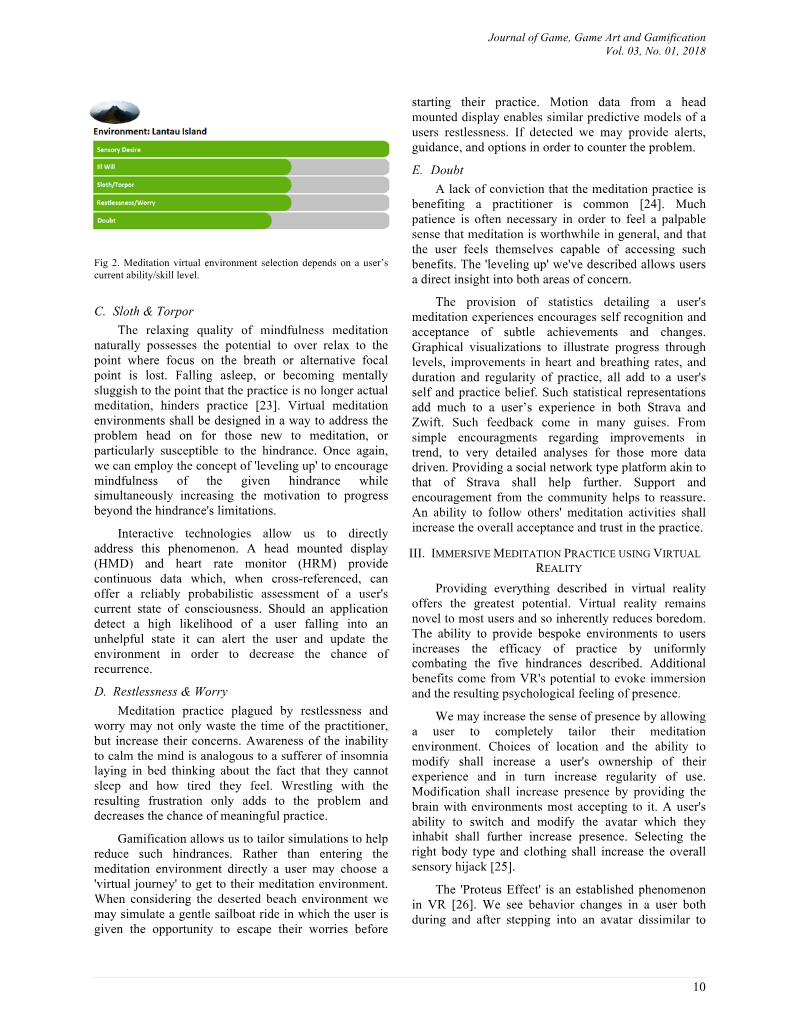
This analysis explores the integration of gamification techniques into mindfulness meditation, specifically within the context of virtual reality (VR) environments. The primary thesis posits that the motivational structures inherent in gaming—such as leveling up, social connectivity, and progress tracking—can be effectively repurposed to help practitioners overcome the five traditional Buddhist hindrances to meditation: sensory desire, ill will, sloth and torpor, restlessness and worry, and doubt. By leveraging these digital mechanics, developers can increase engagement and adherence for both general users and specialized populations, including those in mental health treatment or correctional facilities.
The research draws parallels between successful fitness-tracking platforms like Strava and Zwift, suggesting that similar community-based features and data-driven feedback loops can demystify meditation and provide tangible markers of progress. VR is identified as an ideal medium for this application, as it allows for the creation of bespoke, immersive environments that can be tailored to a user’s specific psychological needs. Furthermore, the use of head-mounted displays and biometric sensors enables real-time monitoring of a user’s state of consciousness, allowing the system to provide proactive guidance or environmental adjustments when signs of distraction or restlessness are detected.
The scope of this approach extends beyond personal wellness to clinical and rehabilitative applications. In prison settings, where rates of mental health disorders are significantly higher than in the general population, VR-based meditation offers a controlled, scalable method for stress reduction and behavioral rehabilitation. By utilizing avatars and simulated environments, practitioners can work through emotional challenges in a structured, repeatable manner. Ultimately, the research advocates for a shift in how meditation technology is developed, urging a move away from generic applications toward sophisticated, gamified systems that prioritize user retention and therapeutic efficacy.
Journal of Games, Game Art, and Gamification · 2026
Journal of Games, Game Art, and Gamification · 2025
Journal of Games, Game Art, and Gamification · 2025
Journal of Games, Game Art, and Gamification · 2025
Journal of Games, Game Art, and Gamification · 2025
Journal of Games, Game Art, and Gamification · 2025
Journal of Games, Game Art, and Gamification · 2025
Journal of Games, Game Art, and Gamification · 2025
Journal of Games, Game Art, and Gamification · 2025
Journal of Games, Game Art, and Gamification · 2024
Journal of Games, Game Art, and Gamification · 2024
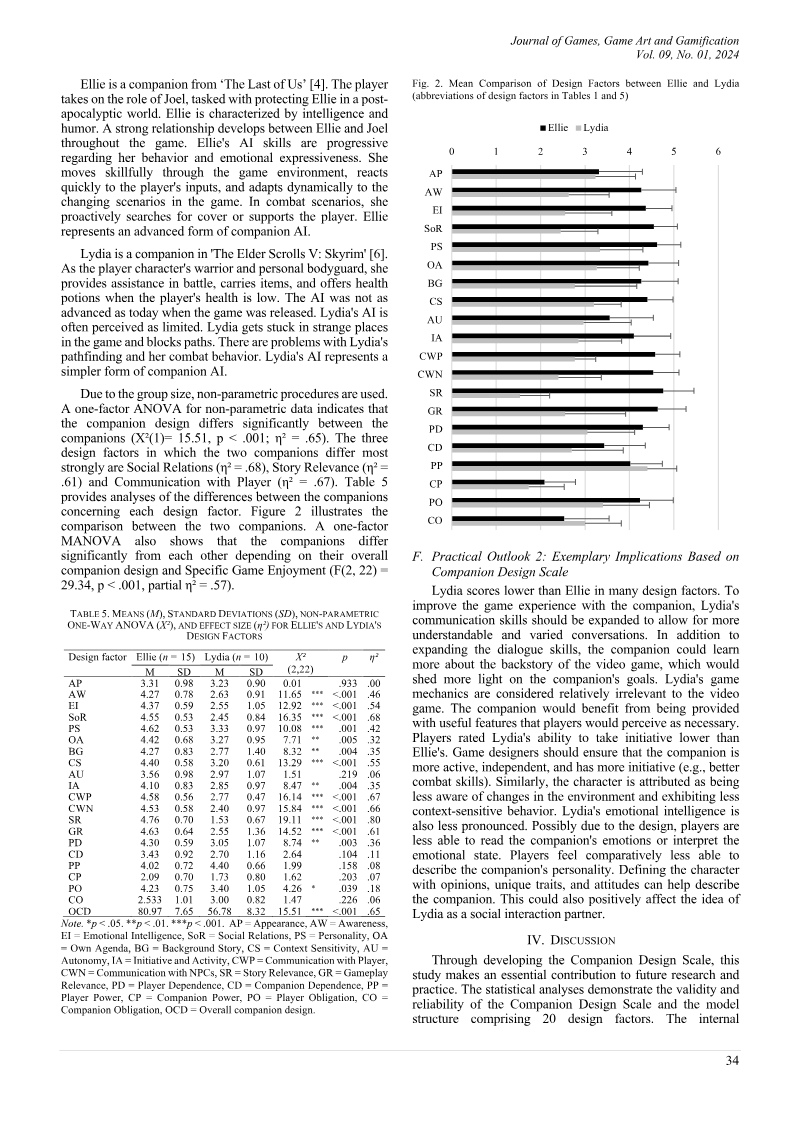
Journal of Games, Game Art, and Gamification · 2024



European Conference on Games Based Learning (ECGBL) · 2026
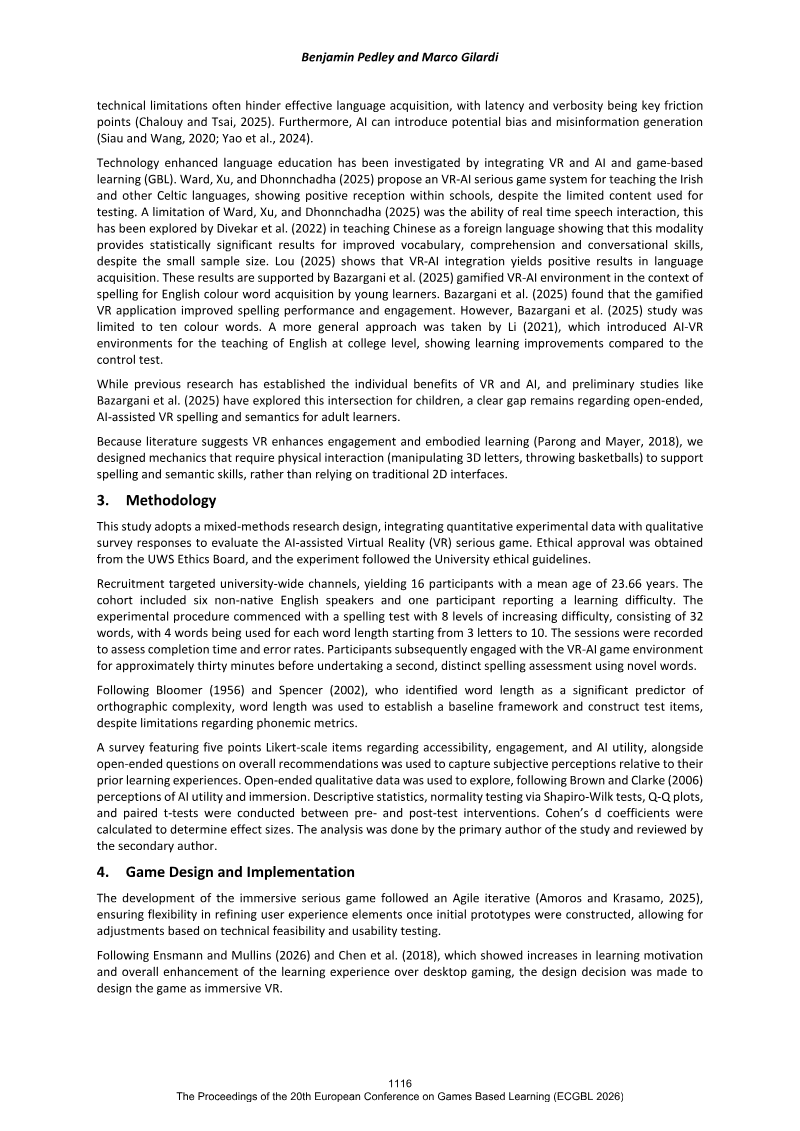
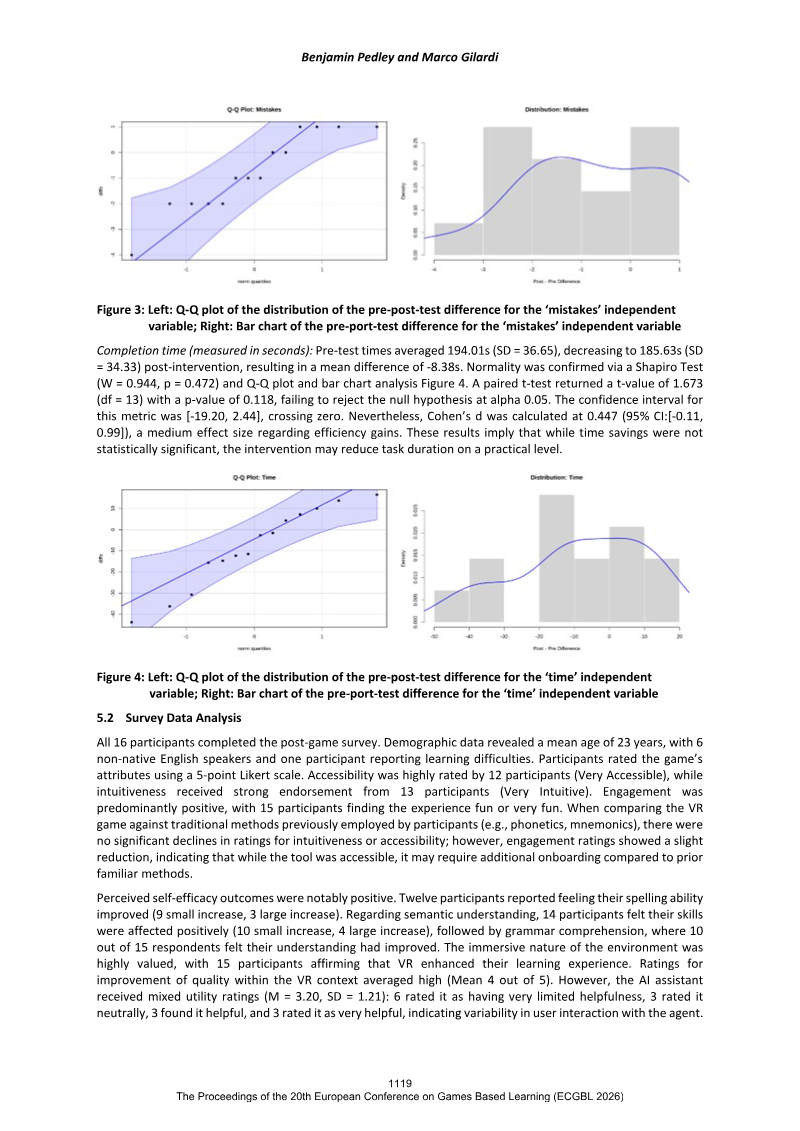
European Conference on Games Based Learning (ECGBL) · 2026
Serious Games Society · 2026