1 free read left. Create a free account for unlimited reading + AI research.
Create free accountWhitepaper Journal of Games, Game Art, and Gamification
1 free read left. Create a free account for unlimited reading + AI research.
Create free accountWhitepaperJournal of Games, Game Art, and Gamification
This new model aims to streamline the approval process, reduce reliance on intermediaries, and eliminate geographical constraints. It replaces centralized banking control with a distributed ledger.
Think of it like replacing a single central library with many interconnected libraries, each holding a copy of the same catalog.
This research proposes a decentralized architecture for credit card applications using blockchain technology to enhance transparency, security, and efficiency. By replacing centralized banking control with a distributed ledger, the study aims to streamline the approval process, reduce reliance on intermediaries, and eliminate geographical constraints. The proposed model integrates gamification elements to incentivize both banks and consumers, rewarding banks for thorough validation and adjusting credit limits based on user payment behavior.
The methodology involves a comprehensive literature review of 32 sources covering blockchain, gamification, and financial systems, followed by an analysis of current credit card application workflows in Indonesia. The study identifies that existing manual processes are inefficient and prone to database capacity issues. To address this, the researchers developed a technical architecture featuring a four-bank node network, utilizing cryptographic keys and smart contracts to manage application validation. The system automatically checks for blacklisted applicants and dynamically updates credit limits based on real-time transaction data.
Key findings suggest that a decentralized ledger provides significant advantages for both debtors and the banking industry, including lower transaction fees, improved privacy, and faster processing times. The architecture ensures that data integrity is maintained across geographically dispersed sites without a single point of failure. While the study acknowledges challenges such as scalability, privacy leakage, and the risk of selfish mining, it concludes that blockchain-based credit card applications represent a viable, modern solution for the financial sector. The research provides a foundational pseudo-code algorithm to demonstrate how these decentralized systems can be implemented in practice, particularly within developing markets where traditional credit card archiving remains suboptimal.
Journal of Games, Game Art, and Gamification · 2026
Journal of Games, Game Art, and Gamification · 2026
Journal of Games, Game Art, and Gamification · 2025
Journal of Games, Game Art, and Gamification · 2025
Journal of Games, Game Art, and Gamification · 2025
Journal of Games, Game Art, and Gamification · 2025
Journal of Games, Game Art, and Gamification · 2025
Journal of Games, Game Art, and Gamification · 2025
Journal of Games, Game Art, and Gamification · 2025
Journal of Games, Game Art, and Gamification · 2025
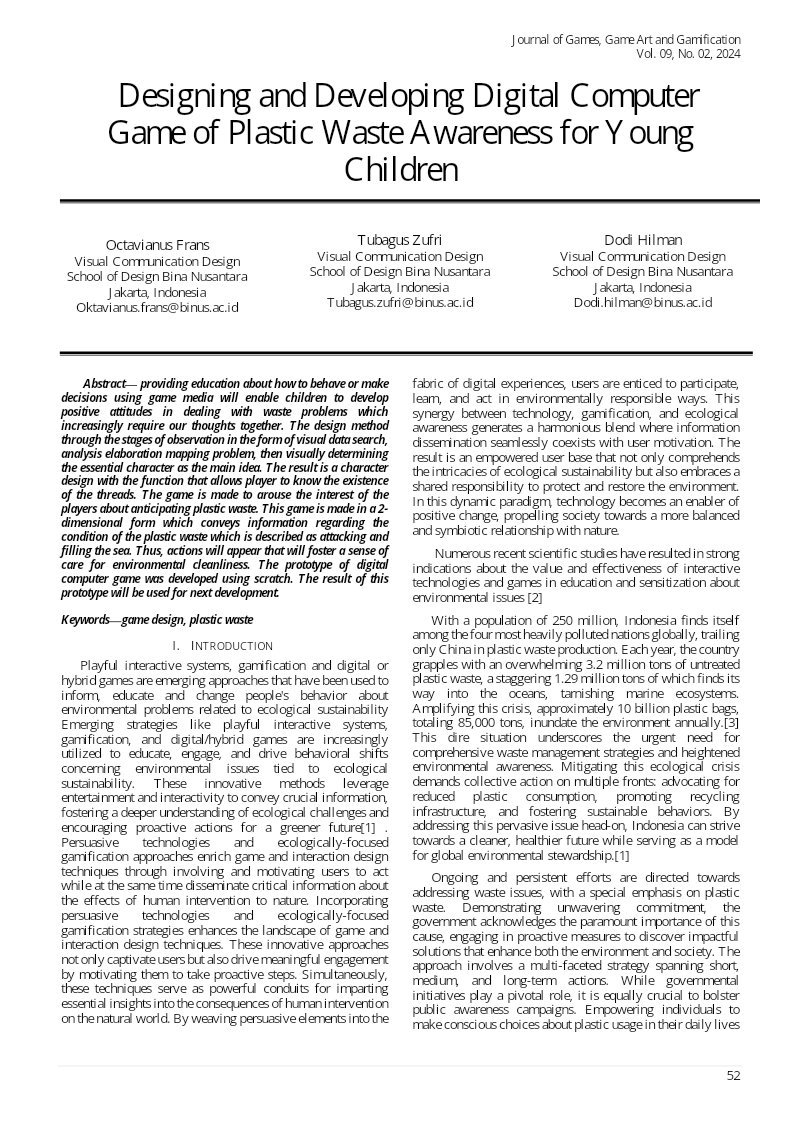
Journal of Games, Game Art, and Gamification · 2024
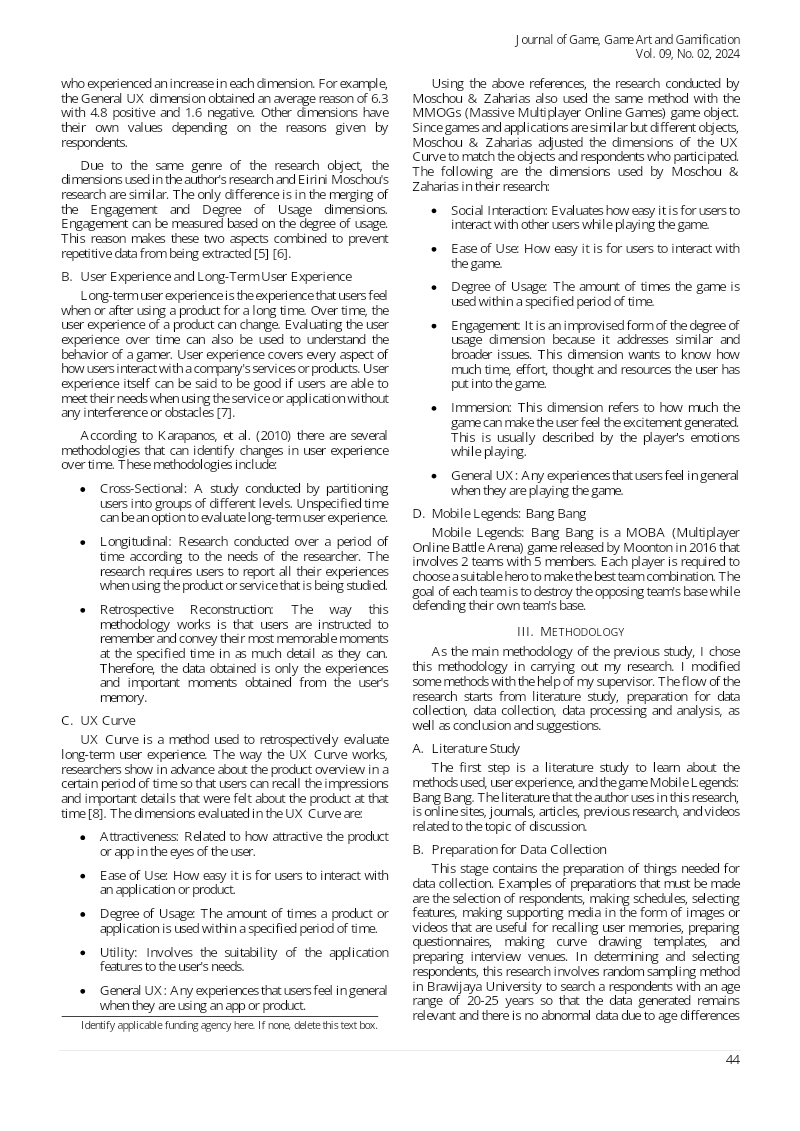
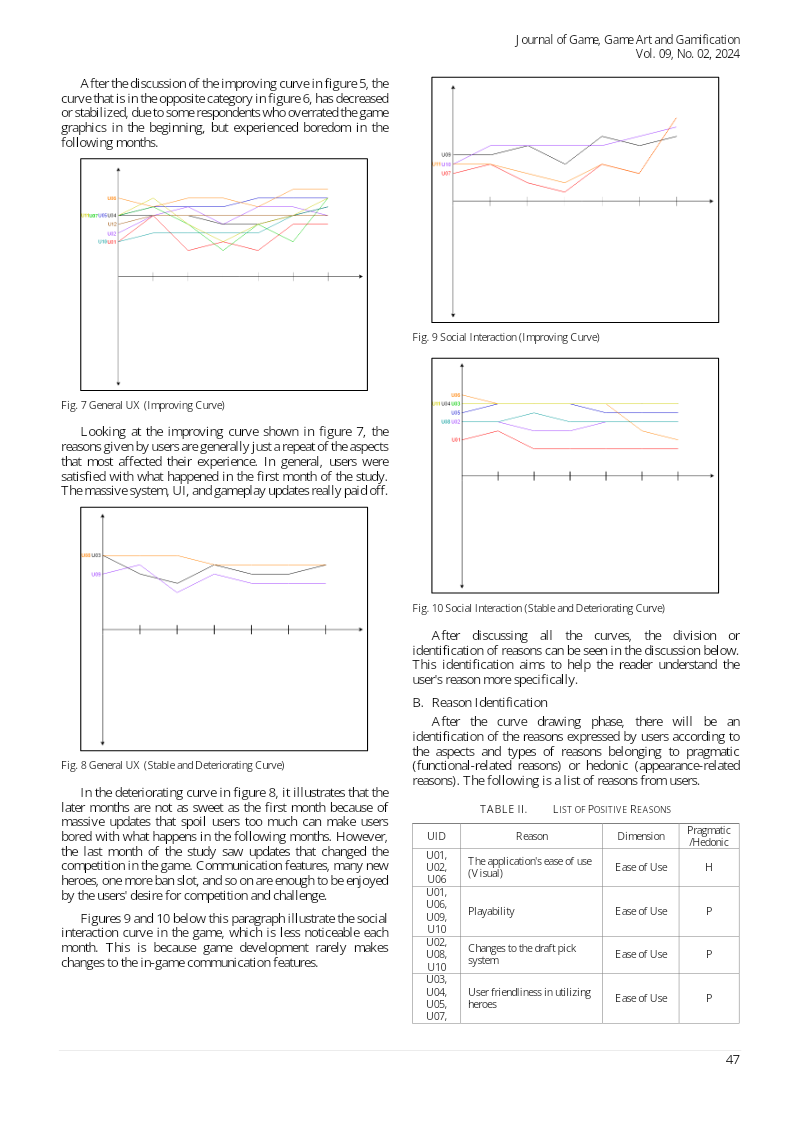
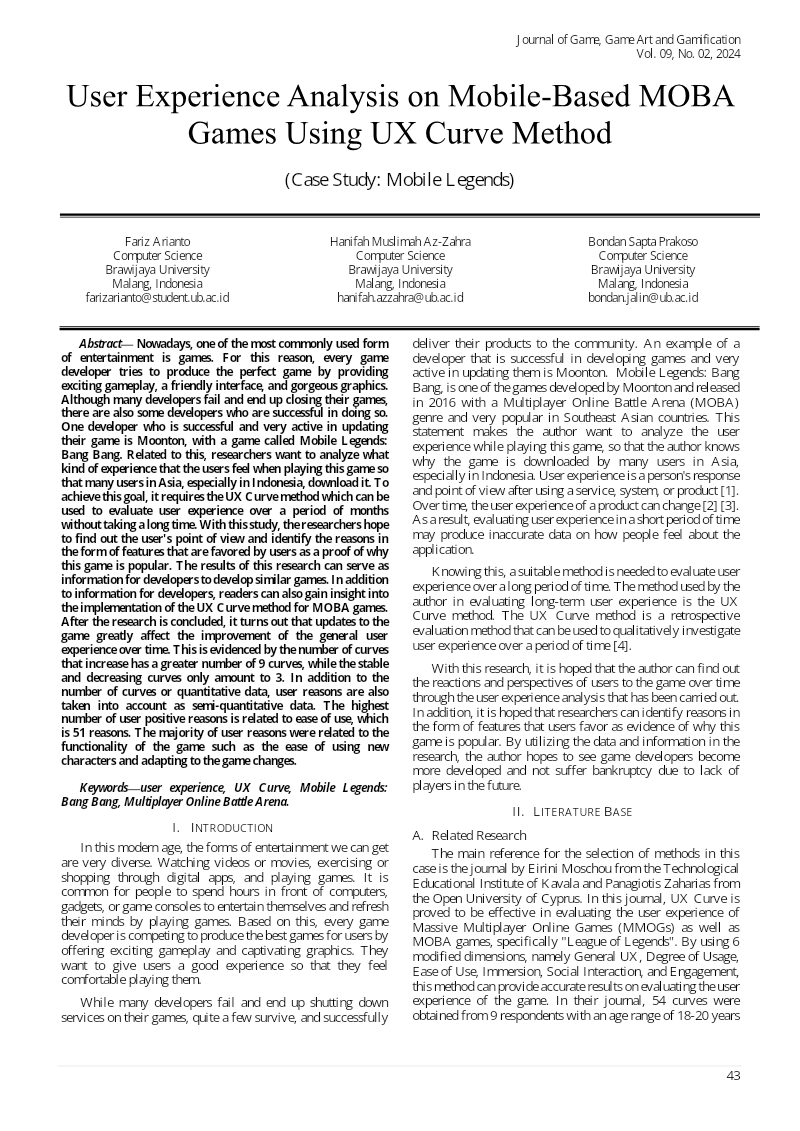
Journal of Games, Game Art, and Gamification · 2024
Serious Games Society · 2026