VideoThe Game Business
Cyberpunk 2077’s troubled launch taught CD Projekt the value of physical events (and other stories)
26 Aug 202548 min video
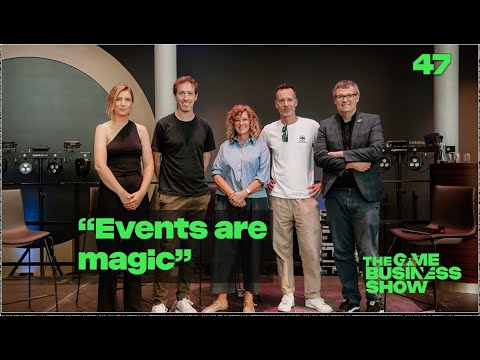
We're at a pretty pivotal moment where you know the vast majority of traffic to websites um over the last 20 years has come from Google and you know because of the rise of open AI you know chat GPT and those kind of tools you know Google has kind of fundamentally changed the sort of rules of engagement events are great for setting expectations and managing them cuz you can get the feeling what people are thinking when you're only on the in the online world it's way harder The one thing that we always advise to people, especially smaller indies, is to get some sort of outside eyes on your game, which is why, you know, events are magic. And now for a sponsored message from Greenman Gaming. Greenman Gaming is creating new revenue streams and discoverability options that will help businesses extend the life cycle of their video games and grow their audience. Greenman Gaming recently revealed its charity bundles platform, a curated way for publishers to reach new audiences, generate incremental revenue, and support causes that matter. The
platform offers transparent stock levels, instant key fulfillment and regional pricing, all while raising funds for charities such as special effects one special day. You can get involved at ww.gmangaming.com/comp/charity-bundles. Elsewhere, Greenman Gaming Distribution is a new service that helps studios boost discoverability by activating titles across 180 plus vetted retailers, reaching over a 100 million gamers and delivering up to 20 to 30% more revenue compared to Steamon sales. Now, back to the show. Hello and welcome to the Keyword Studio Supercharge Summit powered by the Game Business. I hope you're having a fantastic Gamescom. And for those tuning in online, hello and welcome to the game business show. For those of you unfamiliar with what the game business is, we are a relatively new business publication. We were set up back in April between myself and Jeff Keley. Um, almost everything we do, we do as a video, we do as a podcast, and we do as a newsletter and an article on
the website. However you want to get your information, you can get your information that way. We cover the latest industry data. We analyze the games market. We speak to uh leading people in the industry already. We've spoken to Epic CEO Tim Sweeney, Sega President Sui Sumi, Take 2 CEO Strauss Selnik, Netflix president Alan Taskcan, lots and lots and lots of people and we do it all for free. So um if you go to the gamebus.com um put in your email address, you'll never miss a thing that we put out. Today we are doing a live version of our show and we're looking at the current situation in video game marketing. This has always been a shifting world and it's even more true today than it's ever been. The media is scaling back and we're seeing an emergence of new independent publications. There appears to be more and more and more digital announcement events. Shows like Gamescom are buzzing where whereas others are fading away. Shadow drops are a thing. Everyone seems obsessed with Discord and short form video. There's a lot going on. Now, we're not going to be
able to cover all of that today, but we will do our best. and I have assembled a panel of experts to help us through it all. So, let's begin. Um, hello. Hello. Um, I'm going to start with um, well, Mikuel, if I got that right. Uh, in who are you? What are you doing here?
Uh, hey. Hey, everyone. My name is Miho Platkov Gilleski. MPG in short. Uh, cuz we have so many nihows in the company that I had to pick a nickname for me. So, MPG. I'm a VP of PR and communication at the Brave Threat.
And Caroline, for anyone in the room that doesn't know who you are, please introduce yourself.
Wow. Um, hi, I'm Caroline Miller. I'm the founder and Indigo Pearl. We're a 25year-old PR agency now. Um, and we've always specialized in games and games is where our, you know, is where is what we do what we love and that's what we love. So, yeah, that's why we're here. Robert, apart from being my old boss, who are
you and what do you do?
Hello. Uh, I'm Robert Lman. Um, I was previously founder 26 years ago, um, of Gamer Network, so Eurogamer, Games Industry. Biz, which is where we work together, uh, live events such as EGX in the UK. Um, and more recently, um, I've been an angel investor in various, uh, games media and other games businesses. And then I founded a company called Just, which is a platform that rewards uh grassroots creators for creating content online.
Thank you, Ruth. And Sam,
hello. Who are you?
Uh so I'm Sam Lester. I'm studio head at Itchy. Uh we're part of the Keywords Group. Um and we do uh creative uh marketing services to support the gaming industry. Um and started in 2009. Um and worked adjacently in other kind of areas kind of entertainment wise, but predominantly gaming. And that's our special.
Well, welcome. Thank you for coming. Um, I'm going to start with you, Caroline. I'm going to put some questions to you. Um, we've just had opening night live. I think tonight is the future game show as
well. There are more places than ever to showcase a game and announce them. Are they solving the problem of diversity? How do you decide where to reveal your game?
So, there's so many factors that you have to look at. It depends on when your game is going to be ready. It depends on your budget. It depends on who your game's for. I mean, there are a lot of events, but that's a lot of opportunities as well. And you can kind of really choose one for you that's at the right moment. You can choose one that's for the right audience. Obviously, if you want to go after the console audience, and you can persuade a Nintendo or PlayStation or Microsoft, you can be part of their showcase and have all that credibility that comes with that. Um, if you're after wish lists, then obviously you want Steam, um, Nexfest and you know, and and you have to know how to handle that. Sort of get your demos out earlier. So, yeah, there are a lot of different things you can do, but it it really depends on you, your budget, your audience, what assets you have, um, do you have great
gameplay, or even sort of not picking a showcase at all because something like opening night live, it's a bit of a huge wave really. So you can either ride it or it's going to drown you. So you just kind of have to decide and you have to really know yourself. Are you interesting enough? Are you big enough? Is this the right audience? Um are you going to spend all of your budget on this and then not have anything to follow up with? So there's a lot of considerations, but I think the main thing is just really kind of knowing knowing where you fit in and knowing what audience that you want to go for. MPG CD project has the I imagine has the pick of wherever it wants to go when it comes to Witcher or Cyberpunk or anything like that. How do you choose or where you place those things? So that was perfect answer like you have to consider everything and more and then there's luck and there's things which others will do and you need to take into account all these factors. I like to
think about what we are doing as having some kind of a playbook with many different ideas, tactics, strategies and for for every game you need to guess which one will work the best and there's budget super important but also like at which phase you are can you announce something new like we'll pick different event for announcing uh cuz then you want to everyone to talk about it in split second like you want to win a minute, five minutes and become the thing uh everyone is talking about. So for that you you want to find the perfect place moment like we we had some good moments in in our history like probably the most spectacular was Kean Reef's reveal but like we're so lucky with that. It was months of planning but also Sherlock uh and and also trust from from Microsoft side that your
breathtaking moment was obviously a moment you couldn't have planned for that could you?
Breathtaking you know it was not stage it was it was fun but we we we picked a event which had a great potential coverage. So that was important was viewed by a lot of uh people. So the concurrent viewership was huge and we designed the the trailer the way that it slowly unveiled what we are showing what you can expect with a huge surprise and patch on the end and then another one with Kiana entering the stage and then we were lucky cuz crowd went crazy I was there I went crazy as well it was amazing feeling and then there was this guy shouting you're breathtaking reacted to that in an awesome way and it it it went viral and that was all you could pray for. But you can design that you can create opportunities.
So like there will be always this luck factor and you need to help luck basically.
Yeah. There's um another story on the other side of the equation. an indie developer that wasn't signed was at one of those very very small indie showcase events and it was spotted by uh a publisher and an influencer and those two it was them picking it up from that showcase event that caused the game to become really successful but it again it was picking that it was luck you know in that sort of sense but Caroline is there anything that doesn't work anymore when it or at least maybe doesn't work in 2025
I mean I think that Jeff himself was sort of talking about too much CGI by and just kind of like vibe videos but not sort of, you know, then not following up with gameplay. I think there's a little bit of fatigue around that. I mean, obviously announcing things at the wrong time, you know, picking really busy periods to announce things. Sort of getting your audience a little bit wrong, maybe not paying a lot of respect to your to your fandom as well. You know, fandoms can can be can feel ignored and then, you know, you have to to deal with that. But I think
it's quite funny because it a lot of these things do sort of come down to luck sometimes, you know, and people don't really discuss that enough and something will happen and it will just be fertuitous and, you know, and and spiral. But yeah, I think that the main things are to just kind of, you know, choose choose your moment and to to make sure that your content is is good and it is kind of giving enough um not just kind of vibes and CGI that it's giving enough gameplay.
Do you have like a recent example of a reveal that went down well or worked
or the other side of it didn't work?
Oh, that's like a really good one actually. Go on to refer. I'll come back to that one.
I'll try not to get into
I don't know. I was just going to say hoping for good luck is not a strategy and which is what a lot of, you know, smaller games that are, you know, they just think, oh, I'm just going to push it out there and, you know, hope it does well. And that's really probably the worst strategy just cuz it's occasionally happened. Um, and you sometimes, yeah, strike gold, but you
know, you can't rely on that or plan on it.
No. Well,
we can piggy back on it though.
Sam Chris,
uh, hello. Um, we're talking about these places to announce games and you are the you and your company are part of that story. You're creating the trailers, building the the branding around those sort of moments. How does this sort of congested space with so many events and often so many games within these events? How has that influenced how you approach building those sort of things?
Yes, there's a lot going on. There's lots of different opportunities. So events or kind of planned moments within a campaign in terms of creative we always kind of start with the piece before that which is what is your go to market strategy. So we're a huge advocate of I think this idea of making your own luck. I think you can inform it with data and insights and the experience of being in the industry and knowing what has worked and what hasn't. So for me before you start let's create
trailers let's you know do digital tool kits. what's the strategy of how you going to do it? But I think part of it is also creating content which is quite modular. Um, and I think it needs to be uh content aware and adaptable. I think we probably all experience times in campaigns when out of nowhere you've done your planning and something comes comes to fruition and you want to capitalize on it. So I think content which can be adapted is sensible in this climate and that's something we definitely try and do when we're working with campaigns. I think that also helps in terms of any budgetary restrictions. Um because it is difficult sometimes just magically find some more budget where you can create more content and you want to repurpose what you've actually got. So we try and make that part of our thinking when we're developing that creative.
Is there anything that you tell people to steer clear from and not do?
I would say not direct. I think it's very easy to say avoid because it's not working. I think we're definitely seeing things that are less effective in the market and I think that's partly to do
with how audiences are consuming and how tastes are changing. So one size fits all kind of trader approach for then your cut downs and what you look like on social I think is less effective. However, I would caveat that with I think it's really important the games have a really strong like brand recall. So your landing page should look like your paid media campaign. Otherwise, it can be confusing and you can think you're buying something that you're not. And I think something that I would encourage that we see and it's this comes with some level of flexibility with clients is sometimes um brands only really go to their audience when there's news as opposed to there's big caps in the campaign where actually cultural social um activity is happening. And if you have the flexibility or the community setup to be part of that conversation, it's an amazing way to build further culture within your communities. And I think that's a that's something that some brands don't do. And I understand the restrictions on that.
But I would say that's a big part of being more successful in the current climate.
If I may add, like you you asked very good question, what mistakes to avoid? And I think what many companies don't realize or smaller studios or devs is how important the the other part that making games is. So so marketing, PR, events, uh strategy behind that. You really need to spend your time cuz games will not sell by themselves like they need a push, help
uh and you can achieve that through different campaigns, events, all that. uh so you need to spend time thinking about it, strategizing about that and also the link between deaths and then people who are executing these things has to be really close. So there's a understandment of what the game really is how it can appeal to to others and then you have to build the strategy uh
based on that. But you can't forget about these elements.
And the smaller the company is, the more focused there are probably on on making the game and and they should somehow plan for for the other part for talking about it for
and to interject, I think that's really key in terms of the relationship between developer, publisher and agency support if that is happening. I think sometimes games are misrepresented um because of this want to market it and deliver success, but actually that's the quickest way to isolate gamers. You know, you've got to be authentic to what you actually are creating.
Yeah. And and that may be this biggest mistake.
So the whole campaign showing something that the game is not. The first time, this is something Pete Hines, who used to work at Bethesda, said, the first time gamers touch your game, engage with your game, it isn't when they play it or turn it on for the first time. It's when they see the first trailer or the first logo, that's the first time they see it. So developers
have to be involved in that process because that's their that's the first time that they're speaking to the audience.
Our saying on our corridors is that you can make the first impression only once. So you really need to to make sure that it's a good one, but then there's the whole follow up, right? and the rest of the campaign has to be aligned.
I think also people just relying um just on one thing. So in PR just relying on traditional media like I still think traditional media a very important part of the mix and they bring credibility. Um but just relying on that is just not good enough anymore. You know you just have to have several different touch points. You have to, you know, be across, you know, social, Tik Tok and YouTube and look at your creator community. I mean, even last night opening night live, people have been will have been watching that through the eyes of their favorite influencer, you know, so they're not just watching what you're feeding them. They're watching that through the filter of their favorite commentator. So you have to kind of be very aware of all that and how you can feed them and you know maybe
get stuff um not just through a showcase but get stuff to the kind of the key influencers as well at the same time.
Allows me to ask Robert a question. Um hello Robert. Um so traditional media is not that important. Caroline just said she didn't quite say that. Um
I did not say that.
Yeah. You you you well you come from the media world but we're seeing radical changes almost every week there's something changing. something's being sold or people going independent and you're involved in some of that. Where do you see the space heading?
Yeah. So, I guess traditional media meaning websites in this context. Um so yeah I think we're at a pretty pivotal moment where you know the the vast majority of traffic to websites um over the last 20 years has come from Google and because of the rise of open AI you know chat GPT and um those kind of tools you know Google has kind of fundamentally changed the sort of rules of engagement. So most gaming sites had the stuff on the homepage which was for their community and and kind of the
stuff that the journalists like writing you know and then you know most of them had a big kind of guides factory in the background which was driving a huge amount of page views and kind of answering people's questions from their Google searches. I think now that the sort of uh the tide has gone out a little bit and that search traffic is declining, you know, everyone that was beholden to those kind of platforms, Google, you know, specifically, you know, because you now have the AI snippet, you have uh, you know, YouTube videos, you have Google discover, you know, you might be at the very bottom if you're lucky, but most most websites are not getting that kind of discovery and that traffic anymore. So, not getting those page views, which means they're not getting the revenue. So I think traditional media in that sense is extremely challenged at the moment. And so we're seeing websites obviously uh downsizing in terms of staff which gives fewer kind of opportunities for coverage. Um and I guess you know the attention economy generally for games um you know is is extremely crowded. You know you've got thousands and thousands of games, you got every other live
service game, all of these updates and that's you know competing for consumers attention but it's also competing for journalists attention at the same time. So even to get the opportunity to make a first impression is is quite rare for a lot of these these games and and yet at the point where you do that you know people have moved on their attention spans are very very low. So if you don't make an immediate impact um on journalists and on creators and influencers then you're unlikely to be able to do it um on on consumers as well. I guess the other thing um you know is that you know a lot of these a lot of people obviously getting their information from chat GBT now you know hundreds of millions of users they're asking questions all the time that's regurgitating information largely from you know Reddit and other websites so there's a value not just in terms of reaching the audience uh you know of kind of the big you know gaming websites but also by getting kind of a permanent archive of information and content out there you know that's the training data for a lot of these models. So when you know when you ask chat trackvt for a recommendation for a game rather than
you know kind of asking Google or website you know that's going to be picking up articles and and information from forums from websites and so on. So you need to I I believe keep websites, Reddit, forums all of these uh you know in the mix and part of the plan um you know when when you're promoting a game
but we are starting to see a bit of a rise in the media space of these independent sites which are often being paid for. I think it's a good thing that now that people are starting to pay for their media more but it does change it almost changes the customer right from a media perspective for a while the customer has been the advertiser and we were talking about this earlier and now the customer's where it probably should be which is with the readers um I don't really have a question but it's
well I mean in a way it's reminiscent of print magazines which you know kind of for £5 a month if you had 10,000 people buying it that could be a viable business and that's exactly what the sort of Patreon model is now for you super specialist um outlets, whether that's video, whether that's Substack newsletters, whether it's websites and
so on, being supported directly by the end consumer is a much healthier place, you know, in terms of reliability and predictability of revenue for the outlet. Um and it also means that the people working on those uh can just serve their audience rather than serving Google and their audience and sort of struggling with that mix which I think everyone has been doing over the last few years. Um so I think it is healthy but obviously it's a challenge then which if they are you know from a marketing point of view uncorruptible maybe unadvertisable you know kind of publications you know with you know kind of niche audiences how do you infiltrate that from a sort of PR and marketing point of view and also how do you track the really exciting interesting taste makers you know it used to be send your press release to IGN and GameSpot and you're a gamer and hope that they cover it or make sure that they cover it. Um, but now if there's something, you know, really specialist, how how do you get their attention? And again, that comes down to, I guess, um, you know, respecting their time, you know, making sure that you're putting great assets, you know, great first impression in
front of them and and being super specific in in the targeting, um, of both the players and and the outlets that you want to be on.
Yeah. I mean, you know, we're not these things don't exist in a vacuum either. So these um, I agree. I mean, I think that there's always going to be a place for expert opinion and, you know, curation, especially as you kind of like move into a sort of an AI sludge, you know, sort of a world. Um, but yeah, you're going to want these things, but I think that also, you know, we're not in a vacuum and they're going to be looking at things that are popping off on Twitter. They're going to be looking at things that are, you know, kind of like popping off on Tik Tok even. So everything sort of feeding into itself and that sort of that hype that you can create over here can then come back and uh you know be be sort of informing these guys as well.
Absolutely. In the same way that you know larger creators will follow the smaller creators you know they want to follow the community and make sure that what they're doing is credible. the same thing. You know, if they hear about a game, you know, they might search for it and they want to see um you know, other
people speaking about it, whether that's you know, journalists expert opinion, but ultimately, yeah, it's that recommendation and and curation and sort of fantastic really to see these kind of outlets pop up and and now be able to really do, you know, do justice to their passion, their love for for the topic, um rather than, you know, serving multiple multiple masters. Well, you talked about smaller creators there and you spoke about influencers and creators a moment ago. You work with smaller creators at just got that right, didn't I? Do you find companies are doing anything wrong when it comes to working with influencers and content creators?
I guess it's not about doing something wrong. We just felt that um you know if you've got kind of a a a pyramid of creators with your biggest you know superstar influencers at the top you know and then you've got your kind of larger creators and then at the grassroots level you've got people that have a huge amount of passion and knowledge you know they're the people that know your game inside out in a way they've got the most to add to your community. They're the ones that can spread the word on social media and so on. And we felt that that was probably
the most kind of unrecognized group. So that's where we've kind of focused, which is if you've got a community or you've got a player base, you know, can you uh incentivize them, reward them, recognize them for creating great content around your game? You know, if a journalist, I think we were talking about this earlier, you know, they they if there's a game being released every 30 minutes, you know, no one can cover all of those games, you know, let alone play them and cover them. So, you know, ultimately you've got to tap into your player base and your community uh to kind of help you spread the word and and kind of be your ambassadors and advocates. So, that's that's what we're trying to do with our platform. And I know that you're going to have a bunch of other platforms focused on that same area as well. Yeah. I'm if I may, uh, when picking the the the perfect influencer to work with, you have to also think about the audience and if that audience may be potentially interested in your game cuz I made that mistake in the past. uh I went for for numbers and these numbers were then like I have videos with really
huge amount of views but I couldn't feel that there is connection with with people who were watching that cuz they were watching an influencer not influencer playing our game like we could replace our game with whatever and that would would barely make a difference. So, it's the the true influencer. You need to connect with people who are interested in in what you can uh deliver.
Well, I'll stick with you because one of the things that we've we've I'll go I'll circle back to events because CD Project's famous for its events. You're always at every event. Even if you don't have anything uh
not every, but
I always see you at events. Every event, if you're not there, something's gone wrong. Um um and why are they so important to you? Why why do you put so much investment in that area?
In person events.
Yeah. Yeah. So uh for me the this is the perfect place where we can connect with gamers and it on many levels it's it's really crucial from just borrowing some of their passion and energy like it's
it's needed for for everyone both on on communication side marketing side but also for devs like devs loves coming to to to events like Gamescom because they can feed with the energy of of others and this is a place where you can connect directly you can have discussions you can get the feedback uh which somehow resonates stronger than the one which you see on on social media on social media unless it's a I don't know discord group which is like you know people there all the comments they're like numbers to some extent if if it occurs more often then it's more important but when you have in person discussion with someone you like take their perspective uh and this is like amazing. So, so energy is one side, feedback is another side. Then it's a great place just to to to meet with everyone. It's extremely convenient. If you're on the shop on a show like this one, you can have hundreds uh if not
thousands if you're lucky people visiting your your booth having a contact sometimes first contact with with what you're presenting. So, it's really efficient in terms of uh this connections. I'm getting a theme of quality over quantity is the is is is an element that's also
and you can have both uh like you said we are on every event because um you can go all around the world if your budget supports that and you can find different perspective and talk with different groups and these people are gamers around the globe they're really happy when they can talk directly with devs as well and we can show them something special sometimes something for the first time sometimes we just show the same stuff but It's like with with with this personal touch when we can stop explain. Gamers love that. We love that it's efficient, effective. Um, so we just do that. But also like there's so many different kinds of uh
events.
Yeah, I was going to ask about this cuz you've done well I've written down some of the you did. Um,
I think you went to an Italian castle for some Witcher DLC. I'm hoping to get invited to the next one. Um, you take your games on tour. I've seen CD Project the Nintendo things. You've done your big announcement events as well.
Yes. Um so you've got you've got a concert on this evening, right? So um uh just about to start in half an hour.
Yeah. So all of those I guess play different roles for you.
So everything is uh part of the the strategy, the mix, every event should serve the purpose and you should understand what what it's behind. Like the the concert for example, we wanted to celebrate the 10th anniversary of Witcher 3. That was the idea. And we we talked with with community team who brought that that concept and after 1 hour discussion we said like why one concert like maybe we can do more and it was 11 months I think the the whole process the the thinking beharing
talking with our visa finding partner uh deciding what's the format we came up with more than 50 concerts around the globe and I'm thinking about that as a huge committee and but not targeting one room of people but more than 150,000 people because this is the number of people who will hopefully participate in this concerts. So it's like
it's an answer.
Thank you. No, it's like I I feel great about it cuz it's like it developed and the the big idea behind that was to make it self sustainable. So we have tickets for this concert. From this money we organize special events after uh concert after some of concerts we can do it everywhere and there will be like a dozen of of parties tosses around the world for community. So that was like us strategizing about how we can squeeze the most off of out of event. And of
course we're privileged because we had uh cool game to support that. But it it like your thinking and and pushing forward should never stop uh on whatever scale you are.
Changing the subject ever so slightly because you do these big announcement moments or big reveals, trailer reveals um quite frequently but one of the ones obviously we talked about the your breathtaking moment, right? And I remember those E3s and Cyberpunk was king of like two E3s. Everyone was talking about the game. It so much hype and excitement. It very successful from a marketing point of view. But then the game came out and even though the game has more than recovered since and it's brilliant now, it obviously did it. It had a tough launch. Um was there
slightly slightly
how did that has that changed how you uh approach things now when it comes to events? So basically everything is in a constant motion like everything changes from one year to another. But if we talk about that period and and learning from that period
from the events perspective is now we forgot about a lot of things. But we had this wonderful E3 in 2018 2019 but then we had COVID and we went full digital and we fell in love with digital formats cuz it was really easy. We had like our own uh studio where we could record everything. But even now I think like the biggest I don't know mistake or thing which we missed was physical events like places and moments with when we could have a dialogue uh with community with with with gamers with influencer with journalists with everyone cuz these moments I was talking before about like what comes from from events. Events are great for setting expectations and managing them because you can get the feeling what people are thinking when you're only on the in the online world it's way harder. So after learnings from
the release of Cyberpunk when we were promoting uh Phantom Liberty so the expansion to Cyberpunk uh we decided that it physical events will be really important part of the campaign and we created Phantom Tour which was like series of our own events where we go we went around the globe from Brazil to Japan and we were meeting with journalists influencers but mostly with gamers with community in cinemas were presenting them the game and then there was the time to to talk about it to play cuz we had game with us and that was like the best learning from the launch I guess and and it worked great for us. Good Sam going back to you because there was a few questions I was going to ask you which I I didn't do which was one was around short form video which is obviously
is a thing is it is a thing
it's a king now and the game business even has a Tik Tok account as that's as a thing that I um how does how's that influenced your approach now? Does that
change how you
Well, I guess it must do.
Yeah, it definitely does. Um I will caveat this with I do feel like you still need long form content. I think short form is the discoverability of long form. So I suppose like say that up front it does change what we do and I think in this forum with everyone here we know you need to be creating hooks. You've got the first two to three seconds of getting someone's attention and then you're kind of swiped aside. Um I think short form content and actually its power within a campaign is actually um fans it's a low barrier to entry for them to engage in a campaign and create content for themselves. Um and I think that is actually where you can see a lot of success on how well a game is doing but actually people are engaging and creating it and doing it themselves. We also use a lot of short form to do kind of performance testing and actually how is it doing. I think that goes back to my earlier answer around kind of
adaptability of content and being able to pivot when needed and not have too many kind of strict guard rails in place. Um it's definitely a thing. It's not going anywhere and it's it's definitely something we talk about a lot when we're kind of being effective on a campaign. Um yeah,
most of your campaigns I imagine are strictly under NDAs. You can never talk about them, but are there any examples of something that you've worked on that's really worked recently? Or if you can say
I can. Yeah, it's it's almost like I knew you ask me that question.
Oh yeah.
Um we Yes. So recently actually this year there's quite a few um campaigns that have launched which has been really lovely because generally yeah a lot of stuff is you can't talk about. So we recently done launches for uh Lost Souls side. We've done Stella Blade which is lovely. uh in this forum. Actually, the one I thought would be quite good to talk about is um a smaller project that we did for fast travel games. It's titled the midnight walk. The reason I thought it's quite a good example is um
we were set very clear KPIs by the client. So around kind of wish listing and um kind of clickth through. So uh it was essentially it was taking content that had been developed internally uh adapting it for different um paid media placements um and kind of social roll out and um working with the media agencies traffic bows and performance um and it was a great success um so we worked on a strategy uh we worked on kind of the key demographic that we was trying to attract with this title say indie title I don't know those who aren't aware it. It's kind of like a horror adventure. Um, stop I mean stop motion play animation. That's mouthpool but it is and it's a great title. So we found where those people targeted those people in terms of its audience and the results were great. So the KPIs that were set uh for wish listing was uh 350K. We doubled that. Uh the
clickthrough rate was 135% over um forecast. And I think in this forum I can say it the budget was relatively lean. So it was um $100,000. So we did the adapting, we did the paid media and you know for fast travel games it was a great success. So definitely one to talk about here.
Oh wow. Wow. We've seen a rise in companies announcing games and then immediately putting them out or very shortly after putting them out and we just had Oblivion do it this year to to phenomenal success. Um I'm not sure all of them are successful but the ones we can certainly see the ones that have been maybe Caroline this is for you. Is there anything companies should be considering when weighing up whether to go down that route?
I mean are you interesting enough to do that? You like is there kind of a grand swell you know are you Hades too? Are you you know are people when they kind of see that going to go oh my god you know or are they just going to be like sorry what what is this? I mean that's just the main question is sort of you know you have to sort of all goes back to kind of knowing yourself and really
understanding sort of you know where you fit and what will be the appetite for that and then I think also um having the infrastructure in place so that when you do do that um everything doesn't fall over.
If I may as well I'd say is a high risk strategy. I think it can pay off, but I think part of that is also just having a really strong creative hook, having all your ducks in a row in terms of what's happening with the community, what's happening with your assets. And I think you have to go big and bold and quick and unified. And I think that that is where you will get that cut through because that's basically what you're doing in to get that cut through.
Yeah, it will work only if you go viral. And it's so hard to go viral. Like we we are talking about all these great games which which like succeed, but we are not talking about stealth launches which we don't know cuz no one realized that that these games exist. And this is like super tricky. Uh and like we never
release the game like that, but uh sometimes even when we do like a big update and if there's no leading time, prep time, we are risking like cuz maybe there will be something spectacular just around the corner and they will be the the thing for that hour or for that day, right? I'm always terrified if someone was to do that and then something was to happen in the world that just immediately nobody was talking about it because something big happened and there's nothing you can do to control that. Whereas if you make an announcement I guess and it happened to clash with something somebody said in politics or whatever and it got drowned out at least you know you have a chance to make that up on a campaign. I guess if you are, I don't know, Rockstar or Valve or whatever, you can you can do a drop like that and people will pick up on it. If you're Yeah,
there are some black holes and when they happen like everything else disappears and in most cases you know about them you can predict but but sometimes something will happen as you said and
like I don't know if you remember or was looking at that but when Elen Ring was released they killed YouTube for everything else like on on YouTube it was all only guides tips tricks how to beat a boss on for six 6 weeks. It was only that. So, whoever wanted or had a cool strategy for YouTube in that time frame, it just didn't work. Yeah. One of my favorite game developers, made one of my favorite games, released a title on the same day as Red Dead Redemption 2. It was the Rusty Pop. And he'd got it in his head that this would be a good strategy because no one else will do that. This will be a good moment. But nobody was talking about anything else. And there was nobody was writing guides. No one was doing videos about it. and his game completely disappeared.
But but sometimes like somehow it works like uh this year we have CLA obscore and and Oblivion released the same week both RPGs so in theory same target group
and both were successful and everyone was talking about one or another actually jumping from one to another. It was almost like Barbie openheimer situation.
Was it the exception to prove the rule? That's a we mentioned about AI from a media perspective. Obviously, people use AI in marketing um in other areas, but it does seem to be quite a controversial route to go down. Caroline, is it a no-go area? Should people should I've asked you
I feel like people just now say AI, you know, and AI, you know, does a lot of very specific things. So it's sort of you're like well what what do you mean by that? You know I think if you're helping it if you're using it to maybe do a bit bit of research or something and you you understand that you have to check that research and I don't feel that that's too bad and I I don't know I mean I think it's also it's here right so you have to use it I think responsibly. I think you have to use it openly and be honest about it. But I I
feel like it is one of those things that is here. I do think people are using it I think it depends on how you use it and you know you're using it to sort of get rid of the empty page I think that that's okay. Um if you're using it to kind of you know squeeze every single you know extra penny and maybe get rid of people I don't know. I don't feel so great about that. But then the content that comes out it's just it's not great. It's not sort of you know you still want that kind of human creativity don't you?
There's a big question. we might not get through it and we all know that building communities are crucial to a successful game. We have talked about that a little bit, but to a lot of people, a lot of developers, it seems to mean setting up a Discord, but what should publishers be thinking when it comes to and developers be thinking when engaging with communities? Are there other things they should be doing?
Well, just a couple of points, I guess. Yeah, build it and they will come is not a strategy. You know, set up a Discord. That's not really a plan. Like, is obviously you are going to have to set up a Discord server, but that's that's not the uh the whole plan. I think the main thing is around authenticity which
as we touched on in all forms right of of uh marketing and media and authenticity and how you handle the community is probably the number one thing. How you communicate with them on their terms you know and and are authentic to you as a developer and to them as an audience and that's going to be very different for every uh different game and and for every different community. So, I think that's probably the most um you know golden rule. I guess
I would add that you should think about your community as a long-term relation. So, it's not hit and run. It's uh if you play your cards well, if you are frank, if you're open and transparent, they will stay with you for years and will support you in the worst moments. So it's really like you should work on that relation and treat that as a relation not as a marketing tube which you can use to to announce things and and make them be shared with others. Um may I add also I completely agree I think there's
a lot of emphasis that we do naturally which is using discord as a communication tool from us to our kind of community. I think also its power is actually just giving them a space for them to interact together. um school is just the tool. It's not the be all and end all and it's on us to create conversation and the culture for them to carry that journey on. Um and I think that's where you get some of the most successful kind of discord channels at EGX in London. Um about you would have still been there. It must have been 8 years ago. I invited the Sea of Thieves team to go and do a panel and about 500 people dressed as pirates descended upon the event. And the but the best thing about that wasn't the panel. It wasn't the fact they all um the game wasn't even there, but they all um they all went to the pub afterwards and you just in this pub of everyone dressed up as pirates, but they're all sharing gamer tags and talking about stories and all this sort of thing. And it was it was genuinely wonderful. I just thought it was a wonderful thing. It was just a community moment and they now do that everywhere. They go everywhere just to
do those sort of things to get people together. It's more important than even demoing the game in that sort of context. Final question. This is for every one of you. What do you think is the one thing games companies should be thinking about when announcing their games that they're probably not thinking about?
So I like to think about Gamescom as a a place where few different kinds of events collides. So you have the the online component the the open night life where is the place for a big announcements then you have the the place where you can meet with uh journalists with media with influencers with with business partners. So the B2B area and then you have B2C so all gamers and and people and I think you should like have a strategy for each and and then you will squeeze the most out of it and if possible you can do something outside of of Gamescom as well like have a followup a small party for
your community a small gathering somewhere so you can combine all the wars in one and if you don't then you potentially are losing something.
Yeah. Gamescom call it a 360 festival and it's actually one of the things that E3 didn't have. So Caroline, your question to you.
I think um you know the one thing that we always advise to people especially smaller indies is to get some is to get some sort of outside eyes on your game which is why you know events are magic. I mean, we've worked at EGX for 10 years together and you see people developers coming and they're playing the game for the first time with, you know, their audiences and their fandoms and the feedback is phenomenal, but sometimes it's not what you expected and I think that that's sometimes you'll watch somebody get quite far down the the road with the game and then by the time they sort of like taken it out, see, you know, just just kind of even sort of friendly feedback, it can be quite late. So you can get developers getting quite close to the knuckle and with something
that might be like an easy fix, let's say, and they just haven't sort of stood back. It's like their baby and they just haven't stood back and taken that sort of, you know, outside opinion. So I think that's the thing that I see you know quite often even with quite big companies that they don't really take a take a beat to to just sort of you know think how is this going to be perceived and what what will people actually think about this when it gets out into the world.
Um I'll opt out this question because I haven't uh haven't thought of anything. um I don't know what you know developers are and therefore on thinking about and there you know there are so many of them they're all going to be having different challenges and things so yeah I genuinely can't give a
can't give an answer to that one
it's me then
and actually I do an extension of what Caroline was talking about um because let's live in a fantasy world where everyone has enough time and the announce isn't a rush and you haven't forgotten a million different things and you're trying to get it out the door um and I think that actually taking a beads
but checking your storefronts checking your landing page, checking your paid media campaign. Just take a day, take a two days, just check it looks good, that you're turning up consistently, the quality is what you want it to be because you don't get a chance to make a good second impression. And I think that that's key to a really strong announce. And I'm sure people are thinking that, but we just run out of time.
Well, thank you so much. Thank you to the Pip Palace. Please give them a peace warm.
That is all we have time for. If you like what you heard, you can hear more. We do this sort of thing all the time on the game.com. Please tune in. Uh thank you for keywords um for putting on this excellent event. Um I'm looking forward to the drinks later. Until next time, thank you all for joining us. [Music]
Auto-generated captions from YouTube — names and numbers may be misheard.
Modern game marketing demands a shift away from luck-based strategies toward data-informed, long-term engagement models. Success in the current landscape relies on prioritizing authentic gameplay over cinematic trailers to prevent audience fatigue and ensure that promotional materials accurately reflect the final product. By focusing on modular, adaptable content, developers can maintain strong brand recall across diverse platforms, ensuring that marketing efforts remain cohesive throughout the entire campaign lifecycle.
Building meaningful connections with players requires a 360-degree approach that balances digital discoverability with the tangible benefits of physical events. While short-form content is essential for performance testing, in-person interactions provide critical direct feedback and community energy that digital channels cannot replicate. The industry has learned that relying on "hit-and-run" tactics or high-risk stealth launches often fails to sustain momentum. Instead, companies must cultivate long-term relationships, as demonstrated by the lessons learned from high-profile industry challenges where initial player expectations were not met.
Strategic execution at major industry gatherings like Gamescom requires tailored messaging for distinct audiences, including media, business partners, and consumers. To avoid development blind spots and ensure a successful launch, developers should seek early external feedback and rigorously quality-check all storefronts and assets. Because there is no second chance to make a first impression, the industry must move beyond chasing vanity metrics and instead focus on delivering consistent, high-quality experiences that resonate with target demographics. This holistic approach mitigates risk and fosters the community trust necessary for long-term commercial viability.

The Game Business · 2026

The Game Business · 2026

The Game Business · 2026

The Game Business · 2026

The Game Business · 2026

The Game Business · 2026

The Game Business · 2026

The Game Business · 2026

The Game Business · 2026

The Game Business · 2026

The Game Business · 2026

The Game Business · 2026
Naavik · 2026
Deconstructor of Fun · 2025

Two & a Half Gamers · 2026

Naavik · 2026

Two & a Half Gamers · 2026
Two & a Half Gamers · 2026
Naavik · 2026
Two & a Half Gamers · 2026

Deconstructor of Fun · 2026
The Game Business · 2026
Two & a Half Gamers · 2026
The Game Business · 2026
Comments