1 free read left. Create a free account for unlimited reading + AI research.
Create free accountWhitepaper DiGRA
1 free read left. Create a free account for unlimited reading + AI research.
Create free accountWhitepaperDiGRA
In 2018, 43.5% of South Korean teen gamers visited a PC bang more than once a week, up from 26.7% three years earlier.
PC bangs in South Korea have evolved from dedicated gaming venues into multipurpose entertainment and leisure spaces, according to this study of contemporary PC bang culture. Drawing on three months of fieldwork in Seoul during 2018 alongside an analysis of local news and industry reports from the same year, the research argues that PC bangs now function as everyday third places where gaming blends into broader forms of mundane leisure, rather than remaining a subculture defined by play alone.
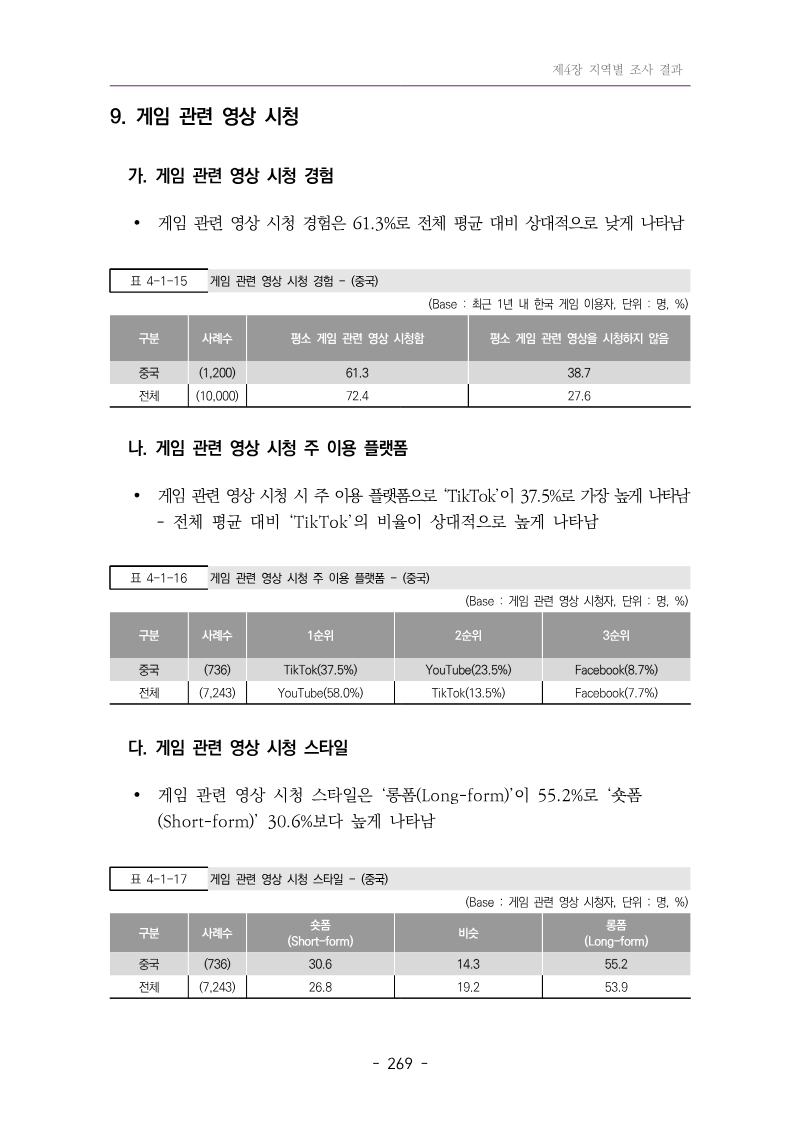
Survey data from South Korea's Korea Creative Content Agency indicates that 43.5% of teen gamers visited a PC bang more than once a week in 2018, up from 26.7% three years earlier. The authors attribute this growth to the venues' expansion into general entertainment centers offering movie viewing, music, VR experiences, live-streaming studios, esports screens, and dining. Brand examples such as Riot Games' LoL Park, Jooyontech's VRiz PC Café, Afreeca TV's broadcasting booths, and restaurant-oriented PC bang chains illustrate this shift.
Food service emerges as a particularly notable development. As the hardware requirements of popular games have declined, many PC bangs have differentiated themselves through extensive, low-priced, 24-hour menus, digital ordering systems, and delivery services. Their food has also become a subject of live-streamed mukbang content, drawing customers who come to eat rather than play. The authors connect these changes to broader trends in South Korean urban gentrification and government deregulation, concluding that gaming is becoming normalized and increasingly difficult to distinguish from other everyday leisure activities.
Each row is a game or company this document names, each column a document, oldest first. A mark means that document names it. Select a row to see those documents.

DiGRA · 2026

DiGRA · 2026



DiGRA · 2026



DiGRA · 2026



DiGRA · 2026



DiGRA · 2026



DiGRA · 2026



DiGRA · 2026

DiGRA · 2026



DiGRA · 2026



DiGRA · 2026

DiGRA · 2026
DiGRA · 2005