ReportGamota
Cracking the Code: What Drives Korean Games Performance in Vietnam
4 Jun 202620 pages~11 min full read
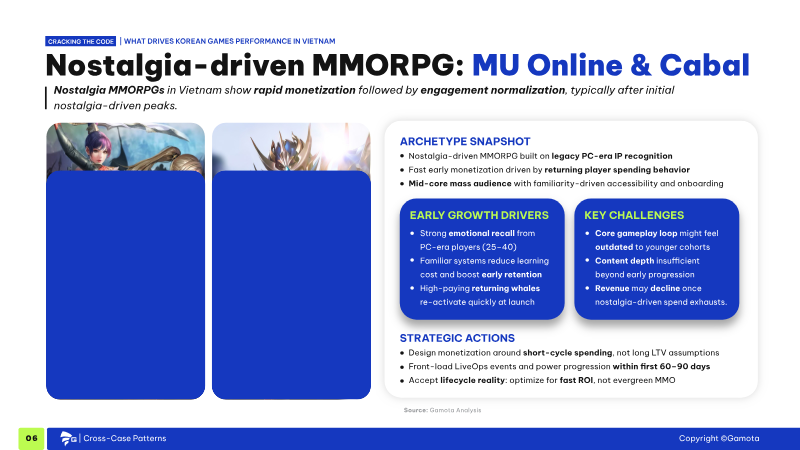
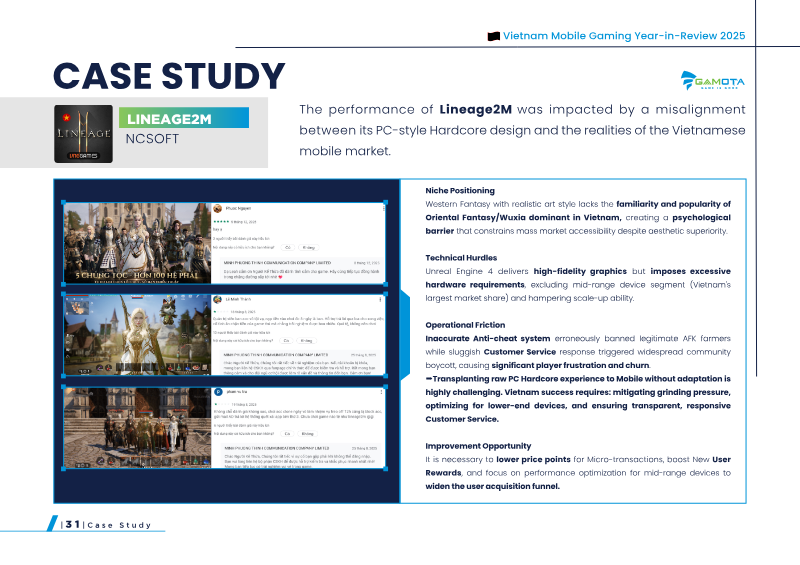
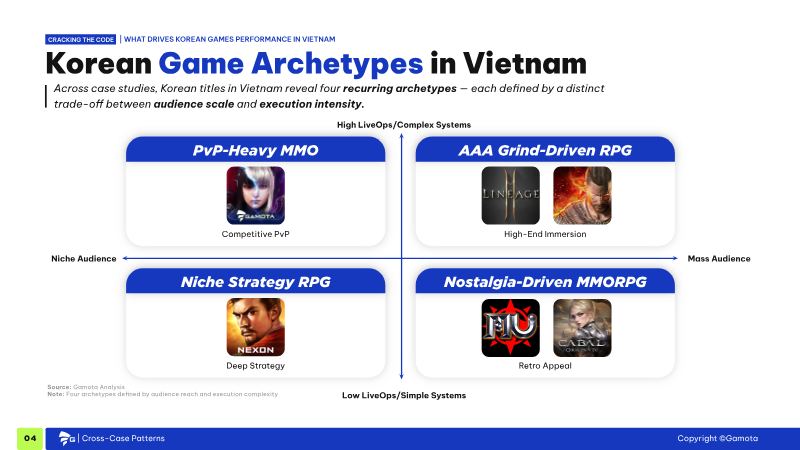
These archetypes are AAA grind-driven RPGs, nostalgia-driven MMORPGs, PvP-heavy MMOs, and niche strategy RPGs. Each requires a specific operational approach for long-term success.
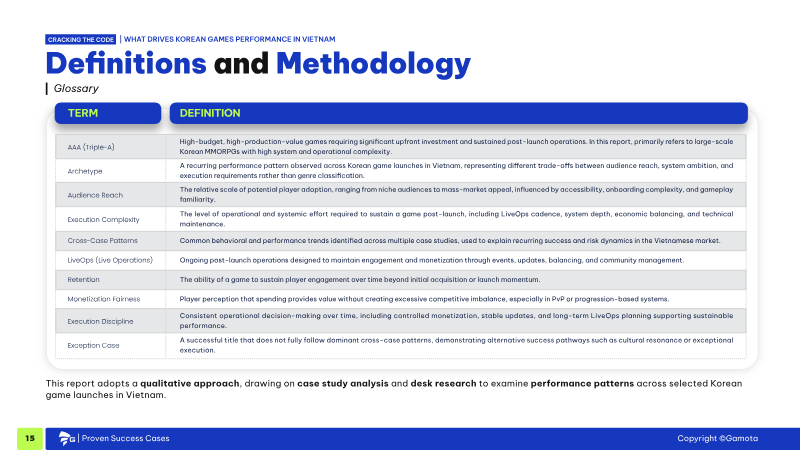
The performance of Korean games in the Vietnamese market is defined by a strategic trade-off between audience scale and execution complexity. Rather than adhering to a single universal model, successful titles cluster into four distinct archetypes: AAA grind-driven RPGs, nostalgia-driven MMORPGs, PvP-heavy MMOs, and niche strategy RPGs. Each archetype requires a specific operational approach, where long-term success is contingent upon matching a game’s ambition with the publisher’s capacity for sustained LiveOps, economic balancing, and community management.
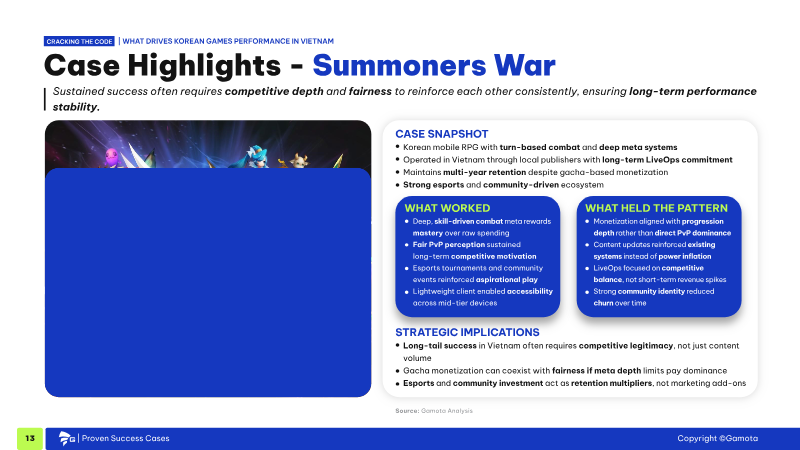
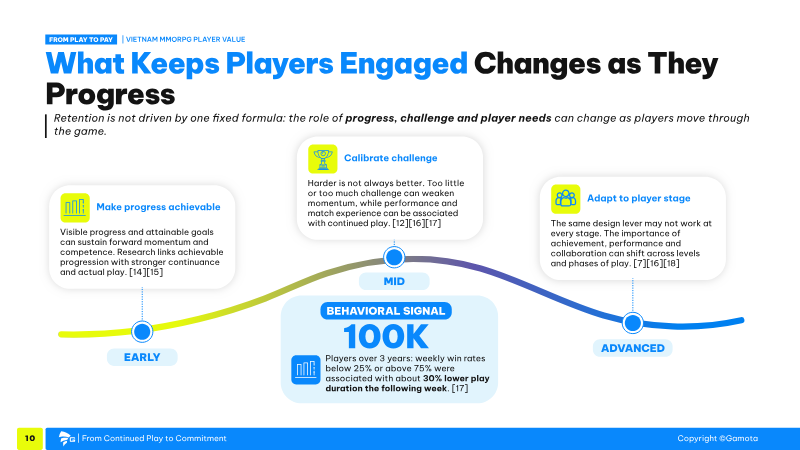
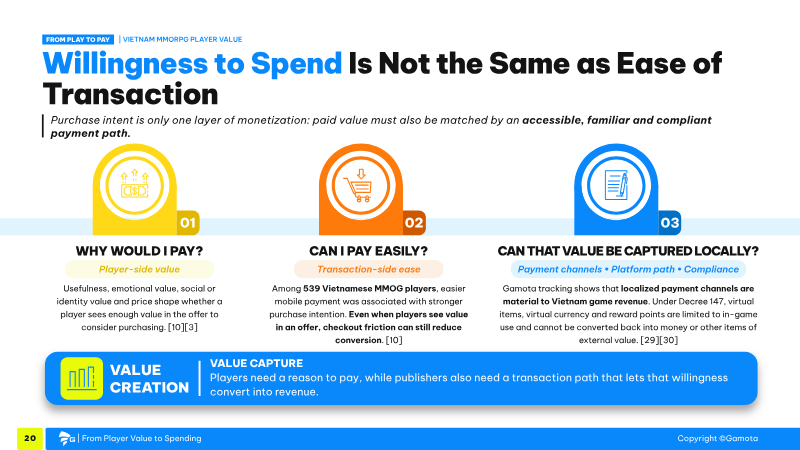
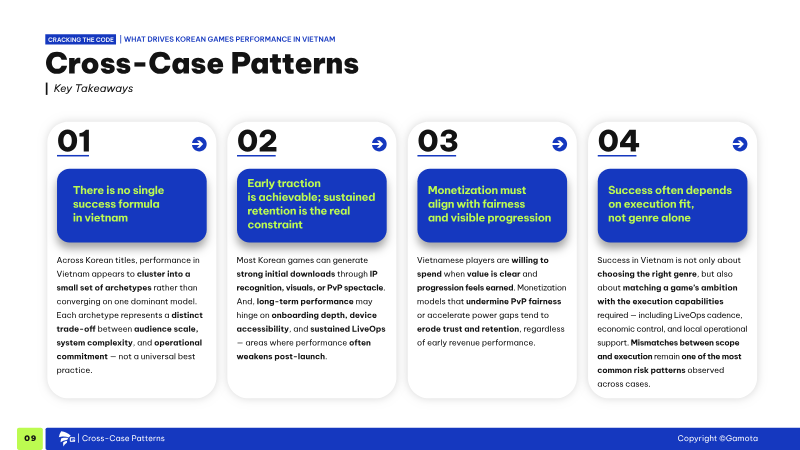
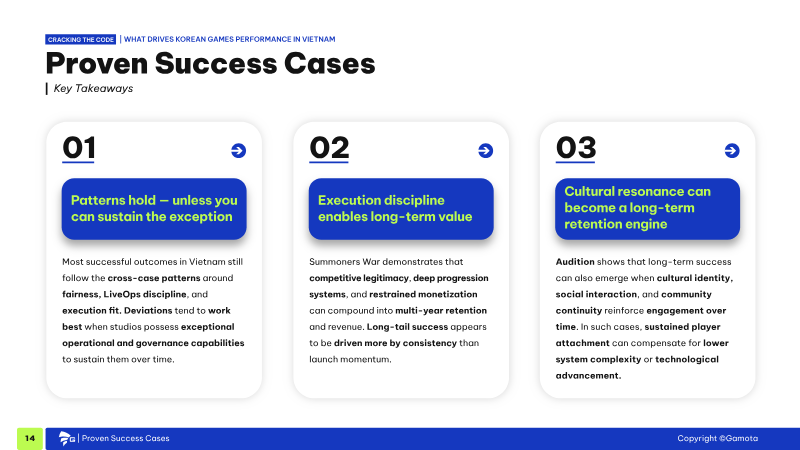
Key findings indicate that while IP recognition and visual spectacle can drive strong initial downloads, long-term retention is primarily governed by onboarding depth, device accessibility, and the perceived fairness of monetization. In competitive titles, monetization models that accelerate power gaps or undermine PvP fairness frequently erode player trust, leading to churn. Conversely, titles that prioritize competitive legitimacy—often supported by esports integration and community-driven events—demonstrate greater stability. Exceptional cases, such as those leveraging deep cultural resonance or social identity, show that community loyalty can sustain a game’s lifecycle even when system complexity is lower than that of modern AAA competitors.
The analysis utilizes a qualitative methodology, drawing on case studies and industry data to evaluate performance patterns across the Vietnamese gaming landscape. The findings emphasize that success in Vietnam is not merely a product of genre selection but of execution discipline. Publishers must align their monetization strategies with the specific expectations of the local player base, ensuring that progression feels earned rather than purely transactional. Ultimately, the most sustainable performance is achieved by those who maintain consistent operational cadence and prioritize long-term community health over short-term revenue spikes.
SocialPeta · 2026
Gamota · 2026

Gamota · 2026

Gamota · 2026
Gamota · 2026

Gamota · 2026
Gamota · 2026

Gamota · 2026

Deconstructor of Fun · 2026

Naavik · 2026

Two & a Half Gamers · 2026
Deconstructor of Fun · 2026

Deconstructor of Fun · 2026

Naavik · 2026
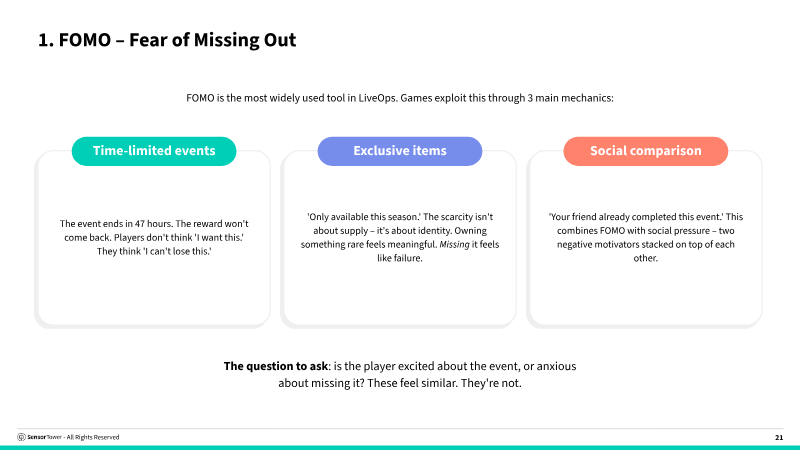
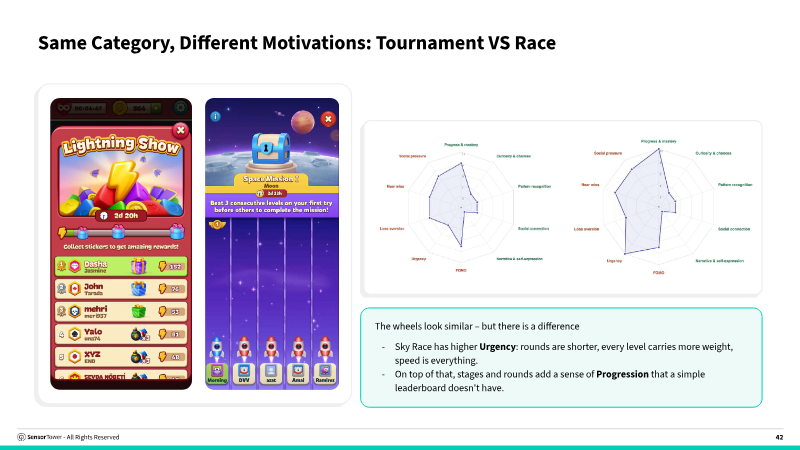

Sensor Tower · 2026
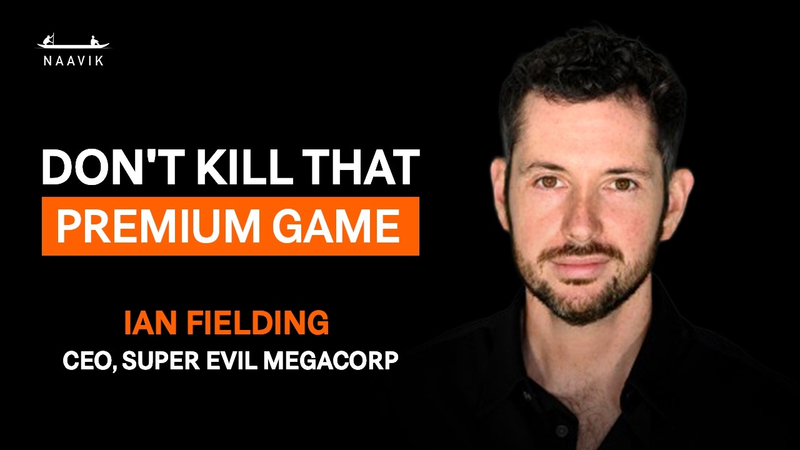
Naavik · 2026
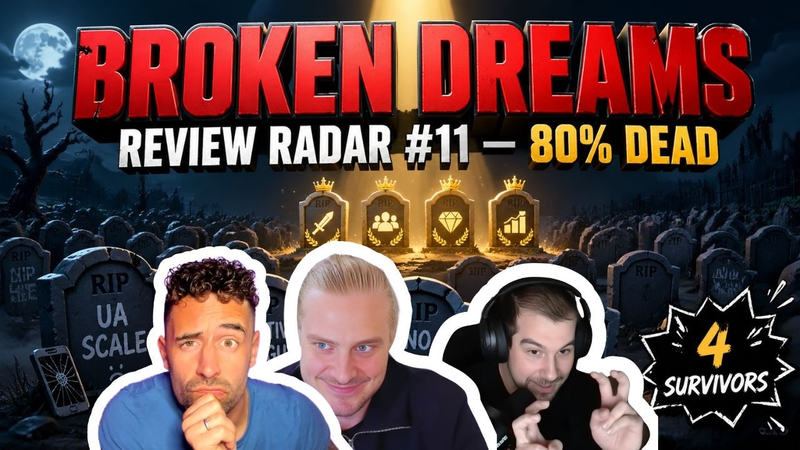
Two & a Half Gamers · 2026
Two & a Half Gamers · 2026

The Game Business · 2026
Decision Lab · 2026
Comments