1 free read left. Create a free account for unlimited reading + AI research.
Create free accountArticle Game Studio Unlocked
1 free read left. Create a free account for unlimited reading + AI research.
Create free accountArticleGame Studio Unlocked
Successful indie developers must view marketing as a core discipline that begins at inception, not as a post-production phase.
The commercial triumph of Pizza Tower serves as a definitive case study for the necessity of integrating marketing directly into the game development lifecycle. Rather than treating promotion as a post-production phase, successful indie developers must view marketing as a core discipline that begins at the project’s inception. By leveraging a specific, nostalgia-driven niche and utilizing iterative feedback loops, developers can transform early adopters into a dedicated base of evangelists who provide both essential product validation and grassroots momentum.
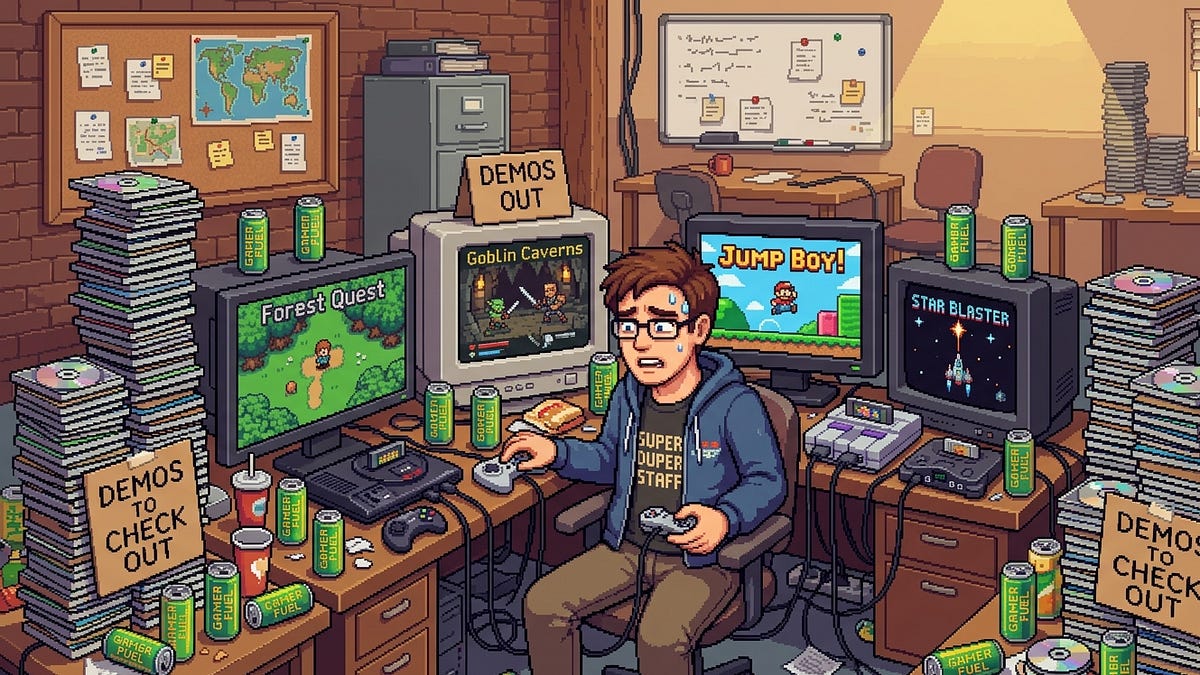
This strategy relies on the consistent application of lean development practices, including the release of public demos, active participation in community forums, and the use of platforms like Patreon to foster long-term engagement. These tactics create a critical velocity of player feedback that refines the final product while simultaneously building a captive audience. By treating the development process as a public-facing, community-driven endeavor, creators can effectively mitigate the risks associated with traditional, short-term launch strategies that often fail to secure visibility in a crowded marketplace.
Ultimately, the most effective path to success involves identifying a target audience early and strategically positioning the game within relevant digital ecosystems. While high-quality gameplay remains the non-negotiable foundation of any title, the ability to build a lightning rod for interest through years of organic investment is what separates breakout hits from obscure releases. This framework demonstrates that visibility is not a matter of luck, but a replicable outcome of proactive community management and the seamless blending of production and promotional efforts.

Game Studio Unlocked · 2026
Game Studio Unlocked · 2026
Game Studio Unlocked · 2026
Game Studio Unlocked · 2026
Game Studio Unlocked · 2026
Game Studio Unlocked · 2026
Game Studio Unlocked · 2026
Game Studio Unlocked · 2026
Game Studio Unlocked · 2026
Game Studio Unlocked · 2026
Game Studio Unlocked · 2026
Game Studio Unlocked · 2026
Thomas Brush · 2026