1 free read left. Create a free account for unlimited reading + AI research.
Create free accountReport CESA – Computer Entertainment Supplier's Association
1 free read left. Create a free account for unlimited reading + AI research.
Create free accountReportCESA – Computer Entertainment Supplier's Association
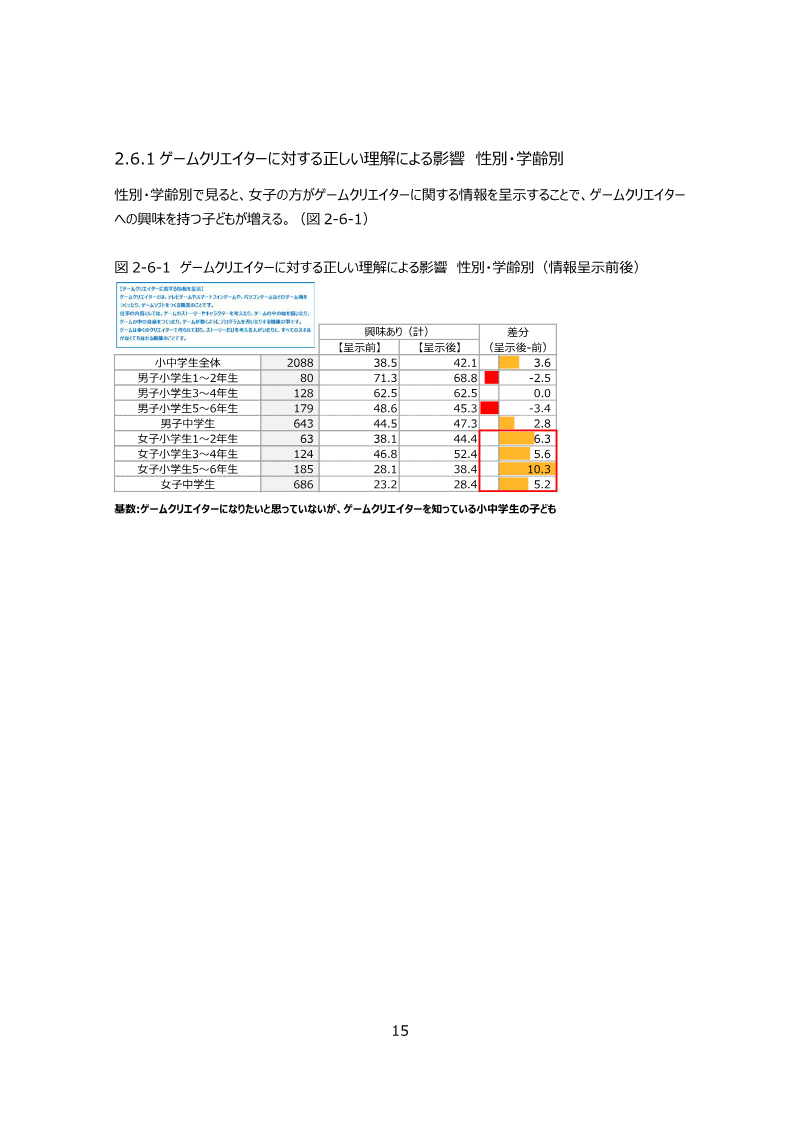
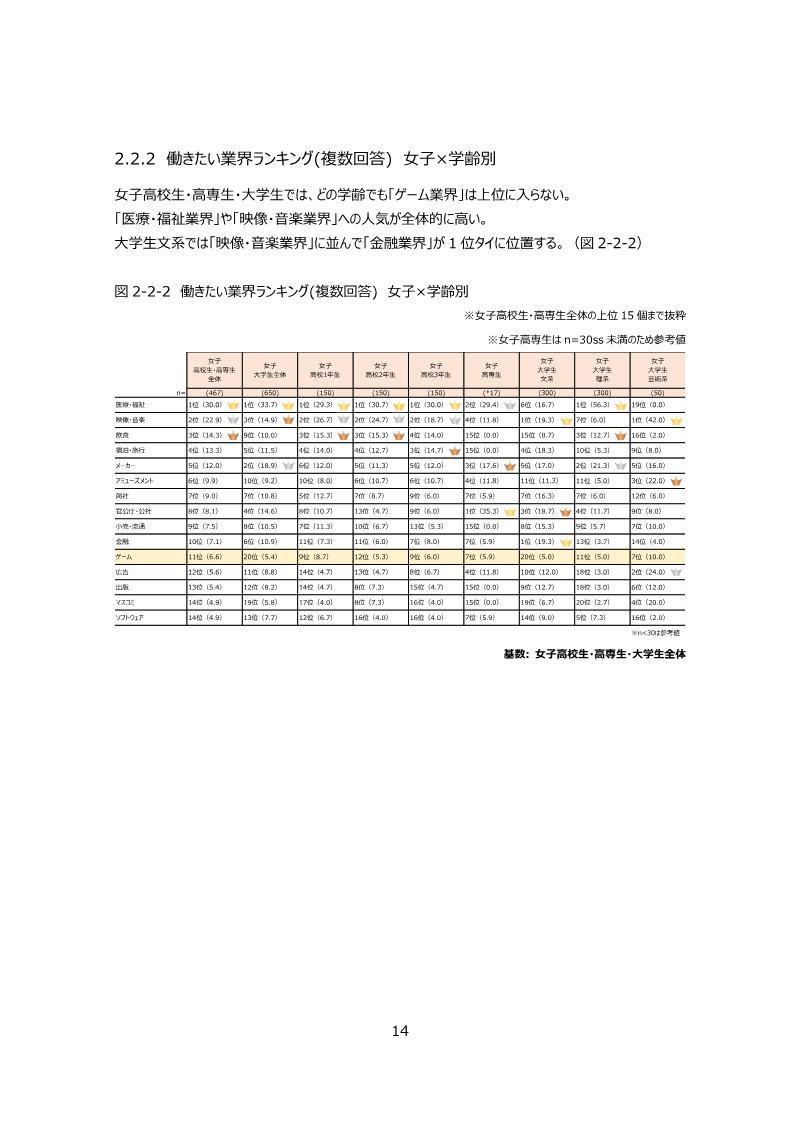
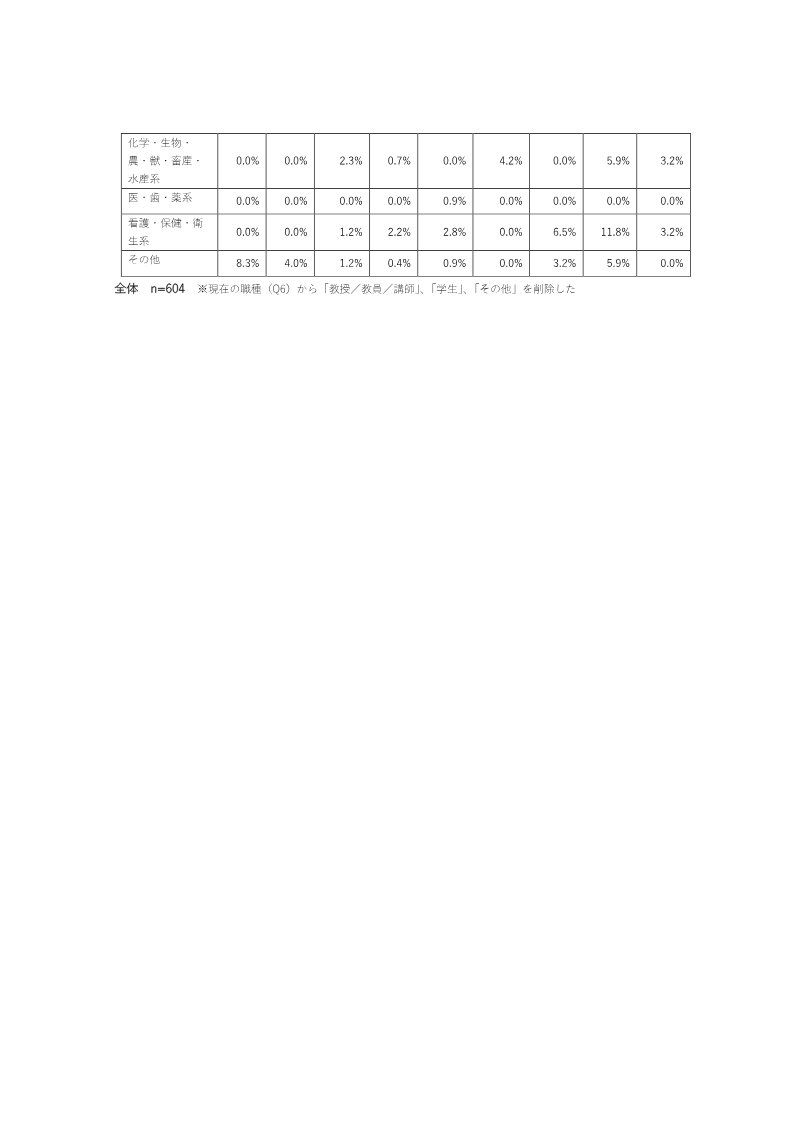
The game industry in Japan faces a complex landscape regarding future talent pipelines, as career aspirations for game creators fluctuate significantly based on age, gender, and educational background. While the profession ranks highly among male elementary and middle school students, interest wanes as students transition into university, where career goals often shift toward broader IT engineering or alternative sectors like media and healthcare. This decline is particularly pronounced among female students, who consistently demonstrate lower interest in game development compared to their male counterparts, favoring creative fields such as music, illustration, and character design over technical programming roles.
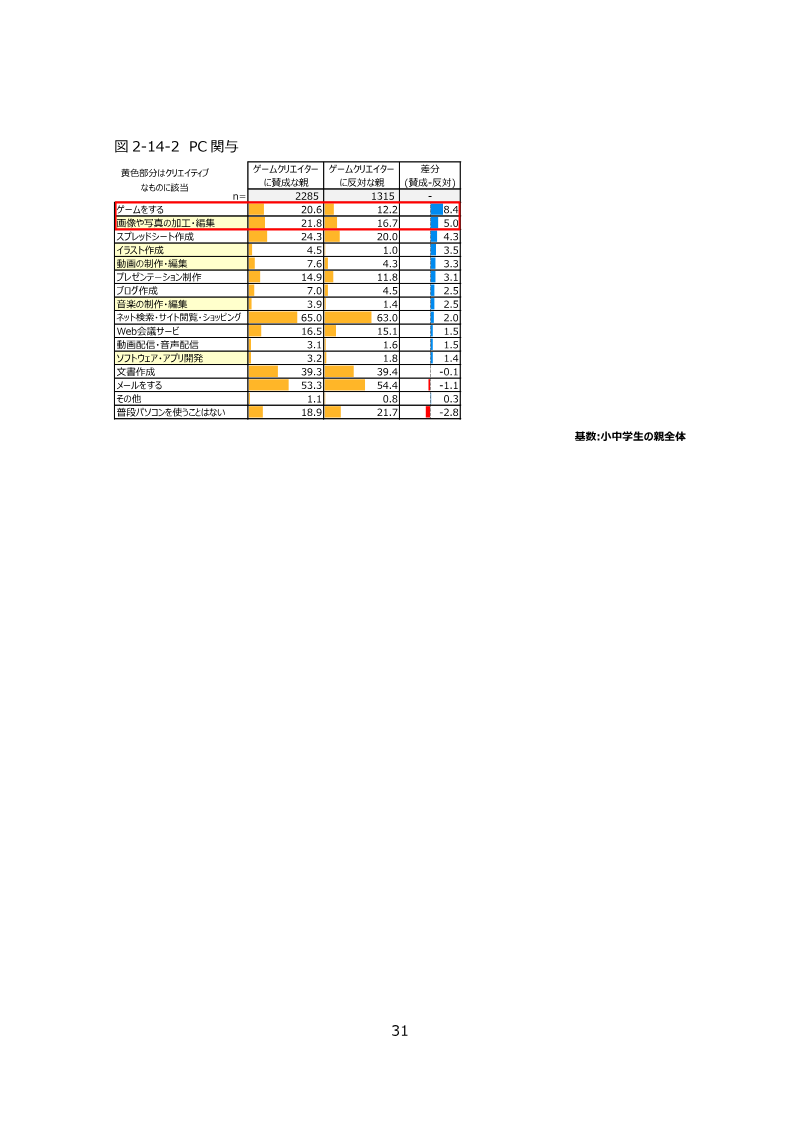
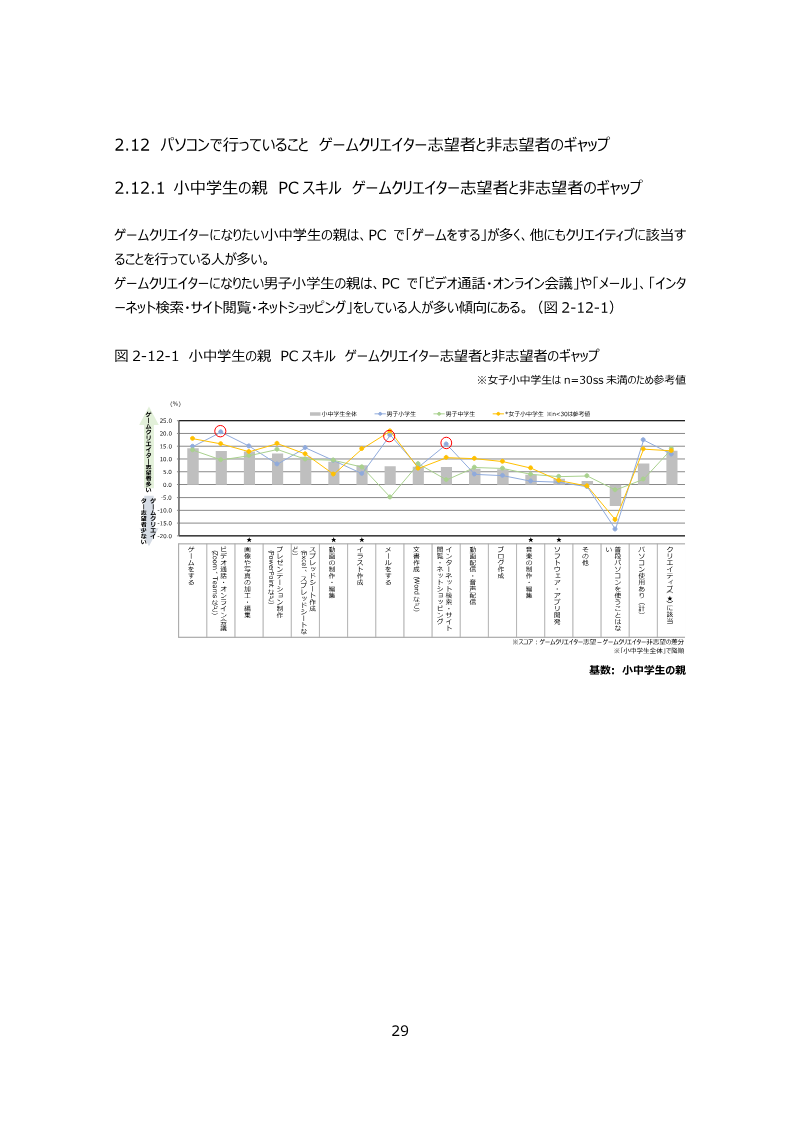
A clear divide exists between aspiring creators and their peers regarding digital engagement and skill acquisition. Those aiming for a career in the industry are characterized by active participation in the digital ecosystem, frequently utilizing platforms like Discord, Twitter, and streaming services. These individuals are more likely to pursue extracurricular training in programming and foreign languages, and they possess a more nuanced understanding of the technical requirements necessary to enter the field. Conversely, non-aspiring students often cite perceived difficulty or the existence of alternative career goals as primary barriers to entry, highlighting a gap in professional guidance and industry accessibility.
Ultimately, the perception of a game creator remains heavily tethered to programming proficiency, a view that matures as students progress through the educational system. While awareness of the profession exceeds 90 percent among older students, the industry must address the persistent gender disparity and the transition hurdles faced by university-aged students. Bridging these gaps requires targeted efforts to demystify the career path and broaden the appeal of game development beyond traditional programming roles, ensuring that the next generation of creators is equipped with both the technical skills and the professional confidence to enter the workforce.
CESA – Computer Entertainment Supplier's Association · 2026
CESA – Computer Entertainment Supplier's Association · 2026
CESA – Computer Entertainment Supplier's Association · 2025
CESA – Computer Entertainment Supplier's Association · 2025
CESA – Computer Entertainment Supplier's Association · 2025
CESA – Computer Entertainment Supplier's Association · 2025
CESA – Computer Entertainment Supplier's Association · 2025
一般社団法人コンピュータエンターテインメント協会 (Computer Entertainment Supplier’s Association) · 2024
Computer Entertainment Developers Association · 2024
CESA – Computer Entertainment Supplier's Association · 2024
CESA – Computer Entertainment Supplier's Association · 2024
CESA – Computer Entertainment Supplier's Association · 2024
New Zealand Game Developers Association · 2026