1 free read left. Create a free account for unlimited reading + AI research.
Create free accountReport CESA – Computer Entertainment Supplier's Association
1 free read left. Create a free account for unlimited reading + AI research.
Create free accountReportCESA – Computer Entertainment Supplier's Association
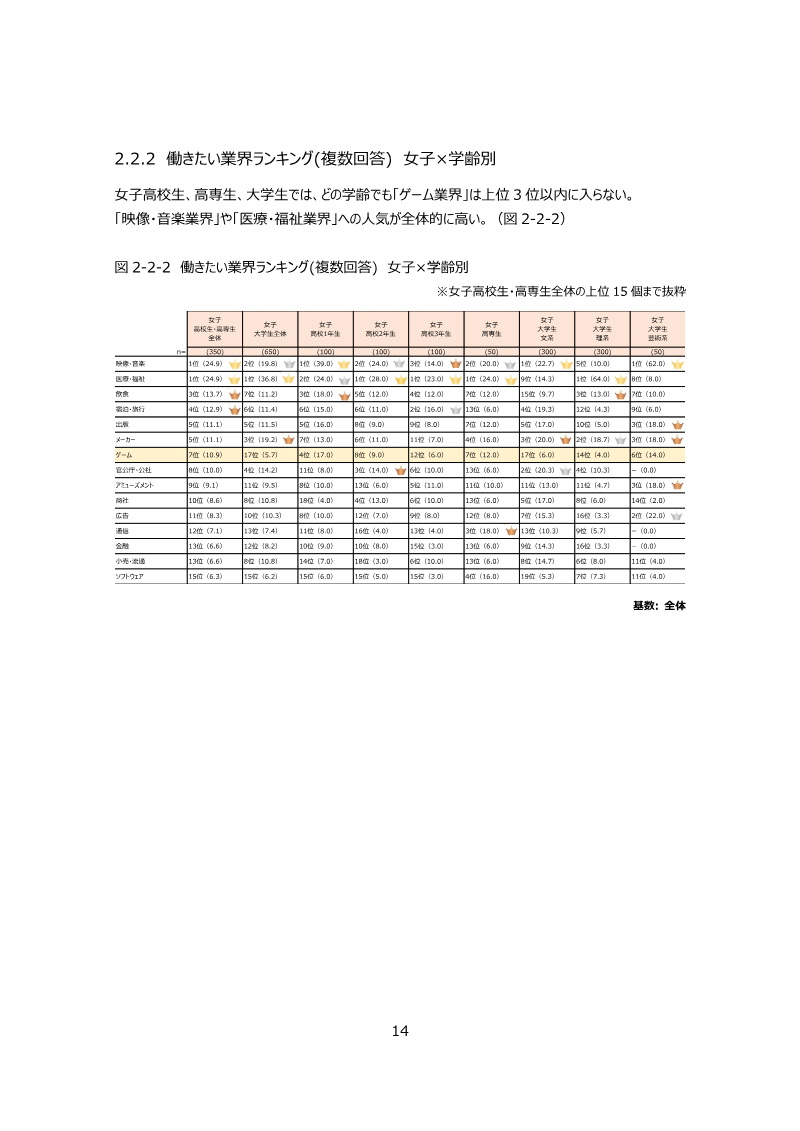
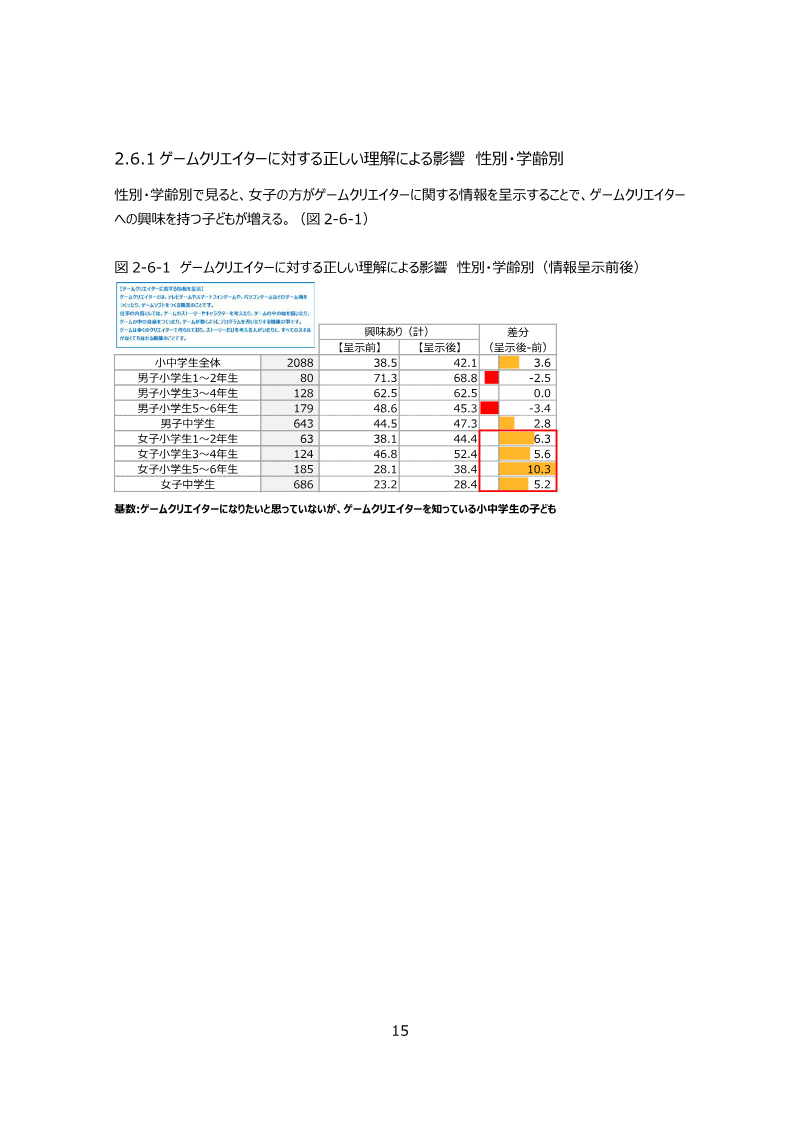
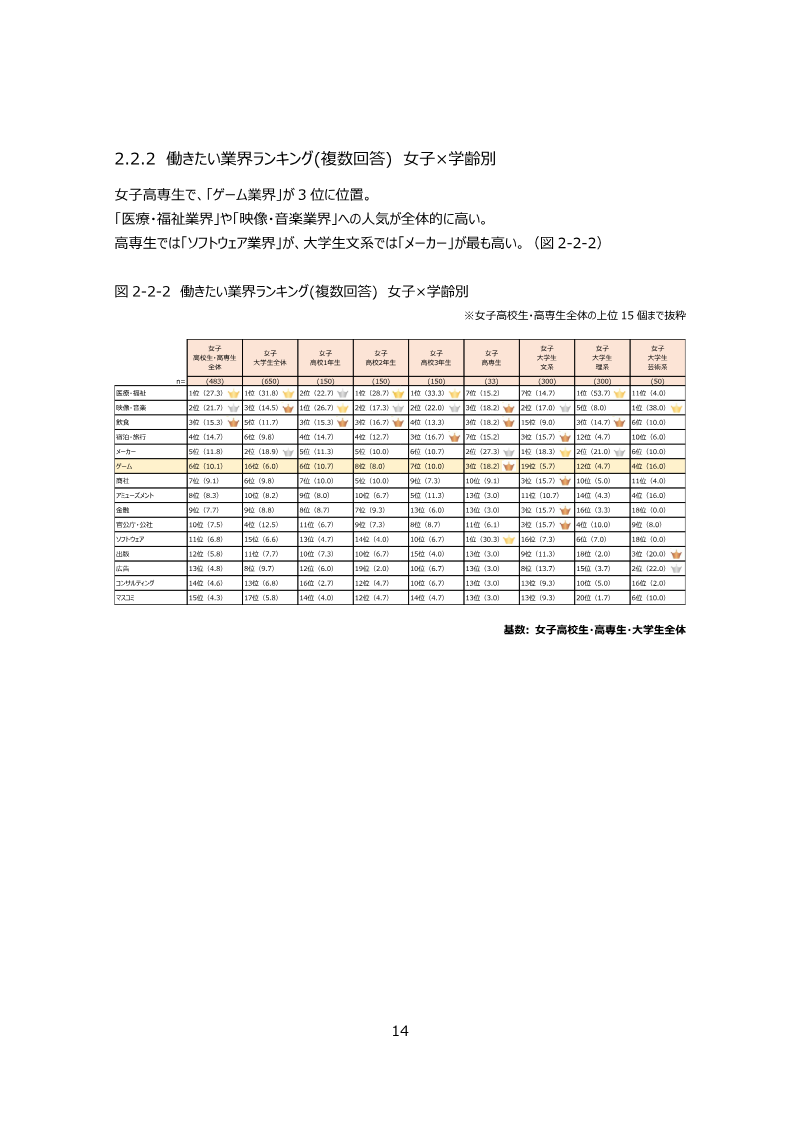
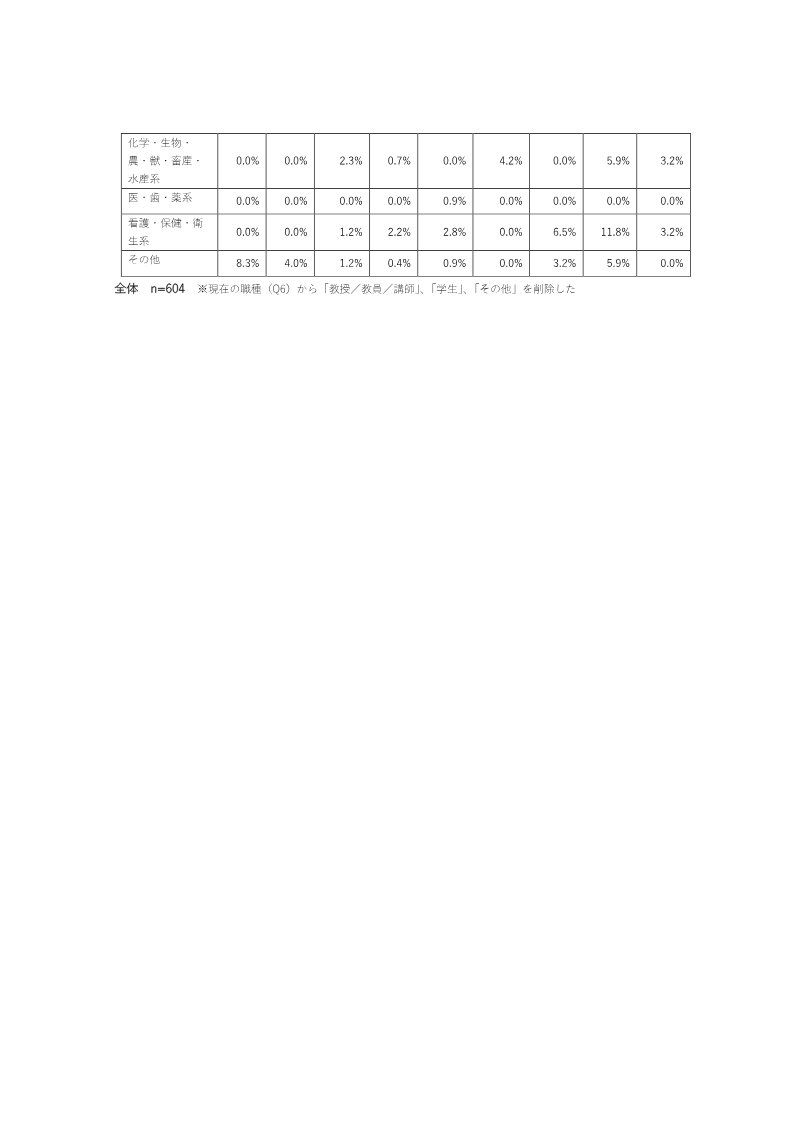
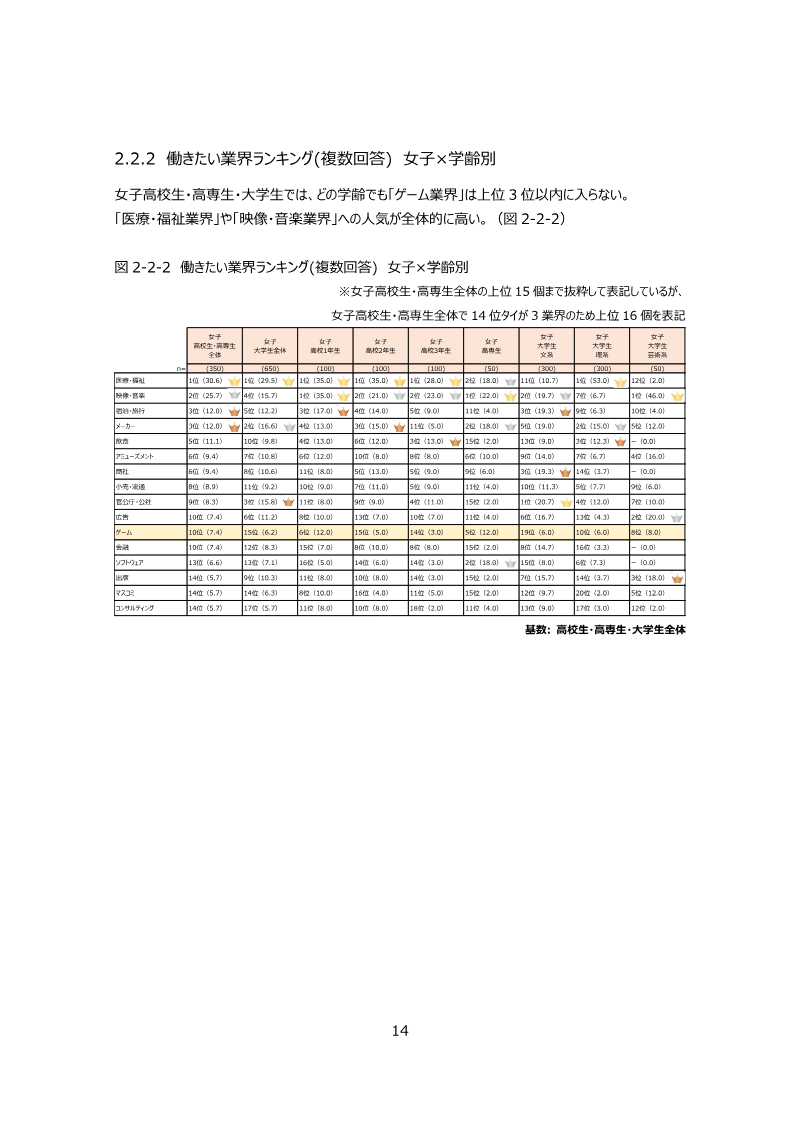
Game creators maintain a strong presence as a aspirational career path among young students, particularly among elementary and middle school boys. While the profession enjoys high name recognition, reaching approximately 90 percent among high school students and above, the desire to pursue this career path declines significantly as students age. By the time students reach university, many shift their focus toward alternative sectors such as engineering or public service. This trend is particularly pronounced among female students, who show consistently lower interest in the game industry across all age groups compared to their male counterparts.
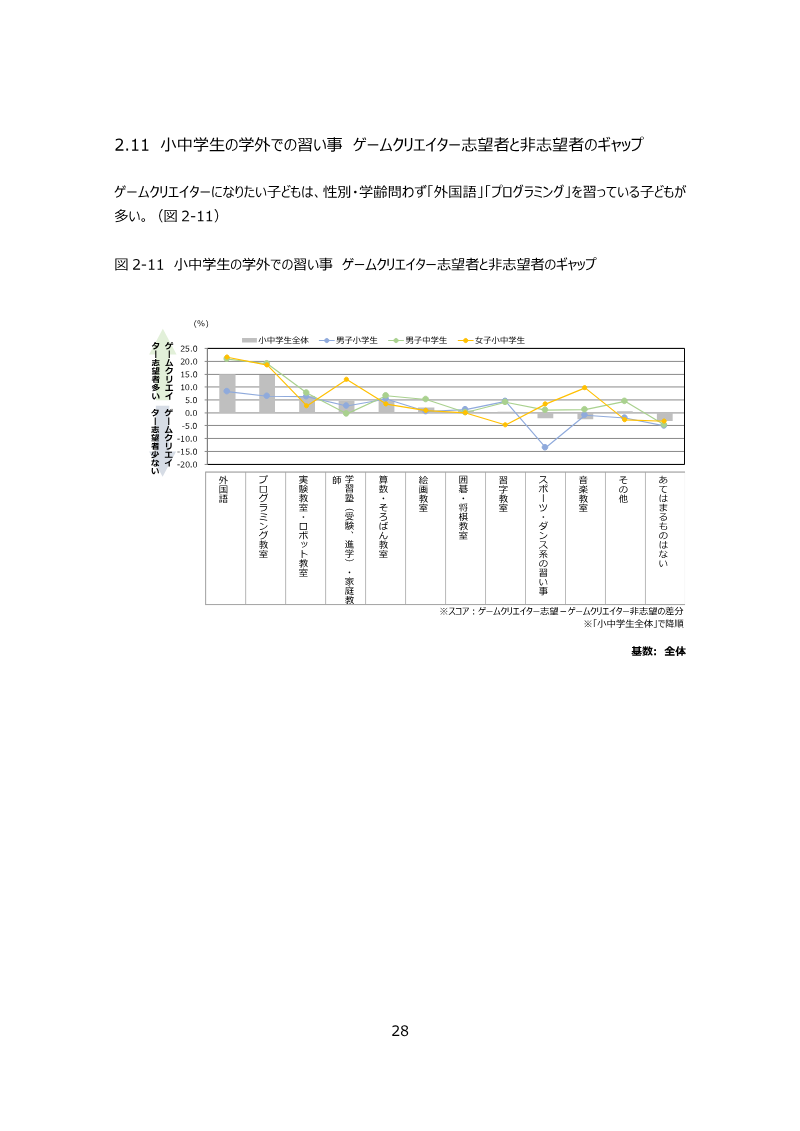
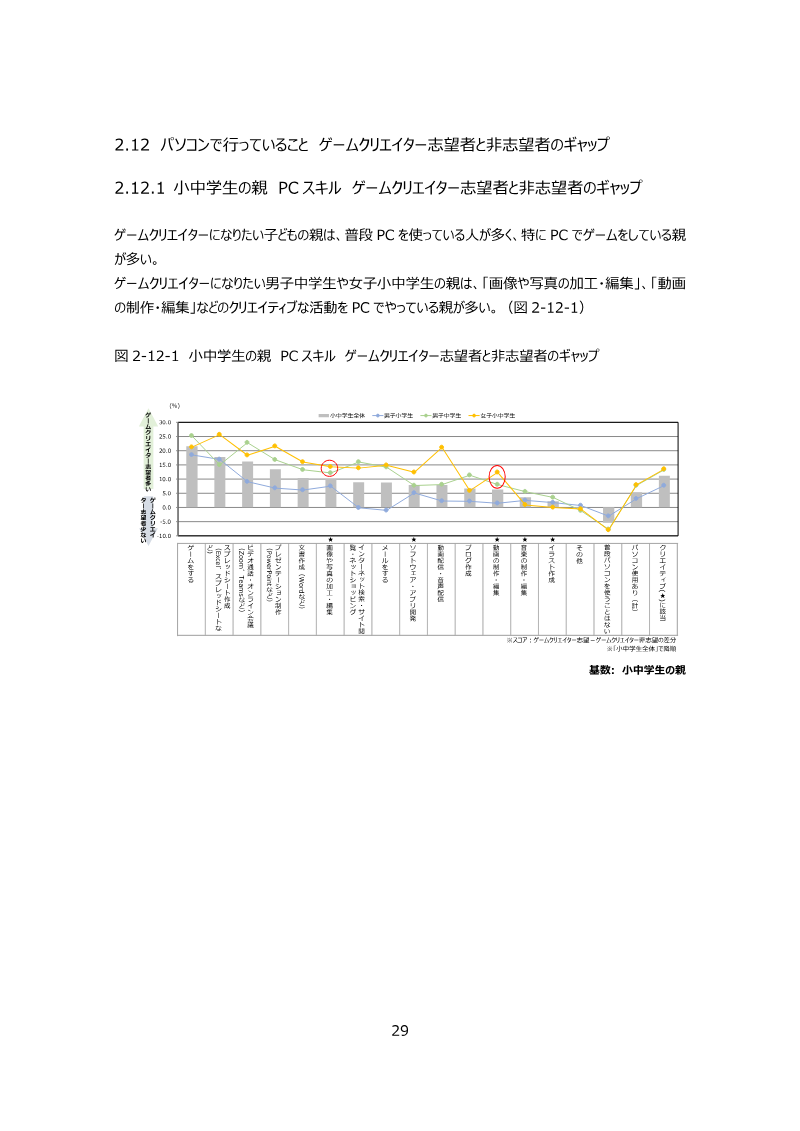
The perception of a game creator is heavily centered on technical proficiency, with roughly 70 percent of students identifying the role primarily as someone who writes code. While aspiring creators demonstrate high levels of engagement with programming, gaming hardware, and digital communities like Discord and X, a clear divide exists in how students envision their contributions. Male students gravitate toward programming and rule design, whereas female students express a stronger interest in creative elements such as character design, music, and narrative development.
Despite the high visibility of the industry, significant barriers to entry persist. Students who choose not to pursue game development often cite the perceived difficulty of the work or the presence of competing career interests. Furthermore, a lack of concrete understanding regarding the specific pathways to becoming a professional and the day-to-day realities of the job acts as a deterrent. Addressing these knowledge gaps and diversifying the perceived scope of the profession beyond pure programming may be essential for sustaining interest and fostering a broader talent pipeline within the gaming sector.
CESA – Computer Entertainment Supplier's Association · 2026
CESA – Computer Entertainment Supplier's Association · 2026
CESA – Computer Entertainment Supplier's Association · 2025
CESA – Computer Entertainment Supplier's Association · 2025
CESA – Computer Entertainment Supplier's Association · 2025
CESA – Computer Entertainment Supplier's Association · 2025
一般社団法人コンピュータエンターテインメント協会 (Computer Entertainment Supplier’s Association) · 2024
Computer Entertainment Developers Association · 2024

CESA – Computer Entertainment Supplier's Association · 2024
CESA – Computer Entertainment Supplier's Association · 2024
CESA – Computer Entertainment Supplier's Association · 2024
CESA – Computer Entertainment Supplier's Association · 2024
The Game Business · 2026