LegalTake-Two Interactive
Guidelines for Directors and Board Governance June 2022
1 Jun 20228 pages~22 min full read
These corporate governance guidelines, adopted in June 2022, establish the structural and operational framework for a company’s Board of Directors. The primary purpose of the document is to define the responsibilities, qualifications, and ethical standards required of directors to ensure effective oversight and alignment with shareholder interests. The scope covers board composition, committee structures, and specific policies regarding executive compensation and strategic planning, adhering to regulatory standards such as the NASDAQ Marketplace Rules and the Securities Exchange Act of 1934.
Key findings and mandates include a board size limited to between one and ten members, with a requirement that at least two-thirds of directors be independent. The governance structure relies on four standing committees—Executive, Audit, Compensation, and Corporate Governance—each governed by written charters. The guidelines emphasize rigorous independence standards, requiring that the Corporate Governance Committee affirmatively determine the absence of material relationships between independent directors and the company. Furthermore, the board must conduct annual self-evaluations and dedicate specific sessions each year to strategic planning and senior management succession.
The document also outlines strict financial and ethical accountability measures. A clawback policy allows the board to recover improperly awarded incentive compensation from executives if payments were based on erroneously reported financial results due to fraudulent or illegal conduct. Additionally, director qualifications are explicitly defined in an annex, prioritizing integrity, diversity, and financial literacy. To align interests with stockholders, the guidelines mandate that a portion of director compensation be provided in company equity. The board maintains the authority to limit outside directorships held by its members to prevent conflicts of interest or time commitment issues.
Take-Two Interactive · 2026
Take-Two Interactive · 2026
Take-Two Interactive · 2026

Take-Two Interactive · 2026
Take-Two Interactive · 2026
Take-Two Interactive · 2026
Take-Two Interactive · 2026
Take-Two Interactive · 2026
Take-Two Interactive · 2025
Take-Two Interactive · 2025
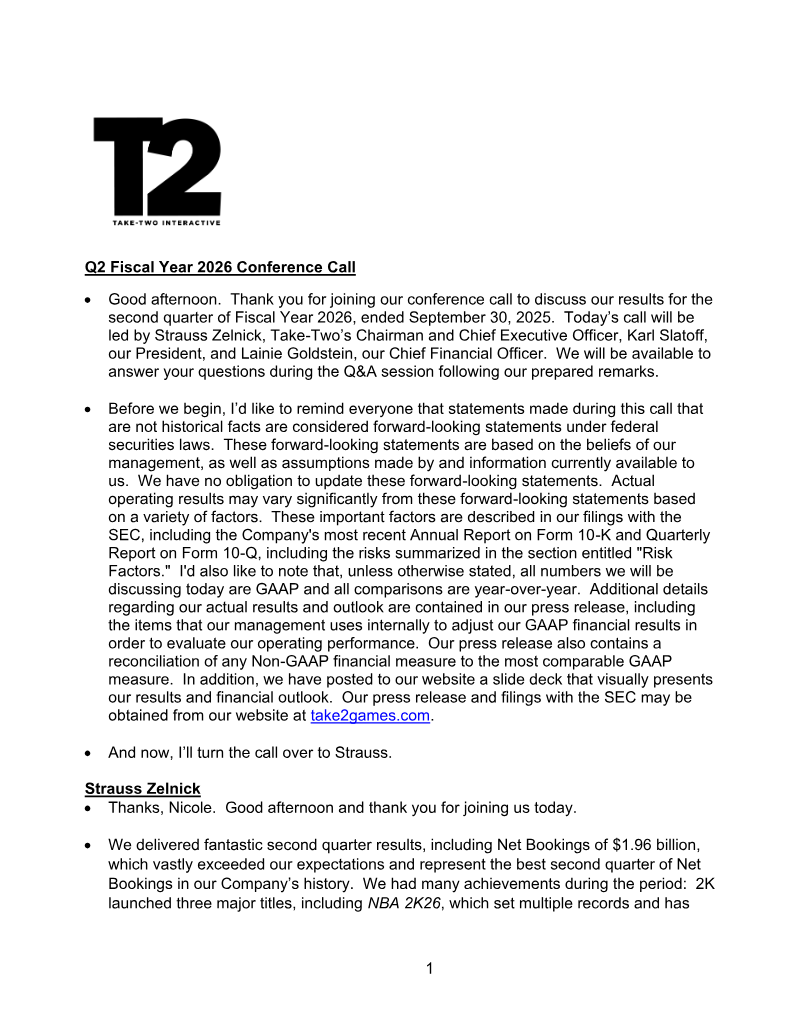
Take-Two Interactive · 2025
Take-Two Interactive · 2025
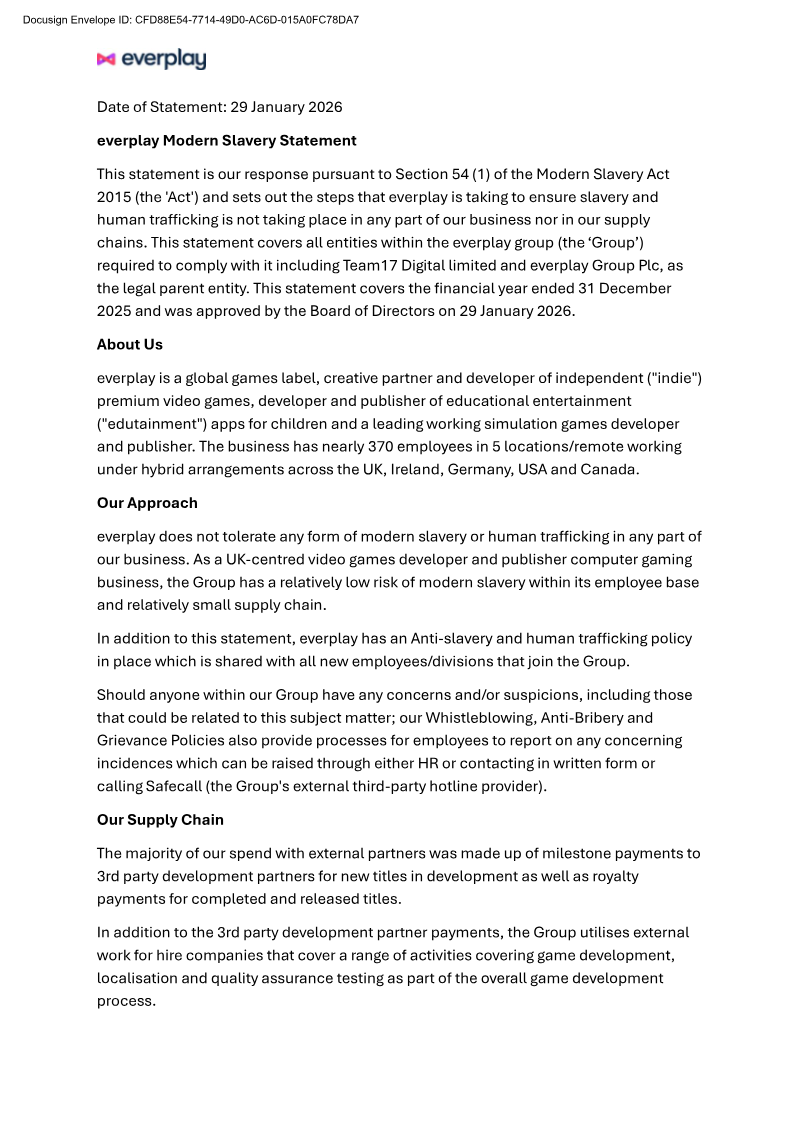
Everplay · 2026

Take-Two Interactive · 2025
Electronic Arts · 2025

Duamentes Gaming · 2025
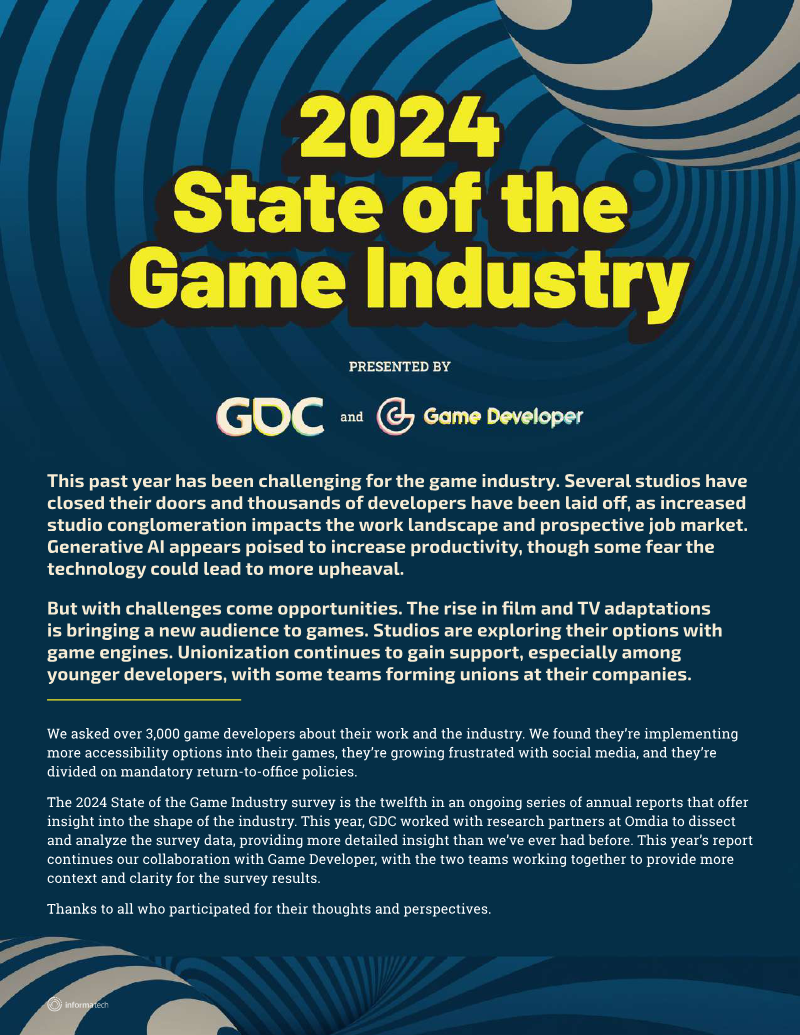
Game Developers Conference · 2024
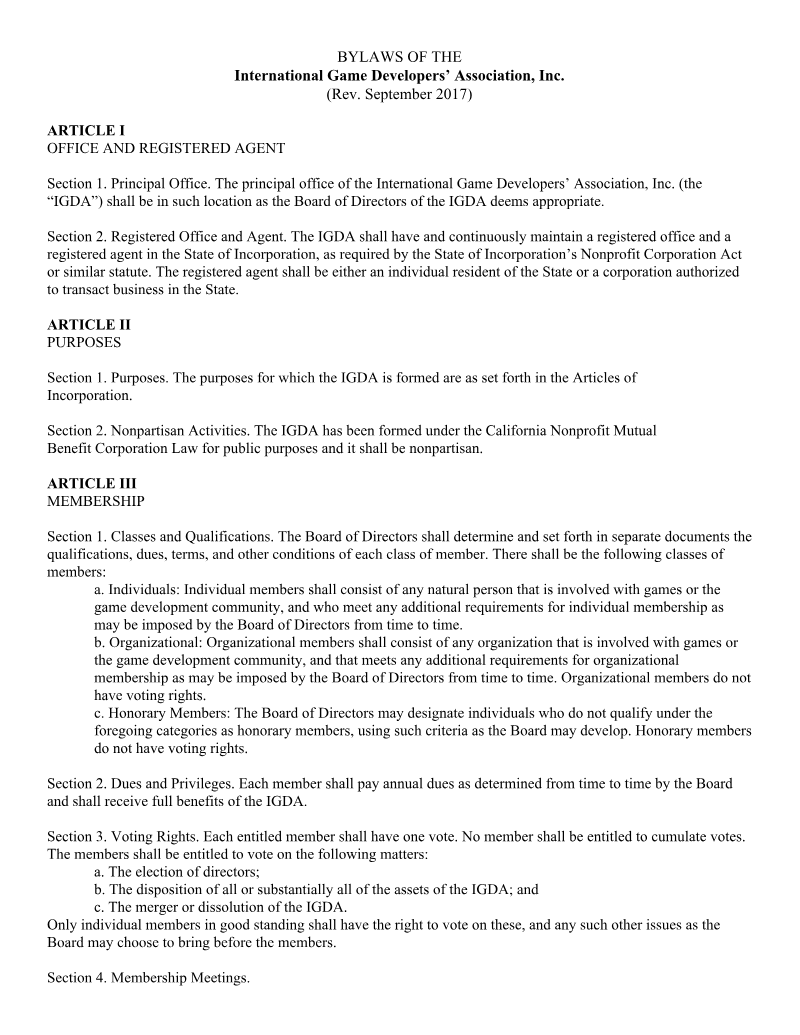
International Game Developers’ Association · 2023
Bandai Namco · 2023
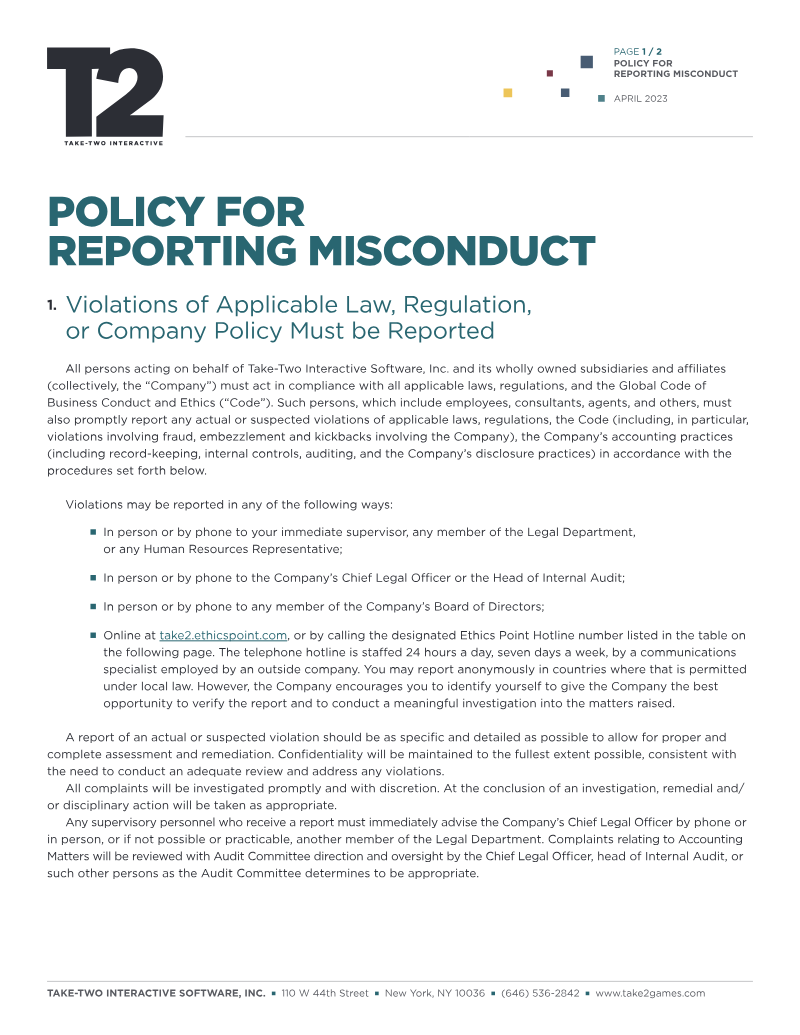
Take-Two Interactive · 2023

Take-Two Interactive · 2023
Game Developers Conference · 2023
80 Level · 2023
GDC · 2022