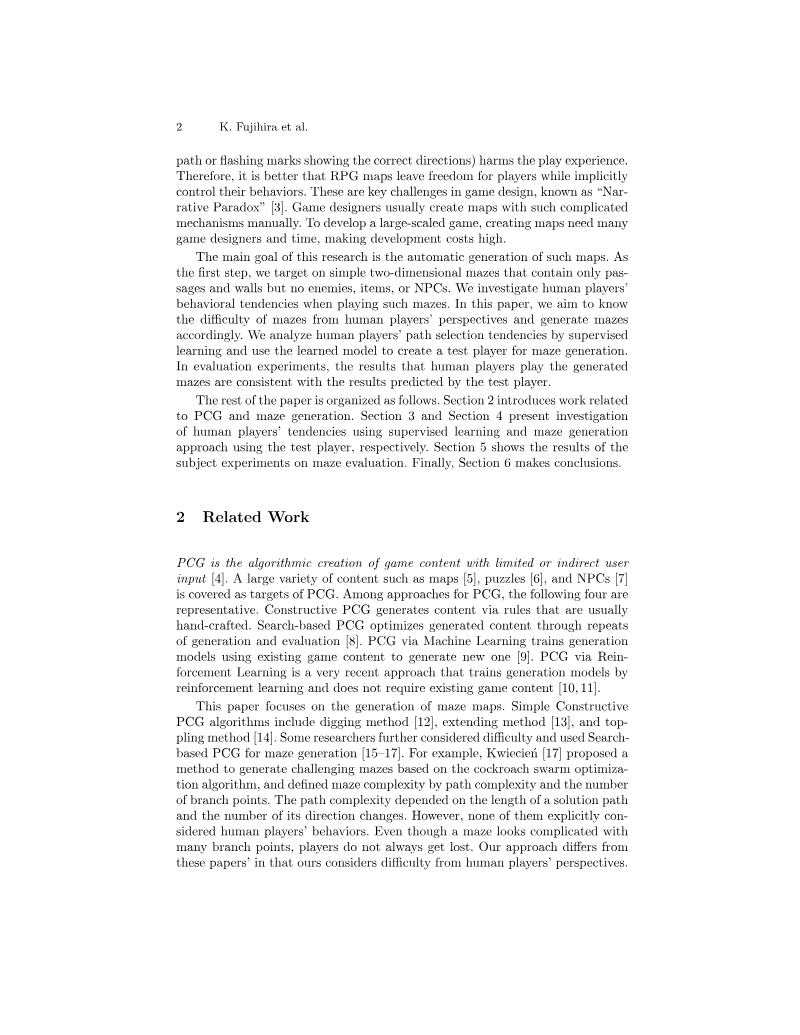
The research investigates the feasibility of inferring the chronological move sequences of a Go game solely from the final arrangement of stones on the board. By formulating this challenge as a likelihood maximization problem, the study aims to determine if computational models can reconstruct the history of a game by identifying the most probable sequence of moves that would lead to a specific board state.
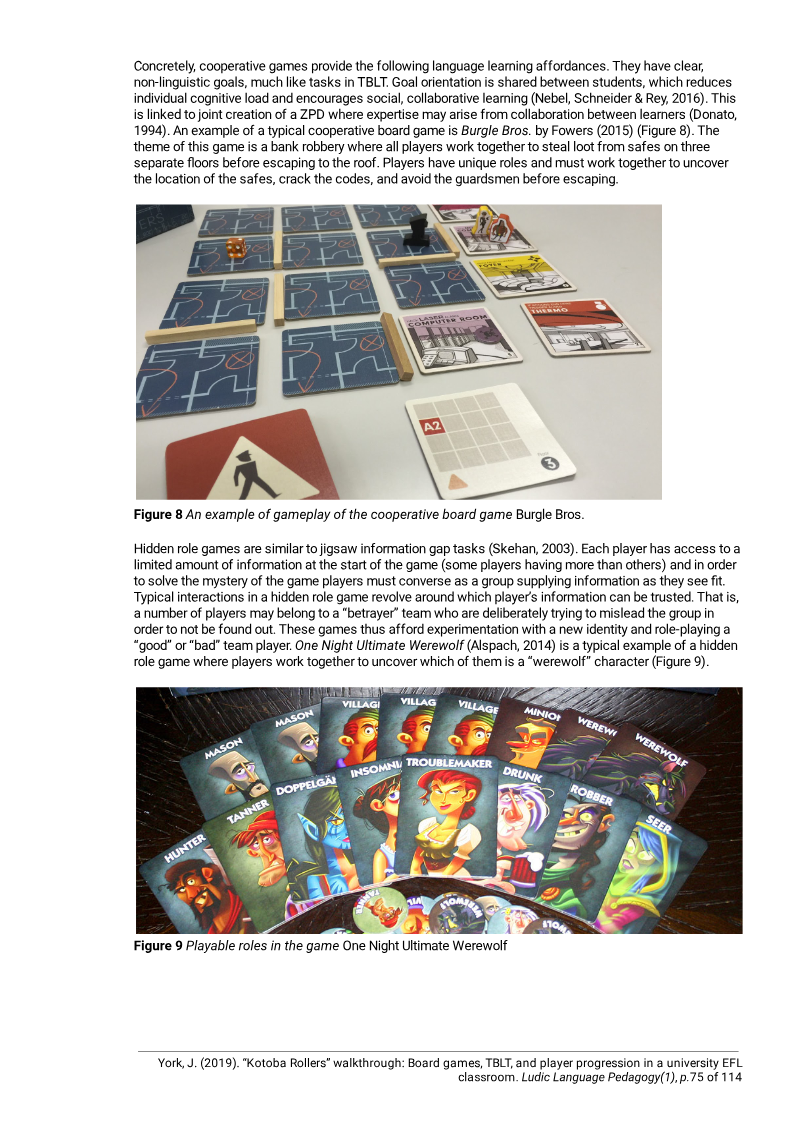
The methodology employs simulated annealing, a stochastic optimization algorithm, to navigate the discrete search space of potential move permutations. To approximate the likelihood of human moves, the researchers utilized a neural network trained on strong human player datasets. The experimental scope covered 19x19 board configurations, specifically focusing on opening phases of 20 and 40 moves, excluding scenarios involving captured stones or handicap placements. The dataset comprised 100 games each from professional and amateur players.
Key findings indicate that while the approach rarely produced exact matches to the original game records, it successfully generated sequences that were often more natural and logically sound than the actual human-played sequences. This was particularly evident in amateur games, where the model’s reliance on strong-player training data helped avoid suboptimal moves. Quantitative analysis using the Go engine KataGo revealed that inferred sequences often achieved lower territory advantage losses compared to the original amateur records. The study concludes that simulated annealing is an effective tool for this inference task, suggesting potential applications as an analytical assistant for studying Go puzzles or historical game records. Future research aims to improve scalability for longer games and incorporate more complex board dynamics, such as stone captures.