More from Kyoto University
View all
More on Game Studies
View all
Report
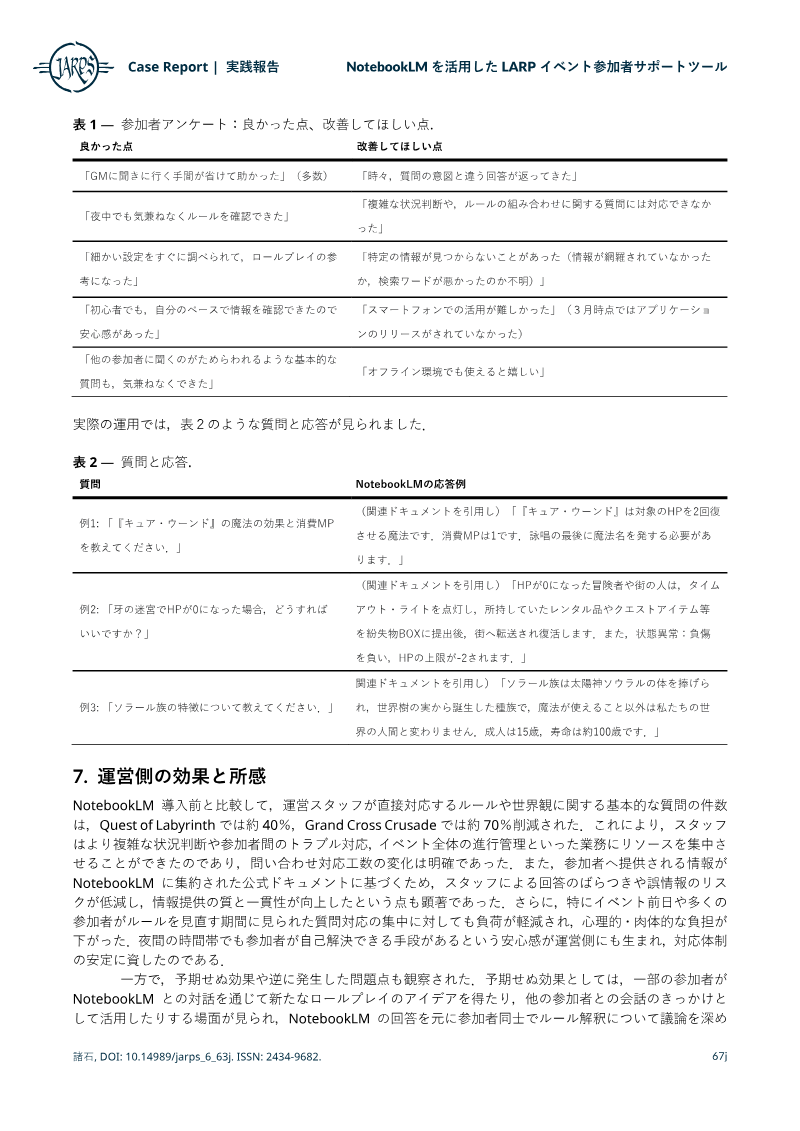
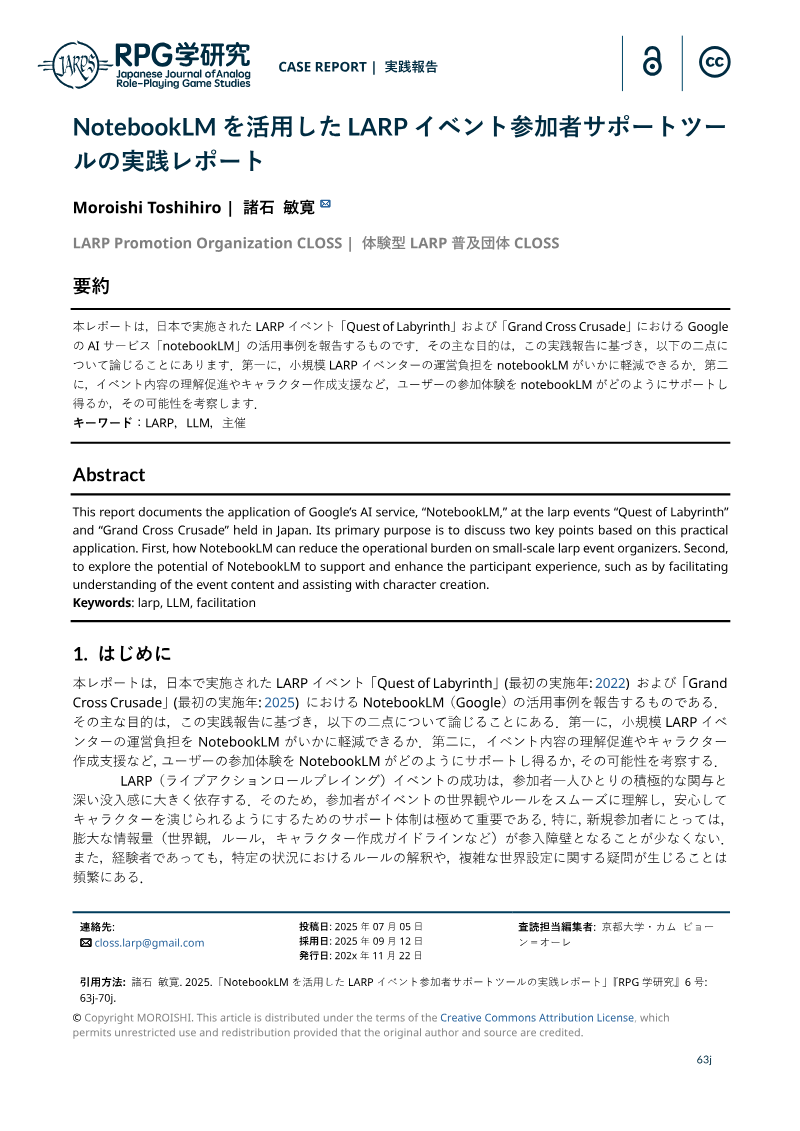
NotebookLM: LARP Participant Support Tool Implementation Report
Japanese Association for Role-Playing Game Studies (JARPS) · 2025
Whitepaper
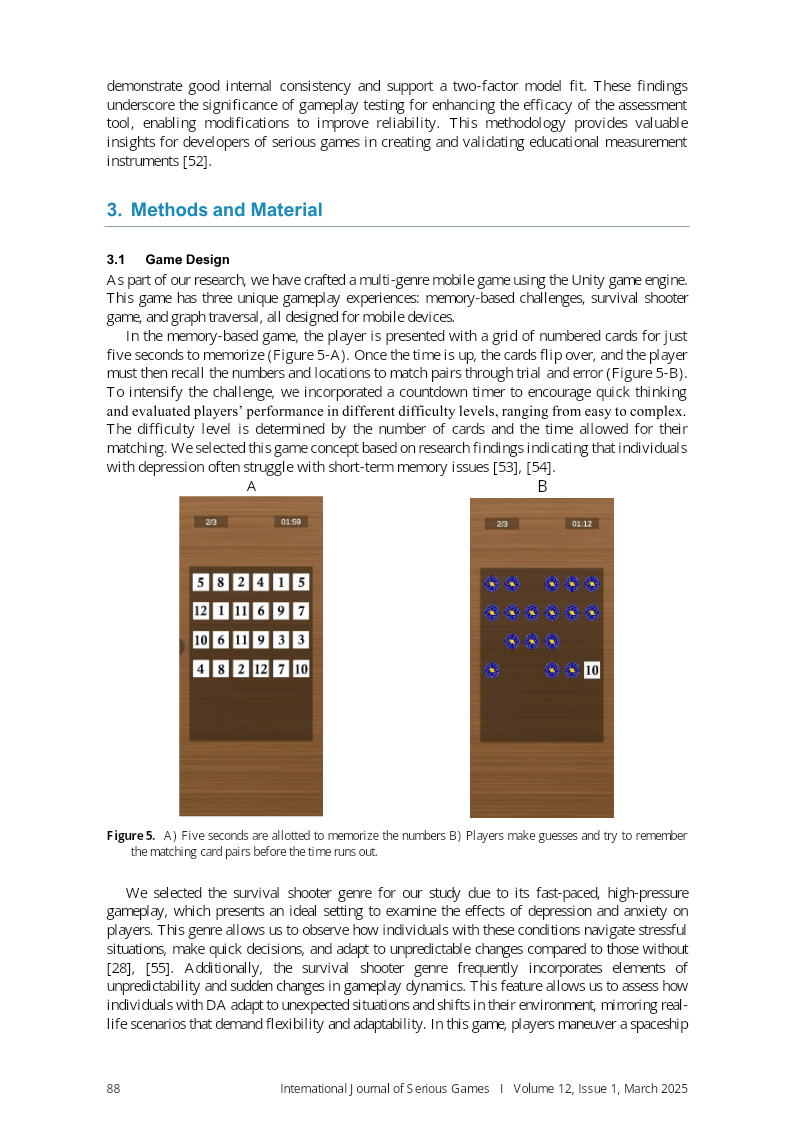
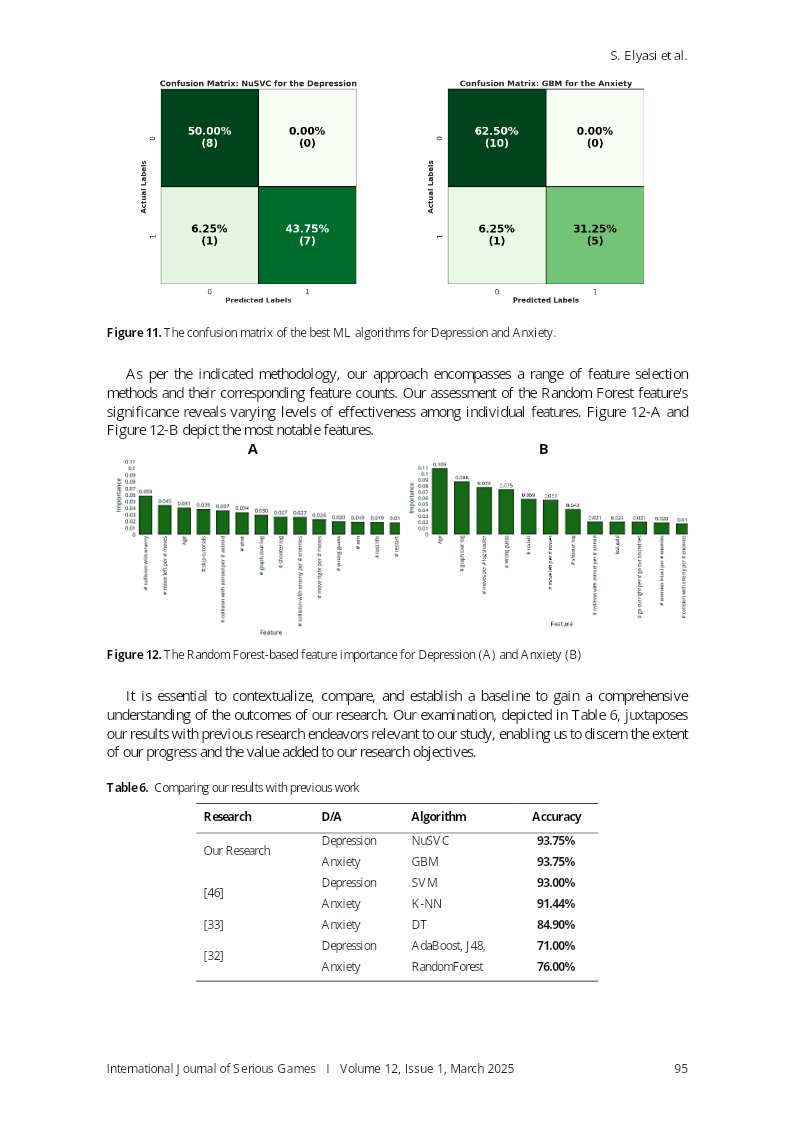
From Play to Prediction: Assessing Depression and Anxiety in Players Behavior with Machine Learning Models
Serious Games Society · 2025
Whitepaper
DEEP: A Model of Gaming Preferences Informed by the Hierarchical Nature of Goal-Oriented Cognition
Institut Jean Nicod · 2025
Whitepaper
Proposal and Generation of Endgame Puzzles for an Imperfect Information Game Geister
Elsevier · 2024
Whitepaper
Can We Infer Move Sequences in Go from Stone Arrangements?
Japan Advanced Institute of Science and Technology · 2024
Whitepaper
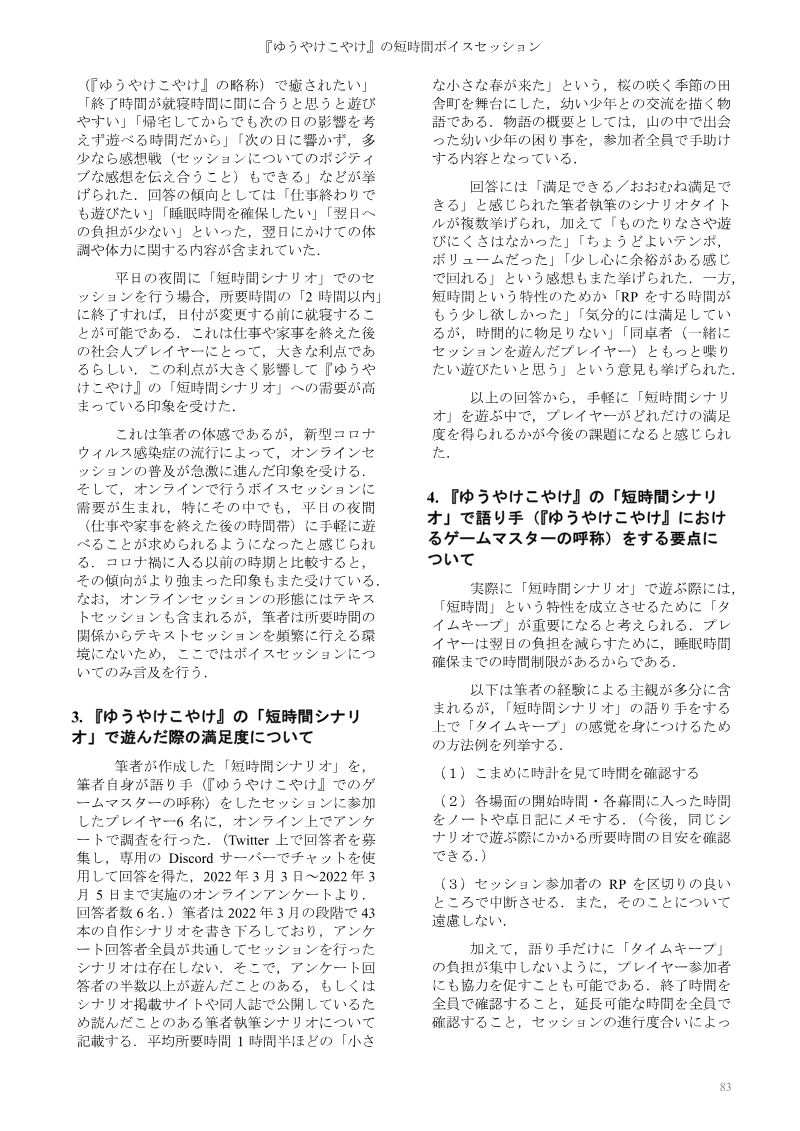
Provozierte Unruhe: Von Störungen und Entstörungen in Among Us
Spiel|Formen · 2023
Whitepaper
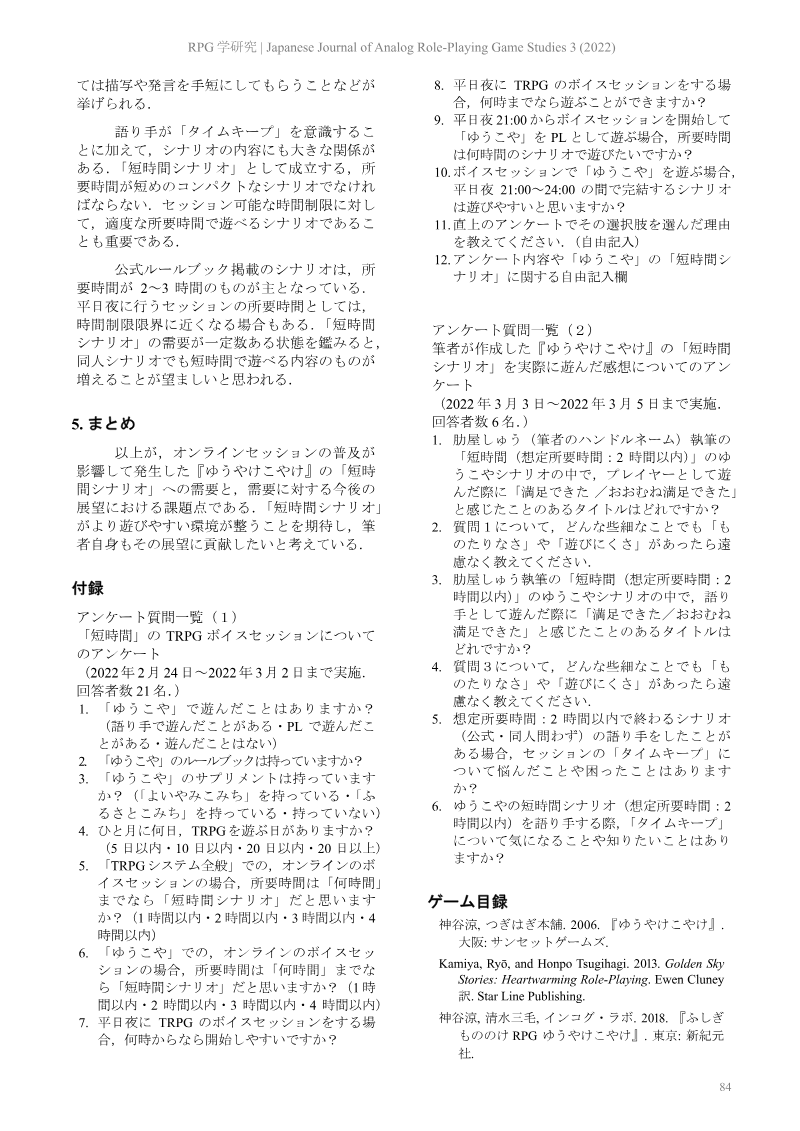
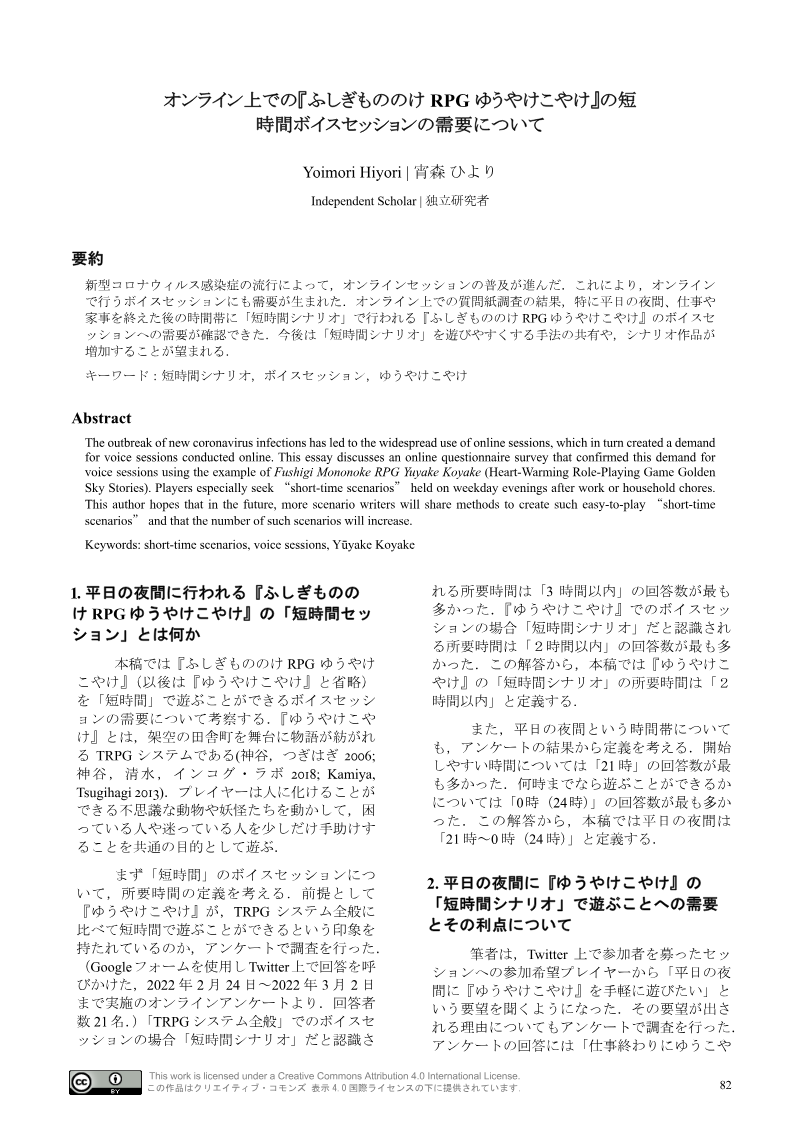
Demand for Online Short-Time Voice Sessions of Golden Sky Stories: Japan
Japanese Association for Role-Playing Game Studies (JARPS) · 2022
Whitepaper
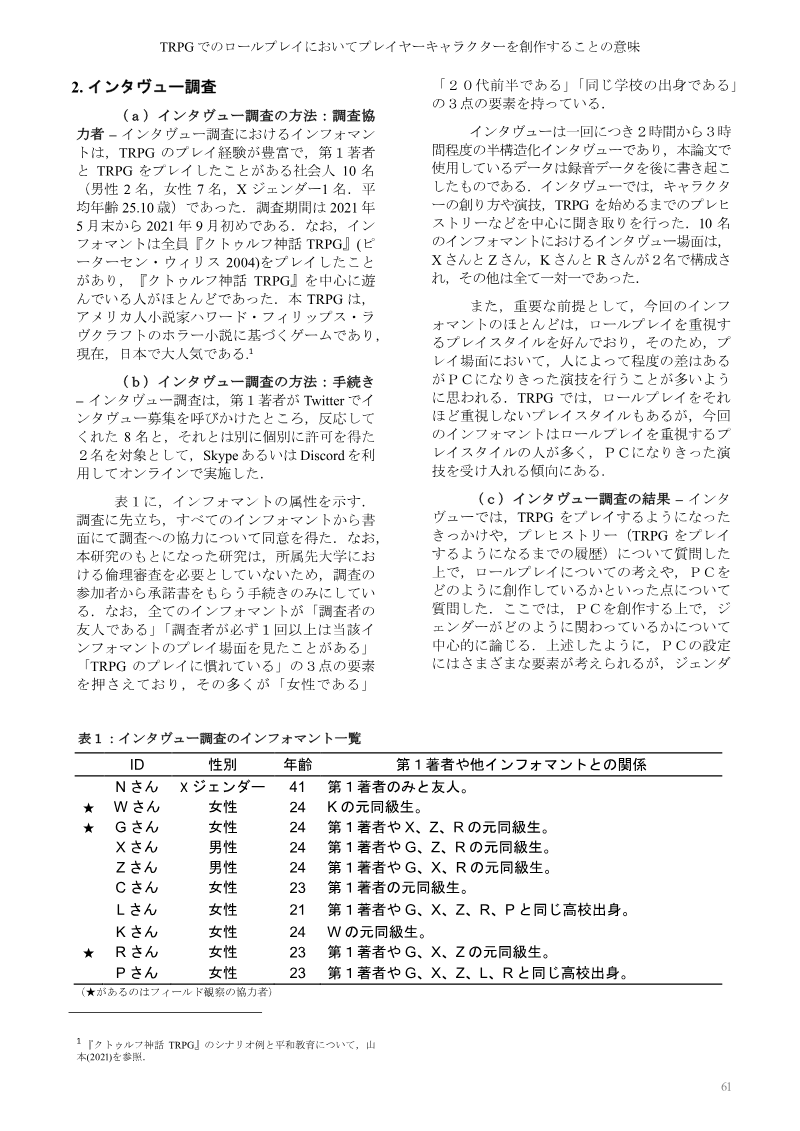
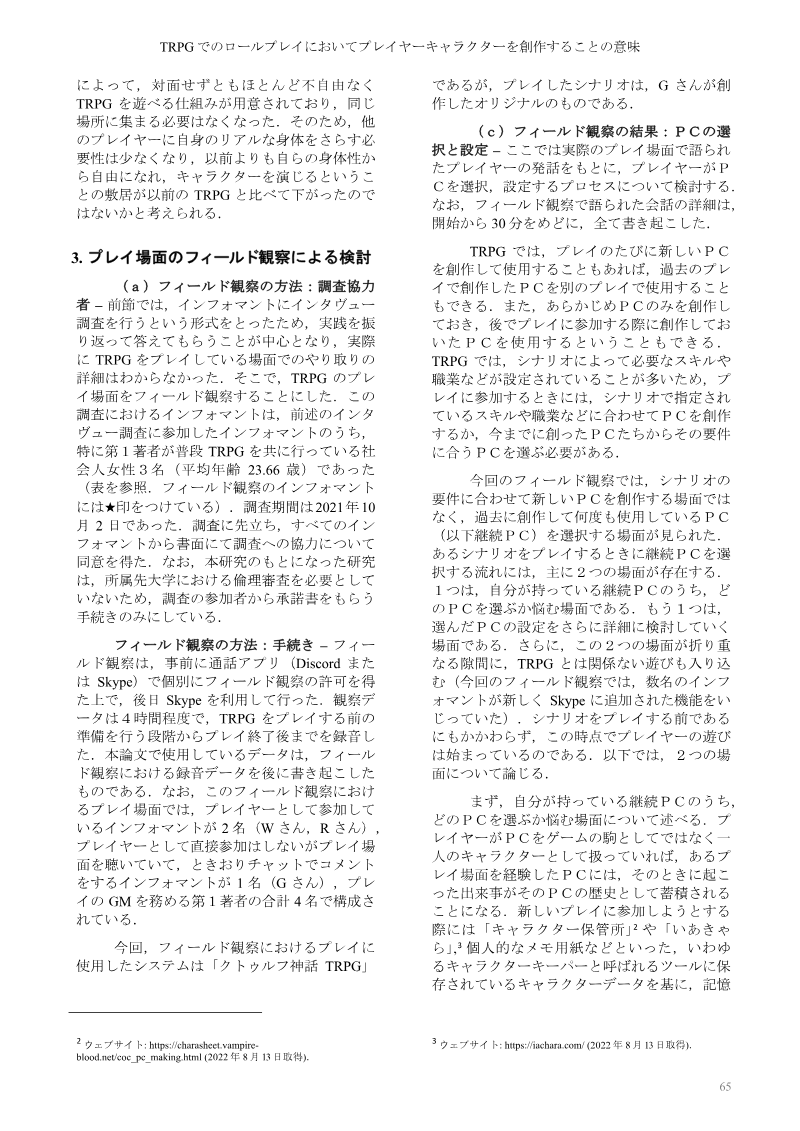
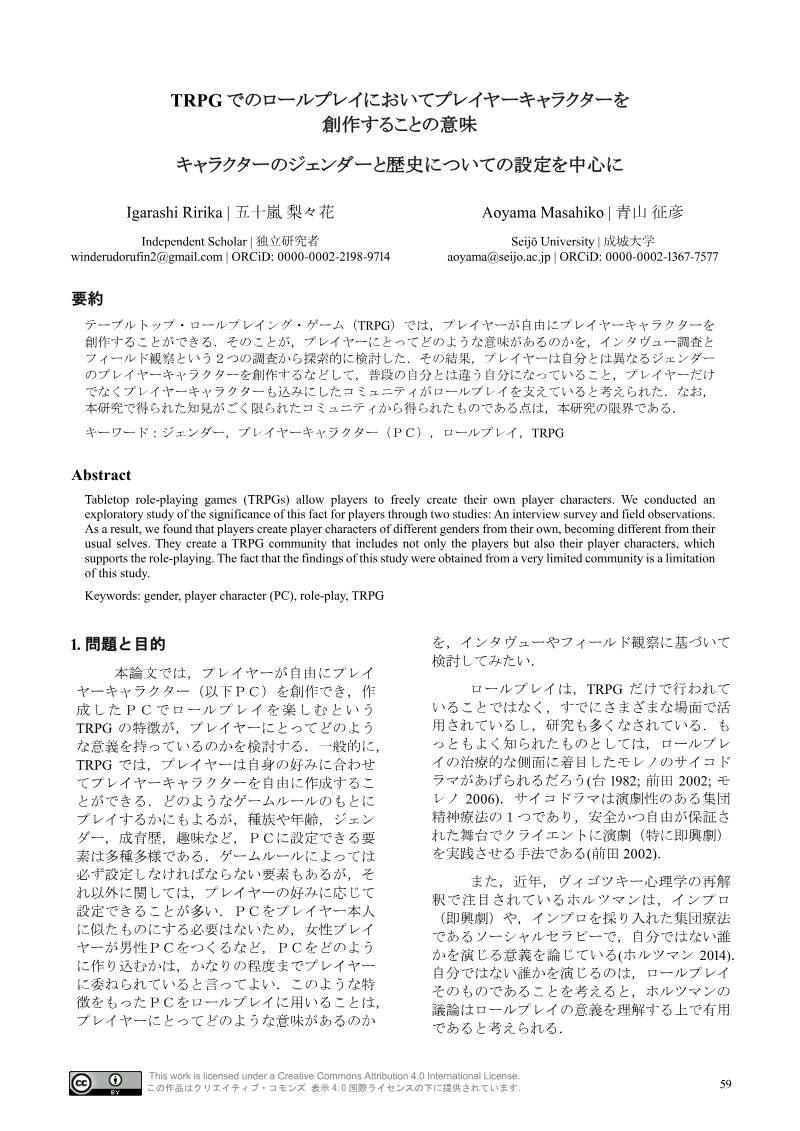
The Meaning of Creating Player Characters in TRPGs: Focusing on Gender and History Settings
Japanese Association for Role-Playing Game Studies (JARPS) · 2022
Whitepaper
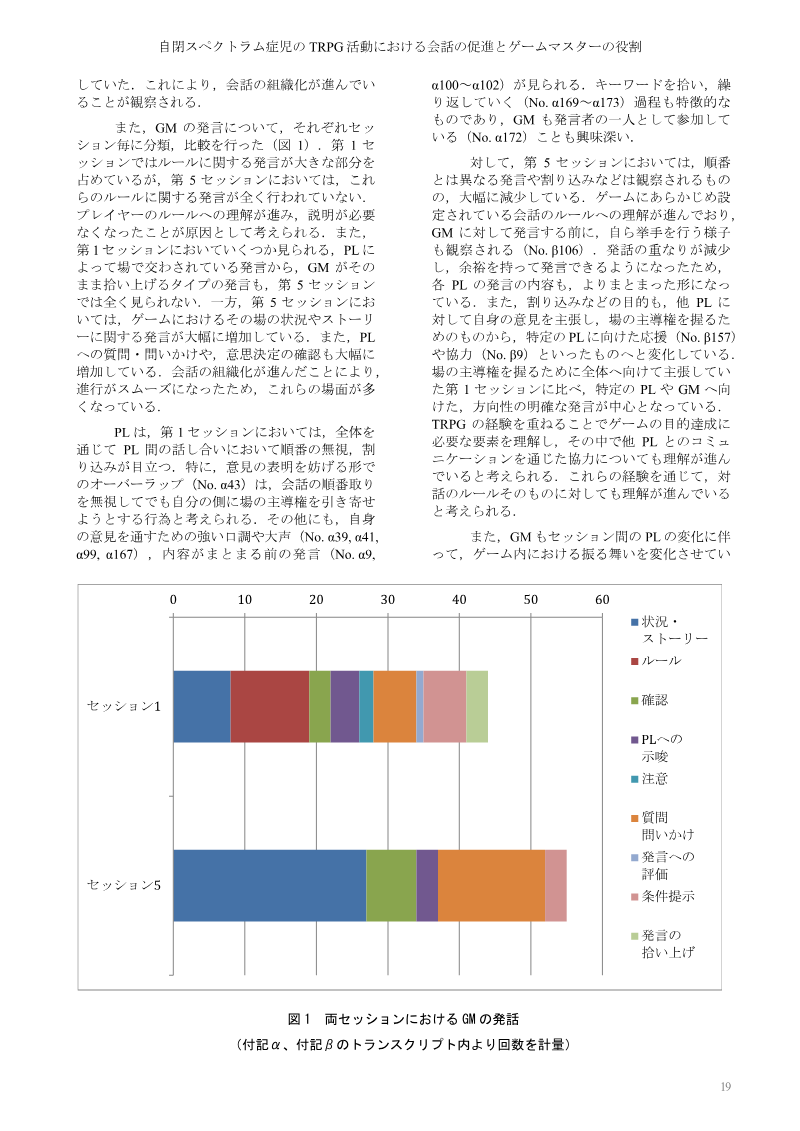
Facilitating Conversation and the Role of the Game Master in TRPG Activities for Children on the Autism Spectrum
Japanese Association for Role-Playing Game Studies (JARPS) · 2022
Whitepaper
Improving Human Players' T-Spin Skills in Tetris with Procedural Problem Generation
Springer · 2020
Whitepaper
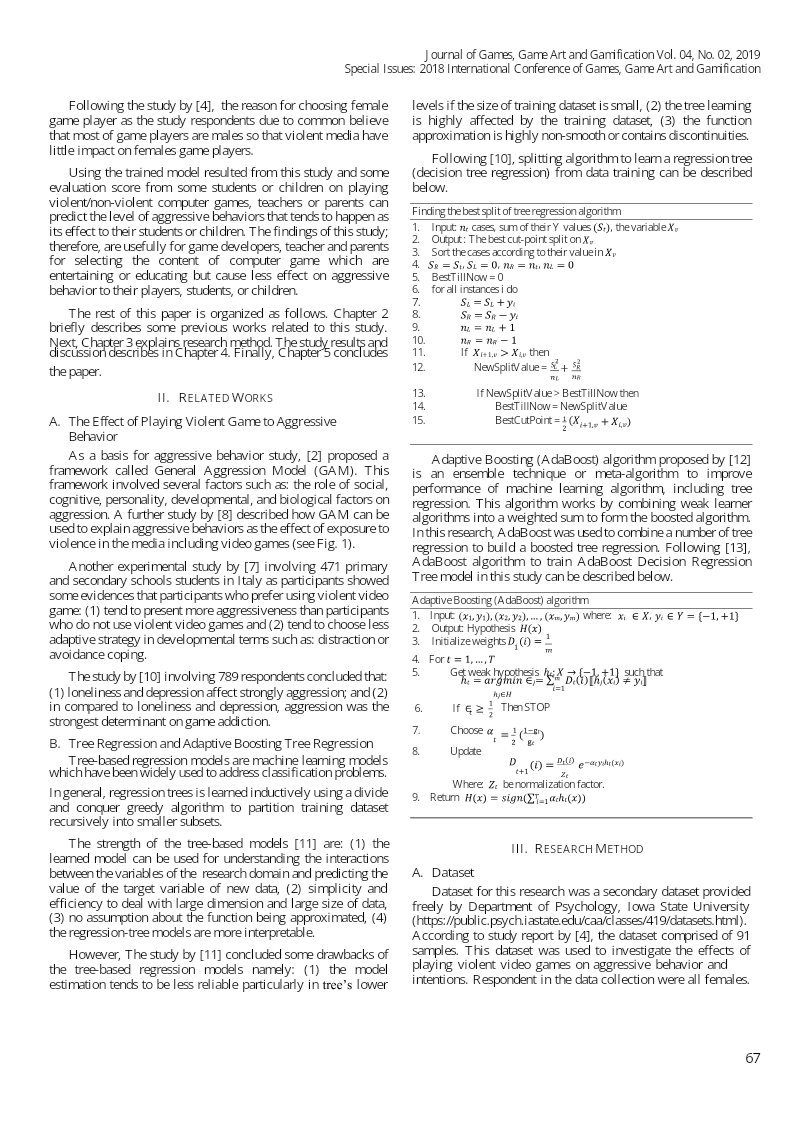
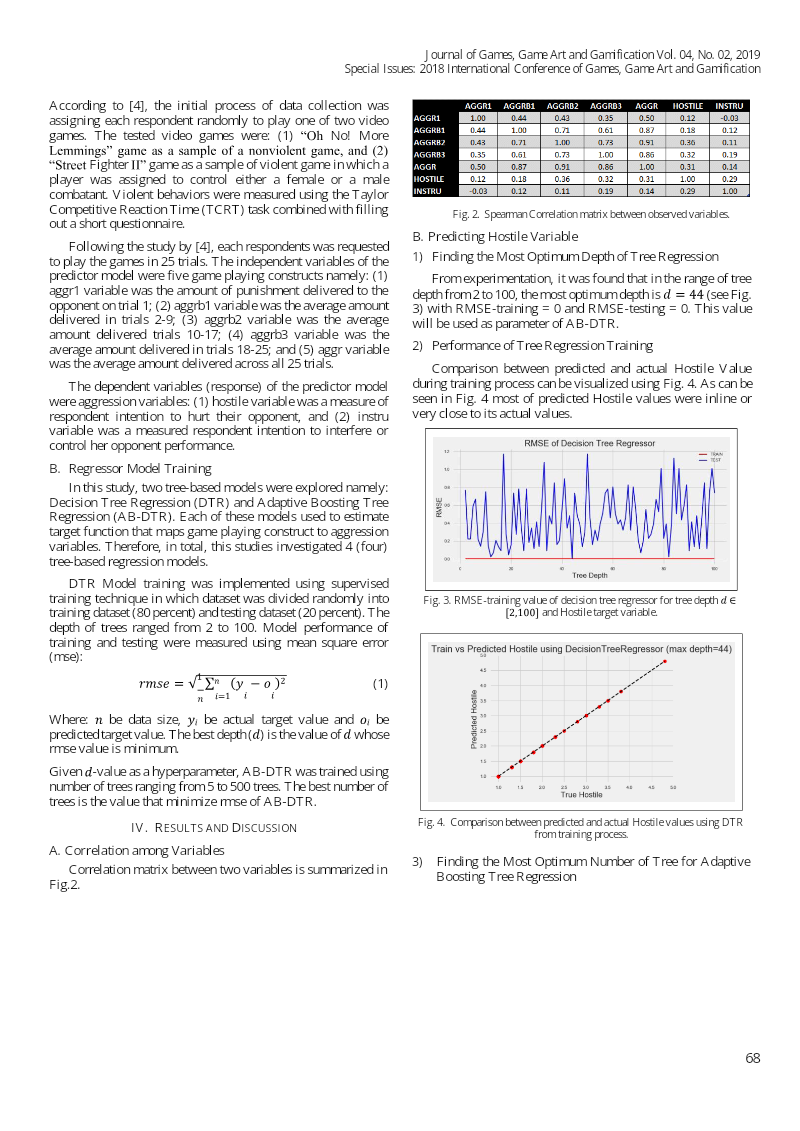
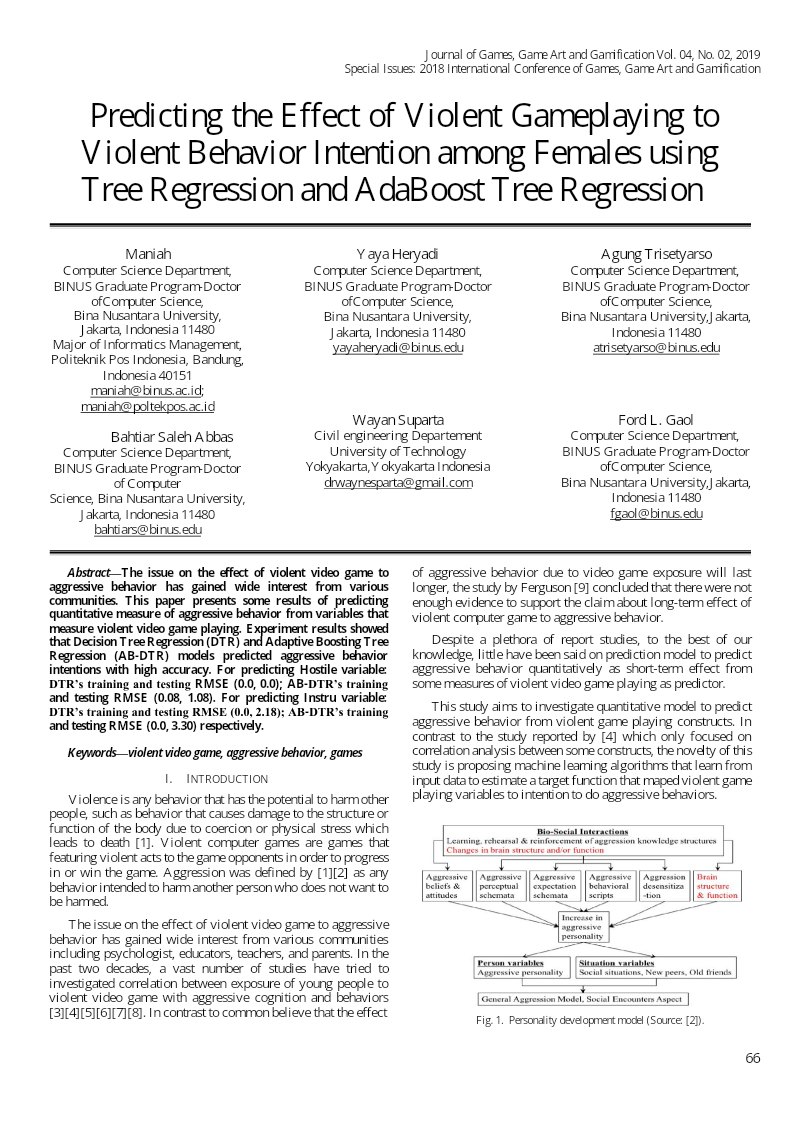
Predicting the Effect of Violent Gameplaying to Violent Behavior Intention among Females: Indonesia
Journal of Games, Game Art, and Gamification · 2019
Whitepaper
Survey of How Human Players Divert In-game Actions for Other Purposes: Towards Human-Like Computer Players
IFIP International Federation for Information Processing · 2017