1 free read left. Create a free account for unlimited reading + AI research.
Create free accountFinancial report Capcom
1 free read left. Create a free account for unlimited reading + AI research.
Create free accountFinancial reportCapcom
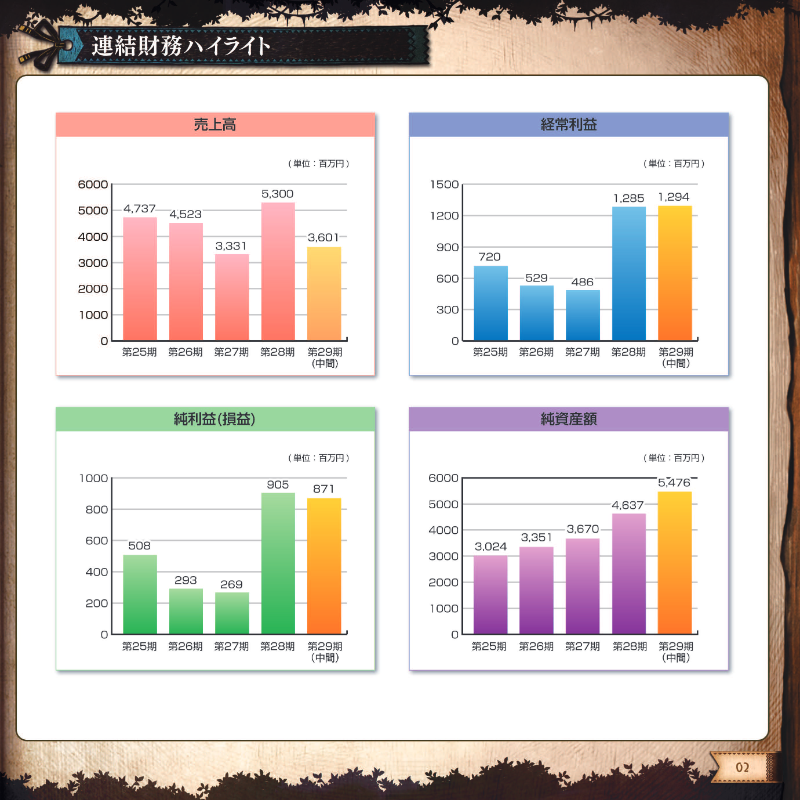
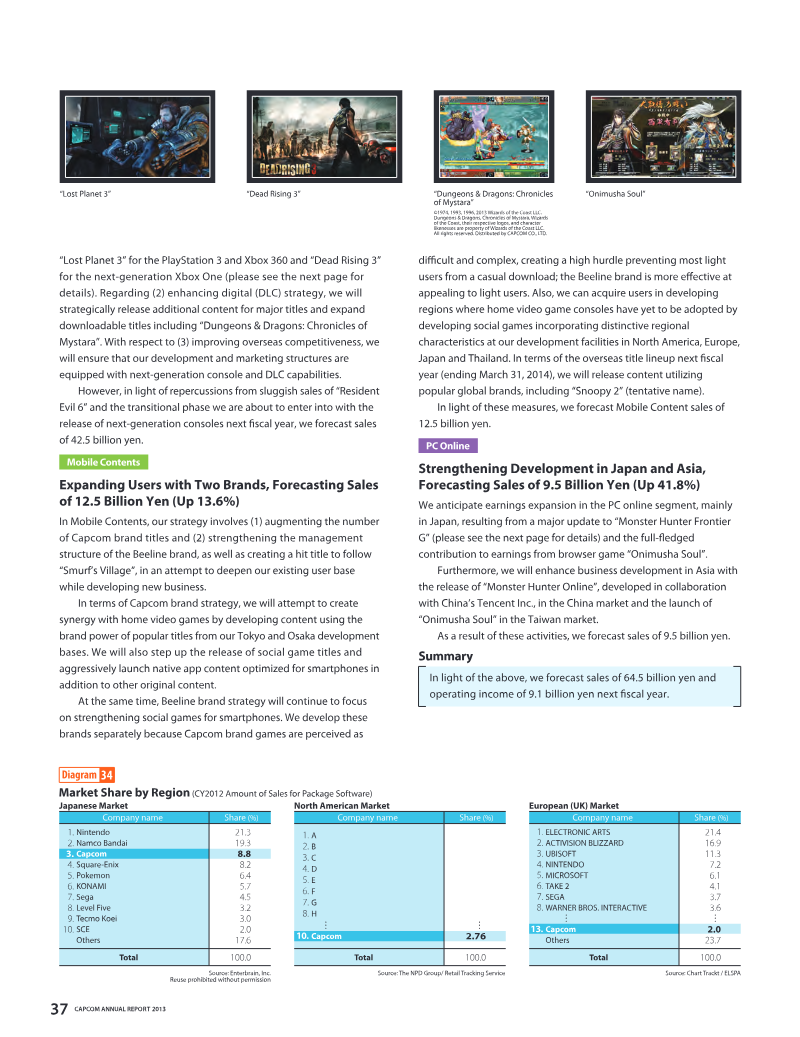
Capcom’s 2009 annual report details a period of robust financial growth and strategic transformation, characterized by a successful pivot toward global markets and multi-platform development. The company achieved its third consecutive year of sales and profit growth, with net sales reaching 91,878 million yen. This performance was primarily driven by the international success of flagship titles such as Resident Evil 5 and Street Fighter IV, which served as critical engines for expansion in North America and Europe. These regions now account for over 40% of total sales, underscoring the effectiveness of the company’s efforts to strengthen its overseas direct-sales channels and local partnerships.
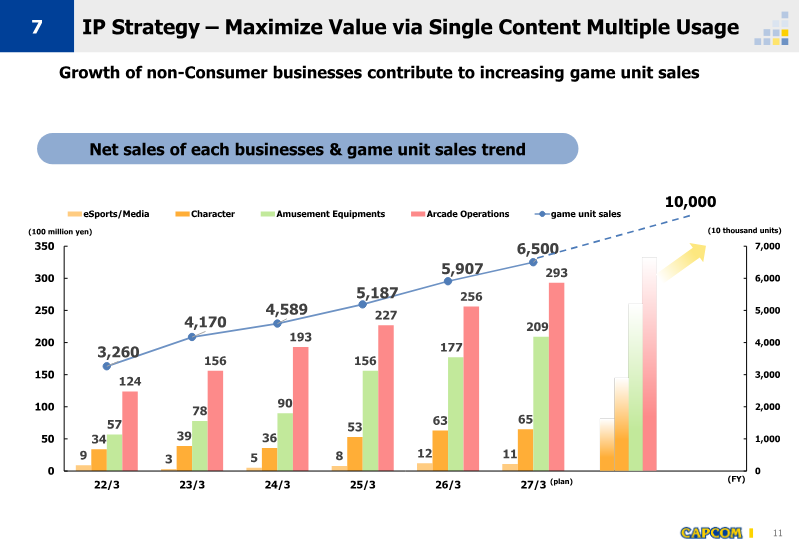
The core of the company’s strategy remains the "Single Content Multiple Usage" model, which maximizes the value of intellectual property by leveraging brands across home video games, mobile platforms, movies, and merchandise. To support this, Capcom implemented significant structural reforms, transitioning to a horizontal organizational development model and utilizing the proprietary "MT Framework" technology to enhance efficiency and reduce development costs across multiple hardware platforms. While the home video game segment thrived, the company faced notable headwinds in its arcade and Pachinko/Pachislo divisions, necessitating a "scrap and build" approach to facility management and a consolidation of manufacturing operations to mitigate economic stagnation.
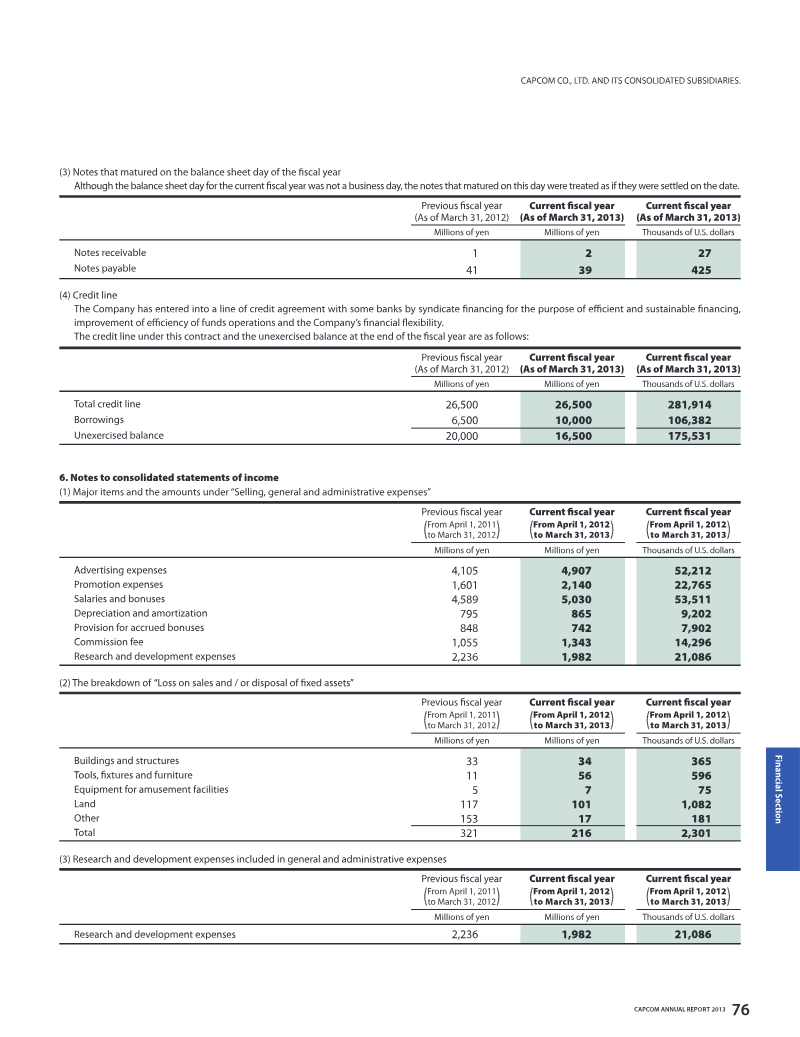
Despite these gains, the fiscal year presented challenges, including a shift to negative cash flow from operating activities and increased exposure to risks such as piracy, hardware cycle volatility, and rising development costs. In response, the company prioritized financial flexibility through increased credit lines and strategic acquisitions, such as K2 CO., LTD., to bolster internal creative talent. By focusing on high-quality, multi-platform releases and expanding its digital footprint in the mobile sector, the company aims to maintain a 10% annual growth rate and a 15% operating margin, ensuring long-term stability in an increasingly competitive global gaming landscape.
Capcom · 2026
Capcom · 2026


Capcom · 2026
Capcom · 2026
Capcom · 2026
Capcom · 2025
Capcom · 2025
Capcom · 2025
Capcom · 2025
Capcom · 2025
Capcom · 2025
Capcom · 2025
The Game Business · 2026