1 free read left. Create a free account for unlimited reading + AI research.
Create free accountWhitepaper Bina Nusantara University
1 free read left. Create a free account for unlimited reading + AI research.
Create free accountWhitepaperBina Nusantara University
Transforming video games into movies and vice versa is a critical strategy.
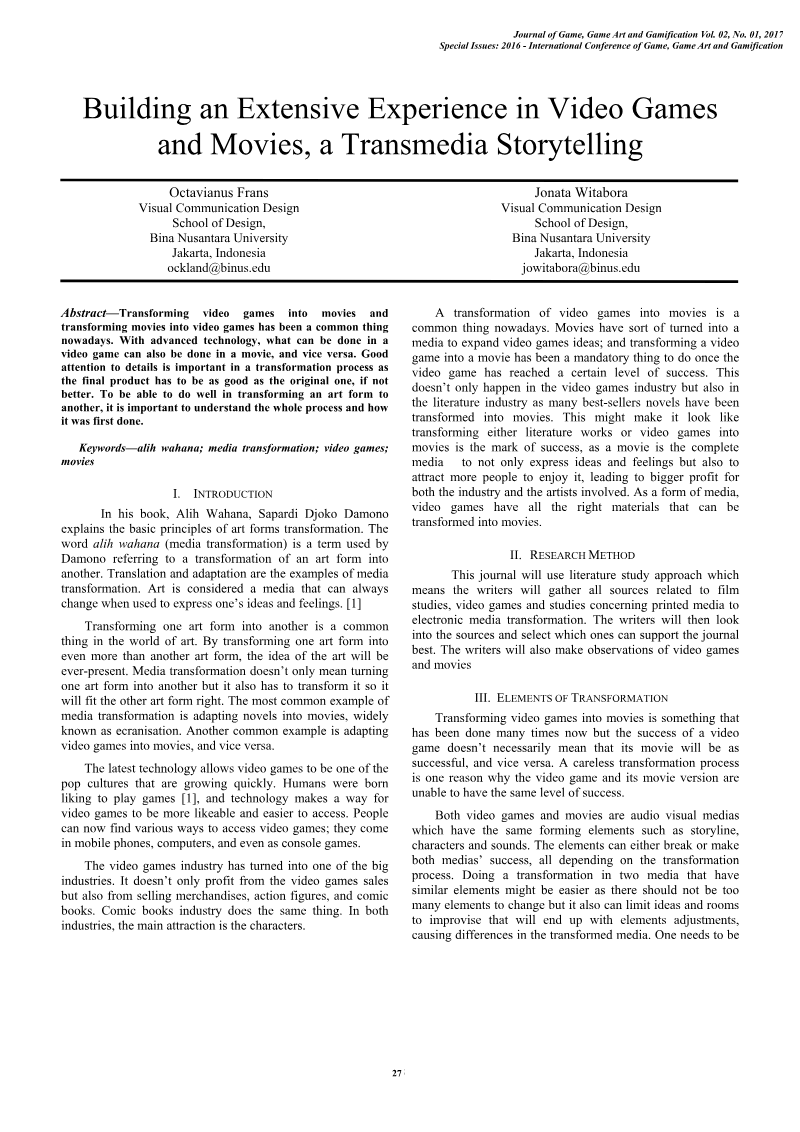
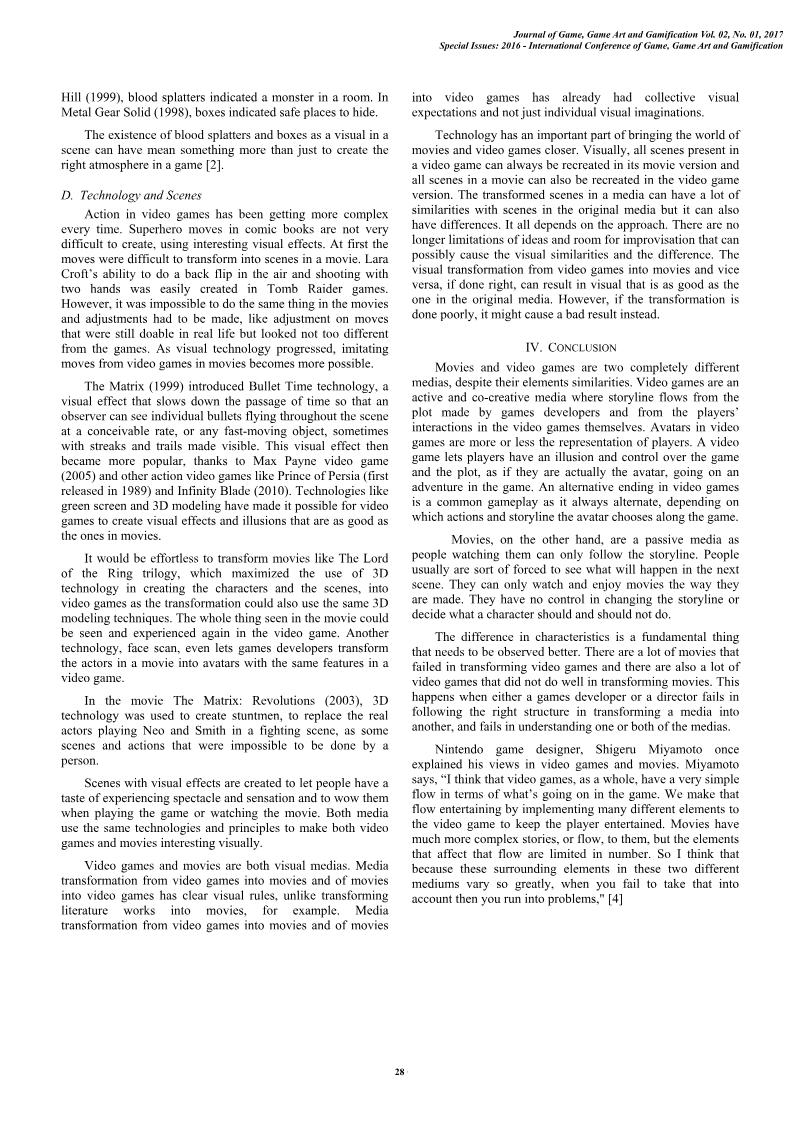
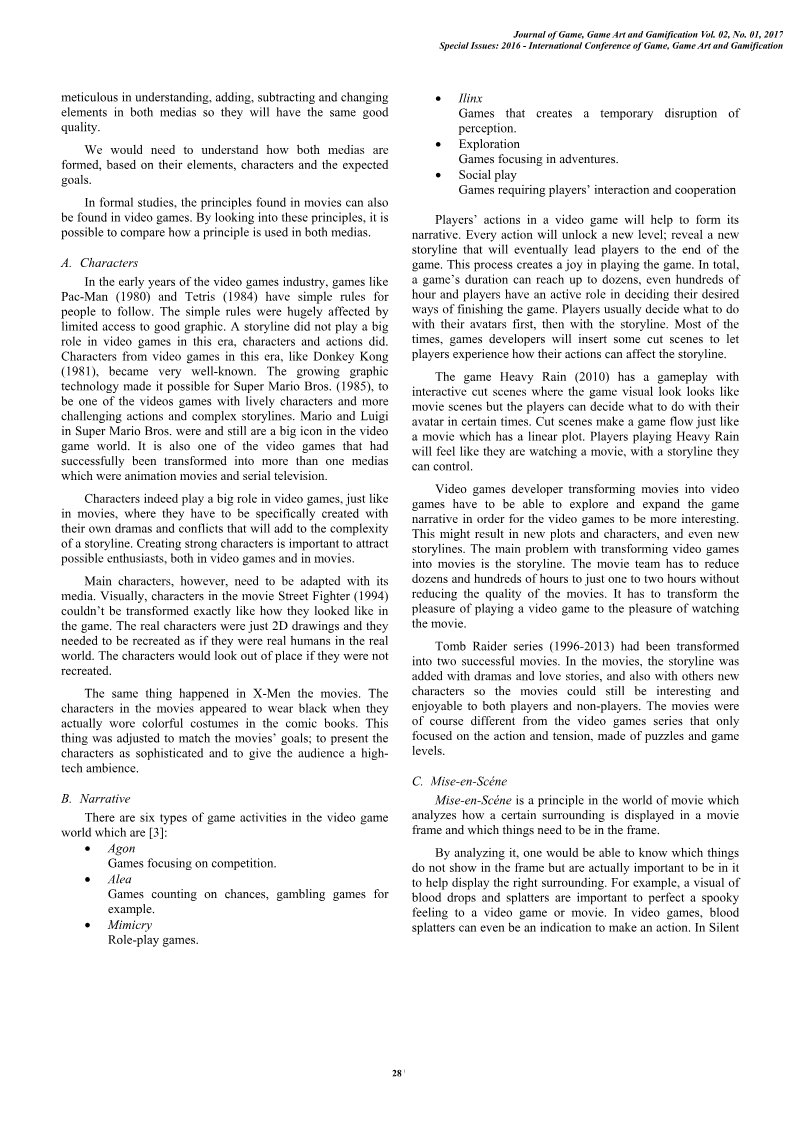
The practice of transmedia storytelling, specifically the transformation of video games into movies and vice versa, serves as a critical strategy for expanding intellectual property and maximizing commercial success. The primary thesis posits that while video games and movies share fundamental audio-visual elements—such as narrative, character development, and mise-en-scène—they are distinct mediums that require meticulous adaptation to succeed. A failure to account for the inherent structural differences between the active, player-driven nature of gaming and the passive, linear nature of cinema often leads to poor reception and diminished quality in the final product.
The analysis highlights that successful transformation relies on understanding the specific requirements of each medium. Video games offer immersive, interactive experiences where players influence the narrative through their actions, whereas movies provide a curated, linear experience. Key challenges in adaptation include condensing hundreds of hours of gameplay into a two-hour film format or, conversely, expanding a film’s narrative to sustain a game’s engagement. The study emphasizes that characters must be adapted to fit the visual and dramatic requirements of their new medium, often necessitating changes to costumes, backstories, or physical portrayals to maintain audience immersion.
Methodologically, the research employs a literature study approach, synthesizing film theory, game studies, and existing academic discourse on media transformation. By observing various industry examples, the analysis concludes that technological advancements—such as 3D modeling, face scanning, and sophisticated visual effects—have bridged the gap between these two forms of media. Ultimately, the success of a transmedia project depends on the creator's ability to respect the unique flow and structural rules of the target medium rather than attempting a direct, unadjusted translation of the source material.
Bina Nusantara University · 2026
Bina Nusantara University · 2025
Bina Nusantara University · 2024
Bina Nusantara University · 2023
Bina Nusantara University · 2023
Bina Nusantara University · 2021
Bina Nusantara University · 2021
Bina Nusantara University · 2021
Bina Nusantara University · 2021
Bina Nusantara University · 2021
Bina Nusantara University · 2021
Journal of Games, Game Art, and Gamification · 2021
DiGRA · 2026