1 free read left. Create a free account for unlimited reading + AI research.
Create free accountSubnautica's Rise: How Charlie Cleveland Beat the Odds in Gaming
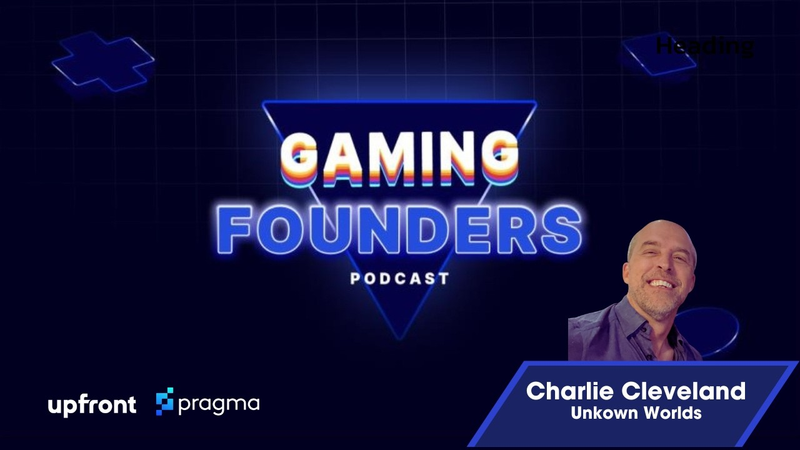
Key insights
6 takeaways- 01Charlie Cleveland maintained creative autonomy by balancing contract work with proprietary engine development, allowing the studio to pivot despite initial publisher skepticism regarding the underwater survival concept.
- 02The studio utilized a 2011 acquisition by Perfect World to secure the necessary capital to complete the development of Natural Selection 2, demonstrating the strategic use of external funding to survive financial instability.
- 03The transition from niche multiplayer titles to the mass-market Subnautica was driven by a commitment to open development, early crowdfunding, and the integration of player feedback into the design process.
- 04Unknown Worlds Entertainment achieved independence in 2021 by executing a full buyback of the studio following the commercial success of the Subnautica franchise, which has sold over 12 million copies.
- 05Long-term sustainability was achieved by separating business operations from creative direction and adopting a philosophy of iterative focus that prioritizes essential tasks over rigid long-term planning.
- 06The studio's experience with Moonbreaker highlights the risks of over-ambitious planning and misaligned monetization strategies, serving as a counterpoint to the success of their earlier titles.
Ask AI about this video
Transcript
We've never [music] had a real big payout, and none of those people have. This might be the time to sell the company. So, just sleep on it. And at first, I was [music] like, "No, no, no. Ted, what are you talking about? We We're finally in the best place. We're independent. We got Subnautica. Like, we're just getting going. Like, this is going to be We got Moonbreaker. It's going to be so great. There's no way we're going to after just getting independent, there's no way we're going to sell, not be independent again." And I remember it was the next day, I just said I just woke [music] up and I said, "Let's sell the company."
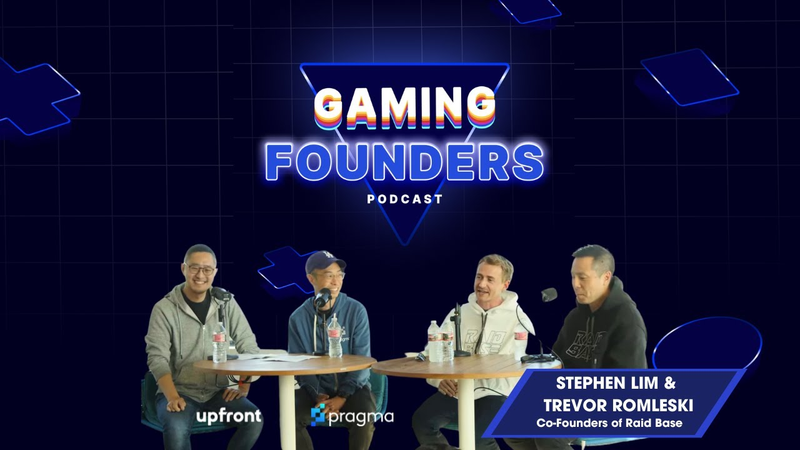
Charlie is the co-founder of Unknown Worlds, makers of Subnautica, which has sold over 10 million [music] copies and hundreds of millions in lifetime sales. Charlie acted as the CEO for over 20 years, but talks through how they got started, survived through multiple near-death experiences to create one of the most enduring indie successes in the games industry. I was blown away by how [music] the need to survive made them innovate in so many different ways, like crowdfunding early access when PayPal
just launched, to being one of the first studios to do open development on YouTube. Charlie is one of my game design heroes, and I'm excited for you to listen to his journey. Charlie, thanks for joining us. We've been uh friends for a little bit, and uh you've been a someone I've really looked up to from a game design perspective. I've been following Charlie's blog uh Making Fun for for a long time, and um just learned so much about it. What was your early story? How did you get into games?
I guess I always was into, you know, Dungeons & Dragons and and uh old, you know, arcade games and NES stuff when I was in high school. And I feel like a lot of designers, you can trace their their path back to Magic: The Gathering, and I'm one of those people. So, I discovered Magic. Like, almost every origin story I hear is is half the time, at least, it's Magic. It's kind of amazing. Um So, yeah, I played Magic in college and
I pretty much focused more on Magic than I did my studies. And I was in I was obsessed with that game and I played it for a long time and I think I just always loved games and I knew I wanted to do something with computers. I studied computer engineering and then uh during our summers, my old friends that I used to, you know, game with, you know, playing our paper RPGs and all that stuff from high school, we those guys we would all rent a house together. Uh you know, I grew up in Vermont and so we'd rent a house in Burlington, Vermont for the summer and we all had a goal that we just wanted to make a game. And we did that maybe three summers, maybe four, probably three. And pretty much never had a game at the end of that summer, but we learned a ton and this was, you know, back in like '94, '95, '96 and there was like no you know, there's no school, no no no academic programs. There's pretty much only one book that I remember that had anything to do with game programming, which was I think it was the Abrash book.
Michael Abrash book on graphics programming. And there was barely an internet. I mean, Usenet, I mean, internet was coming online for sure, like whatever, '94 or something like that, but it was just
all dialed up at the time, yeah.
Yeah, it was like there we just had you had to figure it out. Like there was no way to do it. And even 3D games were really rare. Like I remember Tomb Raider and I think it was Mario 64 were like the first 3D
That's that my first
Nate, Descent? Yeah, same era. That was maybe You're right, Descent was a little earlier.
Yeah, so we were just trying to figure out 2D and 3D and we just like basically just sat down, locked ourselves in a room and and uh and tried to make a game. And after a couple failures, the third game, yeah, after the first two summers, I think we had nothing. My friends were actually not working as hard as I was, I have to admit, even though they're still good friends. They were not really as obsessed with it as I was, although a few of them have I've gone into video games and done quite well. Um But, yeah, we tried a couple 3D games like a Tomb Raider style, you know,
female adventure protagonist action adventure game. And then we eventually just said, you know what? Let's just make a Star Control clone. And we'll make it, you know, all in an in aquarium like a like someone's fish tank. And so, we like used clay and we had like a really crappy webcam and we like did a stop motion with that, you know, making little figures and animating them. And a few weeks later, we had a game working and it was that first playtest of playing that game against my friend for the first time like where I wasn't programming it, I was actually playing it, looking at fun, looking at balance, thinking about how to win. It was such a magical moment to go from from building to fun. I just I'll never forget it. I It's like burned in my mind. And I couldn't get I couldn't wait to get back and make changes to the game and try it again. And I feel like that's where I got really hooked.
So, did you already form So, did you form a company already at that time? Or this was just side project?
It was just I So, I had it was in between college semesters like during
the summer. And then after I graduated, the final summer, we're like, "Okay, we can try this one more time." And so, I was supposed to be looking for a job, you know, computer uh software, you know, programming job. And I had actually had a good amount of experience programming for companies then, but nothing in games. And then by the end of the summer, we had failed again. And then I just said, "Let's just go a few more months." I think we went like a month and a half to make this the Star Control clone. And I was completely out of money by probably January, December, January. And I We We had made a game. And that game I used That was part of my That basically was my portfolio. And I moved to Boston and got my first contract game programming job. And then it just it just grew from there.
I see you very much as like this design savant. Like, how did you go from game programming over to that side of the discipline? Like how did you master that?
Well, thank you. I'm definitely no savant. I I know that. I'm not at all, but I appreciate that. Um I just like uh I guess I hadn't even thought about game design, really. It was all always about programming and
building stuff. And I'd worked on Grand Prix Legends at Papyrus, which was like one of the first big racing game companies. And I totally hated it. There were like NASCAR tires on everyone's desk, and it was very bro. Like I don't know. It's NASCAR culture. I mean, there were nerds into NASCAR, but it was still NASCAR. So, I hated that. And I was working on these horrible tools back then, but it just wasn't a fit for me. And then, but I did that for a few months, and then that was a contract gig for tools. And then, I got a job at uh this company called CogniToy, which was a startup outside of Boston making a programming strategy game, which was very much up my alley, called that was called Mine Rover. Really learned a lot. That's where I started learning about like UI design, and game feel, and like really just getting into the fun of the game. Like try How do we make this game fun? And you know, what do we include? What don't we include? And then, went from from there got hired to work on Empire Earth, which was one
of the early 3D strategy games, RTS games. Um one of the Age of Empires uh co-founders broke off and wanted to make a 3D version of Age of Empires, but it wasn't Age. It was a new IP. Uh but spiritual successor. So, then I did that, and then um right after that, while I was working there, that was when the Half-Life mod revolution was happening. And uh I played Counter-Strike, and I was obsessed with Counter-Strike, and I realized, "Oh my gosh, there's an engine I can actually use now, and it's free. It's my copy of Half-Life." And start working on Natural Selection, which was a first-person shooter real-time strategy hybrid. One of the first, actually. That was like a really daring project. And then spent all my money that I'd saved up again, made that made that game, released it. Was It was weirdly popular. Like it was the third most popular mod. Like there was there was Counter-Strike, Day of Defeat, and then Natural Selection was tied with Team Fortress Classic. So we it got like a lot of
people to play it to play it. And then I was super
it you just you did all that yourself?
That one, so I did all the programming. I think I did 100%. Maybe I did like 95%. I That That was during that time is when I met my would-be my future co-founder Max McGuire, who is still the best programmer I've ever met. Um he's absolutely amazing and a wonderful partner. So I had met him. He was working at a company called Iron Lore on a game called Titan Quest. He was their first employee. He had just graduated from Carnegie Mellon and was super programmer. He had already written like a handful of engines in high school with his brother. His brother Morgan McGuire is also an amazing programmer. He heads up I think he heads up development for Roblox now. He's written all of these graphics break papers for SIGGRAPH and they're both brilliant. Anyway, so I had um I basically just worked I spent all my money to to you know design and program this game and basically prove myself
because that last job had not worked out well for me at Stainless Steel and I just had like a a chip on my shoulder and I wanted to prove myself. I wanted to show the world that I could design a game and I would sacrifice pretty much everything to do that. And so I locked my room my myself in my room for 18 months and I'm really not kidding. I mean there was no lock, but I did not do anything but program and make that game and find people to help. And that's actually that's where I got started with the early access model because I didn't have any friends that would that could help on the game. We didn't have any I didn't know anyone that could make levels in I guess it was Hammer back then. So I I just was posting any intermediate work that we had I would post it on Planet Half-Life or you know, various places around the web and just ask people to make levels. You know, here here are the textures that Corey has has made. Here's a document like a Word document or something describing what the level what the game will play like and how the
level should be designed. And do you want to help? And it was just an open call. Um and I actually had released a like a um like a really small mod that put that all together including some tools for like um for editing particle systems cuz because I knew the game needed to be really atmospheric or I wanted it to be atmospheric. So it had some music and it was just enough there was nothing playable but it was enough to have a framework that people could build maps for. And some of those people we eventually hired. They you know, some of those people are still at work at Unknown Worlds today. And that was over 20 years ago. Probably 22 years ago. So what was the question again?
Well so actually can you walk us through then you know, the founding of the company, the initial crew, how do you you know, like you mentioned your your now co-founder, right? Um is it just bootstrapped? Did you you know, seek out capital at the time?
Yes to all those questions. We uh released Natural Selection 1. Max was play testing it at his company. He was the first person to play ever play test
it. And he gave great feedback and we [snorts] really clicked. And but I he said that I wouldn't let him program on my mod which is hilarious. It's like not letting John Carmack help you with your game. It's like so ludicrous. Um but I was being really protective of it uh for better or for worse. And released that game, kept working on it but was out of money so released a asked the fans cuz we did have traction, right? We had we had real players. We had around 300,000 players. So and we had yeah, it was it was kind of amazing. Like it I I don't know you can't do that today. You can't just release a game and I mean I guess you can get super lucky, but it's pretty rare to release a game and have that kind of you know, pick up. So, I had asked players to donate if they wanted me to keep working on the game. And by that time we actually had a whole team. They were all part-time, but we had like maybe three or four level designers. We had actually hired Let's see, we had
a sound person part-time. These are all people just contributing for free, you know, like a moonlighting. And then we'd gotten Jeremy Soule to do the main soundtrack, which is hilarious cuz he's a huge composer now. I think he had done Icewind Dale back then, but he was still
it's you know, reachable. And let's see, Corey was working at Stainless Steel still. He was our our lead artist. He did all the textures and you know, essentially art directing. And then I can't remember where the models came from. I think they were all community made. People just Yeah, I don't remember exactly who. Anyways, so I had asked for donations like if you want the game, if you want us to keep, you know, releasing updates, which the game really needed as a as a multiplayer only competitive RTS FPS RTS, it needed ongoing balance. It needed new maps and modes and all this. And I had hit zero financially. So, I asked the community for donations and this was before PayPal.
So, people were sending me $20 bills. I asked for $20 specifically, you know, send me $20 in the mail with your Steam ID and we will give basically programmed a little tiny little back end thing like a just a web a web fetch page that basically all the servers would access when you when they started the servers and they would display a constellation icon, which is the supporter icon next to the names of people that had sent in their 20 bucks.
So, it was it was just enough to get people to contribute. I mean, they wanted more, but I think that that little badge of honor was really was significant for them. And I made like 20K a year. That was enough to just pay pay my bills. That was just enough. And was totally hooked. I wanted to make a commercial sequel somehow. I would I just wanted to make my own games. I hadn't really thought I don't remember if I'd ever thought about starting a company. I'm sure even in the beginning of Natural Selection 1 days, I'm sure it
was in the back of my mind. But I never thought I'm going to make a mod and then commercialize it. That was never an explicit plan. So, I did move Let's see. I moved back to back home for 6 months with my folks, which was really amazing of them to let me do that. Basically to avoid rent and expenses while I let that 18K or 20K, whatever it was a year accrue, which was it got me back 10K. Not paying any taxes back then, which is hilarious.
[laughter]
Cuz if I paid taxes, it would no longer be enough to live live off of. It was just [clears throat and snorts] But anyways, had to go back and pay it later. Of course, I did with all penalties, but I just think it's funny that I didn't pay taxes for like 2 years.
[laughter]
Delayed taxes and face the penalties.
You pay The penalties are brutal. Like I'm I I'm sure I paid double overall, but it was still worth it.
Yeah.
Totally worth it. Took a loan from the government.
Took a loan
Exactly. [laughter] The banks The banks back then, they didn't give loans.
No.
Interestingly, that was one of the first things I tried and I could not get a bank loan, which is funny because if you look at how that investment would have a you know, how it would have grown over the years, it would have been a great I mean, I guess they don't work that way, but anyways, they definitely would have gotten their money back eventually if they'd waited long enough. They just had to wait like 20 years. Um
[laughter]
which is probably not the business they want to be in. Anyways, so I'd saved up about 10k to I knew I want I you know I knew I wanted to go to San Francisco. It was I loved coming to the Game Developers Conference. I'd gone there a couple times and I just loved the energy of the Bay Area. I loved the sun, which is hilarious now because now I think it's cold. But, um,
Go SoCal.
SoCal is so much warmer like yeah. Anyways, I can't believe I ever thought San Francisco was warm. I've become a total wuss right even after growing up in Vermont. Anyways, I saved up 10k. My dad gave me 10k, which was life-changing. So, I had 20k and I did a spreadsheet for
how how long can I survive with the constellation donations, which will probably be amortized over time. You know, they they will be decreasing slowly in some way. So, how long can I last where I use that as my budget and I calculated my my food budget super mercilessly. I was vegetarian. I can't remember if I went vegetarian for that reason, but it certainly kept me vegetarian because I lentils were super cheap and I remember I could buy cilantro for 39 cents at my local market and I could buy beans there for like $2. And I I I kept I still have the spreadsheets of my my expenses. I I did not drink lattes. Lattes were complete indulgence. Meals out were 100% off the table. Never ate a meal out. And had no health insurance and no car. And that's how I started.
What do you feel like kind of drove you? Is just like the love of
making games? Cuz like obviously that's a lot of sacrifice.
It wasn't that's what's funny. I don't remember feeling like I was sacrificing. It was a truly exciting time. Moving to California, I lived in the Haight. I had cookie fun neighbors. They helped me in all sorts of ways. I met new friends that they would take me out to dinner, you know, and which I would repay later, but it was wonderful. People just stepped up, like it was just it was tremendously exciting. I know there were there were huge stressors when we ended up by finally hiring well, not finally, but before Max joined the company, I knew that I needed a better programmer and more programming help to kind of get us trying to lay a framework. I didn't want to just make a game. I wanted to build I don't want to say a platform, but I wanted to leverage some infrastructure to build some momentum in our games long term, which was a terrible idea back then. And I hired someone that I couldn't afford
and I paid him off my credit cards. So, he was like five or six K a month and I just did that thinking that I would get some momentum and, you know, if I'm shopping around shopping the company around to investors, you know, you have that essentially a business plan when you have like the faces on the front and their backgrounds. So, I had found someone that I thought would like that would fill that out really nicely and be part of the presentation for investors. And so, I I did have a lot of financial stress after a year or two, it got really bad. I had you know, maybe 60 or 70 K in debt.
Jeez.
And that was that's brutal, all on credit cards. And I did the
That's some high interest rate right there, yeah.
It was high interest rate and it was it was not really whack-a-mole, I don't know what you call it, but it was like as as this as this credit card got too high, I would basically get a new credit card that would offer me 0% APR for three months or six months and then move everything over there, screw that credit card, then that would build up for a while and then once that 0% changed, I'd
get another credit card. I just kept doing that. So, I probably had eight or 10 credit cards by the time I was done. And it got to be a tower at like it was like tower of cards at the end and when we did finally shop all this whole proposition around base you know our our pitch was we have a we have a mod it has traction we have 300,000 players now we want to make a commercial sequel angels please give us 200k or 300k and we'll you know that was our pitch. When we finally did get our first angel investor the first thing I had to do was pay off that debt which is miserable because you raised 250k and 80k's gone. So
What was the what was the investors scene like back then like you mentioned angels like what
Sparse.
Okay. [laughter]
Real sparse no one would have back then it was rare to find people investing in game companies.
Yeah.
Angels would do it VCs wouldn't touch it. The whole VCs just they wouldn't even take a
meeting not that I knew not that I knew how to talk to a VC or pitch to them or understand their industry at all so I did I never I think I was too shy to pitch at any of the angel events they had like band of angels was back then
Oh yes
Yeah they still around?
I don't
I don't think so not that I I don't think [laughter] so yeah.
I think I was too shy to pitch at those events so I would just write them write individuals and if someone might introduce me to someone that knew someone and try to get a meeting and I remember that's when I had convinced Max to join or he had just decided he wanted to join and he had he had moved out let's see well there's all there's a bunch of bootstrapping that happened in there this is a very long process I moved out there in 2004 I actually did contract work and bootstrapping and made a small side game uh we made Max came out we did some other we did this like Lua debugger and we licensed that to a a
bunch of game companies actually made a couple hundred K which was great but it was a long process of even getting to the point where we had anything that we could show an investor. We had, you know, we've gotten rid of that not gotten rid of, but we stopped working with the person that I had to pay five or six K a month. Max was working for free cuz he had some money saved up. He was now a partner. We had co-owned, you know, equal everything. And our first pitch, I remember we we invited a couple they just basically rich people that like to games that were affiliated with Band of Angels. We invited them to my Heat Street studio and showed them a really bad Well, it wasn't a bad demo. It was actually a pretty impressive technical demo of the dynamic infestation. If you Google if you go on YouTube and and and search for like I don't know, Flayrah dynamic infestation. We We had released that video which showed like our core our our future major feature for Natural Selection 2. And it was surprising the internet
jumped on it. Like it hit number one on Shaq News or whatever it was back then. Like you could back then you could release a YouTube video and people just watched it. It was amazing. Um anyways, we showed that and we invited these two investors over and my neighbor had he baked uh chocolate chip cookies
[laughter]
for them. It was so ridiculous and adorable and the entire studio smelled like chocolate chip cookies when they showed up. Which I think is great advice if you want to woo an investor.
Yeah, [laughter] yeah, yeah. They eat consciously like I like these guys. I want to come back here.
They're so nice.
I'm watching this dynamic infestation thing by the way, 18 years ago on YouTube. Amazing.
go. That was Max. Max built that all. It was a pretty amazing feature because it was um it was a you know, a shooter 3D engine
Yeah.
where we're just morphing the terrain dynamically to make it look all gooey like like Zerg creep
Yeah, And looks good now. We're just
saying.
Yeah.
We went a lot further, but yeah, it's really funny that's still up there. That was my biggest regret looking back is not starting a YouTube channel. Or I should say we started one, we didn't stick to it.
Mhm.
And even then we were getting 20,000 views on our dev log updates. I'm like, where would we be now if we had just kept up with that? But anyways, so we got our first investors, and then that led to let's see, our first major Yeah, we I think we'd raised 200 or 250k. And which which led us get a small office in Soma, really cheap. We bought some IKEA uh death you know, desks and furniture. Hired a couple of our part-time people that we'd worked with before Natural Selection 1. We were trying to build, you know, Natural Selection 2, the commercial sequel that we could sell because we couldn't sell the mod. Steam wasn't around. So, we were I don't know what we were thinking for distribution, but I guess we thought we would sell it to a publisher eventually when the game was ready.
Engines were not licensable, not easily. Like there Some people had licensed Source, but it was 300k, and you had to know someone at Valve. And we probably could have They did take our meetings and stuff back then. So, we might have been able to, but we didn't have 300k. So, Max basically started writing an engine. As Max knows how to do. Max can write engines. But that added years onto the development. So, we'd gotten our first investment. Max was He had already started working on the engine. We'd started in Source, and he discarded it because it was we were we were just fighting it the entire time. This whole dynamic aspect was just fighting every aspect of Source, which is all precomputed lighting and stuff like that. So, Max had done that tech demo, we got the investors, we got our office, we had a couple people there, we started YouTubing our progress. People started getting excited because we had a we had traction. Um I can't remember if we were still supporting NS1, but we probably were. We pretty much immediately ran out of money, you know, a year later or
whatever it took. And right around then, I might be skipping an era, but I don't think we did another round. I think it was around 2008, 2009. We PayPal was just coming online. And we realized we could sell pre-orders of the game, of our future game. Just like Constellation, just basically ask our community for money. And all we could do is promise them a copy of the game at some point, which I don't know how we could have fulfilled if it was there was a publishing deal. I mean, there's a leap of faith there. And we launched it, I guess it was right around the same time as PayPal. We launched a pre-order program. Showed our all of our assets. We were we were releasing video updates and blog updates regularly showing them the game. People seemed to get excited. I think we made about 200 or 250k again off pre-orders, which was huge for us. And there was a stream coming in. But eventually we would run out of money again as we continued hiring people because we realized we were making a much bigger game than we thought. You
know, Max couldn't program everything in the game himself, especially when we did things you can I can tell you some things to YouTube, but um we were releasing cinematic reveal videos of each alien as we finished them. And Max wrote, for example, Max wrote the cinematic tool, the editor to generate those cinematics. So other people at the company could make could author cinematics. Like this is com- this is completely bonkers. So he was doing all this stuff. Uh so we eventually, I don't remember when we hired another programmer, but I was programming then with him, but I was just doing gameplay stuff. Anyways, eventually we would around 2011 run out of money again. Now we're up to nine years after we had let's see. Yeah, nine years after releasing NS1. We had done some middleware, we had got some angels, we'd gotten some pre-orders, we had a little donation in there, and we were completely out of money, and we realized we needed at least another
million to finish this. And that's when Perfect World came in through a a contact, Harley, which I don't even know where that came from. It was just magic. Cuz VCs wouldn't talk to us. Our angels were fed up because we'd gotten money a couple times, including during the 2009 financial crisis.
Mhm.
No one was getting funded then, and we we raised then at the worst possible terms you've ever heard, and I feel like I should [laughter] I should tell you these terms, right? You guys talk about this stuff, right?
Oh, yes. Absolutely.
Okay, get these terms. Our our our angels were suit were rightly uh frustrated with us for everything taking so long and seeing people online complaining about various things cuz because we were releasing intermediate builds that were essentially not playable. Like Star Citizen, early Star Citizen. Low frame rate, no game. But without all the cachet of Star Citizen.
Less money.
Less money, less everything. Less everything. So our our angels did not want to put up
again. And and then 2009 happened, and they were everyone was freaked. All their portfolios had dropped in half overnight, and and so that Christmas, I remember we were fun we were closing the deal the right around the week of Christmas. They needed Max and I to put in Let's see. The round was we had said the round was 250. This is before we needed the 1. something million. I just wanted to rewind real quick. So this is a fun one. So we needed uh 250. They were willing to put in 200, even though no one was doing any deals. However, that 200 would all need to be paid back immediately with our all of our revenues, and we had some that that pre-order revenue. So we'd have to pay it off, and they would still own shares. So we had a revenue stream, they were going to get their money back. And Max and I had to put in the our last savings, which we each had 25k left left. So, we had to put in our own 25k to seal the deal. And also to show even more that we had skin in the game. Which
that was it. Now, the cool thing was we actually got that 25k back relatively quickly. Not quickly. It took a while, but anyways, it was on such good terms that it actually benefited us a little bit, too, which was kind of nice. Finally, fast forward to 2011. We knew we needed 1.something million, 1.2, 1.4, something. Got this lucky connection with Perfect World. Met this amazing person named Bill Wang. Such a lovely guy. He just basically showed up one day. There was no one else in the office that day for whatever reason. I gave him a demo. He walked out and he said, um, you know, I'll be in touch this weekend to drop terms. Which we did. And we had terms by Monday. That was a Friday. And we had terms on on Monday. And that was also a pretty terrible deal because we had to sell the entire company. We we got 1.2. But we bought out all of our investors at I forgot what the multiple was, two, three, four, something like that. They all got paid out. So, they they had Perfect World had to put in a few million to pay off the investors plus some just to get rid of them. And then
another million, 1.2, to finish the game. So, it was a big ask for them. And but kudos on Bill for taking that risk. And so, as part of that, they were they would acquire majority rights of the majority ownership of the company. So, we weren't thinking long term. We knew this was a I wouldn't say it's a bad deal, but it was a bad deal. But it was it was the right deal for us because we wanted to finish the game. And without finishing the game, we have nothing. And if we if we finish the game, who knows what else we could do.
Right.
There's still some left over for us. I think we sold them 70% or maybe 75 with potential ways to sell the last bit of our equity at a higher valuation and multiple later if we had continued to make future games that were doing well. So, it felt like a even though they could just screw us over if they wanted to, it felt we trusted Bill and um it felt like the right deal for us. And it turned out great, actually. We finished the game, somehow it hit number
one on Steam 10 years later, somehow. It was not a perfect game by any means, but we sold about a million copies and we were super happy with it. We had a few million in the bank and we had our new distribution partners {slash} owners that were Chinese that we thought, "Hey, we could always expand into China. That'll be a really huge win for us." And we started thinking about the next game and that's when that's when Subnautica started brewing.
I mean, in some ways it's like you you mentioned several times that like you could do things where you could get a lots of views and lots of players without pretty much any work. And then in some cases it's like you had to basically like innovate on your business model. You you guys were like one of the first people to do like crowdfunding through PayPal, you know, and and now you know, that's that's a normal way that people you know, pre-orders is a normal way people were selling early access and what not is I mean, you you guys innovated in a lot of
It was just pure necessity. It wasn't even like there was no option. We just
had to figure out something and we almost went out of business so many times. We had you know, we worked all the worked so hard on the fade reveal, the gorge reveal. You can you can see these on YouTube if you ever if you ever want. But we would release a reveal video and we would we would expect to get a big blast of attention and with that blast we would hope to get some extra pre-orders. So, we would work for two or three months working on the game, but having a couple people working on this amazing video and I'm actually I'm really proud of those videos. If you just like watch the fade reveal video, I think we did great work on that. Max's engine, Corey's art direction, the you know, the art design in general was fantastic. But when we released that fade reveal, no one cared and we got no bump in our pre-orders and we faced immediate disbanding of the company. Like that that's what we It was like the most demoralizing day
Mhm.
because we were banking on it. So we did we had a lot of downs.
Uh I guess is what I was going to say about that. And there's one other thing that we innovated on that we didn't actually we didn't do at all. Um our friend John was hanging out in our our um our uh well, we had first the postmortems in Boston, which is like an indie drink-up kind of thing. Now they they become they call them drink-ups, I guess. But it was a meet-up and John had this idea. He was he's working on this game called Overgrowth and they they wanted to do pre-orders the right around the same time we did. They they were pretty successful and then we met him and he said, "Hey, wouldn't it be really cool if we bundle these two pre-orders together?" The Humble that which which which became the first Humble Bundle. The Humble Organic Indie Bundle.
Oh, wow.
And that is literally how Humble Bundle started. So we got
Oh, what a story.
Yeah, it's amazing, right? It was such a good idea and even we could see that was a great idea. And I think we each made 30 or 40K off that and he was off to the races and
then him and Jeff started Humble Bundle and they just kept doing more of them with his trademark Terminator and short short Schwarzenegger Schwarzenegger voice and and now it's amazing. They've done like they've made like 250 or 300 million to charity by now. It's been amazing to watch them grow. So anyways, it was a time That was a time where these things it felt a little more achievable because if you were just in the ring at all, if you were somewhere making stuff, you just I felt like your chances of success were higher.
Well, I guess it was like the barriers to actually make something was so hard though clearly cuz you're 9 years in.
[laughter]
You know, struggling to you know, how do you even find money and obviously you guys had a community and all that.
Now it's like so easy to make something and so hard to make a make it a success.
Right, there's so much noise.
It was hard to make anything, but if you did you had a real chance at making money.
Yeah, yeah, it's hard to know which one's like better or worse or or whatnot.
flipped around completely.
Yeah, so you guys obviously started working on Subnautica
at this time. Did Does Perfect World go with you on that journey all the way to How long did it take to get Subnautica out?
They did. They did go with us, although they really thought it was a terrible idea, which I don't fault them at all for because we hadn't seen underwater games do well or there there just wasn't really a thing about underwater games. And their logic was uh they're boring, the movement is really slow, and they're like the worst part of like any kind of platformers, the underwater levels. So they're like, we we will give you the power even though we own everything and we control everything, we we said that we're going to give you total creative control and we will, but please don't make this game.
Right.
saying, "Please don't make this game." And I remember really vividly once having a bunch of executives from China showing up at our office, and I must have looked like a crazy person because I was so excited about even the prototype, and it looked so bad, but I was raving about it. I was so pumped.
And I I just remember at the moment I I they walked in, they saw it, and in my in my memory they were they were blown away. And then I found out later that they were totally shocked and they thought it was horrible. It's So they must have just thought I was like a raving lunatic.
Right.
And you can see those videos online, too.
Well, it's also that you you you built a competitive multiplayer game and then you're building like a single-player narrative and then that's it. Yeah, I could see why it'd be like, "Could you just do the same thing you just did?" Cuz it was pretty successful.
[laughter]
We want Yeah, we always want to try We're always inspired by Clay and I'm trying to think who else, but there's a few game companies that that really just never do the same thing.
Yeah. Yeah.
And we just really Max and I really like that. We always want to try new things.
Yeah, did you guys have any like how do you balance commercial success versus like your creative expression in terms of what you're trying to do? Like how
did you think about those
always worked for us until it didn't. I mean, it worked on every game until Moonbreaker, which is the most recent one. But it every game we released was bigger and better than the last. So we just I I just I feel like it was part luck, you know? And we didn't make that many games.
Right.
So our game like NS2 took 10 years. Subnautica took five. Below Zero took three. Subnautica 2 is taking, I don't know, maybe five. Moonbreaker took six. So we don't have a lot of games. So we don't have It's not a lot of data points.
A couple of questions I have. One is how did it go from Subnautica Perfect World to then Unknown Worlds later?
Oh, yeah. Yeah.
And then I'm also just curious about what you learned about the various games, um especially Moonbreaker, the most recent one. And we're kind of jumping around a little bit, but
So Perfect World was very much J free-to-play like Chinese mindset company back then in 2013. They were bringing
their really profitable and popular Chinese games to America. That was their whole um thesis. And so they looked at us and I think I have a feeling that there were like two mindsets. There was like the Bill Wangs of Perfect World who wanted to build a whole new kind of American arm of Perfect World in California and build it like with an American uh mindset. And then there were the real powerful ones, the ones that have the most authority back in China. They wanted to continue doing things the way they were working already. So, but now the difference is they of course they want to expand, but do you just bring like this free-to-play I mean 2013 free-to-play was not really big in in the US. It I mean free-to-play has some negative association associations with it now, but it was even worse back then.
Mhm.
[clears throat]
Yeah.
So, I mean I can't remember if League of Legends was out by then. Yeah, it was about that time. So, it was maybe just starting, but
Mhm.
anyways, there was a divide between what we were doing especially with Subnautica. It wasn't even a live service game. It was single player, not even multiplayer. So, I think they really didn't like that that direction. We just started to diverge. And they were they were not excited about the game. And then we had some misunderstandings, let's say, with some of our accounting. And we just kind of like we just kind of grew apart, you know? We just like said, you know, we have the money now. Let Let's just buy ourselves back. We want to be independent. And we've always wanted to do our own thing. And Subnautica had done so well that we actually could afford to buy ourselves back. So, it took a couple years. It is truly amazing. I remember trying to I remember Googling to find other game companies that had bought themselves back. There's only a couple. And I reached out to them. I couldn't get a hold of anyone to tell me how they did it.
How did that even work out? Did you cuz the money was Perfect was it wasn't it their money or did you figure it out such that you guys got paid a lot
through the sale of the game?
We had basically said, "We need to We're going to go start a new company if you don't let us get back to if you don't get back to a a minority stake." So, we were we really wanted to be independent again and we're willing to start over to do it. And they said, "Okay, we understand. We'll let you We'll go from a majority down to a minority."
Okay. Yeah, I got it.
I don't remember exactly how that transpired, but it did. And once we were at the minority, that's when we, you know, most of the money was then ours. Whatever money we're making off Subnautica was, you know, 80 or 90% ours. So, we had more negotiating power. And at that time, they really wanted to get out of the US. And they had a They had, you know, they have issues There's It's hard to get money back and forth between China and the US. At least some There's some regulation there. It's probably getting worse now. So, we knew that they could use some cash here in the US, and our interests had diverged, so we're able to negotiate that buyback. It took a long time. I mean, it took I think the whole thing
took a couple of years.
Wow.
But
you So, you got it fully back? Like
We got it fully back
Oh, that's amazing.
January 21, we were 100% independent again, and we still had a little money in the bank, not a lot, but we had some. But Subnautica was doing so well, and we sold I don't know, 12 or 13 million copies of Subnautica total. I mean, it made hundreds of millions of dollars.
Right.
So, that we we had some money, and then that's when actually, we had Ted had joined the company a little before then. He helped with this whole buyback process. And so, Ted would is is now CEO of the company. Uh he was one of those people that like Max and I realized that myself, I was acting as CEO and game director slash only designer of the company
Right.
for [snorts] years, for 20 years, or whatever it was, 15 years. And we knew that we could do much better if we had someone dedicated to business, and someone whose heart was really in
it. I felt like I've I feel like I've always made good choices. Like I might my intuition is great. I I mean, I I say that not hum- I say that quite humbly, because there's so many things that I'm terrible at. But I feel like between Max and I, we made really good strategic strategic decisions for the business, but our execution may not have been the best. And Ted has Ted is is such an amazing business person that he he we knew that someone like him could transform the company, and he did. He honestly really did.
you guys What's the origin story there? How did you guys meet and
So, Ted was Ted had his own startup in that first office back in It was the San Francisco in SoMa that 2008 2009. We rented this really crappy the crappiest area. All star donuts. Horrible druggies and like it's it's sketch. But, we'd rented that office space and Ted was down the hall. He and his brother had a company called Hudler, which was a really cool idea, and Ted
was a programmer, and they were basically making a a company to pretty much monetize community websites. So, they would find people like you know, skiing aficionados websites and say, "Hey, you're really good at the skiing side. You love skiing. You're less good at the business side. We'll come in and take over your website for you and sell ads and monetize your site and run it for you, and you can focus on your domain knowledge." And they did that for site after site after site, and they got really good at it. And then so it was it was one of those things where they would take a cut, I believe, but even losing the cut, they would grow the business so much that the founders were suddenly enjoying their life way more, and they're making way more money. So, anyways, Ted was a programmer there, and we just hit it off. He he'd always loved video games, and he just wandered down the hall and said hi one day, or I said hi to him, I can't remember, and we were friends. So, he was always in the background, and he had had a great exit with his company and had worked at a bunch of other companies including pretty much at the C-suite and like on
the board level as a observer, and he just learned he learned business. He was a programmer, but he just learned the business. And he always wanted to get into games, and he said, "Hey, this Subnautica thing is pretty awesome, and I I love what you guys have been building, and I'd love to help out and join you guys." And we just said yes, and so that was how we that was one of the ways that really, you know, he was a powerful weapon in the buyback process.
Ted's an early investor in Pragma, too.
Yeah, that's awesome. I wish I had uh wish I had gotten in that boat, but uh anyways, yeah, Ted's everywhere. He's got his feelers all over everywhere.
Ted's great. And so we'd just done the buyback at the beginning of 2001 or 2021, excuse me. And we we wanted to do a fundraise because we want needed some more cash in the bank, and we just wanted to like amplify things. We we're just feeling like we we really could use some. But we wanted to find the right partner that was going to fit with us going forward.
And so we talked about doing that, and as we started that process, Ted said, "Okay, just before we start raising money, just realize that we are at a very special moment in video game history.
Yeah.
What do you mean?
It's [laughter] July of 2021.
Right.
Valuations are super high.
Right.
Acquisitions are frothy as hell.
Wisdom.
Wisdom, you've been at this for a long time. All those people that have been with you, many of them since I I shouldn't say many, certainly a handful of them from from 2000 or 2002, some of them have been with us either in the community or then working with us as a at the company. We've never had a real big payout. And none of those people have. This might be the time to sell the company. So just sleep on it." And at first I was like, "No, no, no, Ted, what are you talking about? We we're finally in the best place. We're independent. We We Subnautica.
Like we're just getting going. Like this is going to be We got Moonbreaker. It's going to be so great. There's no way we're going to after just getting independent, there's no way we're going to still not be independent again.
And I remember it was the next day I just said I just woke up and I said, "Let's sell the company." Like, it was [laughter] so I went from one extreme one extreme to the other. It was just so obvious.
Right.
And we ran a process and it worked super well and it was the perfect timing and we had a bunch of crazy offers and then I think I watched Ted do with his company that I really I mean, I'm sure it was his idea, but I remember watching him do this previously was that you unlike when we looked for investors, um I saw Ted and his brother pack in all the meetings all in a really short period of time and create a scarcity, you know, create a time pressure and say, "Look, we're talking to all these people. This person has expressed interest. I just want you to know, like, there's
stuff happening. We we really want to work with you, but you can't just sit around. This is like a 1-month start to finish." So, we we created a great time pressure and the market was amazing and as soon as the first offer came in, that makes all the other people want want to offer. So, then they put in a higher offer. Now, you've got the higher offer and then it's just and, you know, it's a bidding war.
Perfect world probably made their money back, too, I'm assuming, too, as well, based off of those
I I'm trying to remember now. I They definitely made They definitely made their money back. They probably made a profit, too.
Yeah.
And they certainly There's a whole lot of accounting stuff that you probably know a lot more about that helps when you can book revenue when you have sub sub subsidiaries that you can book revenue on and move losses around. So, there's an inherent benefit to owning a company. Everyone benefited benefited from that, which felt amazing. Right. Because now it feels like karmically we've repaid everyone. There's you know, I can just feel we can all feel good that it's like settled.
I guess we didn't really talk much about like what made
um Subnautica successful. Like what was it? I mean we went through a lot of the kind of origin before that, but do you have any I I guess maybe even contrasting Subnautica and Moonbreaker, do you what are is it luck or do you have any insights on like the just learnings in terms of like people starting studios. Like what made it work? Was it how you got feedback? Was it community? Was it just the design? Was it just timing?
All those things, yes, is basically the answer. We got really lucky with the timing and and we just got lucky with Subnautica. It just happened to strike a nerve.
Yeah.
Which I do think there was just a magical confluence of survival games on YouTube and Steam and we were the only underwater survival game.
Yeah, you guys stood out.
Yeah, we really stood out and it was at a time where people could see something that stood out. Whereas now it's even harder to stand out. But there were
other things too. I think we navigated our early access process extremely well for Subnautica and extremely poorly on Moonbreaker. Because we were trying to take a bigger swing. We wanted to make a like a lifetime game. So we wanted to get all of our ducks in a row and had this huge art pipeline for future seasons, planned the story in a huge way. We brought in all these experts on you know, we brought in a film company, Bad Robot. We brought in Brandon Sanderson to write the world. We were taking a We were just doing we made a podcast that went along with the game. We just took a much bigger swing. And so I think all that meant that it was harder for us to I don't really know why the early access Oh, I do know why. Early access was tough for us because we didn't you know, it wasn't easy for our partners to accept us releasing rough work because you know, I mean, Brandon never told us "Don't release this work with my name on it because it's crap." But, I know that I'm
sure that was part of the equation. The same with Bad Robot. They've got real reputations.
Right.
So, it was a lot harder. There was just some inertia. I don't think they ever told us that, but there was a we didn't want to hurt them. So, I think that slowed down all of our early access, which then led to the grand reveal, which then meant that we delayed everything too late too long before we could make the core changes that we needed to change. Then, we had an epic misstep / miscommunication on our business uh our uh monetization was real bad, you know, with it was at a time where we didn't realize how how toxic free-to-play or really um uh games as a service that had become super toxic, and I didn't even know that. So, um and now when people saw that it was pay-to-download, but also pay ongoing, they just hated that. They thought we were that going to steal their money and do all this bad stuff. So, that we had to like back backpedal all this. We deleted our in-game store
immediately. So, that was a big misstep. And then, a couple other things, you know, we had the pandemic in the middle there. We had You know, we had we just we had done too much. I mean, making a podcast at the same time and writing this world and building uh all this extra content, all these characters and units we were designing. Because of our our unit pipeline, we had to design basically maybe 2 years in advance. We're building the stuff for now, but we're like my I was designing units 2 years away.
Right.
it's like having meetings every week about this. Like art meetings and design meetings and coming up with abilities and it was just insane. Like the amount of we were just planning so far ahead that we just got way over our skis. And I mean, that all that went wrong. And then the other big one is that we we launched a multiplayer only turn-based game. Which is not going to succeed. Like that you can it's really hard. I mean, maybe someone has done it since cuz I haven't
really been paying attention. So, I might eat my words, but that's a real tough value proposition. Especially pay to play, pay to download.
Yeah.
So, by the time we had worked
Yeah, and like yeah, you can't get over the hump. You can't get enough people online to get interested and and we had worked on a single player game, but it was really bad and we just discarded it. And only after we launched an early access would we then revisit single player and it took a while. We had to retool. By the time we got the tools working again, we had delays there for other reasons. We were just starting to get the single player really good. I was so excited about it. But at that point we were a year into early access, almost a year into early access launch. We had because we had worked so hard to get to the launch and we were thinking of it like a 1.0 release. We weren't thinking of it like early access even though it was technically early access. We had worked so hard to get to 1.0. And then as soon as we launched we had disaster after disaster and we just worked harder to do
all those. We had no break. I mean, I'm sure people took vacation, but emotionally
Normally
Subnautica 5 years, you finally hit 1.0, you're done. You maybe you patch, but like you nail it. We had another year of work which we thought every every few months we thought this will be the thing that turns it around. But we just kept working, kept working and then I was then I had the single player and I basically just burned out. I hit a wall even though we were really starting to click on all the aspects of the game. The readability of the maps, the visual design of our units, just getting the clarity right and the detail right. And then the single player was just clicking in September of last year and I completely burned out. Like my body ached in every place. I was emotionally in a horrible place. I was really just like in a bad place and just basically had to put a bow on the game and walk away from it.
Yeah, I remember having some conversations with you around that time
as well and seeing some of that. I mean it seems like a lot of it was I feel like so much is expectation-driven and when you have no expectations in Subnautica. I've heard you talk about your kind of like minimal crappy I can't remember what you call it but
minimal crappy playable
Yeah, exactly [laughter] and you're able to do that because you have very little expectation. You're an indie developer. You just get stuff out and you know, you hope it's good and you know, there's there's low expectations from players cuz you're not this big studio and then you're bought by a big company. You have Brandon Sanderson involved. You have all this expectation. Yeah, you have craft on involved.
PUBG and like yeah.
Yeah, and it you're probably not able to iterate. You got planning way further, you know, out and getting that approved.
marketing all the marketing gets approved by people and all these trailer teams and they don't know exactly what's going on. It just it's just so much more machinery and so many teams and and then there's a language barrier, you know, and then the Yeah, it's just it became tough.
So, I would I feel like I I also feel like we took a huge creative risk. I we made the first um digital miniatures game. Think about Warhammer or one of these games. No one has made a digital miniatures game. And when I say digital miniatures, I mean a true miniatures game with painting, the whole hobby aspect, the expansive lore. No one had done that. So, we were really part paving a new path and we always knew it could be a risk. But I my heart is still broken about that game because I I love the game so much and I love the world and we just didn't execute it well enough. And so anyways, I'm always going to be sad about that one. That's just a just going to be a hole. We'll see eventually it's going to heal, but
I feel like we have probably some kind of follow-up at some point, but hours not long enough. I want to leave some time for a lightning round. What's one piece of content recently?
Could be any media that you that you really like?
There's not a lot of media that I'm consuming. I'm reading a lot of books.
Could be books.
The creative act by Rick Rubin is landmark. It's a landmark book. I cannot recommend it highly enough. I've read it five or six times by now and it's just on Audible. I'd recommend the Audible version because he narrates it and it's very meditative and philosophical and hearing him read it at the correct pace is really helpful. Especially when walking. So the creative act is all about the creative process. And it's it's a little metaphysical and but it's all true. I know I know that book to be truth. Another one in the Yeah, it's amazing. And and it covers all aspects of creativity. It's you know, it's it's the creative process in general, writing, painting, game design, whatever. The other one along the same lines is the artist's way which I read years ago, but
I read that, yeah.
Oh, it's amazing. That's triggering a
huge change in me.
Mhm.
That it's because it's it's creativity as spirituality which is such a strange but resonant idea. This idea that you give over your creative process and the results to essentially a higher power that you don't understand. It sounds so crazy, but anyone that's created, I think they would probably agree that when you're creating the best, when you're in the zone, you're feeling flow, it doesn't even feel like you're making it. It feels like it's coming from somewhere else. And that's kind of what she talks about is you don't have to justify it with a name. It's just you want to engage in that. And if you can take yourself out of the process and you can stop making it about ego or feeling good or bad that something worked or didn't and you can just hand that over and just keep doing the work and and see what happens and be curious. That's to me that's uh it's such a powerful message. Because
you're doing your you're doing your art a lot more and you're doing it more freely and you're doing it without anxiety. And of course it you're making the most stuff with the least amount of anxiety, taking the most risks. Of course you're going to make the best stuff.
Yeah, least the better results.
Not everything but among there will be your best work, your master work. So [snorts] that's the
what about our favorite game then right now?
Oh my gosh. I mean I haven't played a lot of video games recently. My favorite board game right now is right there on my shelf, Arcs.
All right. Arcs? Cool.
This This is an This is a shrink copy. I have multiple copies. This is just my shrink copy cuz I'm ridiculous. Um It's just a design masterpiece. I don't really
it out.
Oh my gosh, it's hard to get but it did just I saw just before this interview I was at a board game store and they it did just leave. They had a Kickstarter version which if you have the money and you think you might be interested in it, I'd recommend snapping up one of the last Kickstarter versions that's out there. There's only There's probably not
many left because the first run came out I don't know maybe a year ago but now it's in wider release. But anyways, it's uh Yeah, I can't really speak highly enough of it. It's uh pretty I'm learning a lot by playing this game.
What about a dream IP that you know if you get to work with?
Ooh, dream IP. I don't know if I I don't really know if I have a dream IP. Because it you're so constrained when you when you're using someone else's IP. I did make a I made this board game this uh Vampire: The Masquerade Vendetta. So, that was based off the World of Darkness and I did really enjoy that. Although, most of the game was developed without the IP in mind. It It happened later. But, the IP definitely helped it and they really I was already channeling that world anyways because I grew up playing those paper role-playing games. I played the Vampire role-playing game back those friends that I was talking about. Um but, dream IP? I don't know. Maybe it would probably be Aliens, but I have to think about that.
Okay. All right. That works.
I mean, it's it's destined for failure a Aliens game
[laughter]
for sure.
Not the easiest, yeah.
Not the easiest, but I Yeah, I always follow James Cameron's footsteps. So, it's I would I have to say Aliens.
Productivity hack?
Oh gosh, I got a good one now. This weekend I deleted I shouldn't say deleted, I uninstalled my to-do list. Which is my getting things done obsession.
Mhm.
I've been doing GTD for like 20 years.
For a long time.
Woo. I like I basically said enough running around and doing all this stuff that's all like urgent not important. And a lot having the mental weight of 25 projects with all with next actions. That has been such a monkey on my back. It feels amazing to just let that all go and just have us a piece of paper where
I just write a couple things down that are actually the most important things that I either want to do or that I need to do and that's it.
That's great.
It's It's a It's a revelation.
What about on the other extreme? What about best way to relax?
I just got this amazing app called Expand by this place called the Monroe Institute And they do this binaural audio where they give you different frequencies in your different ears. You have to do it with headphones. So, you might have like a 100 Hz sound on this ear and a 75 Hz here, and then your brain does the difference, and so your brain waves move to a 25 Hz signal.
Oh, I'll check that out.
So, they can get you into like alpha, beta, gamma, whatever state you want.
Interesting. Interesting.
And when I put that thing on, it feels like I mean, I've never taken an Ativan, but like I feel like that's what an Ativan would feel like. My entire body just goes dead in a good way. Like totally, totally relaxed. Like in a way I've
never felt before.
I'm going to try this for sleep. Sounds like it could do something.
Yeah. For sleep, it's great. I didn't even I made it 5 minutes into the 10-minute sleep meditation. I woke up an hour and a half later with the headphones on. You know, like it just knocks me out.
Wow.
Yeah, the other one would be I just found a life coach. I've never never used a life coach. I always thought they were dumb. And I found one that's really been helping me. And it's amazing how quickly that's changing me. And it's just been like a month, and it's just That's where the product That's where that to-do list stuff came from.
And then biggest lesson from a mentor?
I mean, it's so trite, but it's just the never give up thing. It's just never, ever, ever give up. That's the biggest thing. But I really I should have a better one than that. But that's that's all I got right now.
one. You're talking entrepreneurs.
Yeah. Never give up. But the thing is, you also have to be flexible in the incarnation of what you're working on. That's the trick. And you And there could be something better in store for you than what you
have thought. So, you can't be too attached to the incarnation of it. You have to just even think bigger and allow something Well, that's another thing. It's a whole spiritual thing. But the whole allowing things to happen instead of forcing them or muscling them, that is such a huge, new thing for me. Like I'm doing a lot more listening and allowing instead of muscling.
Final question that we ask is kind of related. If you could go back to the founding of Unknown Worlds and give yourself one piece of advice, what would that be?
That's a really tough one. I don't think I have any advice for me.
[snorts]
It kind of worked out the way it needed to work out.
Well done.
It's really true. Because if I said don't spend so long making a sequel, then that would have led to Subnautica not happening. Um if it if I said I wish I mean I can I can think of certain things that I would change about games,
but as far as the company, I mean if maybe maybe I would have said don't don't charge so much on your credit cards, but that kind of just worked out perfectly in the end. So I don't I don't think I'd change anything.
Love it.
Yeah.
I don't think I don't think we've had one of that one of those either.
Yeah, that's great.
On that note.
You you got two firsts.
Yeah, that's fantastic.
Nice.
well on that note, thanks so much for joining us.
Super fun.
I'm Eden, the CEO [music] of First Look. We build discovery and distribution tools for games. And if you're looking for your next favorite game, [music] check out player.gg. You can find new episodes at firstlook.gg/gamingfounders.
Summary
The trajectory of Unknown Worlds Entertainment serves as a case study in the resilience required to navigate the independent game development landscape. Founded by Charlie Cleveland, the studio transitioned from a modest operation focused on multiplayer mods like Natural Selection to the creator of the critically acclaimed Subnautica franchise. This evolution was defined by a commitment to open development, early crowdfunding, and a willingness to pivot between contract work and proprietary engine development to maintain creative autonomy. By leveraging community-driven design and early player feedback, the studio successfully bridged the gap between niche multiplayer titles and mass-market single-player experiences.
Financial stability remained a persistent challenge throughout the studio's history, characterized by years of bootstrapping, significant personal debt, and the necessity of a 2011 acquisition by Perfect World to complete development on Natural Selection 2. Despite publisher skepticism regarding the pivot to an underwater survival concept, Subnautica achieved massive commercial success, selling over 12 million copies. This windfall provided the necessary capital for the studio to execute a full buyback in 2021, effectively reclaiming its independence and allowing for a restructuring of leadership that separated business operations from creative direction.
While Subnautica benefited from favorable market timing and a unique thematic niche, subsequent projects like Moonbreaker demonstrated the risks of over-ambitious planning and misaligned monetization strategies. Cleveland attributes the studio’s long-term survival to a philosophy of detachment and iterative focus, prioritizing essential tasks over rigid planning. Ultimately, the studio’s journey underscores the necessity of adaptability and the strategic use of acquisitions to secure long-term creative control, proving that even in a volatile industry, persistence and a willingness to evolve can lead to sustainable success.


Comments