1 free read left. Create a free account for unlimited reading + AI research.
Create free accountArticle Journal of Games, Game Art, and Gamification
1 free read left. Create a free account for unlimited reading + AI research.
Create free accountArticleJournal of Games, Game Art, and Gamification
Engaging in pinball fosters a sense of belonging, defined as a subjective feeling of deep connection with a social group.
The article examines the intersection of pinball gaming and mental health, specifically focusing on how the activity fosters a sense of belonging. By synthesizing contemporary academic literature with historical research—including a foundational study from 1973—the analysis posits that engaging with pinball machines serves as a meaningful mechanism for social connection. This subjective feeling of deep integration within a social group is identified as a significant contributor to enhanced mental well-being.
The research situates pinball as a vital link in the broader evolution of gaming, tracing its historical development alongside the rise of digital and video games. While modern gaming often emphasizes virtual interaction, the study highlights that the physical and social environment of arcades remains a relevant site for fostering human connectedness. By analyzing game mechanisms and social participation, the work argues that the tactile and communal nature of pinball provides unique benefits that remain pertinent in the current gaming landscape.
Ultimately, the analysis concludes that pinball playing is more than a recreational activity; it is a social practice that promotes psychological health through community engagement. By bridging historical perspectives with modern game studies, the research underscores the enduring value of traditional arcade experiences in supporting social cohesion and individual mental health.
Journal of Games, Game Art, and Gamification · 2026
Journal of Games, Game Art, and Gamification · 2026
Journal of Games, Game Art, and Gamification · 2025
Journal of Games, Game Art, and Gamification · 2025
Journal of Games, Game Art, and Gamification · 2025
Journal of Games, Game Art, and Gamification · 2025
Journal of Games, Game Art, and Gamification · 2025
Journal of Games, Game Art, and Gamification · 2025
Journal of Games, Game Art, and Gamification · 2025
Journal of Games, Game Art, and Gamification · 2025
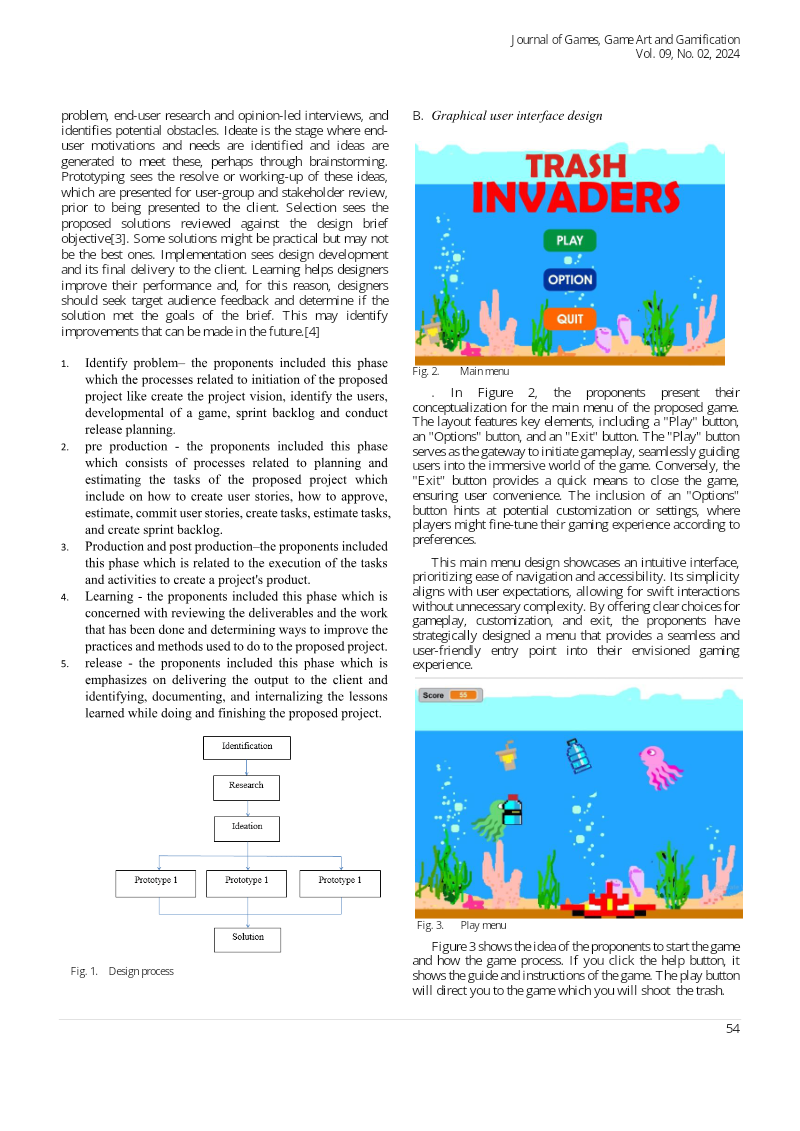
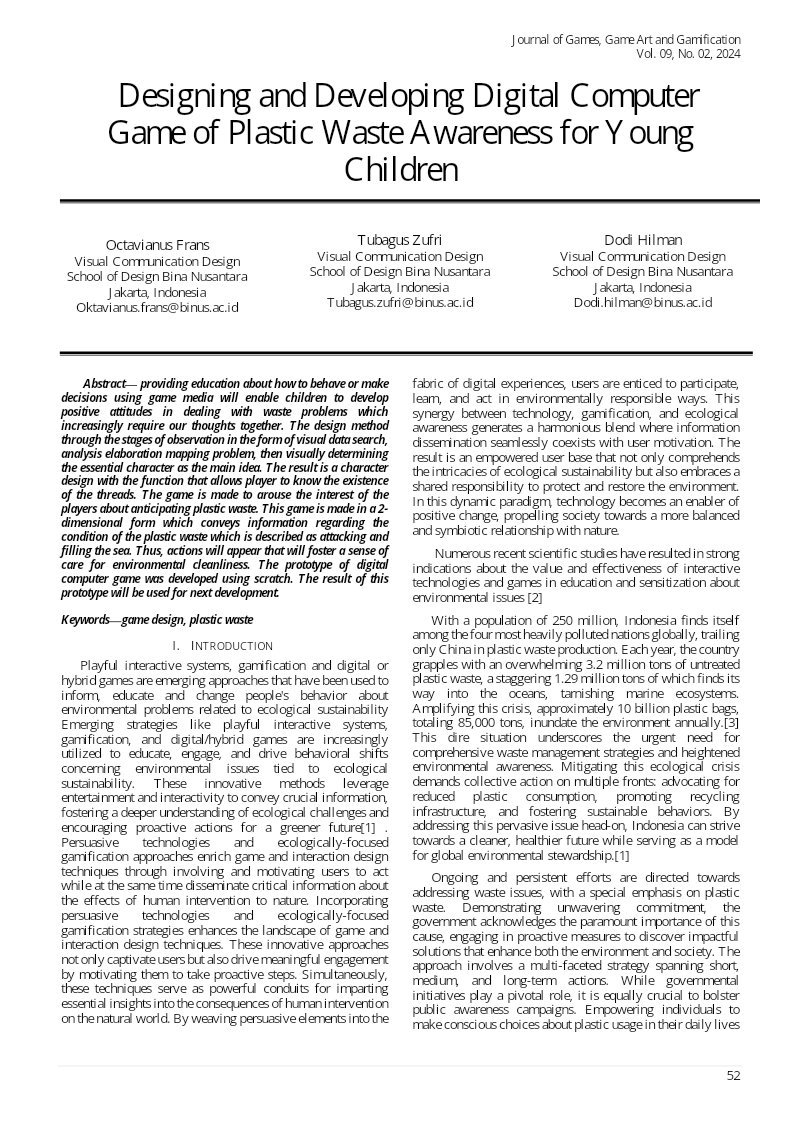
Journal of Games, Game Art, and Gamification · 2024
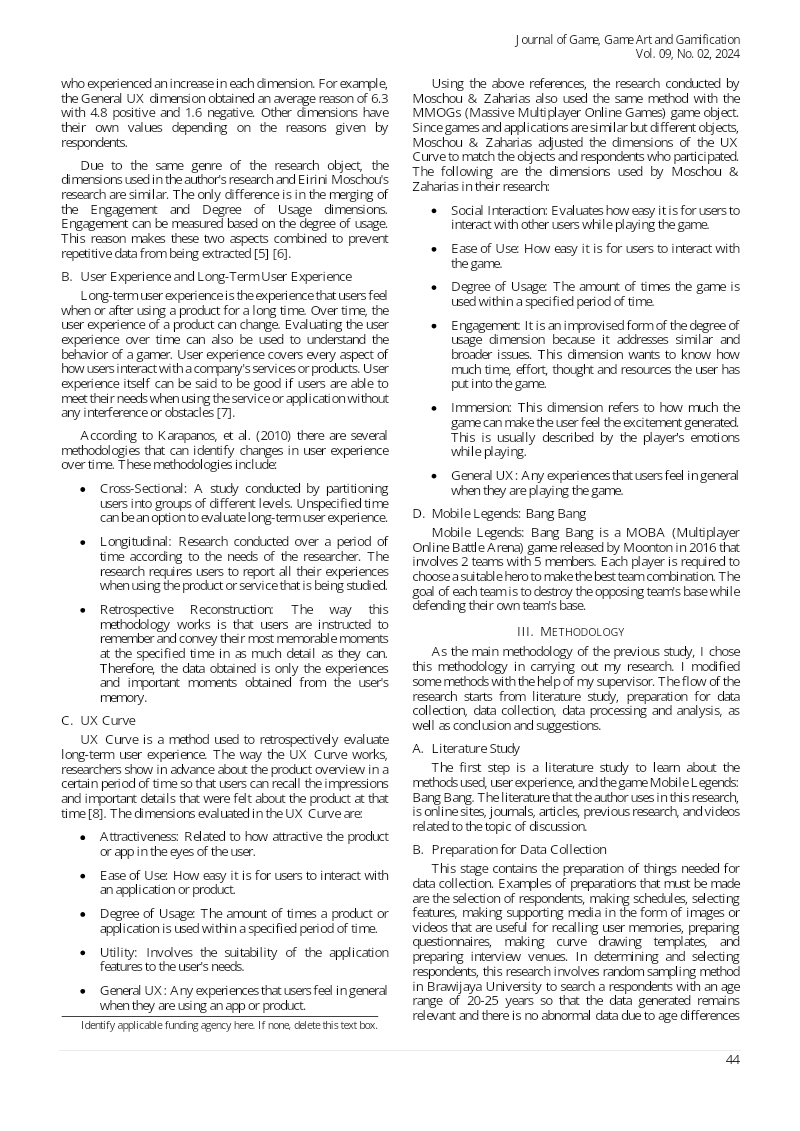
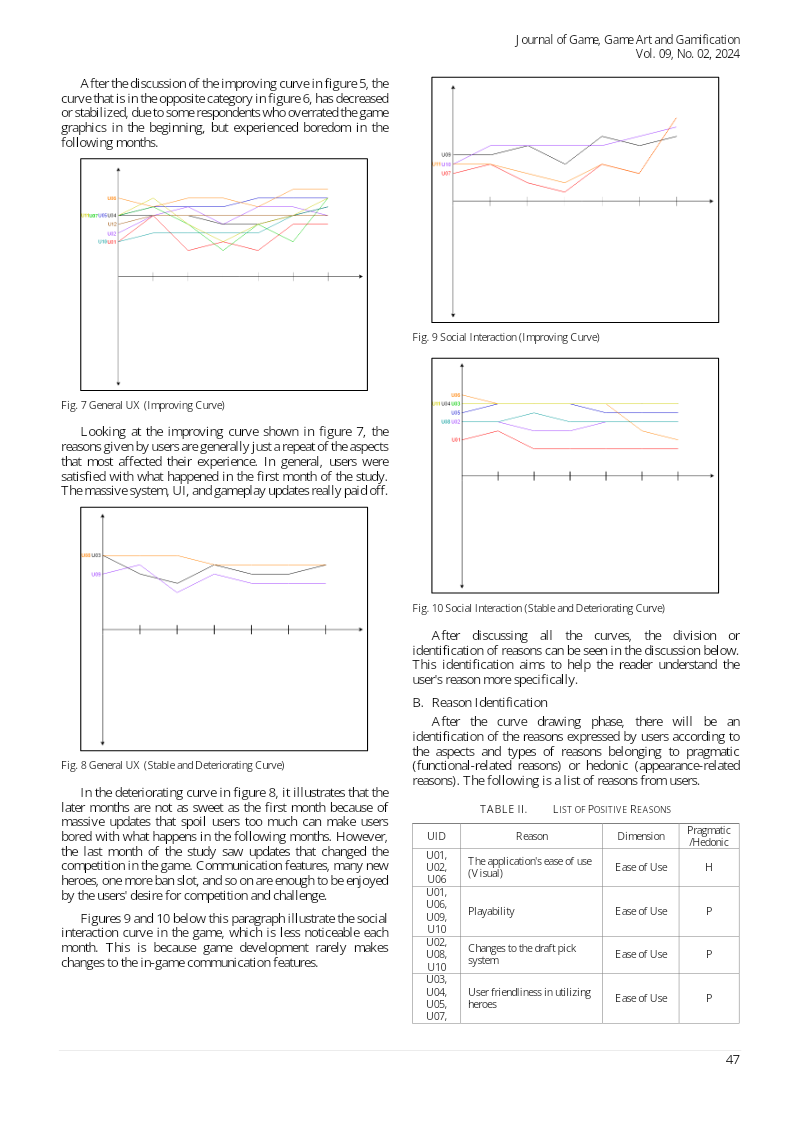
Journal of Games, Game Art, and Gamification · 2024
Uniwersytet Wrocławski · 2023