
Playdead
CompanyDenmark · Founded 2006
Documents about Playdead
Hoarding, Looting, Consuming: Toward an Ecology of Care
"Hoarding, Looting, Consuming: Toward an Ecology of Care" argues that contemporary video games function as systems of accumulation that mirror late-capitalist consumption, naturalising ideological logics of acquisition and labour.
- The report argues that video games act as systems of accumulation that mirror late-capitalist consumption, teaching players to value collecting, looting, and spending, and it frames digital hoarding as a systemic outcome of monetisation, looting mechanics, and surveillance rather than a fringe behaviour.
- A year-long ethnographic study of twenty PUBG Mobile players across five squads, based in Iran, Afghanistan, India, Pakistan, Germany, and the UK, found that the game's lobby and social spaces socialise players into accumulation.
- Seasonal resets, randomised loot crates, and monetised scarcity turn cosmetic acquisition into debt, deskilling, and sustained pressure to keep up, so the platform's retention economy increasingly governs players' time, affect, and spending over tactical skill.

How to Analyze a Video Game: A Five-Layer Framework
A rigorous five-layer framework provides a structured methodology for evaluating video games by examining context, positioning, business strategy, creative experience, and synthesis.
- A successful game analysis requires a five-layer framework: context (market/studio), monetization, creative experience, execution, and actionable takeaways.
- Development context is often the most explanatory factor for indie success; for example, Playdead’s six-year development of Inside was only possible due to the financial runway and brand equity established by their previous hit, Limbo.
- In crowded genres, a distinctive visual identity is often more critical for discoverability than gameplay depth, as players decide whether to engage with a title based on its aesthetic before experiencing its mechanics.
Moral Ambiguity in Playdead Games
This paper examines how moral ambiguity is expressed in Playdead's games Limbo and Inside, arguing that their combination of silent storytelling, constrained agency, and sparse world design compels players to make ethically significant choices without full knowledge of context or motivation.
- The paper defines moral ambiguity as occurring when players must take morally relevant actions with unforeseeable consequences and without complete knowledge of a character's motivations.
- Unlike games that frame the protagonist as inherently good, Playdead's Limbo and Inside widen player agency and invite independent moral reflection rather than encouraging justification of the protagonist's actions.
- In Limbo, the nameless protagonist's survival often requires harming others or exploiting the environment, and the lack of narrative context leaves the ethical weight of these acts uncertain.
Unhuman Agency: Reading Subjectivities in Playdead's Inside
"Unhuman Agency" offers an analysis of Playdead's 2016 game Inside, arguing that the game disperses agency among the player, the game's systems, and nonhuman or abject actors, producing a sense of compromised control.
- The report argues that Playdead's 2016 game Inside disperses agency among the player, the game's systems, and nonhuman or abject actors, producing a sense of compromised control that compels players to unlearn conventional assumptions about gaming agency.
- The analysis distinguishes the 'unhuman' from both the posthuman and the nonhuman, drawing on Karen Barad's agential realism, Dylan Trigg's phenomenology of horror, and Daniel Cottom's concept of the unhuman.
- The final entity, the 'huddle,' a fleshy aggregate that exceeds both player control and the notion of the human subject as an absolute agent, is read as the energy source of a corporate mind-control network.
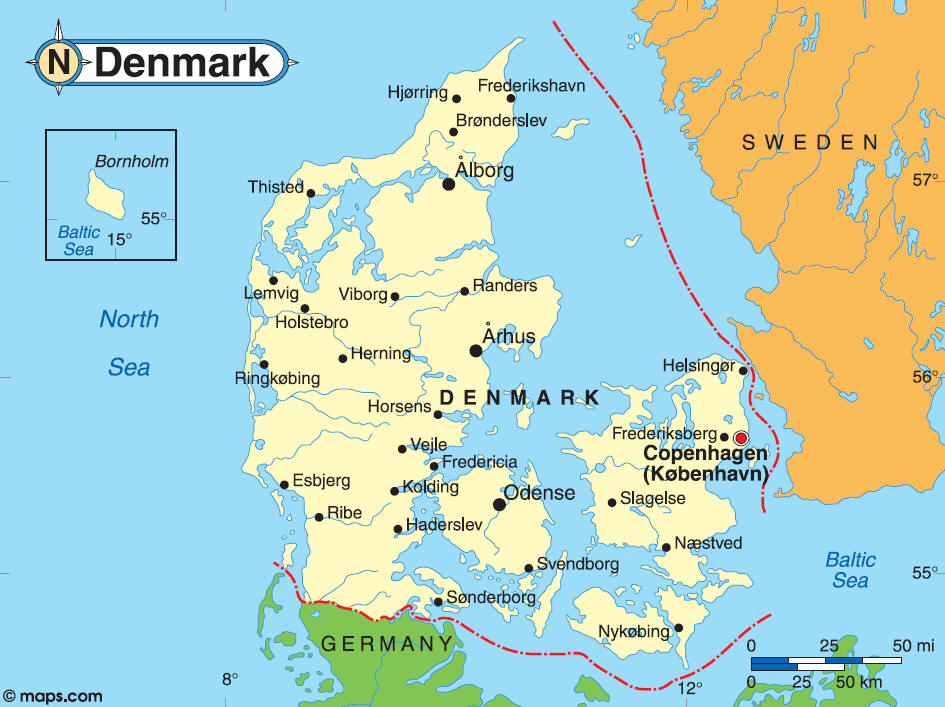
Facts and Figures about Games Industry in Denmark
The Danish games industry experienced significant growth between 2009 and 2013, establishing itself as the 27th largest market globally.
- Denmark is the 27th largest games industry in the world, with developer turnover growing 119% between 2009 and 2013.
- The country's video game export share increased by 80% during the 2009–2013 period, driving increased government investment in the sector.
- Interactive Denmark projects annual cultural support of €1.16 million and dedicated innovation funding of €2.67 million for the industry between 2015 and 2018.