indie
CompanyUnited States
Documents about indie
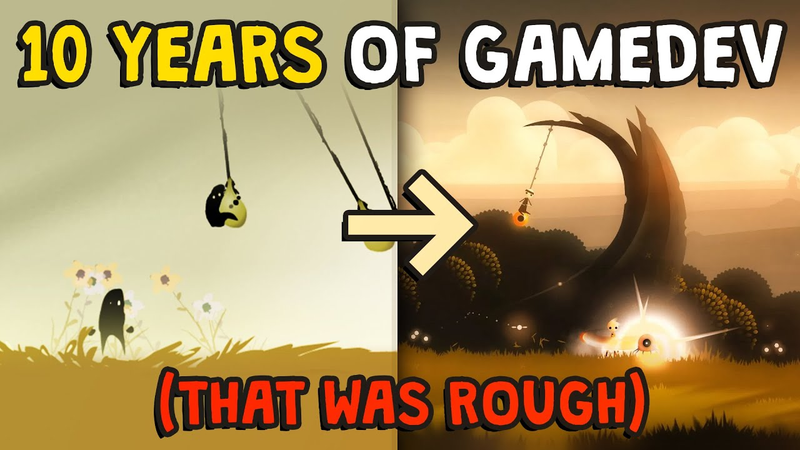
How NOT To Make Indie Games
The primary thesis of this analysis is that personal psychological traits, while often perceived as obstacles, can be managed and integrated into a sustainable indie game development career.
- Developers should avoid the 'restrictive developer identity' trap, where projects are driven by external validation and feature bloat rather than genuine creative interest.
- Indie teams must avoid the trap of recreating the scale of classic titles, as attempting to match the complexity of nostalgic influences is rarely financially or logistically feasible.
- To mitigate the impact of attention-related struggles like ADHD, developers should formalize project management structures and utilize professional partnerships to enforce strict deadlines.
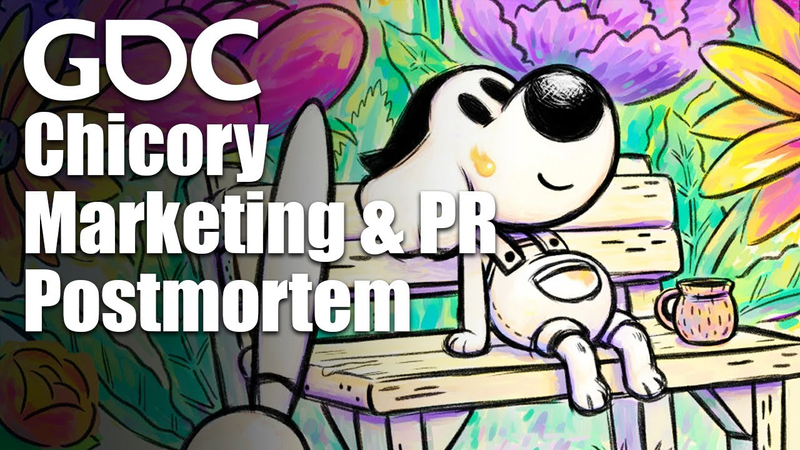
'Chicory' Marketing and PR Postmortem
The marketing strategy for Chicory: A Colorful Tale demonstrates that indie developers can achieve significant reach through proactive planning and community-centric engagement, even with a lean budget of approximately $20,000.
- Marketing strategy should be treated as a 'stair-step' process where every asset, event, and community interaction builds upon previous efforts rather than acting as isolated, disposable tasks.
- Leverage 'mavens'—early adopters and evangelists—to build long-term momentum, as these individuals are instrumental in driving organic interest and community growth.
- Online event participation, such as Steam Demo Fests or LudoNarraCon, should be treated as a 'minimum viable product' where content is scheduled strategically to target specific time zones and demographics rather than running 24/7.
You're Overthinking Your Indie Game...
Successful indie game development relies on balancing proven, reliable mechanics with a unique, marketable gimmick.
- Indie developers should anchor their games in proven, reliable mechanics while differentiating the product through a single, unique gimmick or distinct visual style.
- Games must be immediately understandable through short-form media like GIFs to ensure marketability, while maintaining enough depth to sustain long-term player engagement.
- Indie studios should prioritize a 'hot tamale' approach, focusing on a concentrated, high-quality experience rather than attempting to build a sprawling or generic title.

How To Raise $30,000 For Your Indie Game On Kickstarter
Successful Kickstarter campaigns for indie games require a strategic approach to audience engagement, reward management, and scope control.
- Use Kickstarter primarily to validate market interest before committing to full-scale development rather than relying on it as a sole funding source.
- Avoid promising specific platform ports or exclusivity in initial campaigns to prevent operational strain and keep options open for future partnerships with storefronts like Apple Arcade or Epic Games.
- Build a viable audience through channels like YouTube before launching a campaign to ensure a baseline of support.
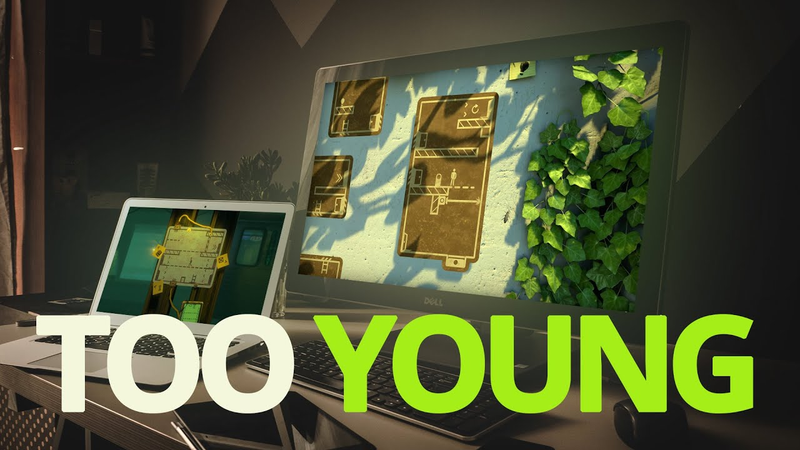
Starting A Full Time Indie Game Studio At 20 YEARS OLD
Establishing a successful indie game studio requires a strategic balance between creative ambition and the pragmatic humility to seek mentorship.
- Commercial viability in a saturated market is best achieved by pairing proven gameplay mechanics with a distinct visual style to target niche audiences rather than competing directly with AAA studios.
- Achieving significant sales benchmarks, such as surpassing 100,000 units, requires persistent iteration, high review scores, and a long-term commitment to project scalability rather than relying on an initial launch spike.
- Crowdfunding campaigns should avoid the common pitfalls of over-promising on stretch goals or platform-specific ports, as these commitments often lead to technical debt and compromised product quality.
Robbie Ferguson: How to Design and Scale Blockchain-Powered Game Economies - The Metacast by Naavik
The integration of blockchain technology into gaming serves as a foundational shift toward true digital ownership and decentralized economic agency.
- The gaming industry is projected to reach 100 million blockchain-integrated players within the next two years as content quality shifts toward AA-standard experiences.
- Sustainable blockchain economies must prioritize traditional gaming metrics like player retention and acquisition costs over speculative, inflationary play-to-earn models.
- Zero-Knowledge roll-up architecture is the technical standard for scaling game economies, as it provides Ethereum-level security while eliminating high transaction costs and centralized friction.
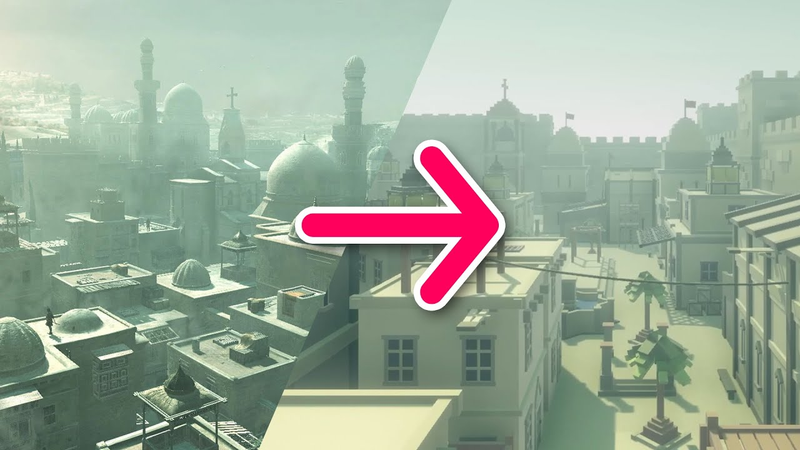
Remaking Assassin's Creed Level W/ NO MODELING SKILLS
The process of recreating game environments without advanced modeling skills relies on three fundamental pillars: geometric simplification, color palette management, and strategic asset repetition.
- Environmental design can be achieved without advanced modeling by deconstructing complex architecture into basic geometric primitives like cubes and triangles.
- Strategic asset repetition allows for the efficient scaling of large game worlds by categorizing objects into layers, ranging from background props to high-visibility landmarks.
- Color palettes are essential for environmental storytelling and navigation, as demonstrated by the use of warm oranges for Damascus and teal tints for Acre in Assassin’s Creed.
5 MISTAKES I Made When I Started Making Games
Independent game development requires a strategic shift from purely creative impulses to structured business management.
- Create a comprehensive game design document to serve as a project roadmap, which prevents scope creep and keeps development timelines on track.
- Diversify revenue streams by securing funding through Kickstarter, Patreon, sponsorships, and publisher advances rather than relying solely on post-launch sales.
- Treat community building as essential infrastructure by using devlogs and consistent social media engagement to drive Steam wishlists and secure a loyal audience.

My #1 Secret To Building An Indie Game Studio
Building a sustainable indie game studio relies heavily on cultivating a direct, mutually beneficial relationship with a community through consistent social media engagement and content creation.
- Building a sustainable indie studio depends on cultivating a direct, mutually beneficial relationship with a community to secure financial independence and creative autonomy.
- Platforms like TikTok and YouTube function as essential tools for gathering real-time feedback on specific game design elements, such as enemy mechanics and environmental details.
- Consistent content creation, specifically through weekly devlogs, serves as the foundation for building a loyal audience prior to launching a crowdfunding campaign.
Should You Start A Devlog For Your Indie Game?
The primary thesis regarding the creation of indie game development logs is that developers should avoid starting a YouTube channel during their first commercial project.
- Avoid starting a YouTube devlog during your first commercial project to prevent burnout and ensure the primary focus remains on completing the production cycle.
- Once a developer has successfully released a title, a YouTube channel functions as a long-term asset that serves as a billboard to drive traffic to storefronts.
- Building an audience provides a built-in customer base for future releases, which acts as a validation mechanism to determine if a game concept resonates with players before launch.
Testing 6 Commercial Games That Were Made by YouTubers
The landscape of independent game development has shifted significantly as prominent content creators transition into professional developers.
- Creator-led games like Hyperbolica, Wrought Flesh, and Olobollo demonstrate that YouTubers can successfully implement complex technical systems, such as non-Euclidean geometry and intricate stat mechanics, that meet or exceed indie industry standards.
- Titles including Archvale, Swords and Magic and Stuff, and Len's Island show that creator-developed projects often achieve high visual fidelity and polished tactile feedback comparable to established professional studios.
- A recurring development gap exists where high-quality visual and audio presentation is decoupled from intuitive gameplay, leading to friction in areas like crafting interfaces and tutorials.
Should You Learn To Code For Your Indie Game?
Successful indie game development does not require mastery of programming, but rather a functional, baseline understanding of code.
- Indie developers do not need mastery of programming; a functional, baseline understanding of languages like C# is sufficient for commercial success.
- The primary objective should be the efficient completion of a high-quality product rather than achieving technical purity or total self-reliance.
- Developers should maintain a 'C-grade' level of coding proficiency to ensure they can manage, edit, and scale systems regardless of whether they were built internally or by contractors.