1 free read left. Create a free account for unlimited reading + AI research.
Create free account
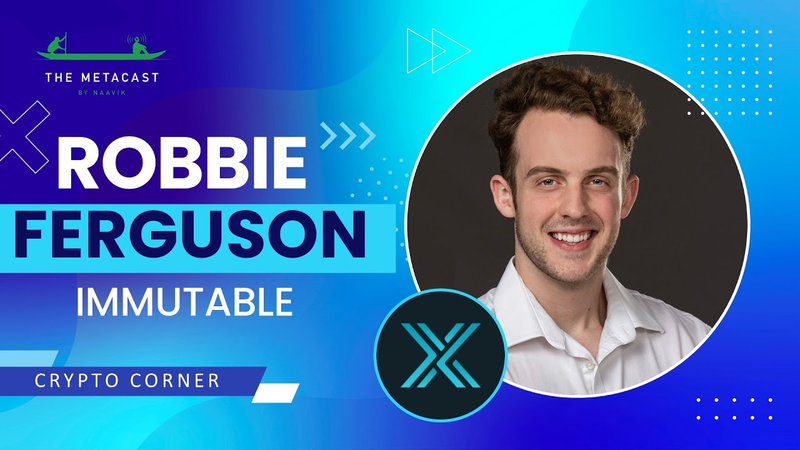
Robbie Ferguson: How to Design and Scale Blockchain-Powered Game Economies - The Metacast by Naavik
Key insights
6 takeaways- 01Zero-Knowledge roll-up architecture is the technical standard for scaling game economies, as it provides Ethereum-level security while eliminating high transaction costs and centralized friction.
- 02The industry is moving toward a model where blockchain technology is invisible to the end user, focusing instead on high-quality gameplay and equitable publisher-player relationships.
- 03Digital assets should be designed as utility-driven tools to enhance player value and aggregate demand rather than functioning as simple financial rewards.
- 04Sustainable blockchain economies must prioritize traditional gaming metrics like player retention and acquisition costs over speculative, inflationary play-to-earn models.
- 05The gaming industry is projected to reach 100 million blockchain-integrated players within the next two years as content quality shifts toward AA-standard experiences.
- 06The evolving market landscape will support both large-scale titles and a robust long tail of indie developers by enabling smaller communities to thrive through decentralized economic models.
Ask AI about this video
Transcript
[Music] gm friends and welcome to the metacast crypto corner brought to you by nalik i'm your host nicola freyke or nico for short and today i'm joined by robbie ferguson co-founder and president at immutable immutable is ethereum's leading nft platform it has built a scaling solution for nfts and has launched or is launching two games gods unchained and guild of guardians robbie welcome to the show thanks nico fantastic to be here let's start at the beginning um could you tell us a bit more about the origin of immutable um why you started it where it came from what initiated this idea of course so i've been building tech startups for the last decade or so with my brother and my co-founder uh james and the other bit about us growing up is that we were pretty obsessed with video
games i was especially obsessed with any other video game with an economy so i growing up loved runescape loved maplestory and more embarrassingly loved neopets which was a thinly veiled skin for getting kids into gambling in the guise of you know friendly looking pets um and we we built a few startups in that fame so we built one of the first ever betting platforms on league of legends where you could bet on your own matches and then we went and done some other parts we built a machine learning platform for um that competed with shopify but it was around 2014 when my brother was over in san francisco and i was here working and studying computer science at the same time in sydney when we found out about bitcoin and we thought bitcoin was kind of cool we bought a little bit but we weren't overly impressed and then the next year we found out of ethereum and we were completely obsessed and at that point in time we didn't really know exactly what the use case would be all we knew was that this would one day
run as the back end for everything um and i remember one of the first apps i ever used was a gambling game which was called etherol and in this game you roll a die and it gives you a return based on what you choose and i remember becoming obsessed because in about a hundred lines of code which is how long the smart contract was they had completely rendered obsolete governments which spend tens of billions of dollars enforcing compliant payouts and and transparent probabilities on gambling machines and so i thought you know i i'm not excited about gambling at all but i thought if you can do that with a couple of days of a programmer this is clearly going to run how people do everything and we built trading strategies and trading bots mainly for the next couple of years until 2017 came around and i i realize this is a long-winded story but it it it drives the heart of why we think gaming is so core to um the use case of blockchain which is at that point in time we were writing the white
paper for what would have been very similar to compound we called it the distributed autonomous bank or dab and it was a learning protocol on ethereum and we saw all the white papers coming out around various different ico projects and one ico went to five went to 20 went to 100 and suddenly the space became very frothy and very scammy and james and i said hey we don't actually want to do something that we don't think is going to be compliant uh and serendipitously at the same time crypto punks had come out in mid 2017. and we saw this and i remember saying to james hey this nft thing is huge for video games this should be how people own their in-game items and so in a bit later in that year we built the first ever multiplayer game on a blockchain which is called etherbots and now etherbots if any of you recall it and it can never go down because all of its logic is on the chain was a completely decentralized battling game on the blockchain so we had a fully unchained perk tree which would cost you
hundreds of dollars to upgrade a particular stat we had uh battles which would cost you five thousand dollars if you did them today with current gas prices and so we very quickly discovered what should and shouldn't be on the blockchain and this idea of a fully decentralized economic game i think with womanly we quickly realized was not where the future was going but we did realize what people wanted was a level of trustlessness over the ownership of these economies because gamers kept getting screwed over by game developers time and time again and this wasn't some theoretical use case that the blockchain had thought up in terms of raising money from vcs this was solving a problem that gamers actively got screwed over every single year you know counter-strike go a company worth 300 million dollars op skins was bankrupted overnight because valve exercised centralized control over the steam marketplace implementing the trade locks and every player that had put money in that game suddenly lost those hard spent dollars quite literally in this grey marketplace with no
protections um and the other piece of the pie was we saw this trend which is like everything that's becoming gaming right like gaming is now bigger than movies and uh tv and music combined in aggregate and it's growing ten percent year on year when you listen to a uh festival or an artist in the future it will be in a digitally interactive entertainment experience aka game when you go to the movies in the future it'll very likely be in some sort of virtual experience with your friends at least some of the time and so gaming was becoming broader as it was becoming bigger and we realized that economic empowerment for these digital assets was the most important thing we could work on we thought it was one of the most exciting missions uh and so that is the reasonably um contracted version of kind of how we got passionate about gaming in the first place and obviously from there we've developed this platform um because we realized that the scaling limitations that gaming faced on ethereum
okay and so you're passionate about gaming you see the future of game happen on the blockchain um and you thought okay we want to build a way to make this scale how did you you know start that process you started looking at different technologies that could help this we basically looked at everything under the sun so okay we were we built god's unchanged right in in early 2018 we said we always wanted to build a technology platform but no one at that point cared about nfts and so we said we really have to build a game that showcases why this technology matters you know in the same way that uh steam actually built um counter strike go first and and that helped showcase the power of the steam marketplace uh a whole plate of power that i do not think is used well to this day um and so we built god's unchained which even as of today has more nfts than every other ethereum game combined um and the meaning behind that is we always wanted to build something that was
actually pretty like long-term and mainstream it wasn't a economic game it was in a game with an economy and so while building gold's unchained i literally remember when we were doing one of our first big sales back in 2018 and that was just so happened to be the week that the f coin exchange i don't know if you recall this nico it was a a new kind of um exchange that decided to incentivize a marketing play by getting people to bid up gas phase on ethereum as high as possible and so when grey had previously never really been above 10 ever it suddenly went above 150 and stayed there for a week and so this is like you can imagine there's like eight of us we're building we've modeled out all the cost of goods sold and it's like okay we can cop these sort of 30 40 50 gas fees on on small transactions for purchasing and suddenly this blew out to five dollars in gas for a 2.50 card pack which makes if you've taken any limited rudimentary economics
no sense at all and so we realized pretty quickly the changes they had to make and back then we actually did make some changes we wrote uh batched minting and deferred minting which are two nfc optimizations that are used globally today by pretty much everyone but this was just an optimization we needed a fundamental shift in architecture in order to scale things and i think i'm very very grateful that we started by building our own game because if we hadn't we wouldn't have known what the right technology solution was for games because it's very specific it's very difficult and the answer is if you can build something which works for gaming items it works for anything because this is the most complex topology of assets ever it's the highest volume set of assets you have all sorts of problems that you find in finance and real estate in any other nft vertical and so we looked at pretty much every scaling solution under the sun we looked at plasma we looked at side chains we looked at state channels which you know never got off the ground and we even looked at things like optimism which obviously doesn't work just because of the the you know withdrawal
delays effectively for oius which aren't present with ck roll-ups um and then we did find ck ball ups and we flew over and we we talked to the starkware team um and we realized that this would be truly the longest term solution for scaling and vitalik has said as much that the world will be all in on ck roll-ups as the future of scaling uh and so we we started building this platform a couple of years ago with this tech and it's called um but with a specific emphasis on how do we bring liquidity to games and that's how we've formed features such as the open order book which means that if you're in a video game you can sell an item from inside the contextual marketplace of that game or inside the deathcam of call of duty and have it be purchased by someone from any marketplace and that's something that is completely unique to the infrastructure we've built immutable and we think very important for maximizing the best possible trading experience for players and the other ones i think are really obvious right which is we never wanted to compromise on security and so we used
a solution which inherited ethereum security and that's meant that we don't have these stresses of you know the 600 million dollar hacks that have been going on um the the decreases in uptime that have been going over the past couple of months across alternative l ones or side chains those things are really fundamental and if you take blockchain gaming beyond where it is today which is still relatively niche into the hands of millions of people this becomes table stakes your game has to be up they have to be able to trade assets and you certainly can't you lose users funds could you um explain in layman's terms why immutable has better security than other layer ones or side chains yeah of course so ultimately our security is ethereum's security there is no centralized bridge which is the most common area where security incidents occur when you spend money in immutable x you're literally depositing those uh your ethereum or or whatever into a smart contract and obviously you can
on-ramp with credit card as well but you're not bridging these assets across something which can be hacked which is where we've seen the majority of vulnerabilities today and the security mechanisms of ethereum are very very very high they're much higher than any alternative blockchain and they have been for a very long time and they'll become even stronger as they switch to proof of stake from proof of work because suddenly you become resistant to you know mining rental attacks from even very very wealthy state actors uh and so that was essential to us because if this market comes to fruition we're talking about a multi-trillion dollar asset class living here 100 million dollars 100 billion dollars sorry being purchased every year growing 10 year-on-year that's gonna very quickly add up to be some of the most valuable you know digital asset space in the world and we think that it's very important that users are in control of their custody and that the security is fundamental um so that's the other key piece which is ultimately the day
immutable lex is fundamentally a self custodial protocol you can always take possession of your keys even if you're using a custodial wallet for sort of ease of use okay um and can you explain a bit um because i think this is key to understand because right now if you build a game on any layer one the more people use it the more gas face will increase and the more costly it becomes you know to participate in that economy um if i understand it correctly when using a zero knowledge roll up um that's actually the other way around the more people use it it actually becomes less expensive to use could you explain that a bit yeah precisely i think of it as imagine a train goes every hour and the train is really large and you can fit a lot of stuff on the train but if you only hit one passenger the train still goes and so we have this fixed cost per batched roll-up we upload to ethereum where we compress many many transactions into one and the more transactions we can fit in the cheaper the gas cost per transaction
but that's a very high amount so we do more nft trades than any other protocol in the world more than l1 ethereum more than polygon more than solana more than flow and and that's because we really focus on these kind of high volume utility driven nft games we want games where people are trading assets not because they expect it to appreciate by 10x in the next year but because they want to trade it for the reason of the game because it's a real economy there's a reason to spend and we think that's the thing that's most sustainable right because like even as the market has been going down this is the sort of thing where if people are trading based on utility they don't really care about the beta of the market they're trading to live their lives or uh use these gaming assets inside a meaningful gaming context and so let's say i was building i was developing in a game and i wanted to include nfts inside my game aside from the scalability benefits why would i choose immutable to
work with well i would say there's a couple of really main reasons so the first is obviously security which we think is paramount you can't really go beyond that if you're blizzard activision you're you're a major gaming studio when you're going to be putting these assets in the hands of millions of users the last thing you want for your brand is for them to lose those assets that is a a you know a new death experience that is very difficult to go past and we will never compromise on that aspect that's really crucial to us the second is obviously scale um but i'll call out something which is our unit economics are really different from other blockchains because we don't make you pay with gas you don't pay for the computation on the network and the reason this matters is we see a very common game design pattern in credible games and games trying to really build out this you know real economies is they want to mint lots and lots of tradable assets and they don't know how valuable these assets might be imagine you take world of warcraft and you start to tokenize all the items
maybe some of them are going to be worthless 90 of them are and the real value emerges around people finding what they find valuable how these have interplay in the game and and that 10 becomes valuable you don't want to have a cost basis of 10 or 20 or 30 cents to mint the 90 of those nfts that might have zero value you just want to create them and allow them to sort of be traded around and take secondary clips and that's much player aligned because you have the exact same incentives as your player has and so we charge literally zero dollars you can mint a million nfts on immutable and you pay zero dollars and the reason that's so important is that even on you know a side chain that's reasonably efficient you're still paying anywhere between 20 and 100 000 for those um and and much worse with you know other solutions potentially like oius um and completely dynamic on the market so that's the second thing but then the third thing i'll call out is that we really have a deep uh knowledge in
building blockchain games we have two of the largest blockchain games internally at immutable and so we we have known since day one what we're building for and all of our features and all of our ip has been specifically designed to service gaming nfts um and so when game come work with us we have basically a full stack advisory suite we'll do everything from branding and we've never had a brand go bad fingers crossed um on a mainstream launch because we'll literally go in and say to our partners hey we actually don't think it's gonna be well received like you're not showing enough value to users you're you're trying to sell the technology rather than how this is gonna be meaningful in games um the second thing is full kind of economics advice so we can get people live with a fundable token in a month or less from like they've done zero compliance work to to kind of um everything is fully mapped out and right now we have more than 10 billion dollars worth of tokens from the games being built on immutable right now um so we have a really deep expertise there um and the third thing of course
is just how do you make a successful game design and a successful economy and people can come from web 2 and they can be literally the best web 2 gaming devs in the world but having the lessons learned from building these economies in web 3 is so important even as we can see right now from axi right and huge respect to the team and what they've done in pioneering this space but it's clear that there are issues with the longevity of these economies and the way we're being designed we are still iterating and experimenting and so what we have is this core kind of focus of you know 20 game designers across the company who are purely focusing on how do we establish long-term economies in web 3 and how do we make these instead of creating money out of thin air and creating kind of you know um pond genomics it's how do you create something which just takes the ten billion dollars we spend you know every quarter on mobile gaming ads to google and facebook and instead spends that on players creating real economies that's something that isn't zero sum that's literally like translating value from one domain to the other in a better
place player incentivized manner and if you extend those principles you can just see how you can create genuinely lasting economies that scale with the number of players but don't rely on the influx of that cash for for growth you've you've touched upon a bunch of reasons why i'm so excited about you know blockchain technology in games um but you mentioned having zero gas fees which i actually think makes a ton of sense for exactly the use cases that you mentioned right the the assets actually don't have a lot of value um could you tell us a bit more about the immutable business model then if you fund those costs um where do you get your money of course we have a very simple business model which is we take bips on trades so we take two percent not all of that goes to us point four percent actually streams back to stakers of the immutable x token uh which means that every player is effectively being you know incentivized to uh play any game or experience being built on immutable and the reason that's important is it means that you can mince
hundreds of millions of assets and we only take fees when your players are making money which we think is a better incentive alignment for our customers and so um can you explain a bit more about the use of the immutable x token then is it only just staking to validate the network or do you use it for transactions how does it work yeah so imitablex is a bit unlike the gas tokens you might see for you know ethereum or a direct blockchain um obviously as an ethereum layer too we have the benefit of already having that security and consensus mechanism so we don't need another gas token instead immutable is really this kind of incentives and rewards token that is designed to incentivize um and provide utility to people building on immutable x and so 20 of the fees paid on the network must be paid for in imx and imx is also used for everything from paying grants to developers to come help fund their development on immutable
x to consumers trading on the platform and incentivizing that for every partner building on our ecosystem all right um taking a sec back again um i've been thinking a lot about you know different types of implementations of blockchain and games and so for me there's like a range of blockchain games that you could define as as being a blockchain game on one end you have games that allow a select number of players to extract certain assets from the game onto the blockchain and this is what i would call a low level of blockchain integration and then you also have games that you know that have all assets be nfts that have multiple fungible currencies that all live on top of the blockchain which i consider medium level blockchain integrations and then on the scary end you have the fully on chain games like the the game that you mentioned earlier where all game logic exists as smart contracts on the blockchain and the state of the game permanently lives on chain as well
what type of game do you target with what you've built so we focus on low and medium level blockchain integrated games and that's for a few reasons one is we think that's where the majority of new games from web 2 want to build and that is where the value is absolutely we're going to see really innovative experiments things like dark forest that play with what is possible when you put all of the game's logic on chain but they will not fundamentally be games there will be tokenized economies or economic experiments because it is impossible to encode on chain complex game logic that is fun it is literally impossible and and to keep that balance over time and so what we really focused on is how can we create robust economies that empower players and create better incentive mechanisms for aligning publishers with those players because we think the whole industry is pretty broken at the moment and so
whether that's hey we turn a subsection of assets into nfts and you essentially have what we have in mobile games today which is a hard currency and a soft currency and the soft currency can be flexibly used to balance update over time and the economy and the hard currency is kind of this this more core promise to players we see this being quite a common design paradigm in blockchain gaming today for instance we can always play with the rewards emissions in non-blockchain assets in god's unchained but users have guarantees over the economic value and the scarcity of actually generated nfts and so we find that to be quite a compelling paradigm and of course we have customers like guild of guardians or like alluvium where it's almost every single asset is an nft from day one there are multiple fundable currencies alluvium is doing a whole bunch of exciting stuff regarding you know complex financial backends but the point is those back ends exist to service play they exist to service making the game more fun and creating these different abilities for people to
trade or get leverage in their assets or kind of convert between different currencies that can be used and so we expect the vast majority of gaming value to emerge from those first two categories makes a lot of sense um one last point i had with regards to the technology and what you're building is that blockchain is all about decentralization and so let's say i'm i'm building my game with immutable um and the whole company disappears you know australia gets flooded or something what happens to to my game then so even if we disappear even if starkwear disappears your assets are always yours they can never be stolen we can never even stop you from removing them uh we do have uh ways to decentralize say the sequencer in the event that that happens so um rest assured your your assets will be fine and i think that's a really good question to ask and something all protocols should be asked all right let's um talk a bit more about you know blockchain in games and you
know the the differences in designing games in web through web 2 and web 3. what excites you most about blockchain technology brought to games i think it's very simple which is and this is the crypto pill side of me coming out but i actually don't think you can have a genuine economy without blockchain you can't have stable inflation rates you can't have uh stable centralized um forms of governance of money and we've seen this right 40 of m1 dollars have been minted over the last two years purely out of thin ware for us dollars and that's reduced everyone's ability to spend it's reduced the value of everyone's income which is dominated in usd and it's all at the centralized whims of the reserve bank and so in the same way that the blockchain can actually create a credible economic platform that you can trust in and that can be a self-sovereign form of money we think the same thing is unlocked now with gaming assets at a really low
fundamental level which is if you can say hey there's some form of fungible currency input to the way goods are created in this game and that has a limitation then you've created real long-term scarcity around that economy you've created a credible platform that businesses can build on and have trust you you you can't change it uh later on um and then there's just things that are more interesting at the consumer-facing level at the play level which is you get to recreate some of the most magical experiences that people enjoy from their childhood magic to gathering or yu-gi-oh cards people have incredible memories of trading cards with their friends at school and being able to create new metadynamics in fact one of the most popular forms of um kind of making income back in the day was to take a huge buy up a huge supply of unpopular magic the gathering cards that were not very useful in game and then create a really competitive deck where they were the linchpin and so suddenly
this became popular in the matter and the value of the card that you bought went up and that's super interesting because suddenly you have this third design access which is what are the cards worth that actually impacts the way that game design and meta game players developed and so we think there's really cool new stuff like that or the idea of providence where a streamer can stop making money via patronage which was literally how we paid mute bars from nobility back in the 17 and 1800s and instead switch to a modernized system where the value they bring to games is value they're recognized if you're a streamer and you're playing fortnite and you use a skin to win a tournament you can auction off that skin and all of the value that you've added to it aka your provenance value is kept and you get to keep that value and we think that's beautiful because suddenly these the the economic machines of kind of streamers driving eyeballs to content and content paying these people are reliant and you get a market for proportionately rewarding the value that these streamers bring and fundamentally that's what i'm excited about is
incentive alignment because no longer do you have publishers which are just gearing up to extract maximum value from players you know mobile publishing studios who literally will sell you thousands of dollars of in-game content at different prices to other players based on your propensity to spend so there's no equivalency even in the economy they're just trying to extract marginal dollars that's crazy to me and can only work in a one-to-one economic relationship we are now inventing a game design paradigm where the incentives of a publisher can be 100 aligned with that of the consumer which is to create a long-term economy where they make money off secondary fees on trading and have actually an incentive for these to go well in the secondary market because if they don't develop a reputation for doing that then they won't get any sales in the future and the reason that's exciting to me is you can even have it go beyond the life cycle of one game and so while i think we haven't truly figured out the potential of sort of interoperability of assets yet because what incentive do i have of bringing value to a competitor's
content we have figured it out in the context of extending the longevity of games because no longer do you have to say well hey we're dumping clash royale now it's all in on this new fancy supercell game it's hey we've built an economic engine and a set of ip that we can translate across multiple experiences that gamers want to play and experience and love in the same way that marvel has invested in a cinematic universe now i'm not saying your movie tickets should carry you from one movie to the next but i am saying if you're spending thousands of dollars on a digital universe your property should be permanent and should have different ways of being experienced as valuable in the future i think that's a good business model as well and so ultimately at the end of the day it's about designing better models for incentive alignment between companies who will always act in a profit-minded way and the players who play these games and the philosophical reason i think it's so important is gaming is becoming so much more important than just the way that people have fun it's the way they are self-actualizing it's the way they're conducting economic activity
we see this because facebook is going all in on it and they want to own 52.5 percent of it and we think it's really really important that not only are the fees not 52.5 but that this is not stored in a centralized server like meadows databases but it is owned by the people because this will be by far the dominant form of value in the future fascinating and i couldn't couldn't agree more with many of the points that you made um in my head i make a differentiation between open economies um and closed economies and so the moment you include nfts inside your game it suddenly turns into an open economy um what we've seen in the past and what many blockchain opponents keep bringing up is the story of diablo 3 and the real money auction house where they suddenly turned their game into an open open economy and had to close it again after a few weeks just because it made the game unplayable and not fun anymore um you've worked on multiple blockchain games
what are kind of the design economic design principles that you've learned um and the mindset shift that needs to happen to be able to successfully or differentiate between open and closed economies and to make the open economy successful such a fantastic question so let's start with why diablo 3 was not successful in the first place which is ultimately the game design principles of diablo rely on in people enjoying the progression of the game and leveling up their content and characters and suddenly they developed an economy where you could kind of buy the end state immediately and so this immediately removed any reason for people to kind of go through this progression system and so they destroyed the reason you would play the game uh by by creating the economy um and some other economic design principles that i'm sure people could deconstruct but obviously it goes without saying that you can build any economy to fail and you can build any economy to succeed we see this in blockchain all the time and that's why we think it's really important to basically develop
a series of playbooks around how you develop successful economies and i think this is so important because the only time that free to play gaming or mobile gaming actually took off is when a content came out that was a hit because they figured out the right strategy and then that content playbook was repeated across multiple instances of ip and people made it really simple from entrance from the previous model to come in and do what they do best which is build successful games that people love and all of the tricky things about adapting to the new platform were solved for them whether it was performance marketing on social games like facebook or whether it was how you create monetization in a free-to-play game which believe me would have been crazy like i'm sure you had people saying you can't make the economics on free-to-play games work players will never enjoy this there is no reason for people to spend money if you give the game away for free and so the exact problems that were leveled at web 3 were leveled at free-to-play games which is now the global standard for how you do a mass-market game
and monetize a mass-market game and so i think the economic principles that are important is sticking to the fundamental metrics that makes games successful in the first place which is what's your cac what's your cost of acquisition what's your retention and what's your monetization how much the players spend and those the levers that allow you to ultimately determine is the economy you're building going to succeed is it going to bring in more value than it's giving out every day and if you take those fundamental levers you can really create a model that is not only better for players but can also appease the blizzard activisions of the world who are sitting back and are very wary of these situations right because the giant gaming companies the world have huge benefits from the current model but if we can showcase how you can actually create a sustainable business by using the same metrics they care about but just delivering better value to players instead of to performance marketing companies to google into facebook they suddenly have a real picture of how this can be a credible economy how it's not just throwing away money and so the way
we view it is every single asset you spend on players is ultimately got to be able to be measured to have an impact on increase in retention or increase in virality and and cheapen the cac essentially of these games or improve the viral coefficient and you also see players wanting to spend more because if you are owning a house and you can sell it rather than just being able to live in it and never sell it you'll spend a lot more on the first one and so players are much happier to spend more if they have trust that this stuff could be worth something in one two or three years and so my ultimate advice and obviously this is what we spend a lot of our time developing ip on is if you can figure out what's the optimal amount of tokens you want to give away to players to help incentivize them play in that game it really just becomes a replacement for your performance marketing for your retention spend um it becomes a increase or a multiplier on your rp or your uh how much players are
going to spend on that game um and that's really just the the fundamental way and then you get like new monetization design principles which is you can take clips on secondary fees rather than having to rely on primary models and suddenly you can experiment a whole bunch more you can start to mint lots of assets you can start to see where these things succeed or fail and you can also focus on the longer term success of creating a giant economy rather than just sort of creating a one-to-one economic relationship so i guess the fundamentals are there's nothing crazy or magic about web3 economies just because you have a token and just because you have nfts doesn't mean you can afford to pay hundreds of dollars per user being acquired there has to be a cost driven from somewhere and every time you create a new asset in the economy you have to be able to justify that assets existence by improving aggregate demand over the life cycle of that game by the way that that asset can incentivize a player to join or to share
or to stick around longer or to spend more and as long as you can get those principles right you can really run the economy in whatever way you like because instead of delivering that value to advertisers you're delivering that value directly to consumers that's really fascinating i think my game design friends will have a field day thinking about that that was really good um you've mentioned the current free to play playbook um it seems like the current blockchain gaming playbook is you know create assets make those generate a certain token that you need to create more assets and the basic ponzionomics that we see in quite a few games today how do you see that evolve over time do you think we'll see a blockchain gaming game economy playbook i think we'll see a few different strategies so i think we'll see gamified economies which is this much more aggressive d5 style of hey how do we hike up rewards in the early days how do we build speculative demand and they'll be quite explosive we're even
seeing this with steppen right now right which has pretty much copied axis economics it's looking to be going well in the early days and i'm sure we'll see that playbook continue what we're really excited about is how do we take an economic model and deterministically make it successful based on scale demand so how do we make it sure that we know every single new player we're adding to the audience fire creating an nft is actually going to bring more aggregate value to that economy than they take out of it and if you can run an economy like that deterministically at scale you know that you have something which can you know is not reliant on these kind of speculative reasons for existing um so how that manifests obviously can be in many many different detailed kind of wide papers but those are kind of the core principles we think at the basis of us which is like make a better game and make a better economy for serving these people inside the game but at the end of the day everything has to be accounted for you have to be able to say this is
why we're spending this because if you're equating an nft you're spending you're literally inflating every single other player ownership inside that game and you have to be able to justify that inflation by saying here's how it's going to increase aggregate demand and then you can of course have dynamic levels on this per x players we can create y amount of content we can measure the cohorts these players we know how much value each cohort brings um and we'll see much more complex strategies built on top of this but that's what we're really interested in how are you thinking about unchained data as ua and and vampire attacks and these types of things on chain data as user acquisition and vampire attacks right i think i get uh what do you mean i think it's cool um i think it's unlikely we'll see vampire attacks because this stuff is not mutually exclusive it's not as if we need to steal liquidity from uni swap to fund sushi swap you can play
uh alluvium and you can play guild of guardians and so i think we're less likely to see the kind of competitive attacks or all kind of um vampire attacks we've seen in d5 uh and maybe as a marketing stunt like you might have you know hey burn burn your cards in this game and you'll get rewards in this one um but less they can see vampire attacks i i absolutely do think it'll become the new form of your way though right because what you're doing is you're uh taking the most valuable information people have which is hey these are our players and not only that this is how much our players like to spend and all of it's transparent and i say go for it it's a free market if you can make a more attractive offer based on a player's existing data to them that's brilliant and i think it adds more value to the ecosystem and the smartest guilds and the smartest collections out there are the ones saying hey we will actively create strategies from this if you give our guild a percentage of value we'll be the first ones to play your game we'll create the early traction will prove out your retention metrics and so i think
we're going to see these new emergent business models which is what i love the most so i think you have this smaller microcosm of creating better economics for players and you have this much bigger macrocosm if suddenly you're actually creating whole new ways of businesses existing and growing in the same way that roadblocks on minecraft created a whole host of cottage industries worth tens of billions of dollars where you literally have like 100 person companies getting 30 million capital races to build like hello kitty experiences in in roblox or um cafe simulator experiences at roblox which is amazing uh we can now get this on a much more credible level for nfts where people can build long-standing businesses that they know the fundamentals can't be rug pulled on them because they have guarantees over fees and these people might be hey we we go into a game and we figure out um the right meta design strategy and we acquire a whole bunch of the nfts to own that we think are going to be the most powerful assets in the game or hey we
build a guild and we go and prove out which games the most fun by playing them and then take huge bets on them and make them really popular by by taking it to a wider audience and the most beautiful thing is that this is all permissionless and that's where you get the most efficient markets emerging you're a gamer yourself what are your thoughts on the current mainstream gamer sentiments on you know nfts in games what did we do wrong as an industry um and how do you think we'll overcome this yeah i mean ultimately what we're seeing is a vocal minority but it's a really important minority because we have to make this stuff really prove its value and you can't talk about the value of the technology you have to show the value of the product and i think the reason we've seen this to gaming but we haven't seen this in other nft verticals is that the value to the consumer is entirely different if you're a musician and i'm giving you
a hundred times the amount of royalties you've ever made through nfts i have immediate 100x product market fit i have over delivered over any value that could ever be promised because what they want is a better economic relationship gamers by default do not want a better economic relationship they want a more fun game and that's for two reasons one is the reason they're playing the game is not to make money the reason they're playing the game is to have fun but the second reason is because they have been taught by this industry over the last 30 years that you should not be able to own your digital assets we're taught we should not be able to own our personal data that we should not be able to own any form of digital value that we create or consume and this is a lie that has been fed by the incumbents across social media across gaming and that's a phenomenon that we want to culturally revert and say hey there's no reason you should have any less rights to a digital property than it should be a physical one even if you don't play the game to make money you should be able to at the end of it spending a
thousand dollars in hearthstone take that out and and spend it or give it to your grandkids or you know give it away to people that you like like that is fundamentally important because it's a precedent for how we're going to own stuff in the future that is digital which is going to be the vast vast majority of stuff and then i also think what we really have to do is take a game make nfts invisible and then get 100 million people to play it and it's almost like a moot point but the game is like or not here's 100 million gamers who love it and every day they have a better experience and they experience better game design and they have more fun um and influences and and streamers get better monetization incentives by playing this game i think that's where the industry really has to go and that's exciting because i think that will you know 2x the dow with crypto in a day when that finally hits its exponential curve and that day will come i have a feeling i've i've been too easy on you a bit with the question so here's a fun one from our community
you say players have true ownership over god's unchained cards so why don't they have copyrights so they can make their own modes that's a great question so first i think that's something we can definitely take up with the team i mean we're we're always looking ways to improve the value relationship with players and second i think this raises a really important question which is what's the spectrum of ownership that players should have and we saw this with hugo labs and crypto punks right where they they bought crypto punks they unlocked the ip and and well they bought the ipa crypto punks um and i think you saw a small spike in the value of these assets but people buy assets for different reasons and so the main reason people are buying gods and chain energies is not to say hey we're going to use my dionysus in an ad um it's because they want to own utility inside that game they want to be able to use decks with it they would want to be able to make decks with it and so the value proposition we're trying to recreate is truly owning your cards in a scarce
manner in the same way that you could imagine the gathering back in the day and be able to form game design decks and principles and have better value because of that but you're right nico it is a good question and definitely something we should chat i mean we we embrace these hard questions and we're always looking for ways to deliver more value to the community because ultimately the most important thing in web 3 is community and the reason why is because it's ongoing reputation in principles if you can prove the community that you're constantly acting their best interest and enshrining principles inside your economics and sort of trust the smart contracts that are acting in their interests then they're going to back you on the next thing as you go through this evolution so um i absolutely will we'll chat with the team about that it's fantastic um you've clearly done a lot of deep thinking about around you know economies and virtual worlds um how do you think around play to earn and the future of work i think
ultimately people should not have to work in 50 or 100 years i think they won't be able to work because i think humans will be economically redundant and that will happen faster than we think and so this idea of playing to earn is is really going to become a more important principle as we just attempt to bring value to the ways that people spend time um and the second thing is i think you know if people in the philippines are getting better paid than their current jobs then like that's just showing the cultural approaches that people have to gaming in not viewing it as a real job um so i think this translation of what's the utility on a job versus what should be valued at is going to be challenged in the future as we say hey why are these digital native jobs not valuable if you would ask people 10 20 years ago they probably would have told you that streaming a game people to watch should not be economically found valuable but clearly hundreds of millions of people every day find it valuable they find
huge forms of social inclusion and connection from watching their favorite streamers play and they build relationships they have a lot of fun so i think we're seeing the wave of new jobs and new economic precepts under those jobs with plato and gaming i'm fully supportive of it obviously i think uh we're going to see these are about over time and they'll become about what games are fun and have sustainable economies rather than how do you just create hugely subsidized economies but i'm all people having this be their job all right as my last question i like to ask people bold predictions that's kind of my thing so robbie can you give me a bold prediction about blockchain gaming i think we'll have our first 100 million player game in the next 24 months and i think that when you look at the leading indicators of vc investment into games
we are going to see a whole like the standard of content is not going to be what it is today which is 10 is fantastic and then 80 are really just like anywhere from pretty interesting to absolute crap and like you know scamming people for money essentially um i think we're going to see the entire industry shake out and consolidate and every game is going to be at minimum like double a quality it's going to be credible content that is getting funding um and that is earning players interest which is the way it should be you know you shouldn't be putting money into something crap just because it has like play to earn on the back of it it should be a credible game with a fun economy that ultimately proves itself out by having a better growth strategy by being able to compete with the same game that's web 2 because it offers more value to players when we hit that inflection point we'll know that the paradigm has shifted and that the days of web 2 gaming where players do not truly own their assets are well and truly numbered how do you think around power laws within blockchain games do you think that a smaller number of games will get more of the the player base
so i had my view on this change a little bit recently actually i used to think it would be entirely conforming to web 2 uh phenomenon of all power law uh but recently i've been convinced that the beautiful thing about web 3 is you can have a thousand true fans or 10 000 true fans and you can have these indie gaming experiences that get way more funding in web 3 than they ever would in web 2 and they can actually survive and have a really meaningful and beautiful community and i think that's exciting because i think the world needs less consolidated content and more unique interesting stories to be like i i think that is fundamentally a good thing for the world but i do expect in terms of the vast majority of dollars while we may have a slightly fatter long tail and you may be able to create more successful emerging economies you will absolutely have you know giant games that just get things right that they can afford to create huge economic value to their players because they've they've got the right retention curves they've got the right game design or economic principles so i i think we absolutely
will see you know beam it's come out over the next two years as well all right well um robbie this was absolutely fantastic thank you so much for joining me thank you nico it was fantastic all right listener thank you for listening to this um i hope you learned as much as i did um it was really great um and then with that yeah i thank you for listening please give us a thumbs up on youtube or some stars on spotify um and with that this was the metacast thank you for listening and see let's speak again in the next episode cheers [Music] you
Summary
The integration of blockchain technology into gaming serves as a foundational shift toward true digital ownership and decentralized economic agency. By leveraging Zero-Knowledge roll-up architecture, developers can now provide scalable, secure, and cost-effective infrastructure that inherits the robustness of the Ethereum network. This technological framework removes the friction of high transaction costs and centralized control, allowing for the seamless integration of utility-driven assets that empower players while maintaining the performance standards required for modern gaming experiences.
Sustainable economic design in this sector requires moving away from speculative, inflationary play-to-earn models toward frameworks that prioritize traditional gaming metrics such as player retention, acquisition costs, and long-term monetization. Digital assets should function as tools to enhance aggregate demand and player value rather than serving as mere rewards. By aligning publisher incentives with player ownership, studios can foster equitable relationships that mirror the success of established free-to-play models. The ultimate goal is to render the underlying blockchain technology invisible to the end user, ensuring that the focus remains on delivering high-quality, engaging gameplay.
The industry is currently transitioning toward a more mature phase characterized by AA-quality experiences and sustainable economic structures. Projections suggest that the sector will reach a milestone of 100 million players within the next two years as content standards rise and speculative projects are replaced by credible, utility-focused games. While large-scale titles will continue to command significant market share, the evolving landscape will also support a robust long tail of indie developers. By enabling smaller communities to thrive through decentralized economic models, the gaming industry is poised to redefine the relationship between creators and players on a global scale.