indie
CompanyUnited States
Documents about indie
Mobile Gaming Leaders: April 2016
This analysis examines the mobile gaming landscape for April 2016, focusing on download trends and top-performing titles across the U.S. App Store and Google Play.
- The indie title 'slither.io' dominated the mobile gaming market in April 2016, securing the No. 1 spot for downloads across both iOS and Google Play with over eight million total installs.
- Worldwide App Store game downloads grew 16.6 percent year-over-year in April 2016, rising from 502 million to 585 million, while U.S. downloads grew by 14.2 percent over the same period.
- Disney successfully captured market share with the launch of 'Disney Crossy Road,' which generated over 3.6 million U.S. installs and ranked as the second most-downloaded game across both platforms.
Galaxy of Heroes: Full Deconstruction of EA's Death Star
The gaming industry is currently navigating a period of profound structural transformation, characterized by the integration of artificial intelligence into creative workflows, the maturation of hybrid-casual monetization models, and a significant recalibration of user acquisition strategies.
- Scopely achieved a massive valuation increase, growing from $1 billion to $10 billion in a five-year period through focused product strategy and player engagement.
- The mobile gaming industry is shifting away from the traditional 30% platform fee model, signaling a new era for developer revenue structures as noted by Google Play leadership.
- Meta has re-entered the gaming sector, significantly impacting future approaches to attribution, creative scaling, and user acquisition team structures.
iOS Gaming Leaders: February 2016
The February 2016 iOS gaming landscape was characterized by a seasonal contraction in download volume, alongside the emergence of high-performing indie titles and celebrity-branded games.
- Global iOS game downloads declined 7.5% in February 2016, falling from 688 million in January to 636 million.
- U.S. iOS game downloads dropped 15% month-over-month to 158 million, though this figure represented a 9.7% increase year-over-year.
- The indie title 'Color Switch' maintained the No. 1 spot for U.S. downloads and reached the top of the worldwide download charts, following a 23-day streak as the top iPhone app in the U.S.
iOS Gaming Leaders: January 2016
The January 2016 mobile gaming landscape experienced a notable divergence between download volume and total revenue.
- Global iOS game downloads reached 692 million in January 2016, a 12.61% increase over the 614 million installs recorded in December 2015.
- Worldwide iOS gaming revenue totaled $969 million in January 2016, representing a 2.91% decline from the $998 million generated in the previous month.
- Machine Zone's 'Mobile Strike' entered the U.S. revenue top 10 for the first time, placing eighth and marking the publisher's second title to reach that milestone alongside 'Game of War - Fire Age'.
iOS Gaming Leaders: October 2015
This analysis provides a performance overview of the iOS gaming market for October 2015, utilizing data from the Store Intelligence platform to track downloads, revenue, and growth trends across the United States and international markets.
- Game of War overtook Clash of Clans as the top-grossing iOS game worldwide in October 2015, driven by an 8% month-over-month revenue increase while Clash of Clans saw a 1% decline.
- Smashy Road: Wanted became the most downloaded iOS game in the U.S. for October 2015, gaining nearly four million downloads over the previous month.
- Electronic Arts' Need for Speed outperformed Smashy Road: Wanted internationally by approximately 1.5 million downloads, despite losing the top spot in the U.S. market.
6 Ways Your Indie Mobile Game Can Top the Charts
Independent mobile game developers face significant challenges in a market dominated by large publishers with massive user acquisition budgets.
- Multiplayer games are a critical driver of revenue, accounting for 60% of consumer spending among top mobile titles according to a 2015 App Annie E3 report.
- Indie developers should prioritize App Store Optimization (ASO) by conducting keyword research before finalizing game concepts to ensure organic discovery in a market dominated by high-budget paid acquisition.
- To differentiate from large publishers who focus on scaling existing mechanics, indie studios should innovate with unique interaction models like haptic feedback, gyroscope usage, and NFC-based multiplayer gestures.
Crossy Road: A Case Study in Mobile Ad Monetization
Crossy Road serves as a primary case study for the efficacy of light-handed, deferential monetization strategies within the mobile gaming industry.
- Crossy Road generated $10 million in gross revenue within its first 90 days of release, with $3 million of that total attributed specifically to video ad placements.
- The game achieved significant commercial success by intentionally avoiding aggressive monetization tactics, such as energy mechanics or time gates, which are standard in many free-to-play titles.
- Monetization relies on a light-handed approach where players can voluntarily watch video ads to earn in-game currency for unlocking new characters, rather than being forced to pay for progression.
Analyzing Free-to-Play Games Development: The Game / Team Clock
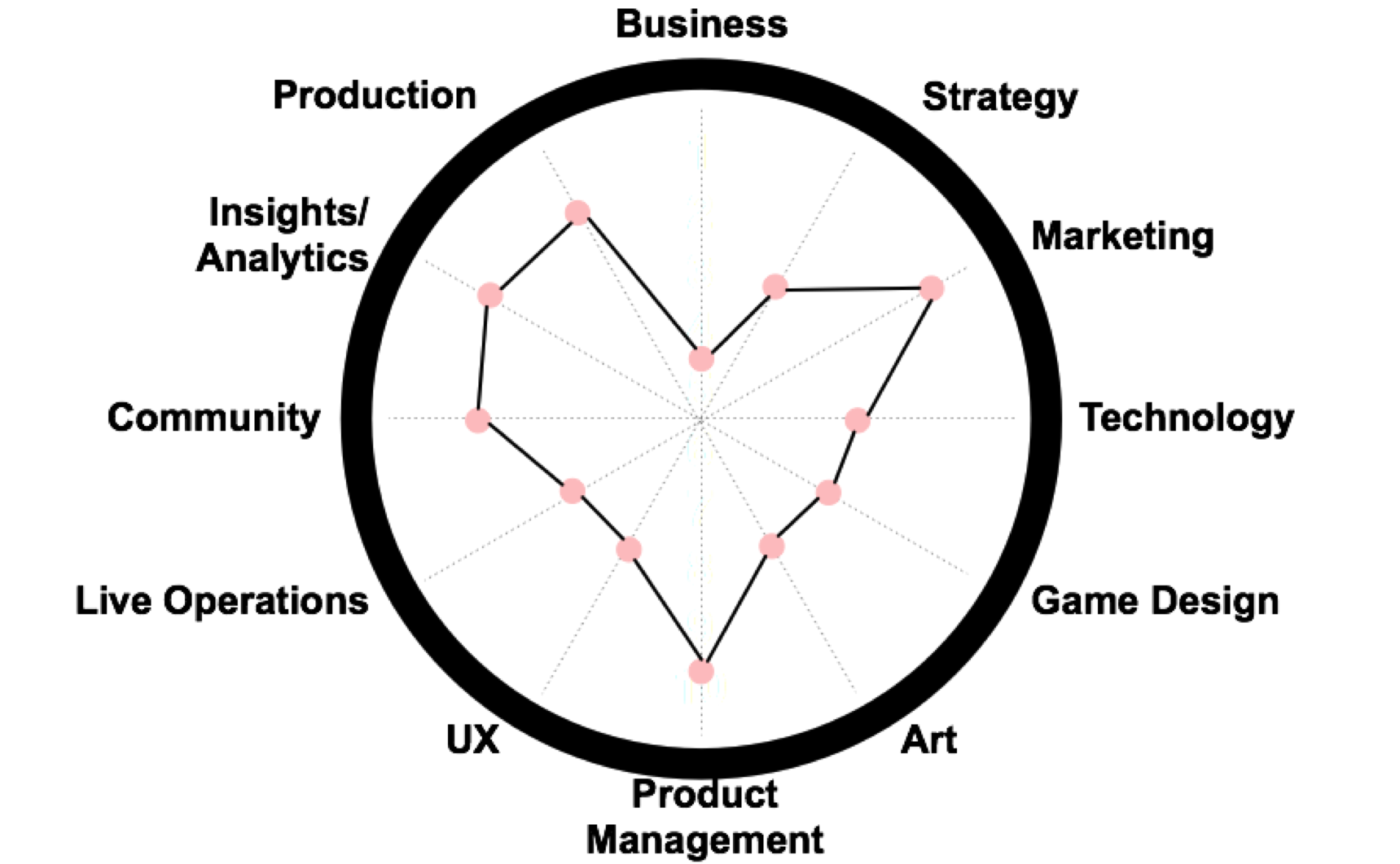
The Game/Team Clock serves as a strategic framework for evaluating the viability and execution risks of free-to-play game development.
- The 'Game/Team Clock' framework assesses project viability by mapping 12 player-centric questions—ranging from initial discovery to monetization—against a team's specific areas of expertise.
- Success in free-to-play development requires minimizing the gap between a game's functional requirements and the team's actual execution capabilities across all 12 stages of the player lifecycle.
- Startups often prioritize the early lifecycle stages (Unique Value Proposition, Marketing, and Monetization), while indie developers typically focus on the middle stages (Gameplay, Content, and Platform).

FLEGA Report Part 4: Sales Numbers for Element4l
This analysis examines the commercial performance of the platform game Element4l, developed by the Flemish studio i-Illusions and released in May 2013.
- The indie game Element4l sold over 22,000 copies, generating $140,000 in total revenue following its May 24, 2013 release.
- After accounting for platform fees, VAT, and a 32% Belgian corporate tax, the developer realized a final net profit of $70,455 from the project.
- Visibility was the primary driver of sales, with significant spikes directly correlated to features on the Steam main banner and recommendations from prominent YouTubers like Markiplier.

Dear Indie Mobile Game Developer
The mobile gaming industry has reached a state of total commoditization, where high-quality development is merely a prerequisite for entry rather than a guarantee of success.
- In the commoditized freemium mobile market, a high-quality game is merely a prerequisite for entry, not a guarantee of success; developers must function as both marketing and analytics firms to compete with major studios like Kabam, Supercell, and King.
- Self-publishing requires a significant financial investment to build an analytics infrastructure, conduct soft launches in test markets like Canada, and perform iterative development based on objective behavioral data.
- Soft launching in a test market typically requires acquiring at least 1,000 users at a cost of approximately $2,500 to gather actionable data, followed by two-week development sprints for each iteration.
Behind the Success of Hay Day
The gaming industry is currently navigating a period of significant structural transformation, characterized by a shift in capital allocation and the rapid integration of artificial intelligence into development workflows.
- Major studios are shifting approximately one-third of their media budgets toward loyalty platforms, which have evolved from a source of low-quality installs into a primary user acquisition channel.
- The role of User Acquisition (UA) is undergoing a fundamental rewrite, requiring growth leaders to build proprietary systems that go beyond standard platform-provided tools.
- Game development is shifting from logic-based systems to 'world models' that allow virtual environments to learn and react, exemplified by startups like those led by Pim De Witte, who raised $134 million to advance this technology.

The App Ecosystem and the Fungibility of Users
The app ecosystem and the fungibility of users explores strategies for mobile developers to build sustainable user bases without relying on expensive paid acquisition campaigns.
- Building an ecosystem of apps allows developers to reduce effective customer acquisition costs by cross-promoting new titles to an existing, retained user base.
- The concept of 'fungibility' in mobile apps refers to the ability to move users between a developer's portfolio of apps with minimal resistance, effectively increasing the lifetime value of a single acquired user.
- Data indicates that 74% of mobile app users do not churn after a single use, providing developers with a significant window to cross-promote other apps within their ecosystem.