3D Realms
CompanyUnited States
11 documents in the library are about 3D Realms, from writers such as Thomas Brush, Embracer Group and Game Studio Unlocked. Each has a summary and key insights with the page they come from.
Connections
The documents about 3D Realms on the inner ring, the other games and companies they name on the outer one. Select a cover to see it up close and open it in a new tab; drag to move, pinch or Ctrl + scroll to zoom.
On Steam
Steam estimates as of 9 Oct 2026. Revenue is premium revenue on Steam only: game sales, without DLC.
- Revenue as publisher
- $24.0M
- 36 games
- Revenue as developer
- $38.9M
- 11 games
- Units sold
- 2.2M
- as publisher or developer
- Headquarters
- United States
3D Realms’s best-selling games on Steam
| Game | Released | Share of the best seller | Revenue | Units |
|---|---|---|---|---|
| GhostrunnerDeveloper | 2020 | $38.8M | 2.0M | |
| Tempest RisingPublisher | 2025 | $13.2M | 441K | |
| Ion FuryPublisher | 2018 | $3.9M | 217K | |
| WRATH: Aeon of RuinPublisher | 2019 | $1.6M | 90K | |
| CULTICPublisher | 2022 | $1.4M | 174K | |
| PainkillerPublisher | 2025 | $917K | 47K | |
| GRAVENPublisher | 2021 | $777K | 46K | |
| RIPOUTPublisher | 2023 | $546K | 36K | |
| BombshellPublisher | 2016 | $392K | 15K | |
| Twisted TowerPublisher | 2026 | $335K | 31K |
Documents about 3D Realms

Live Workshop: The Ultimate Guide To Making 3D Indie Games
Successful 3D indie game development hinges on the integration of precise structural fundamentals and iterative design processes.
- Implement a strict grid-based development system using a consistent unit size (such as four) to ensure modular assets fit together perfectly and streamline level construction.
- Prioritize blocking out levels and testing them with external playtesters early in the process to avoid the 'toxic positivity' of internal teams and prevent costly redesigns.
- Optimize performance by manually disabling shadow casting for the majority of meshes and lights, selecting only a few key elements to cast shadows for cinematic effect.

Let's Review Your Games — Ep. 057
Indie game development often hinges on the delicate balance between innovative mechanics and intuitive player guidance.
- Puzzle games must clearly establish gameplay rules and interaction mechanics early on to ensure players feel they have earned their progress rather than having solutions fall into their laps.
- Avoid 'pixel hunting' mechanics where players must randomly hover their mouse over the environment to identify interactive objects; instead, clearly communicate what can be picked up or manipulated.
- The core game loop should start with accessible, intuitive tasks that teach the player the mechanics before introducing more obtuse or complex puzzles in later stages.

Let's Review Your Games — Ep. 053
Successful independent game development hinges on the strategic implementation of a Trinity Hook, which integrates narrative, mechanical, and visual elements to capture player interest immediately.
- A game's 'trinity hook' consists of a story hook, a mechanical hook, and a visual hook, which together function as the project's unique selling point (USP).
- Trailers should capture audience attention within the first 5 seconds by establishing the visual and story hooks, following a structure of 10 seconds of action, a brief story beat, a return to action, and a final climax.
- Inconsistent UI design—such as using multiple clashing styles—is a major red flag that signals the use of disparate, non-custom assets, which can make a game appear cheap.

Xbox’s Billion-User Platform Mandate
Xbox’s newly appointed CEO, Asha Sharma, released a memo outlining a strategic reorganization aimed at transforming the company into a billion-user platform.
- Xbox's newly appointed CEO, Asha Sharma, announced a significant company reorganization on July 6, 2026, which will unfold over a year.
- The report, published on July 7, 2026, is titled "XBOX’s billion-user platform mandate."
- The full content of the report is accessible only to subscribers, with subscriptions starting at $8.99 per month.
Canceling a Game in Production
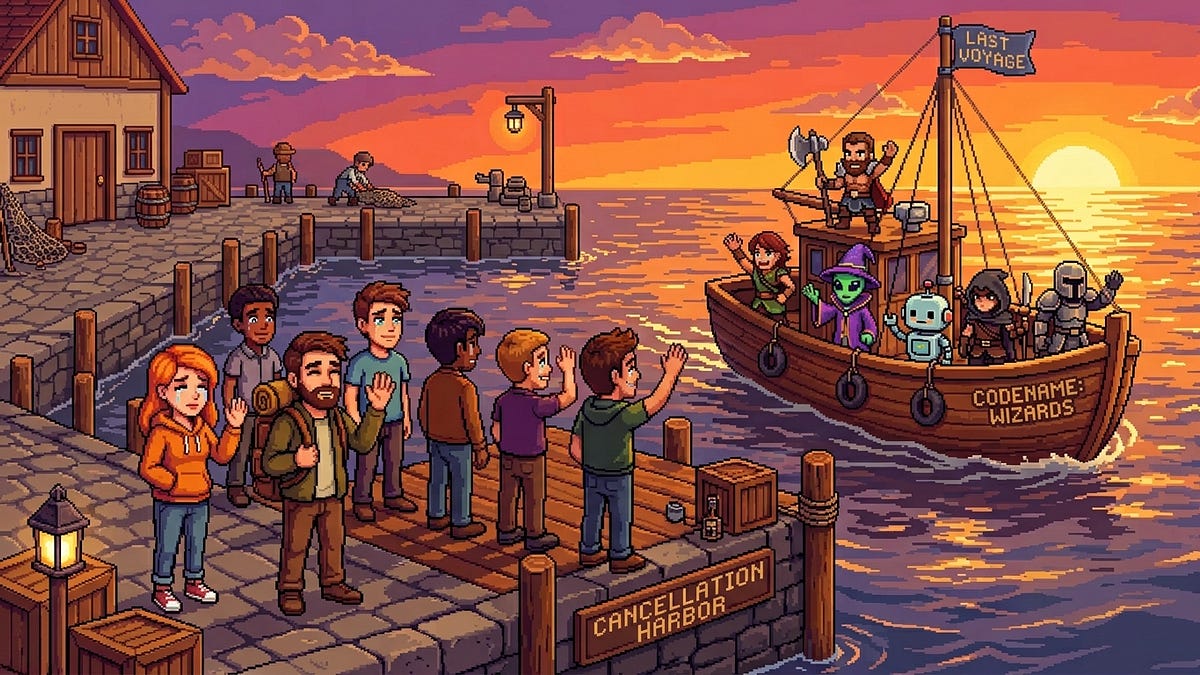
The decision to cancel a game during production represents a critical strategic pivot that requires balancing objective performance metrics against the psychological biases inherent in creative development.
- Game cancellations typically occur due to external factors like investor pull-outs or funding collapse, or internal issues such as consistently negative playtest results, mismanagement of funds, or an inability to make the game good with existing resources.
- Projects often persist longer than they should due to escalation of commitment (sunk cost fallacy), the IKEA effect (overvaluing self-built items), social cohesion (fear of being seen as disloyal), and a lack of consistent gameplay feedback.
- To mitigate cancellation risks, studios should define clear 'pass' and 'fail' conditions for playtests, assess the path forward with current team and resources, monitor team belief, and establish a financial floor for winding down.
We Need To Talk About My Game "Twisted Tower" (5 Years Later)
After five years of development, the indie game Twisted Tower has reached a feature-complete state and is currently undergoing beta testing.
- After five years of development, Thomas Brush’s narrative-driven indie title Twisted Tower is currently feature-complete and undergoing beta testing.
- The project transitioned from initial publisher support by 3D Realms to self-funding through community contributions and educational course sales due to extended development timelines reaching into 2026.
- The developer employs a tiered beta testing strategy that scales from a small initial group to approximately 1,000 users to validate narrative resonance and game mechanics.
I Spent 3 Years Making A Horror Game... Let's Play It!
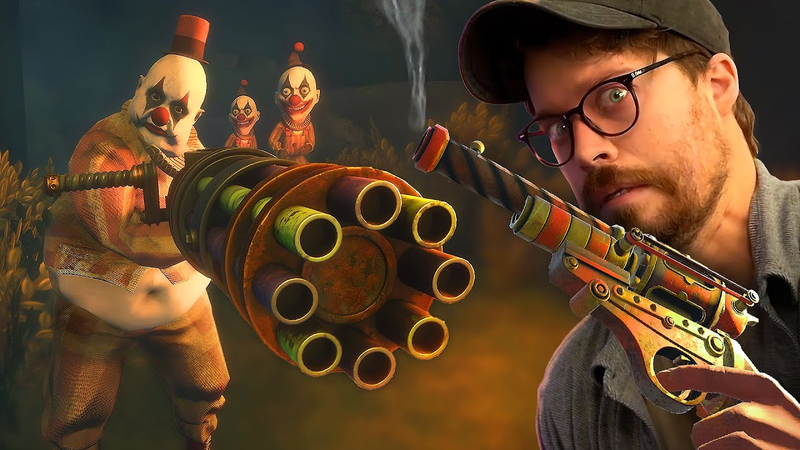
Twisted Tower represents a three-year independent development effort to create a narrative-driven, first-person shooter that blends whimsical, cartoon-like aesthetics with horror elements.
- Twisted Tower is a 3D horror game inspired by BioShock and 1950s theme park aesthetics, developed over a three-year period by a small team.
- Approximately 90% of the game's assets were created from scratch, with the team specifically avoiding heavy reliance on pre-made asset packs for environmental and character design.
- To increase replayability without using procedural generation, the developers implemented a branching path system that effectively doubled the required level design workload.
7 Days Of Indie Game Dev - Devlog
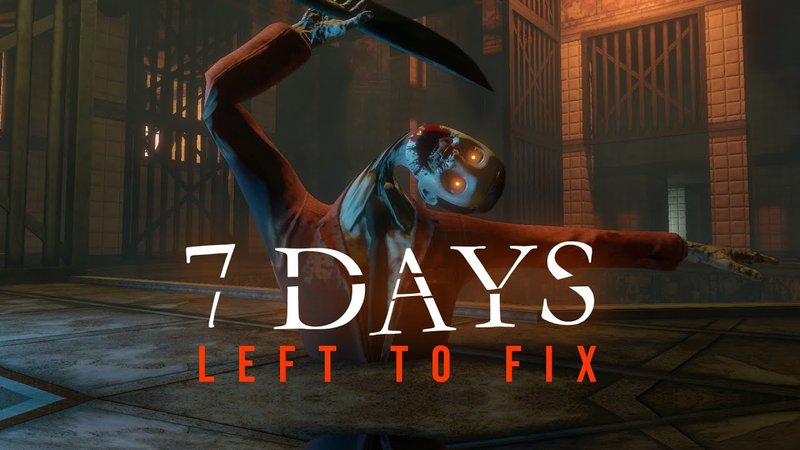
This account details a seven-day development sprint focused on refining the visual aesthetic of an indie first-person shooter, Twisted Tower, to align with publisher expectations.
- The developer successfully completed a seven-day sprint to overhaul the visual aesthetic of the first-person shooter 'Twisted Tower' to meet publisher quality standards.
- Publisher 3D Realms approved the visual redesign, which successfully blended a 1930s industrial tone with whimsical, fairy-tale elements.
- The project prioritized efficient asset management by sourcing low-poly models from external marketplaces rather than creating original 3D assets.
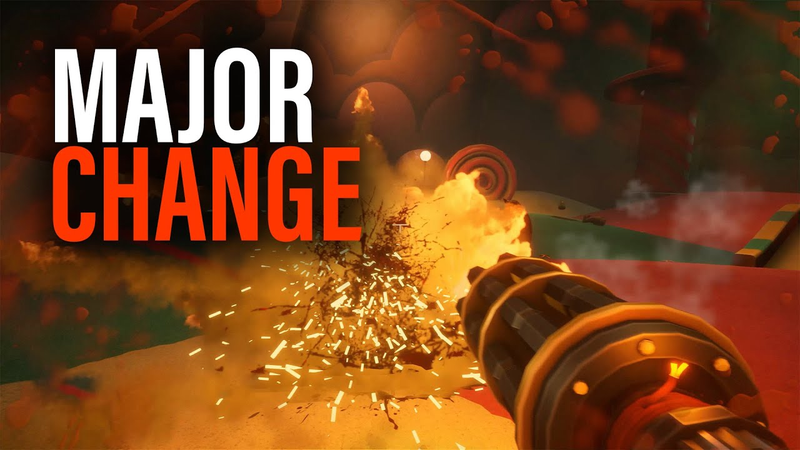
MAJOR CHANGE
The recent announcement regarding the game Twisted Tower serves as a case study for navigating the business of game development, specifically the strategic use of publishers to bring commercial projects to market.
- Securing a publishing deal with 3D Realms for Twisted Tower provided essential professional marketing, trailer production, and industry visibility that the development team could not achieve independently.
- The development team funded the project's research and development phase through a diversified income model, utilizing revenue from online educational courses, content creation, and sponsorships.
- The initial prototype for Twisted Tower required a financial investment exceeding six figures to support a dedicated team, including a full-time artist and a lead developer.
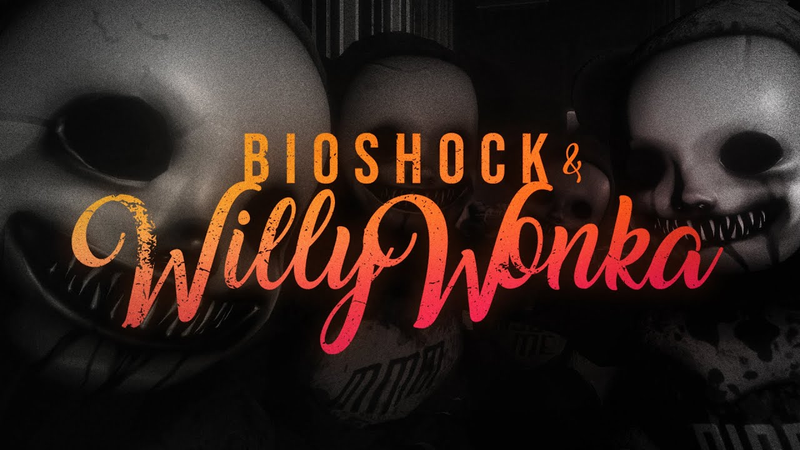
I'm Making A Bioshock Willy Wonka Hybrid (Devlog)
The development of the indie title Twisted Tower illustrates the volatile intersection of creative iteration and the financial realities of the modern game industry.
- Securing a publishing deal with 3D Realms validated the developer's commitment to a retro-inspired shooter aesthetic after a two-year development cycle.
- The project required over six figures in capital investment to support a team of full-time and part-time staff during its development.
- Frequent identity pivots—including shifting from a medieval shooter to an Art Deco platformer—created significant operational friction and strained team morale.

M&A Medley: 8 Acquisitions
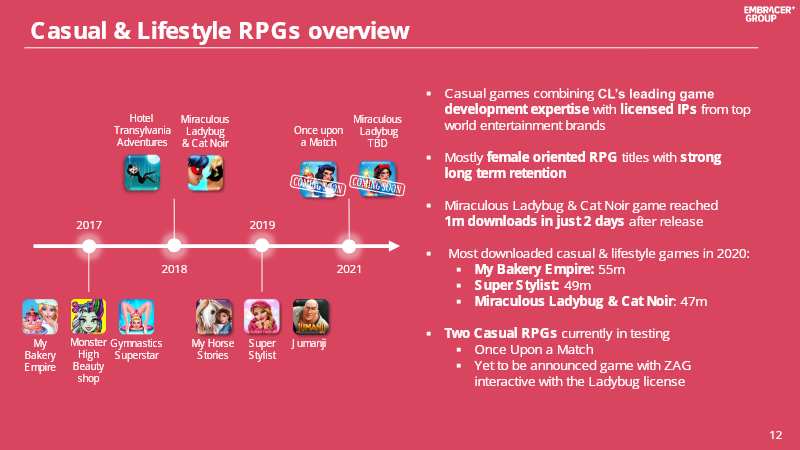
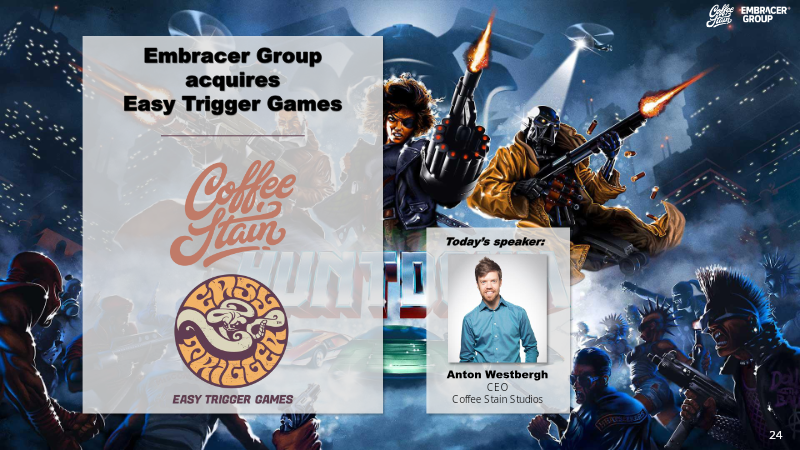
Embracer Group has executed a strategic expansion through the acquisition of eight distinct entities, including CrazyLabs, Ghost Ship Games, Easy Trigger Games, Force Field VR, DigixArt, Slipgate Ironworks, 3D Realms, and a majority stake in Grimfrost.
- Embracer Group acquired eight entities—CrazyLabs, Ghost Ship Games, Easy Trigger Games, Force Field VR, DigixArt, Slipgate Ironworks, 3D Realms, and a majority stake in Grimfrost—to expand its mobile, VR, and indie gaming footprint.
- The acquisitions involve an initial purchase price of SEK 2.7 billion, with total potential consideration reaching SEK 4.7 billion based on performance milestones through 2029.
- These investments are projected to contribute between SEK 2,000 and 3,000 million in net sales and SEK 350 to 550 million in Operational EBIT for the fiscal year ending March 2023.