
The Game Business
Games industry business news and analysis by Christopher Dring (ex-GamesIndustry.biz).
Documents
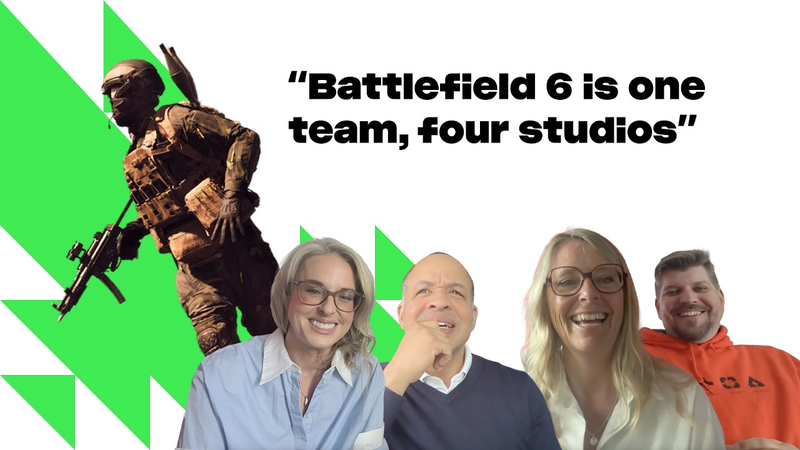
As a Battlefield studio, is Criterion Games really still Criterion?
Criterion Games has evolved from its origins as an independent developer of high-octane racing titles like Burnout and Need for Speed into a foundational pillar of the Battlefield franchise.
- Criterion Games has transitioned from an independent racing developer into a core support studio for the Battlefield franchise, working alongside DICE, Ripple Effect, and Motive.
- The studio maintains its creative identity by applying its historical expertise in high-octane, responsive gameplay mechanics to the Battlefield live-service model.
- Nearly 25% of the studio's workforce has over a decade of tenure, providing the institutional knowledge necessary to preserve the studio's design culture during its integration into a larger ecosystem.
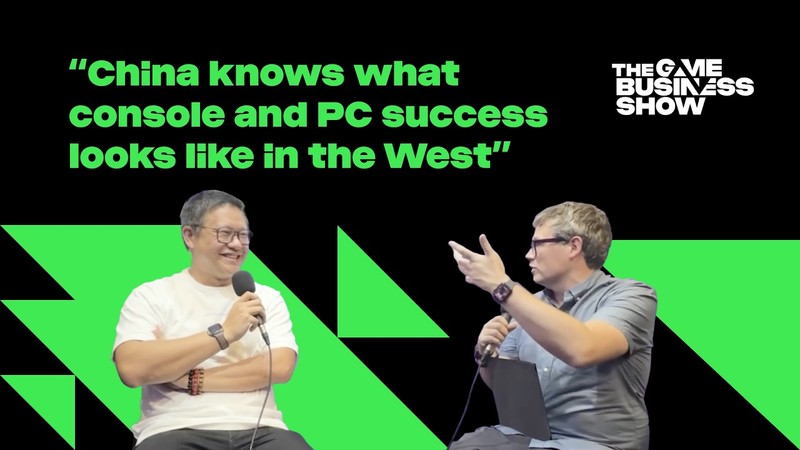
Tencent’s bid to create the next FromSoftware and Larian
Tencent Games, through its Interactive Entertainment and Game Global (IEG) division, is actively pursuing a long-term strategy to cultivate category-leading game studios capable of achieving the global success seen by developers like FromSoftware and Larian.
- Tencent is shifting its global strategy to cultivate category-leading studios capable of producing high-quality console and PC titles, modeled after the success of FromSoftware and Larian.
- The company currently manages approximately 20 studios worldwide, utilizing a 'long game' approach that prioritizes creative autonomy and operational support over rigid corporate oversight.
- Tencent is leveraging the global success of Chinese-developed titles like Black Myth: Wukong to bridge the gap between its traditional mobile-centric expertise and the high-end console market.
Tencent’s Bid to Create the Next FromSoftware and Larian
Tencent is actively shifting its global strategy to cultivate high-quality, genre-defining studios capable of achieving the same long-term success as industry leaders like FromSoftware and Larian.
- Tencent is prioritizing a long-term investment strategy for its international studios, aiming to replicate the success of FromSoftware and Larian by supporting developers as they iterate on specific genres over multiple titles.
- Tencent oversees approximately 20 international studios and provides support for various global investments, with a focus on identifying and fostering high-quality talent capable of becoming category leaders.
- Tencent is advising its studios to maintain smaller, core teams during the early concept and pre-production phases of development, scaling up with internal or outsourced teams only after the creative vision is proven.
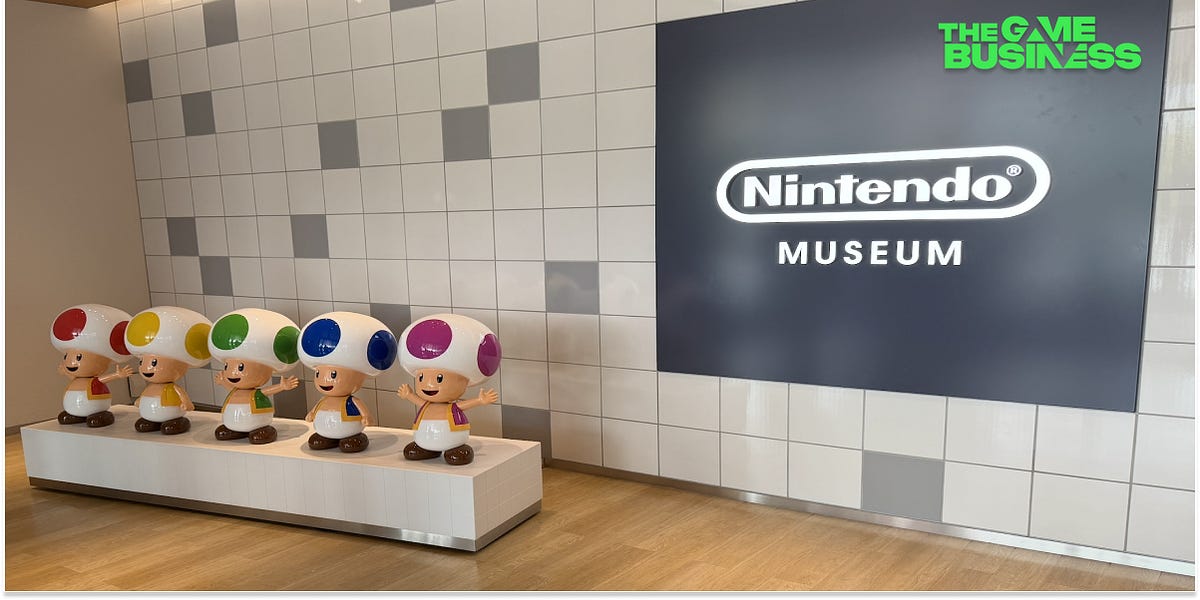
Here’s The Dring: Nintendo’s Kyoto Museum
The Nintendo Museum in Kyoto serves as a strategic focal point for understanding the company’s broader initiative to leverage physical experiences as a core component of its business model.
- Nintendo is leveraging physical experiences, such as its Kyoto Museum, to bridge its historical legacy with its future business strategy.
- The Game Business platform has reached a milestone of over 30,000 subscribers as of September 2026.
- Industry analysis for the final quarter of 2026 is heavily focused on the anticipated market impact of the release of GTA 6.
Is Xbox making the right decisions? Plus, how AI is (and isn’t) transforming game localization
Xbox is currently executing a major organizational reset aimed at improving profit margins and stabilizing its portfolio.
- Xbox is undergoing a major organizational reset, cutting 206 positions and consolidating development efforts under the Activision and Bethesda umbrellas.
- The company is shifting its strategic focus to core franchises, including the transfer of the Halo intellectual property to Activision.
- As part of its restructuring to improve profit margins, Xbox is divesting studios such as Ninja Theory and Undead Labs.
Is Xbox Making the Right Decisions? Plus, How AI Is Transforming Game Localization
The gaming industry is currently undergoing significant structural shifts, characterized by aggressive corporate restructuring at Xbox and the evolving integration of artificial intelligence in localization services.
- Xbox is undergoing a major structural reset, including 268 job cuts and the consolidation of studios like Rare, World’s Edge, and the Halo IP under Activision, while Obsidian moves to Bethesda.
- The Halo franchise is being transferred to Activision to revitalize the series, as previous efforts under 343 Industries (Halo Studios) failed to meet performance expectations.
- Xbox’s strategic shift follows poor financial performance, where aggressive studio acquisitions failed to drive expected growth in Game Pass subscriptions or console market share.
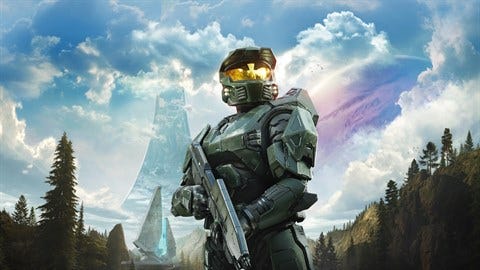
Halo to Activision: Xbox Merges Studios and Cuts 268 Jobs
Xbox has initiated a significant organizational restructuring, resulting in 268 job cuts across its internal studios and central operations.
- Xbox is cutting 268 jobs across Halo Studios, the Xbox Game Studios central organization, and other first-party teams as part of an ongoing restructuring process.
- Halo development is being transferred to Activision, which will lead both existing projects and the creation of a new, purpose-built team for the next title in the franchise.
- Rare and World’s Edge have been moved to report under Activision, while Obsidian will now report directly to Bethesda.
Why a New-Look Rainbow Six Team Is Looking to Its Past
The leadership of Rainbow Six: Siege is currently navigating a period of organizational transition and strategic realignment, focusing on a return to the game’s gritty, tactical roots.
- Ubisoft has moved Rainbow Six: Siege under the new Vantage Studios division, a unit 26% owned by Tencent following a €1.16 billion investment.
- The development team for Rainbow Six: Siege is rejecting the development of a 'Siege 2,' citing the modular nature of the existing engine and the prohibitive cost of shutting down the live game to rebuild it.
- The game's player base is shifting toward a younger demographic that favors high-performance settings and 'run and gun' gameplay, forcing a change in the game's meta and development focus.
Rainbow Six: Siege boss: We'll treat our players like kings and queens when GTA 6 comes out
Rainbow Six: Siege maintains its long-term viability by prioritizing a service-oriented model that emphasizes technical stability and tactical depth over the development of a sequel.
- Ubisoft is prioritizing long-term player retention and service quality to mitigate potential market disruption caused by the upcoming release of GTA 6.
- The development team manages a workforce of over 600 people to maintain the game through a modular architecture that avoids the need for a full sequel rebuild.
- The studio is leveraging a strategic partnership with Tencent to improve communication, bolster regional expansion, and enhance security protocols following previous cyberattacks.
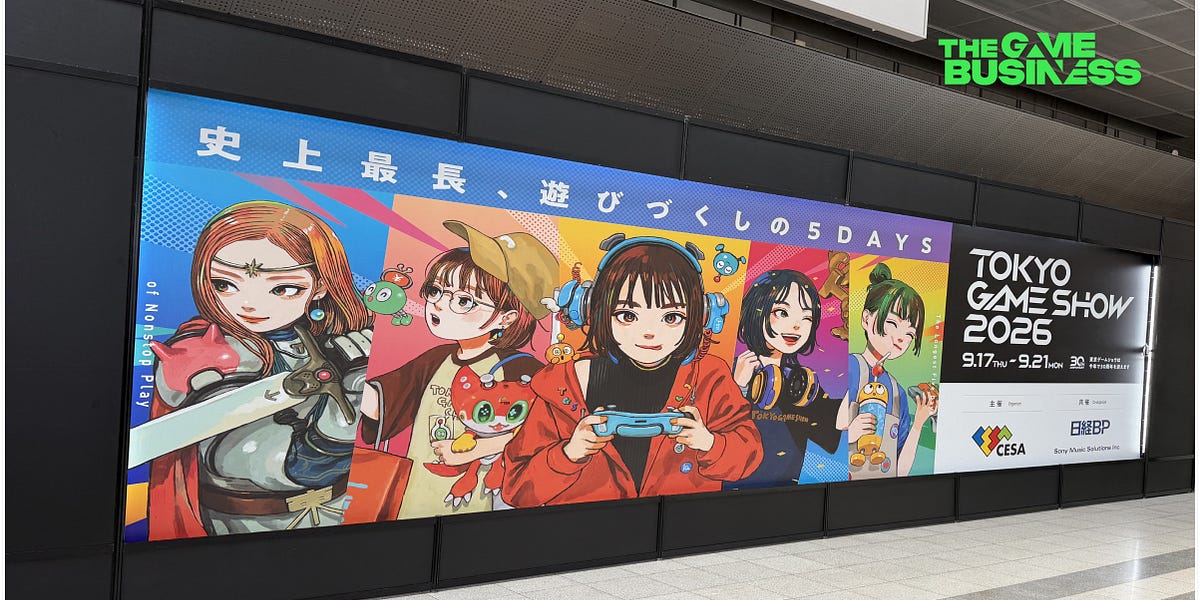
Seven Things from Tokyo Game Show 2026
The 2026 Tokyo Game Show serves as a focal point for assessing the current trajectory of the Japanese video game industry.
- The 2026 Tokyo Game Show is characterized by a heavy reliance on established console-based franchises, creating an atmosphere that feels reminiscent of the industry in 2010.
- Prominent marketing and presence at the event are dominated by legacy intellectual properties, including Professor Layton, Fire Emblem, Crazy Taxi, and Final Fantasy.
- While the event maintains a sense of excitement and high activity, the focus remains firmly on traditional, long-standing Japanese gaming brands rather than new market innovations.
Five Things We’ve Learned About Japan’s Games Industry: How GTA 6 Influenced Valor Mortis’ $40 Price Point
This analysis provides an overview of the Japanese video game market in 2026 and examines strategic pricing decisions within the global publishing landscape.
- The Japanese console gaming industry is performing strongly, with six of the eight major companies trading at or near all-time highs.
- Nintendo maintains a 70% market share of all gaming content in Japan, a position analysts credit with preventing the total collapse of the country's console market.
- PC gaming has grown to represent 12.5% of the Japanese market in 2026, up from 5% in 2019, driven by pandemic-era console shortages and the popularity of titles like PUBG.
The state of Japan's video game industry, plus how GTA 6 influenced Valor Mortis' $40 price point
Japan’s video game industry remains a global powerhouse, anchored by the enduring success of console giants like Nintendo and Capcom.
- Japan’s video game market generates $17 billion annually, with the $12 billion mobile sector facing increased competition from Chinese developers like Tencent and NetEase.
- PC gaming in Japan has more than doubled its market share since 2019, driven by pandemic-era consumer habits and increased publisher support.
- Lyrical Games is pricing its upcoming title, Valor Mortis, at $40 to position it as a high-value 'triple-I' alternative to massive AAA releases like GTA 6.