
Replay. The Polish Journal of Game Studies
Open-access game studies journal published by Lodz University Press, in English and Polish.
Documents
Gamebook Enriched with the Literary Past: An Analysis of the Paragraph Game "Dziady Część V"
Mikołaj Kołyszko’s Dziady część V serves as a definitive case study in the evolution of the gamebook format, demonstrating how interactive literature can effectively bridge the divide between classical high art and contemporary digital media.
(Post)pandemic Academia, or Rising from the Ashes
This analysis examines the intersection of digital gaming, academic discourse, and global crises, specifically focusing on how the COVID-19 pandemic and political instability have shaped recent game studies research.
Inhabiting Other Bodies: Animal Characters and Avatars
Video games featuring non-human protagonists, such as Stray or Shelter 2, function as sophisticated interfaces for exploring the phenomenological experience of the animal Other.
The Art Presence of Videogames
The art history of videogames challenges the traditional tech-progressive narrative of the medium, which often prioritizes console wars and market crashes.
Computer Games as a Subject of Psychological Research: Negative and Positive Aspects of Gaming
Psychological research regarding computer games has evolved from a narrow focus on pathology toward a more nuanced understanding of the medium’s multifaceted impact on human behavior.
- The World Health Organization (WHO) officially recognized 'gaming disorder' in the ICD-11, defining it by impaired control over gaming frequency and intensity, and the prioritization of gaming over daily life despite negative consequences.
- Research on the link between violent video games and real-world aggression remains inconclusive, with multiple studies—including those by Winkel et al. (1987) and Tear and Nielsen (2013)—failing to identify a causal connection between game content and aggressive behavior or reduced prosocial actions.
- Gaming has demonstrated potential as a therapeutic and educational tool, with studies showing that action games can improve visual attention, mental rotation skills, and literacy outcomes in children, including those with dyslexia.
Feeling the Narrative Control(ler): Casual Art Games as Trauma Therapy
Casual art games, characterized by their non-competitive nature and focus on aesthetic immersion, function as potent instruments for trauma therapy.
- Casual art games like Spiritfarer (Thunder Lotus Games, 2020) and Mutazione (Die Gute Fabrik, 2019) function as therapeutic tools by providing non-competitive, low-stakes environments that allow players to process grief and trauma.
- These games utilize specific aesthetic strategies, such as calming pastel color palettes, non-harsh musical scores, and 2D art styles, to create a physiological sense of safety that encourages emotional engagement.
- Player agency is central to the therapeutic value of these titles, as mechanics like choosing when to let go of characters or deciding how to respond to traumatic disclosures allow users to practice emotional regulation without the risk of failure.
O Gropowiastkach
The provided text introduces the concept of "game-satires" (gropowiastki) as a new analytical category for digital games.
The Aesthetics of Speedrunning: Performances in Neo-Baroque Space
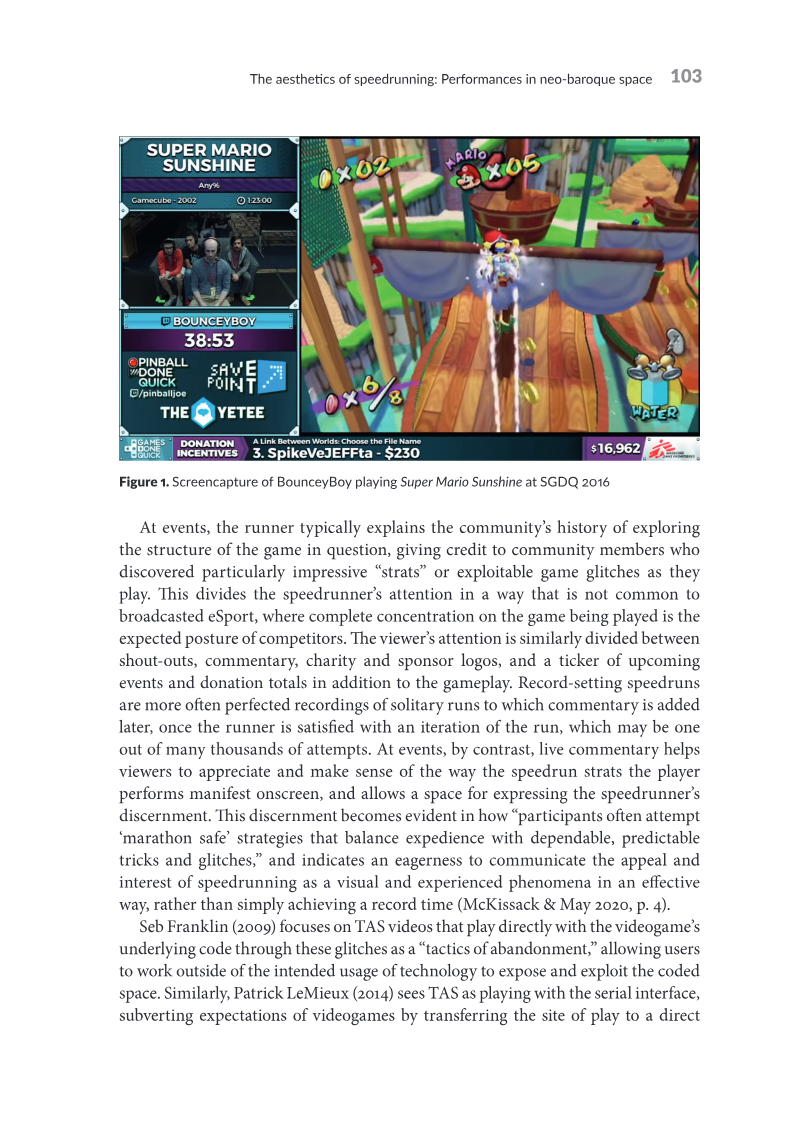
Speedrunning functions as a sophisticated aesthetic performance that fundamentally alters the relationship between players, spectators, and digital environments.
A Tale of Two Eberts: Videogames and the Arbitrariness of Meaning
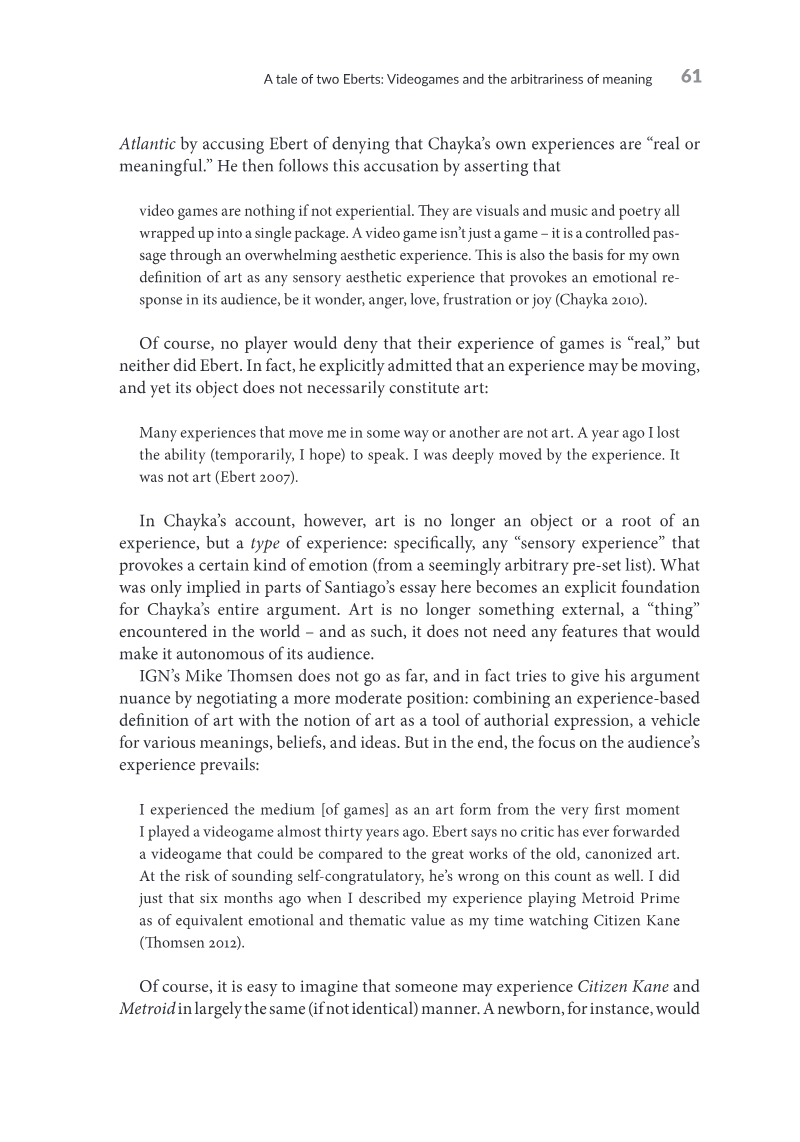
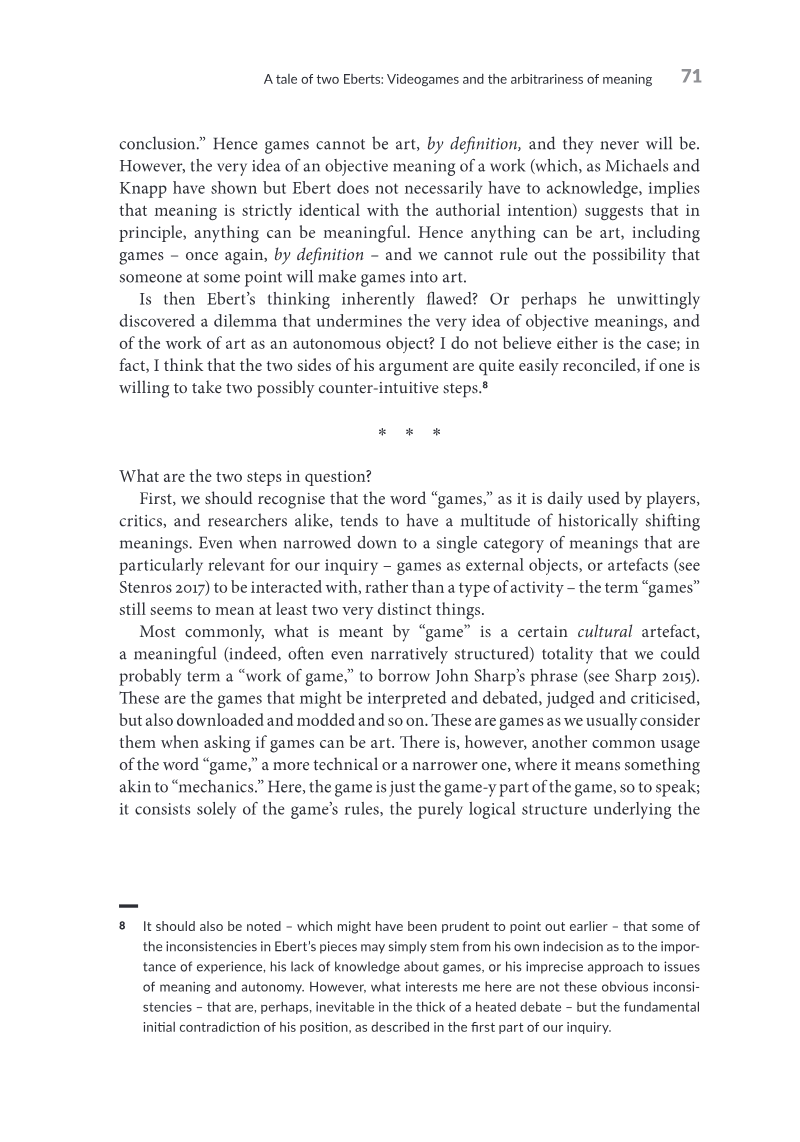
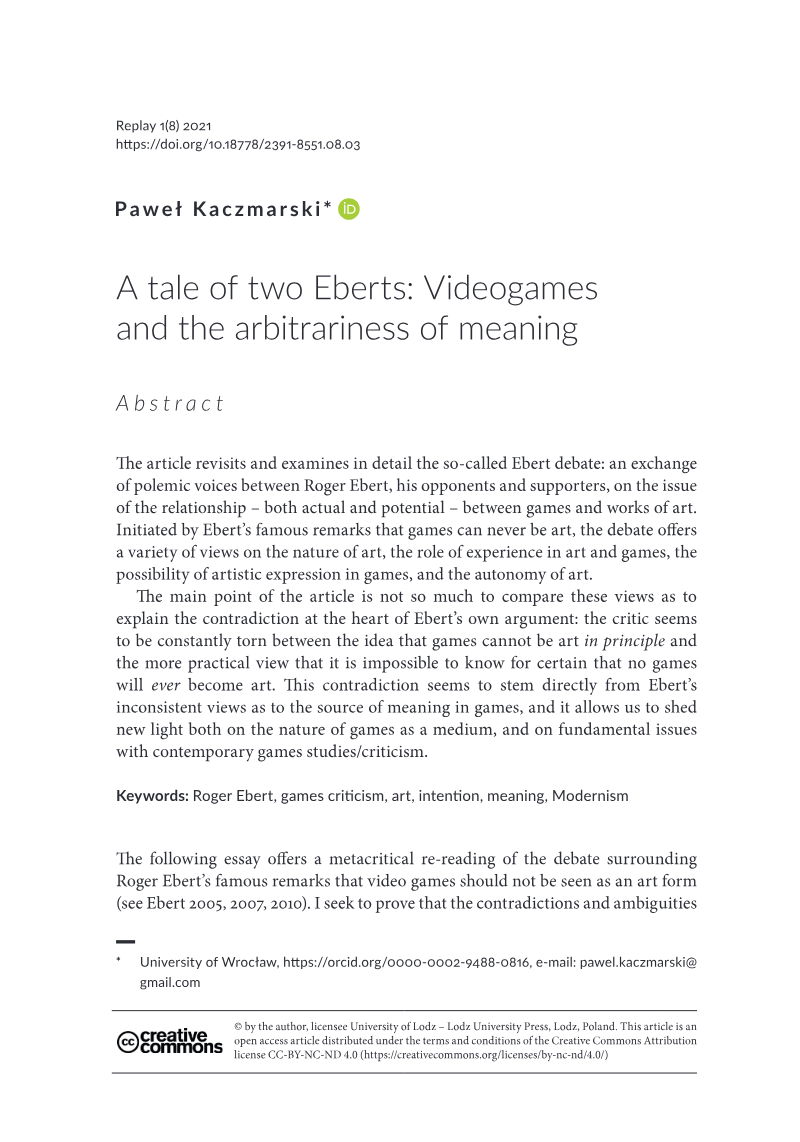
The debate surrounding the artistic legitimacy of video games centers on a fundamental conflict between essentialist definitions of art and the subjective, experiential nature of interactive media.
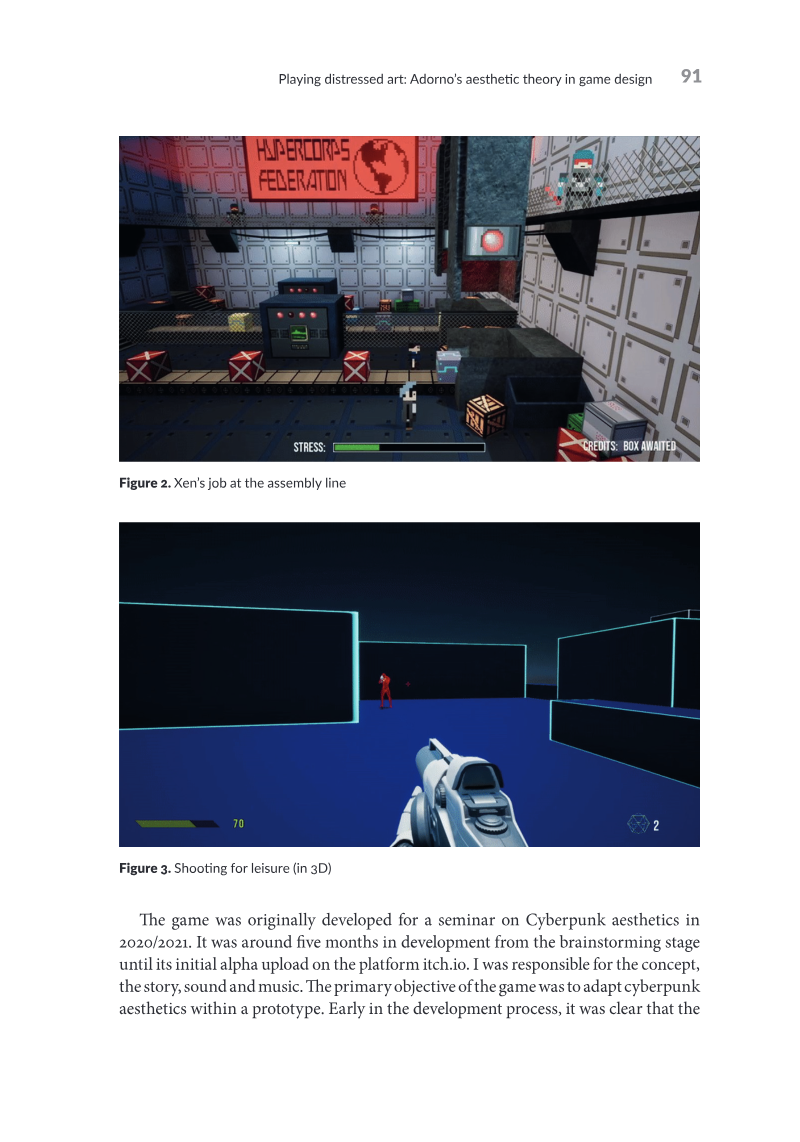
Playing Distressed Art: Adorno’s Aesthetic Theory in Game Design
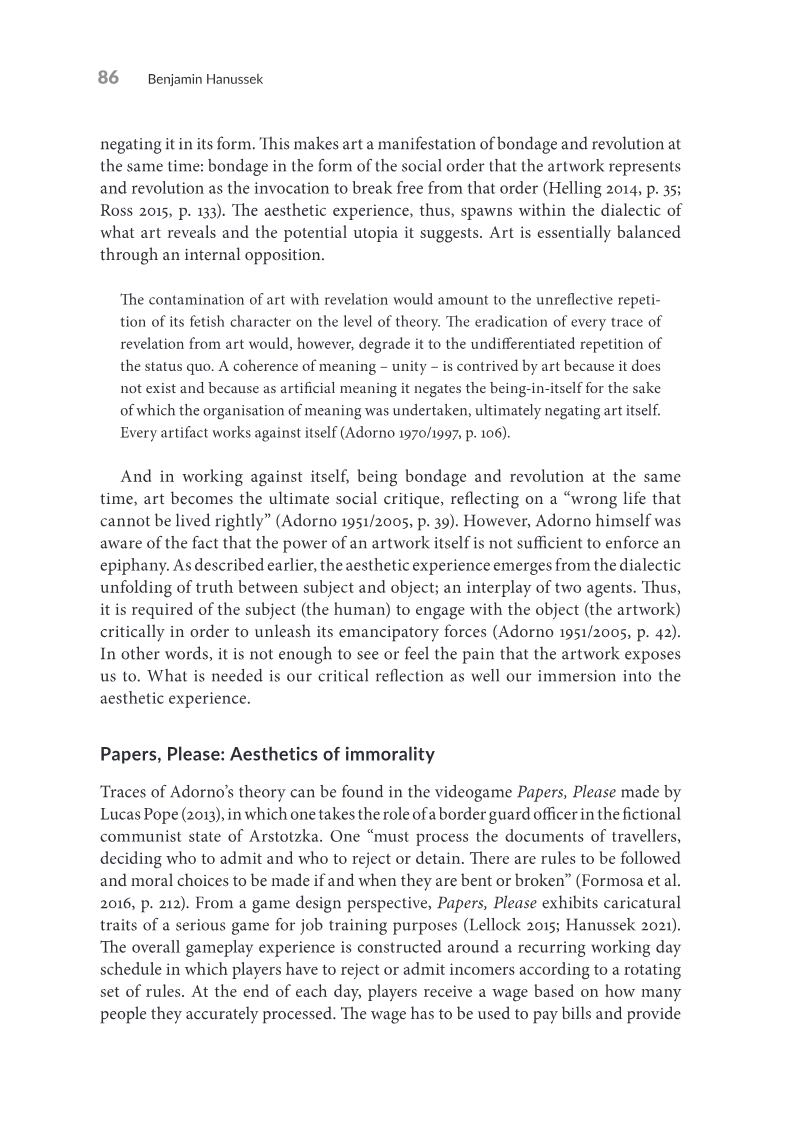
Video games possess the capacity to function as profound works of art by adopting the principles of Theodor Adorno’s aesthetic theory.
- The ontological debate over whether games are art is less productive than applying aesthetic theories, such as Theodor Adorno’s, to analyze how game design can function as social critique.
- Adorno’s aesthetic theory posits that true art must act as both 'bondage' and 'revolution,' revealing the contradictions of a 'wrong life' to provoke a critical, emancipatory response from the player.
- Games like 'Papers, Please' and 'Observer' successfully implement Adorno’s theory by simulating systemic unfairness and capitalistic alienation, forcing players into uncomfortable moral and social confrontations.
Play the Art: Artistic Value in Video Games
Video games have evolved into a legitimate and sophisticated art form that transcends traditional entertainment by leveraging technological innovation to foster profound emotional connections and deep player immersion.
16-bit Dissensus: Post-retro Aesthetics, Hauntology, and the Emergency in Video Games
Mainstream AAA video games currently operate under a hegemonic ideology of capitalist realism, prioritizing hyper-realistic graphics and stagnant, profit-driven mechanics that reinforce toxic meritocracy and exclusionary industry norms.
Do you work at Replay. The Polish Journal of Game Studies? Get a free report of how these documents are read and cited here.