1 free read left. Create a free account for unlimited reading + AI research.
Create free accountArticle Replay. The Polish Journal of Game Studies
1 free read left. Create a free account for unlimited reading + AI research.
Create free accountArticleReplay. The Polish Journal of Game Studies
Distilling the key insights…
The art history of videogames challenges the traditional tech-progressive narrative of the medium, which often prioritizes console wars and market crashes. Instead, this perspective emphasizes a long-standing heritage of games concerned with artistic, political, and personal expression. By tracing connections from pre-digital literary games to contemporary interactive works, the analysis establishes that videogames have evolved into a distinct medium for art, capable of social critique, philosophical inquiry, and transformative aesthetic experiences.
Key milestones in this history include the 1983 market recognition of videogames as an entertainment art form and the 1989 "Hot Circuits" exhibition at the Museum of the Moving Image. The discourse has since shifted from debating whether games qualify as art to investigating how their unique properties—such as interactivity, agency, and immersion—function as artistic tools. Contemporary research highlights how "art games" and "post-retro" aesthetics disrupt the hegemony of mainstream AAA titles, which are often criticized for perpetuating capitalist realism and exploitative labor practices. By utilizing glitches, subverting traditional gameplay, or implementing specific aesthetic theories, these works provide the "dissensus" necessary to challenge societal complacency.
The scope of this analysis covers the evolution of digital games from the 1980s to the present, drawing on diverse academic frameworks including philosophy, critical theory, and media studies. By examining specific titles like Braid, Passage, and Papers, Please, the research demonstrates that videogames can synthesize traditional art forms while offering novel modes of engagement. Ultimately, the medium is positioned as a powerful, evolving platform that, through both its standard mechanics and experimental "notgames," continues to reconfigure the relationship between creators, players, and the broader cultural landscape.
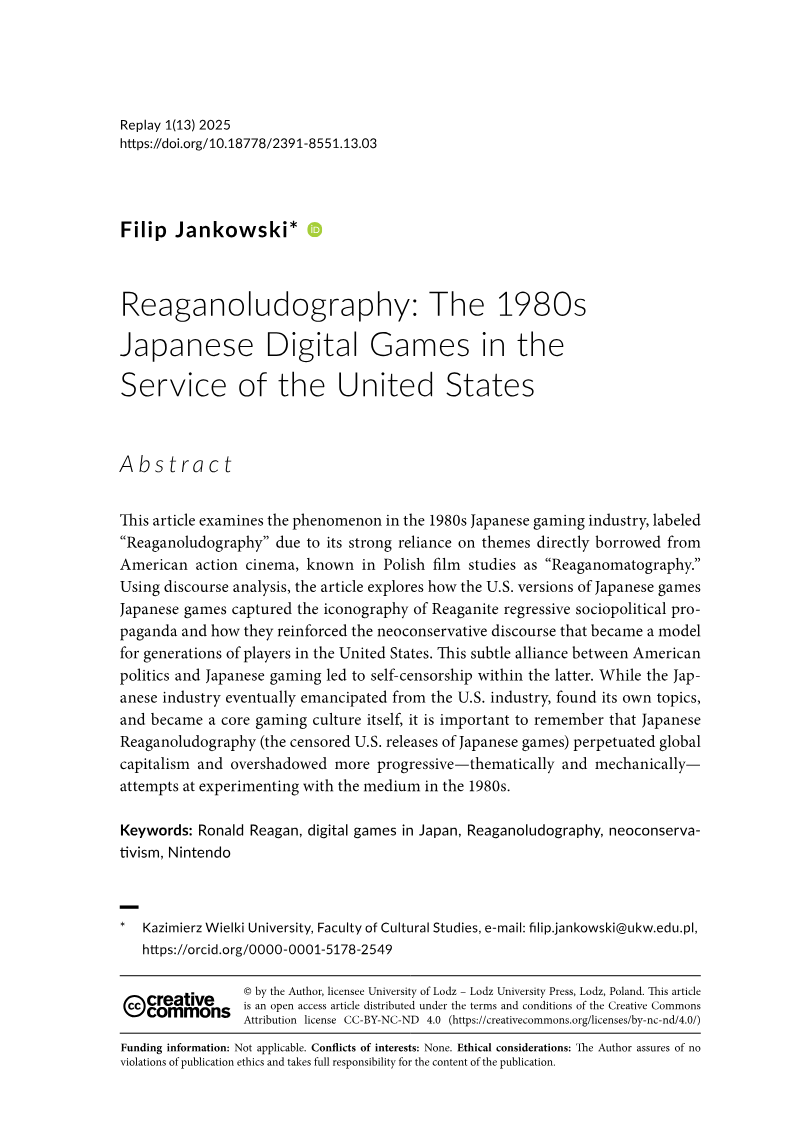
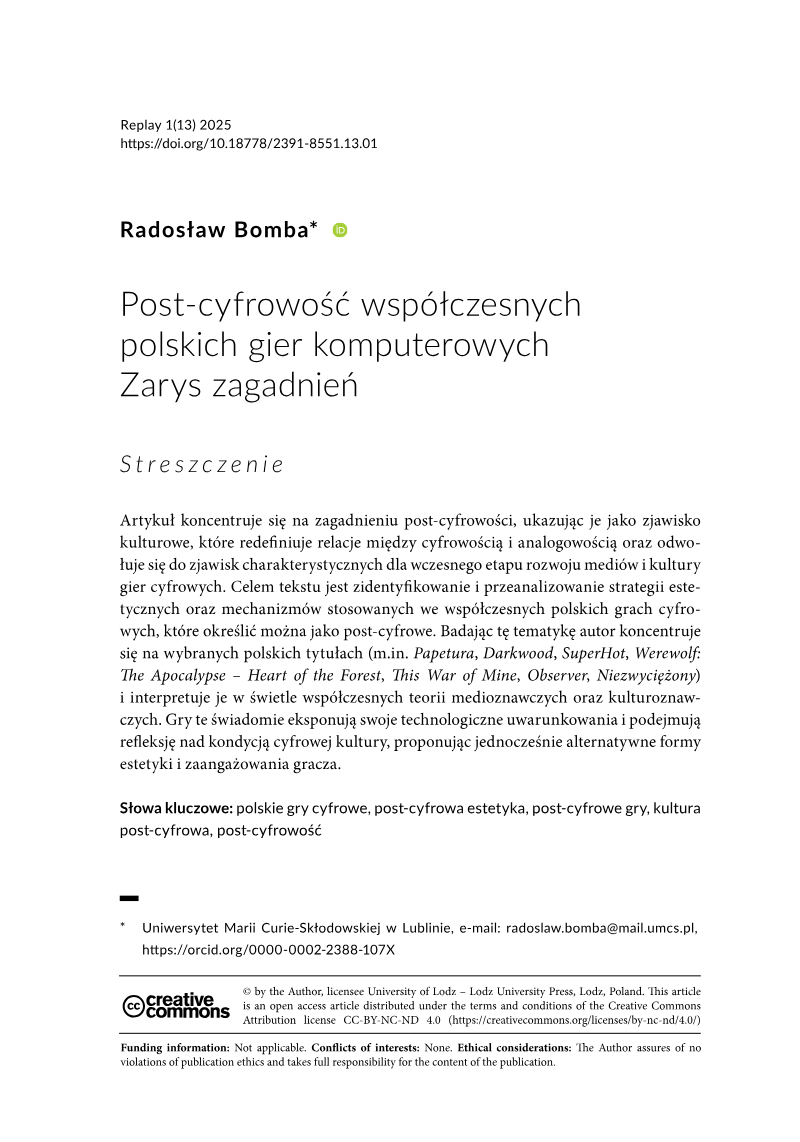
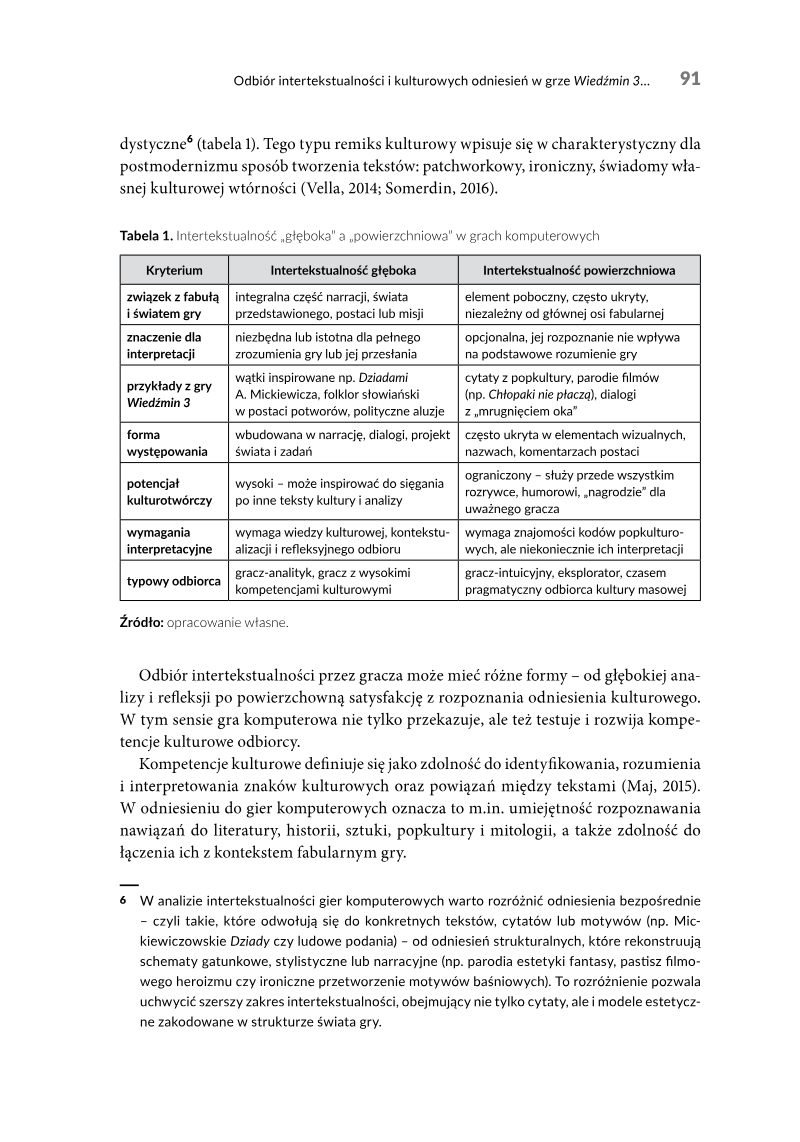
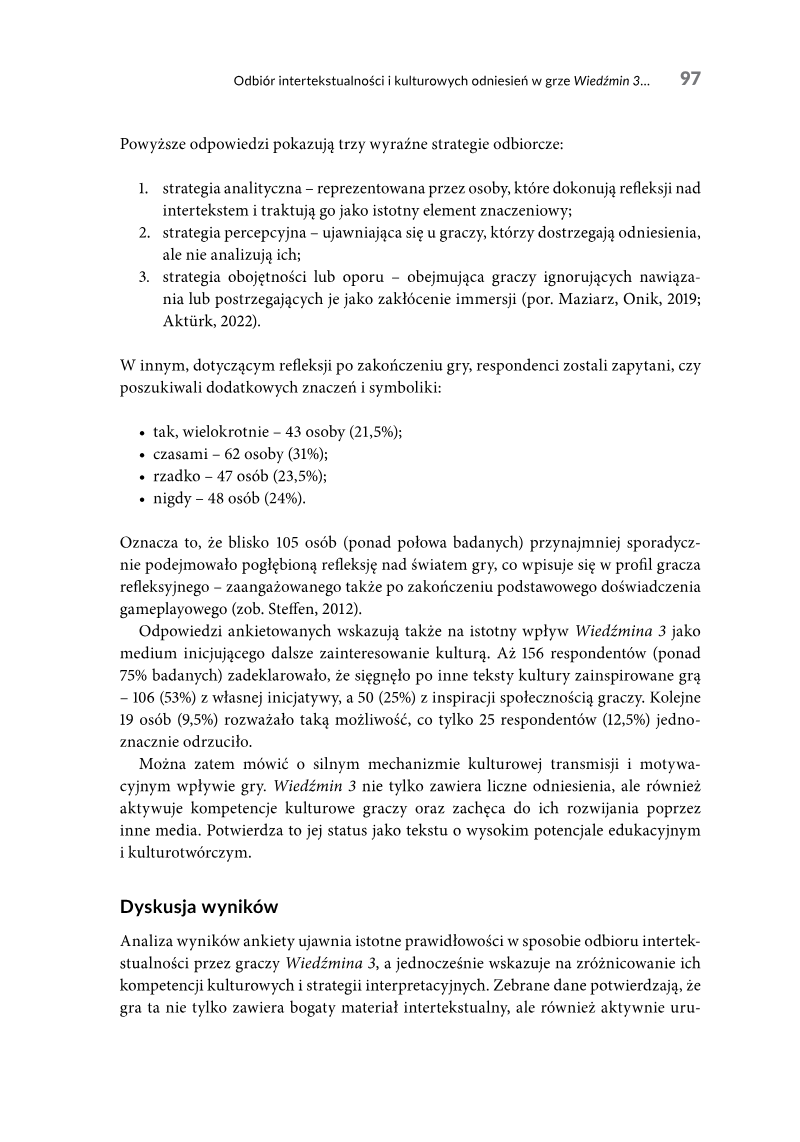
Each row is a game or company this document names, each column a document, oldest first. A mark means that document names it. Select a row to see those documents.
Replay. The Polish Journal of Game Studies · 2026
Replay. The Polish Journal of Game Studies · 2026



Replay. The Polish Journal of Game Studies · 2026
Replay. The Polish Journal of Game Studies · 2026
Replay. The Polish Journal of Game Studies · 2026
Replay. The Polish Journal of Game Studies · 2026
Replay. The Polish Journal of Game Studies · 2024
Replay. The Polish Journal of Game Studies · 2024
Replay. The Polish Journal of Game Studies · 2024
Replay. The Polish Journal of Game Studies · 2024
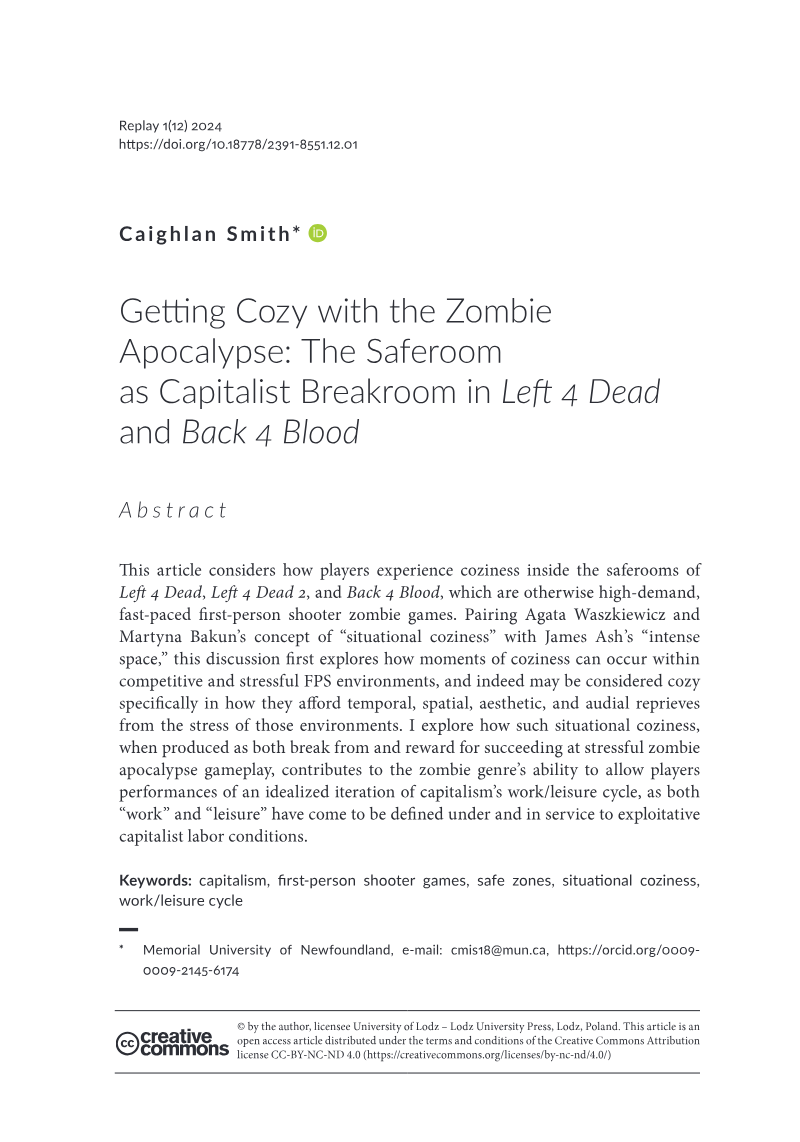
Replay. The Polish Journal of Game Studies · 2024
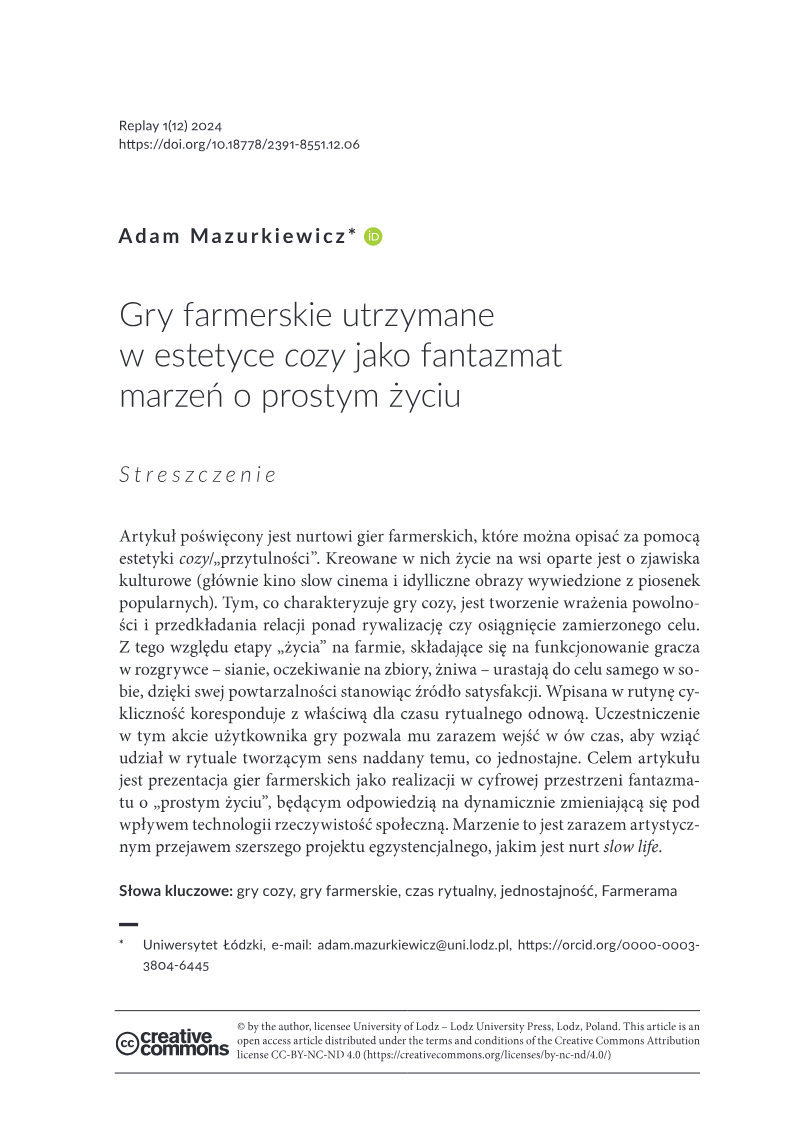
Replay. The Polish Journal of Game Studies · 2024
gamevironments · 2026