
Replay. The Polish Journal of Game Studies
Open-access game studies journal published by Lodz University Press, in English and Polish.
Documents
Live Streaming Platforms and the Critical Discourse About Video Games
Live streaming platforms such as Twitch and Douyu function as influential paratextual industries that fundamentally reshape how video games are evaluated and consumed.
Niechcący zrobiłam "Dark Souls": Gry wideo w instytucjach kultury
This analysis examines the integration of video games into cultural institutions, specifically within the GLAM sector (galleries, libraries, archives, and museums).
Ile emersji w grach?: Recenzja książki Gry wideo. Zarys poetyki
The monograph Gry wideo. Zarys poetyki by Piotr Kubiński serves as a foundational attempt to establish a rigorous, indigenous terminology for Polish game studies, a field often reliant on borrowed concepts.
Gram, więc jestem: Instancja autorska a konwencja let's play w serii File System Aging
This analysis examines the evolution of the let’s play format, contrasting the standardized, commercially driven content prevalent on platforms like YouTube with the subversive, auteur-driven approach of Robert Florence’s series, File System Aging.
Gamedec. UKW in IGDA Curriculum Framework
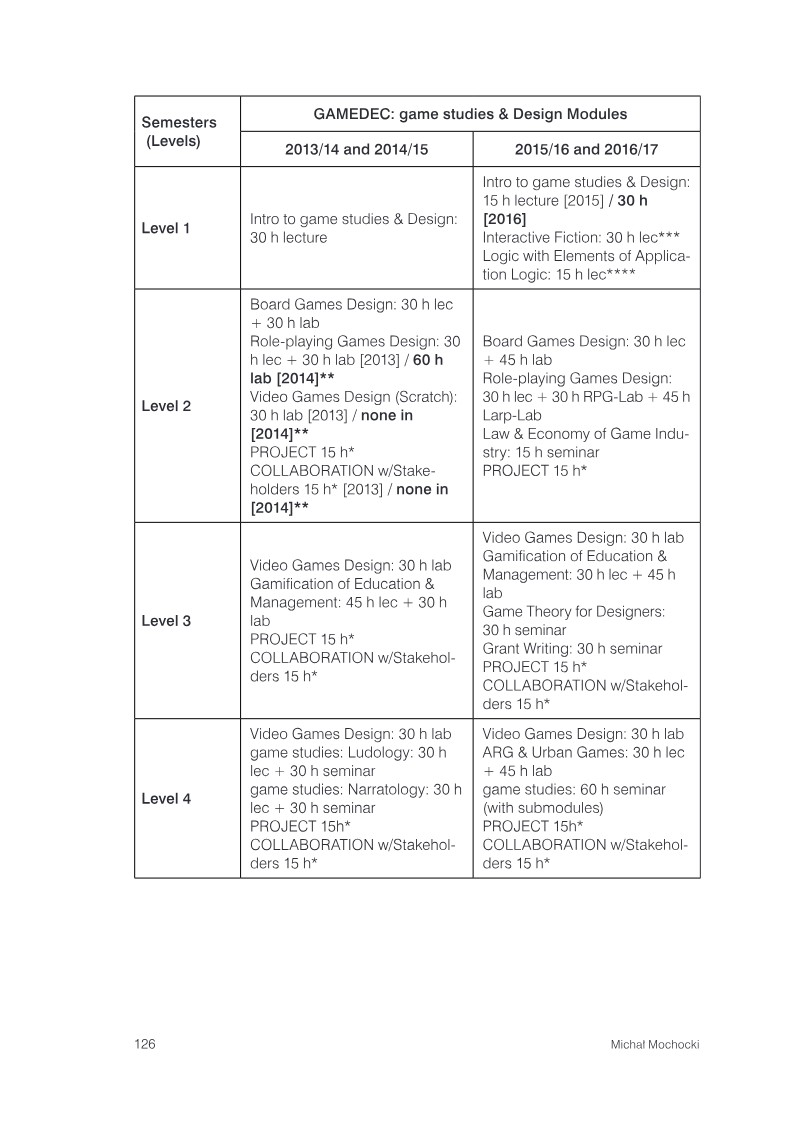
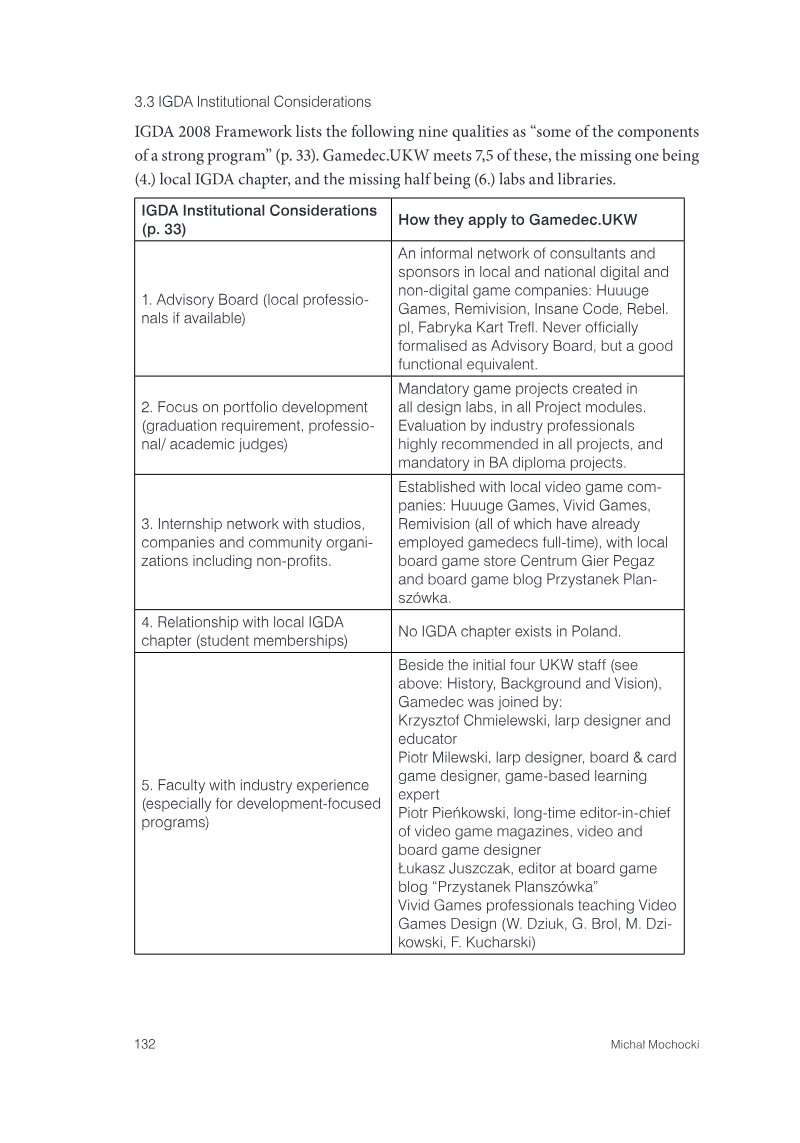
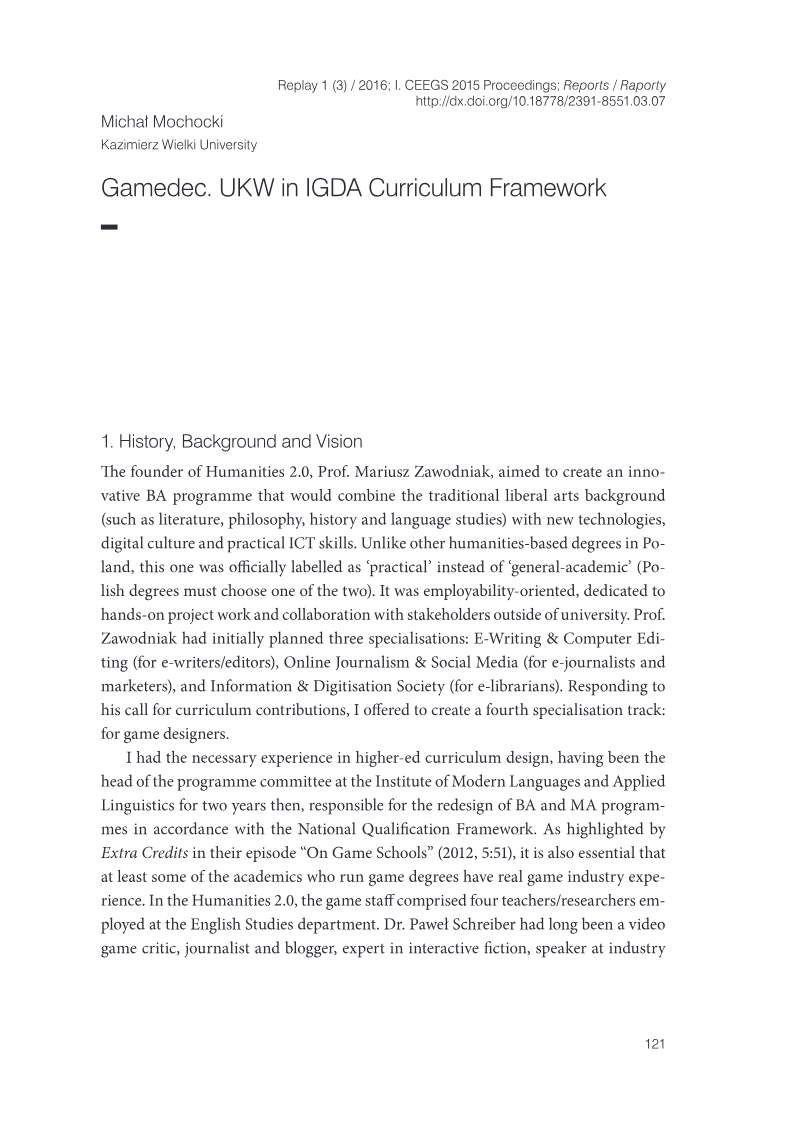
The Gamedec specialization at Kazimierz Wielki University in Poland serves as a bridge between traditional humanities education and the practical demands of the professional game industry.
Avatars Going Mainstream: Typology of Tropes in Avatar-Based Storytelling Practices
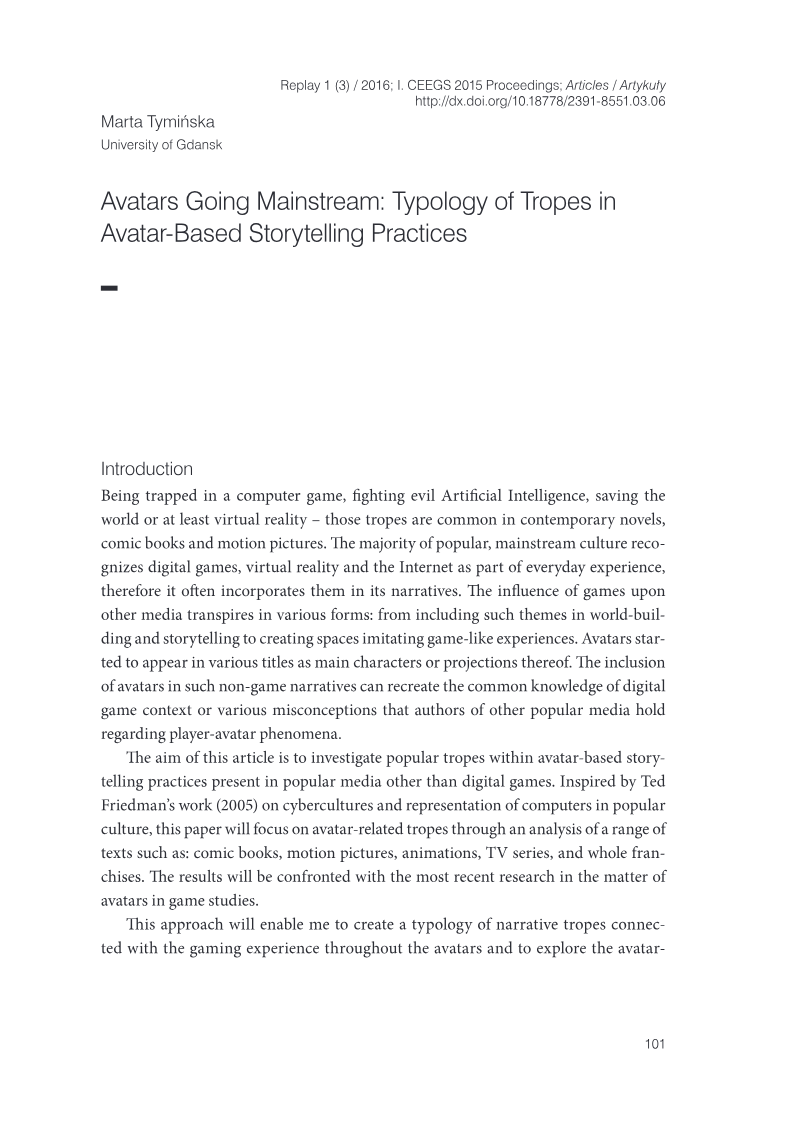
Mainstream media narratives increasingly incorporate digital game tropes to explore the intersection of human identity and virtual presence.
Who Is the Note-Worthy Fan? Featuring Players in the Official Facebook Communication of Mainstream Video Games
Mainstream video game publishers increasingly leverage user-generated content as a strategic marketing tool to drive engagement on social media platforms.
Natural User Interface for Education in Virtual Environments
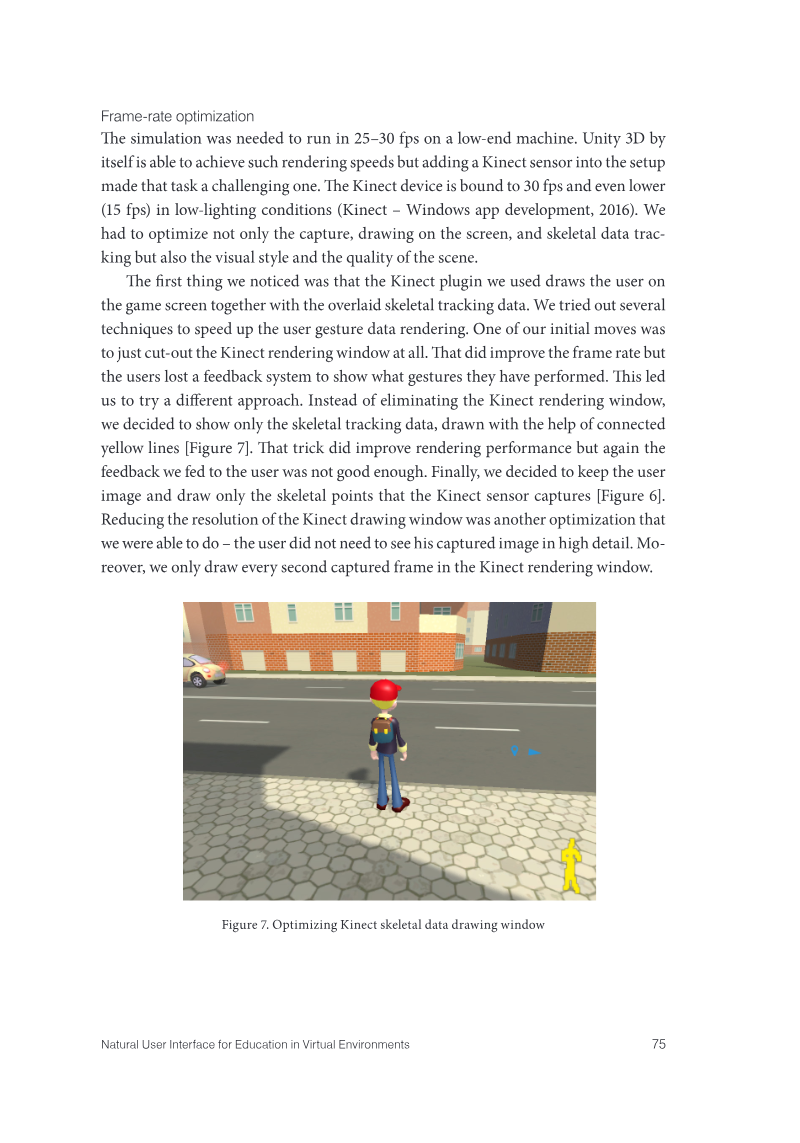
This research explores the efficacy of using a Natural User Interface (NUI) within a virtual environment to teach young children essential street safety skills.
Game Engine Conventions and Games That Challenge Them: Subverting Conventions as Metacommentary
Consumer-grade game engines function as dual-purpose entities, acting simultaneously as creative enablers and restrictive frameworks that dictate the artistic and narrative boundaries of digital projects.
Video Game Navigation: A Classification System for Navigational Acts
Video game navigation functions as a fundamental yet under-examined component of gameplay, necessitating a shift in focus from static environmental design to the active mechanics of player movement.
An Experiential Comparative Tool for Board Games
Modern board game analysis requires a shift from traditional, often imprecise genre classifications toward a structural, experiential framework.
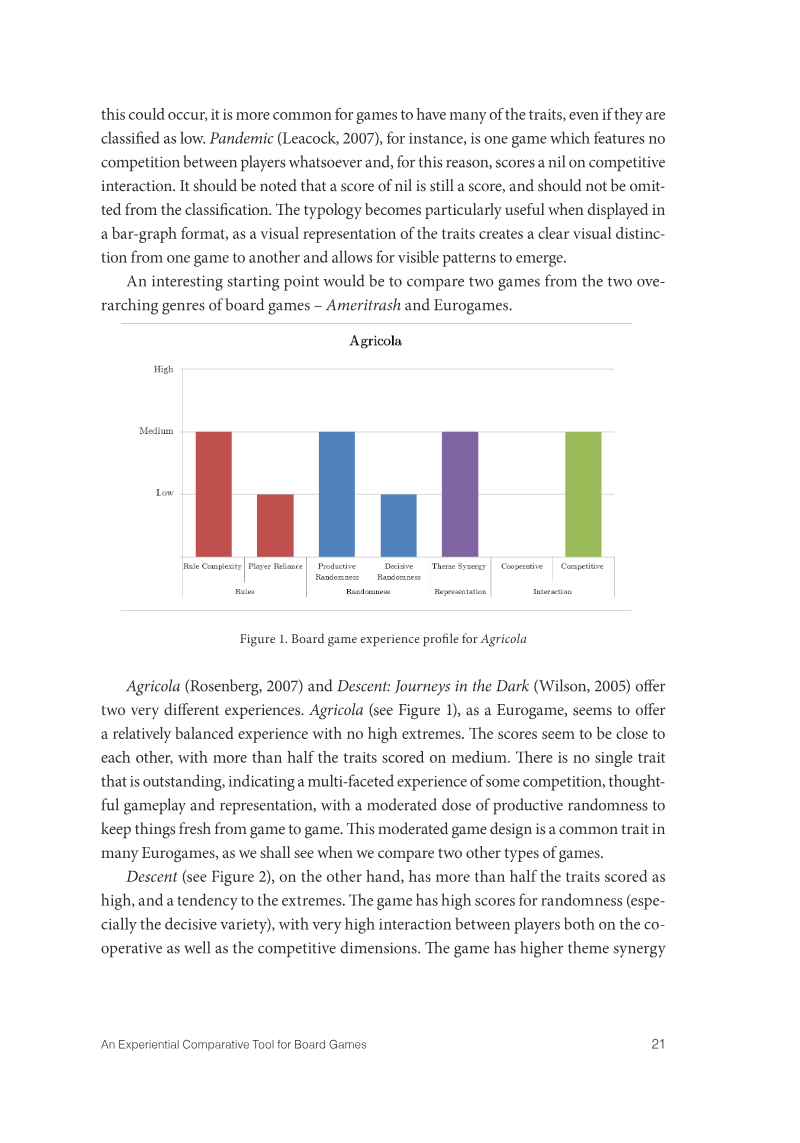
- Board games can be analyzed and differentiated through a comparative tool that measures seven key experiential traits: rule complexity, player reliance, productive randomness, decisive randomness, theme synergy, cooperative interaction, and competitive interaction.
- Rule complexity measures the time and effort required for a player to learn a game, ranging from simple systems like Dixit (2-page rulebook) to complex, exception-heavy titles like Mage Knight Board Game.
- Randomness is categorized into two distinct types: productive randomness, which provides agency through choices (e.g., betting), and decisive randomness, which dictates outcomes without player influence, such as the roll-and-move mechanics found in Monopoly.
El Presidente Experiences: Mechanisms of Capitalizing Player Productivity in Tropico, Torchlight, and Diablo
This analysis examines how video game developers capitalize on player productivity, defined as the investment of time, skills, and cultural capital to generate value for a title.
- Game developers increasingly design mechanics that prioritize the capitalization of player productivity—defined as both gameplay efficiency and the creation of fan-made modifications—over traditional notions of player skill.
- In Tropico III (2009), success is tied to the adoption of authoritarian and neocolonial management styles, forcing players to internalize and execute specific ideological patterns to progress.
- Diablo III (2012) and Torchlight II (2012) utilize different strategies for player engagement: Blizzard focused on centralizing gameplay through online systems and auction houses to monetize play, while Runic Games leveraged expressive productivity by encouraging community-driven modding.
Do you work at Replay. The Polish Journal of Game Studies? Get a free report of how these documents are read and cited here.