1 free read left. Create a free account for unlimited reading + AI research.
Create free accountWhitepaper Replay. The Polish Journal of Game Studies
1 free read left. Create a free account for unlimited reading + AI research.
Create free accountWhitepaperReplay. The Polish Journal of Game Studies
Distilling the key insights…
Speedrunning functions as a sophisticated aesthetic performance that fundamentally alters the relationship between players, spectators, and digital environments. By applying Neo-Baroque theory to contemporary gaming, this practice reveals that video games are not static, singular works but rather malleable, polydimensional spaces. Through the strategic exploitation of game code, glitches, and sequence breaking, speedrunners dismantle the intended narrative and spatial logic of a game, transforming linear experiences into fragmented, virtuosic displays of technical mastery.
This phenomenon operates as a form of frame-breaking that exposes the underlying functional architecture of digital worlds. By stripping away the illusion of a coherent, designed environment, speedrunners reveal the raw technological structures beneath the surface. These performances create alternative, emergent narratives and unique digital textures that exist entirely outside the original design parameters. Consequently, the game is repurposed from a consumer product into a collaborative canvas for creative experimentation and technical discovery.
The speedrunning community functions as a specialized art world that values this performative virtuosity and collective strategy development. This shift in engagement highlights a broader evolution in contemporary media consumption, where the value of a digital work is increasingly derived from the player’s ability to reconfigure and transcend its programmed constraints. Ultimately, speedrunning serves as a significant aesthetic phenomenon that challenges traditional definitions of play, positioning the digital environment as an open-ended space for ongoing, collaborative artistic expression.
Replay. The Polish Journal of Game Studies · 2026
Replay. The Polish Journal of Game Studies · 2026



Replay. The Polish Journal of Game Studies · 2026
Replay. The Polish Journal of Game Studies · 2026
Replay. The Polish Journal of Game Studies · 2026
Replay. The Polish Journal of Game Studies · 2026
Replay. The Polish Journal of Game Studies · 2024
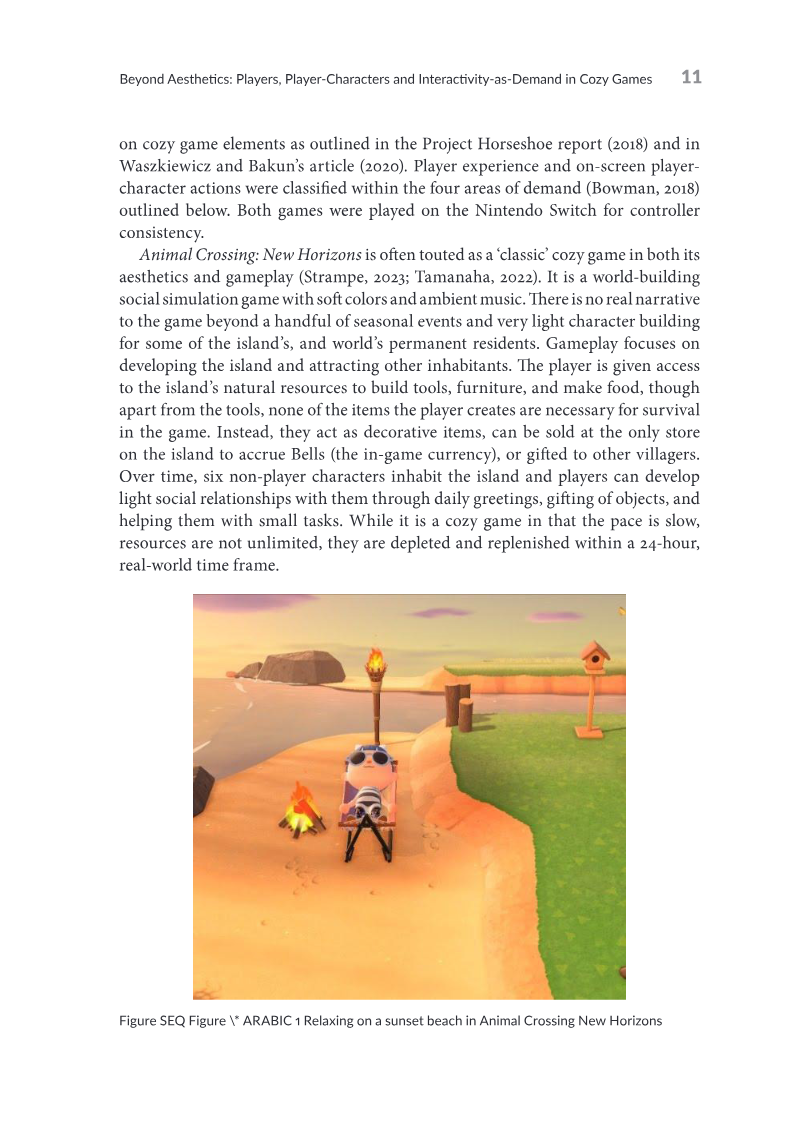
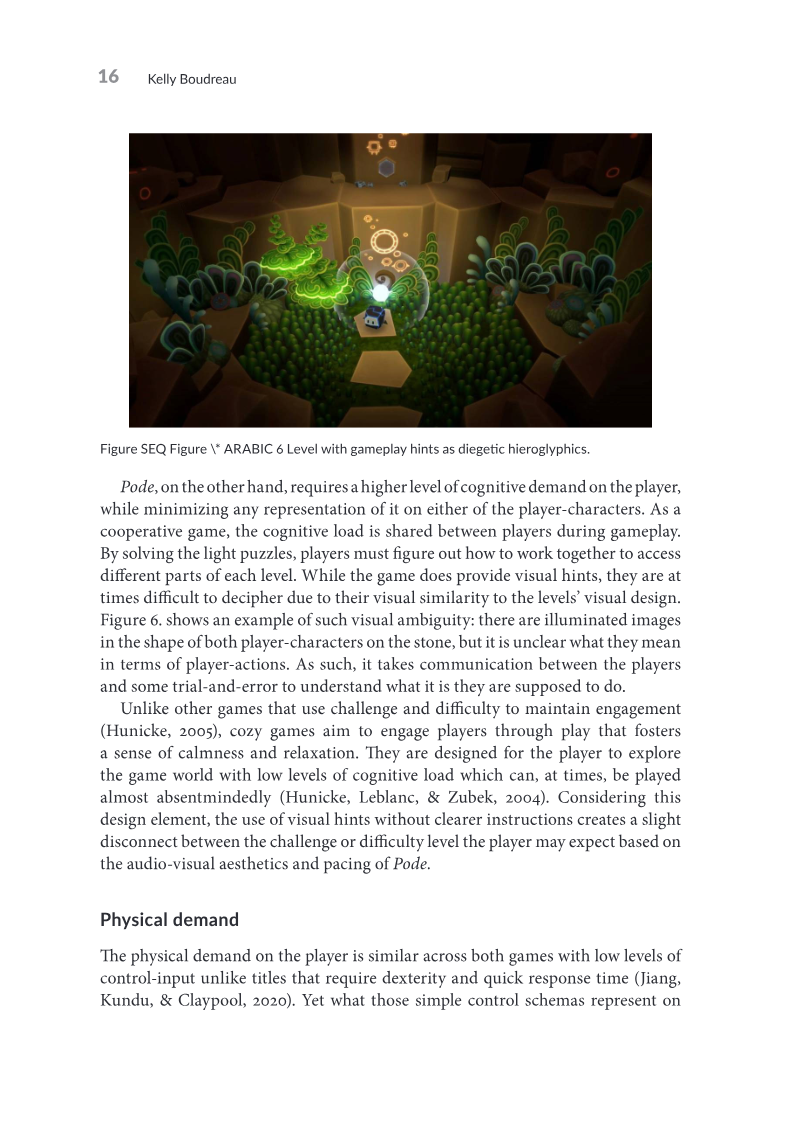
Replay. The Polish Journal of Game Studies · 2024
Replay. The Polish Journal of Game Studies · 2024
Replay. The Polish Journal of Game Studies · 2024
Replay. The Polish Journal of Game Studies · 2024
Replay. The Polish Journal of Game Studies · 2024
gamevironments · 2026