1 free read left. Create a free account for unlimited reading + AI research.
Create free accountWhitepaper Replay. The Polish Journal of Game Studies
1 free read left. Create a free account for unlimited reading + AI research.
Create free accountWhitepaperReplay. The Polish Journal of Game Studies
Distilling the key insights…
Video games featuring non-human protagonists, such as Stray or Shelter 2, function as sophisticated interfaces for exploring the phenomenological experience of the animal Other. By prioritizing embodied, multisensory gameplay over traditional human-centric narratives, these titles challenge anthropocentric paradigms and shift the player’s role from a dominant observer to a vulnerable participant within an ecosystem. Through the integration of specialized sensory modes, non-linguistic vocalizations, and haptic feedback, these games facilitate a unique form of virtual embodiment that encourages players to reconsider their relationship with non-human entities.
The primary thesis posits that these digital experiences serve as speculative tools capable of subverting neoliberal gaming tropes and fostering empathy. While the use of third-person perspectives can occasionally create a distancing effect, the deliberate design of animal avatars allows for the exploration of complex ontological questions. By moving beyond mere visual representation, these games utilize interdisciplinary design to simulate non-human perspectives, effectively blurring the boundaries between human and animal existence.
Despite the inherent risks of anthropomorphism and the limitations of human-centric design, these games remain vital for expanding the scope of critical animal studies within interactive media. The successful implementation of animal avatars requires a careful balance between game mechanics and ethical representation to avoid simplifying the animal experience. Ultimately, these virtual environments offer a transformative medium for redefining human-animal relations, providing a framework for players to engage with the Other in ways that are both ethically responsible and intellectually challenging.
Each row is a game or company this document names, each column a document, oldest first. A mark means that document names it. Select a row to see those documents.
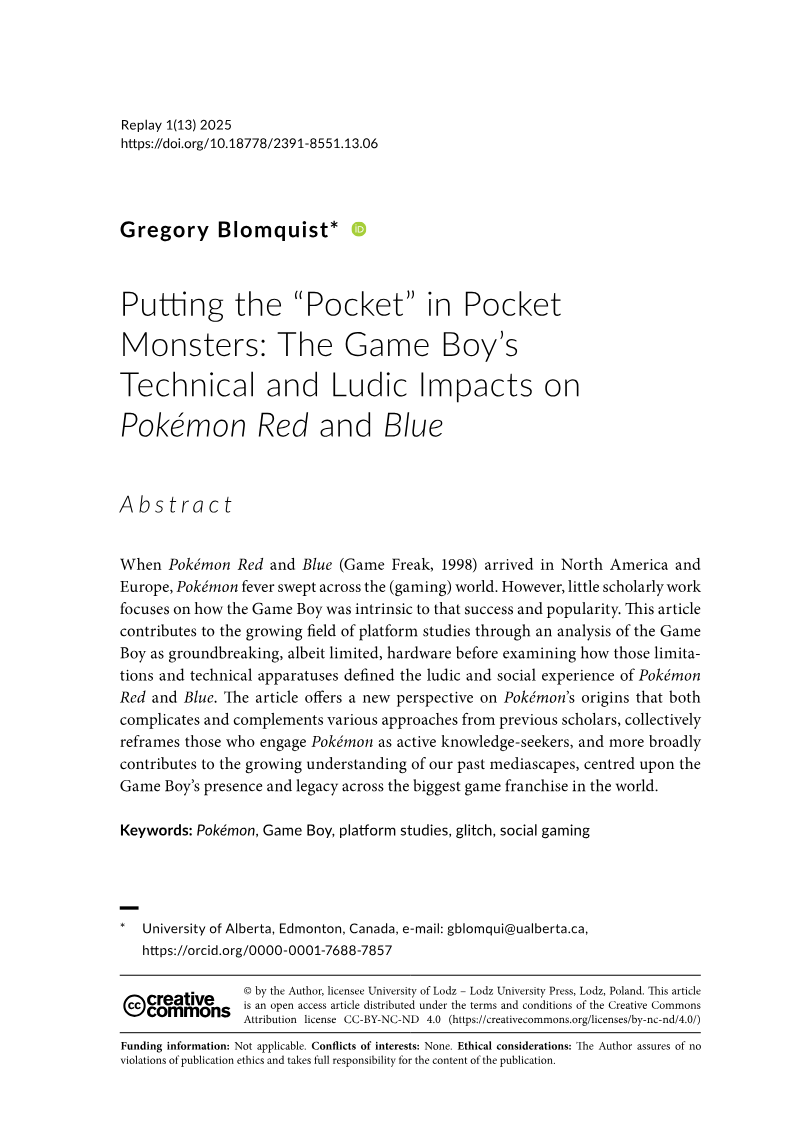
Replay. The Polish Journal of Game Studies · 2026
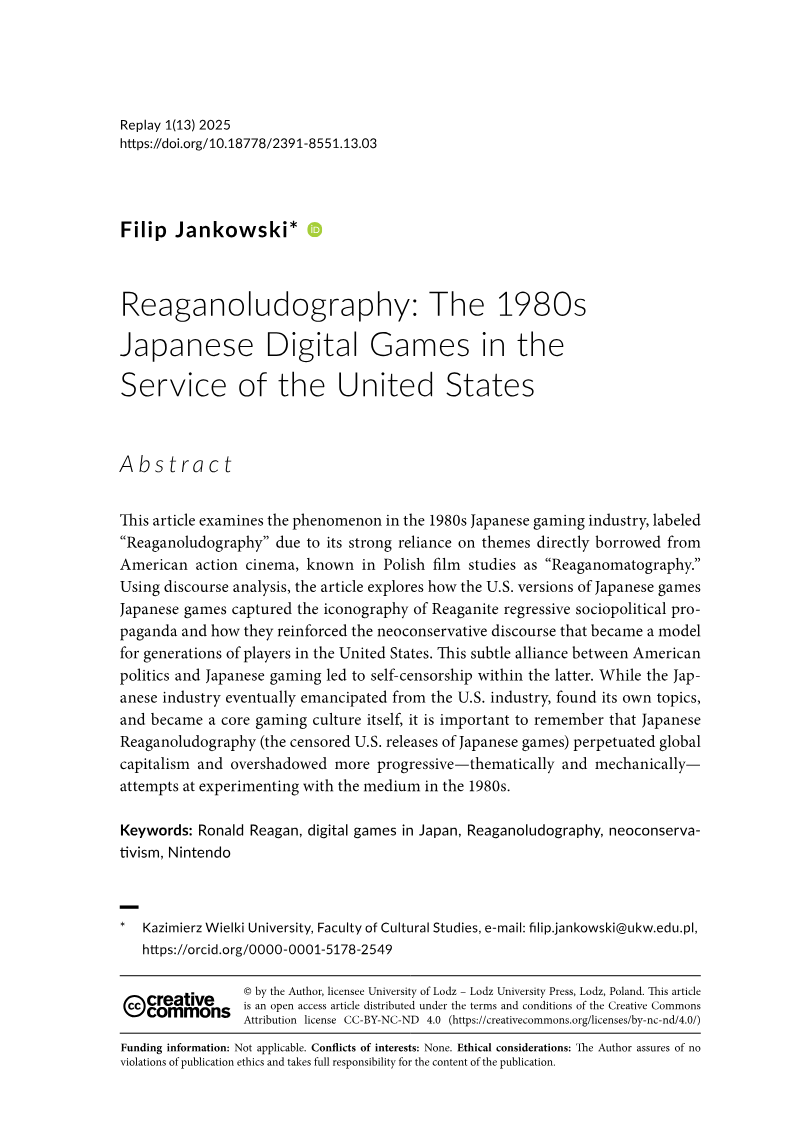
Replay. The Polish Journal of Game Studies · 2026



Replay. The Polish Journal of Game Studies · 2026
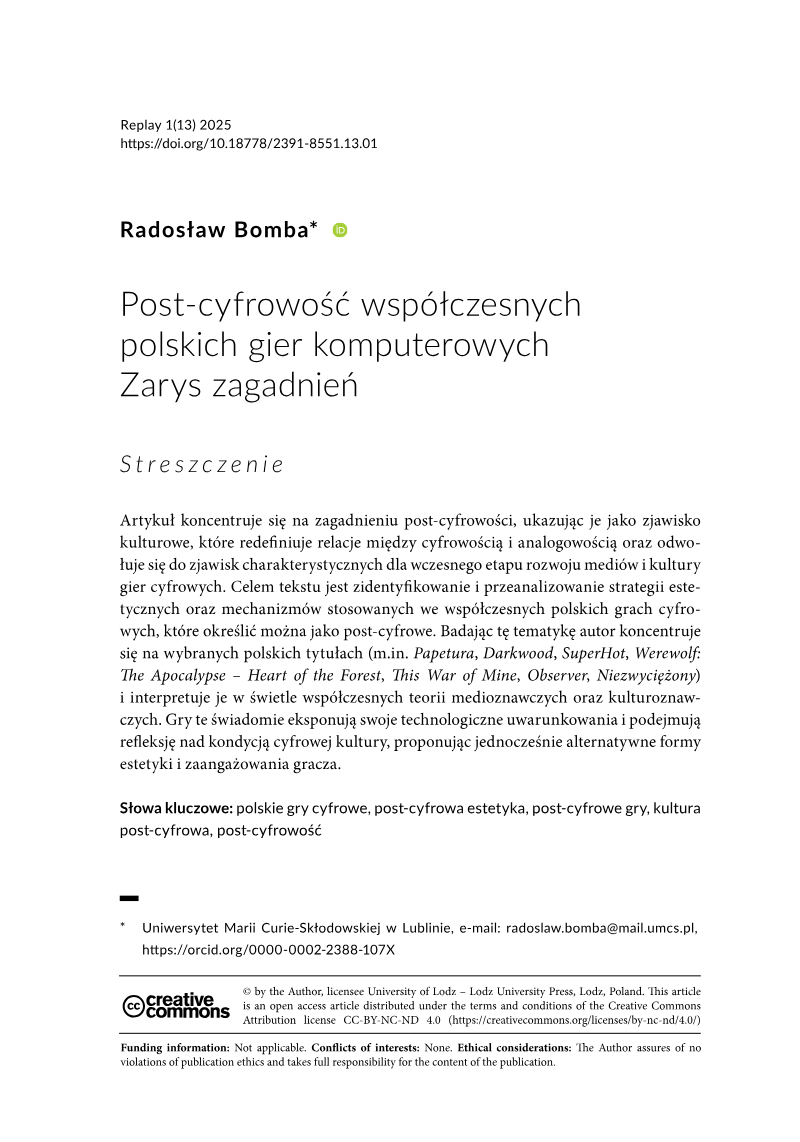
Replay. The Polish Journal of Game Studies · 2026
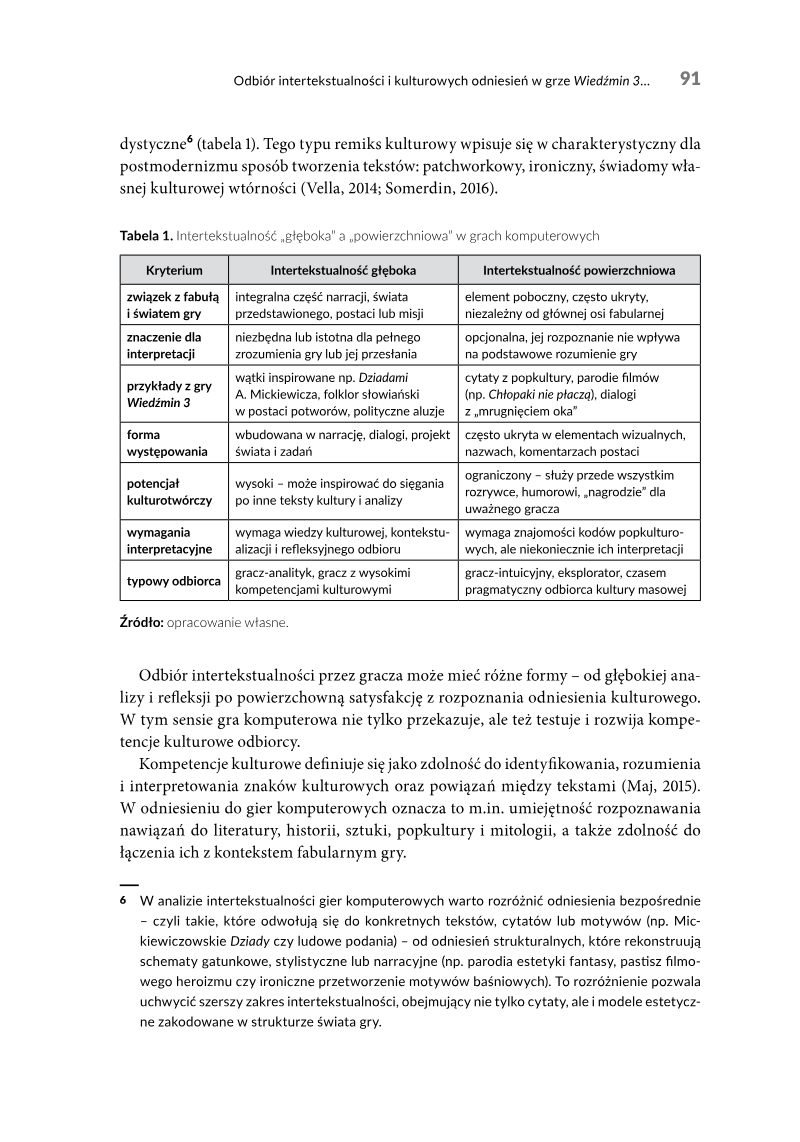
Replay. The Polish Journal of Game Studies · 2026
Replay. The Polish Journal of Game Studies · 2026
Replay. The Polish Journal of Game Studies · 2024
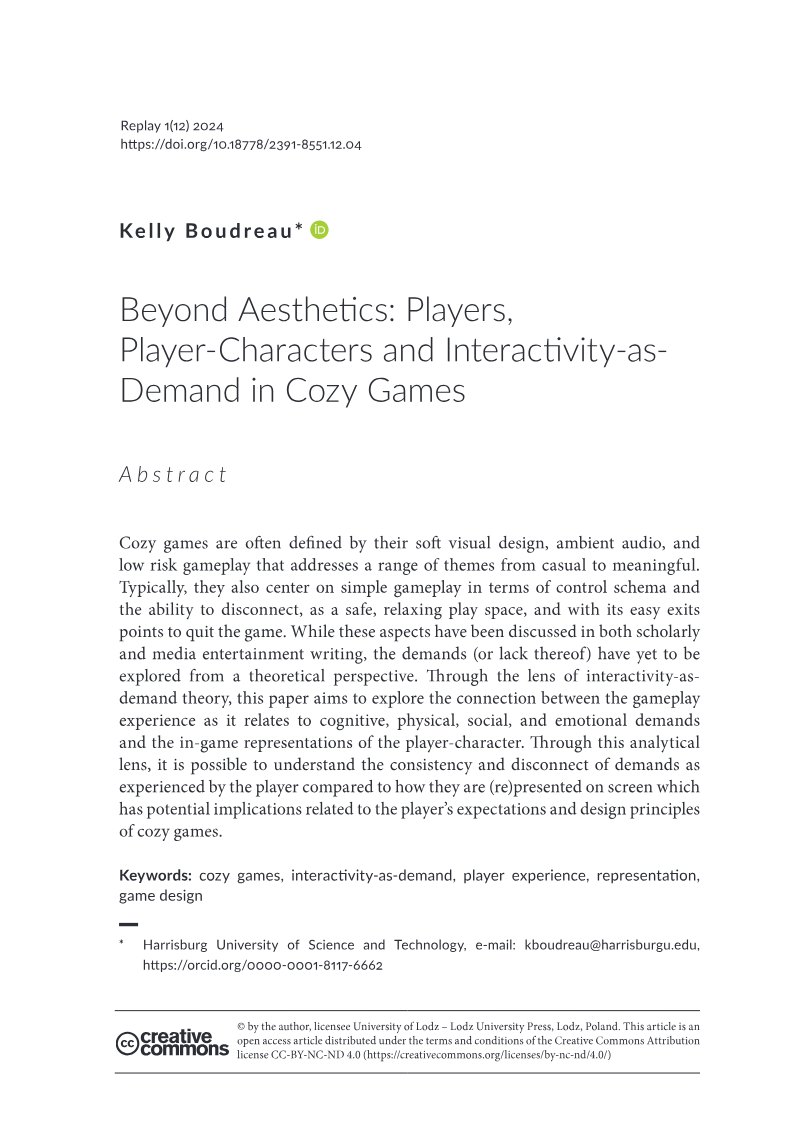
Replay. The Polish Journal of Game Studies · 2024
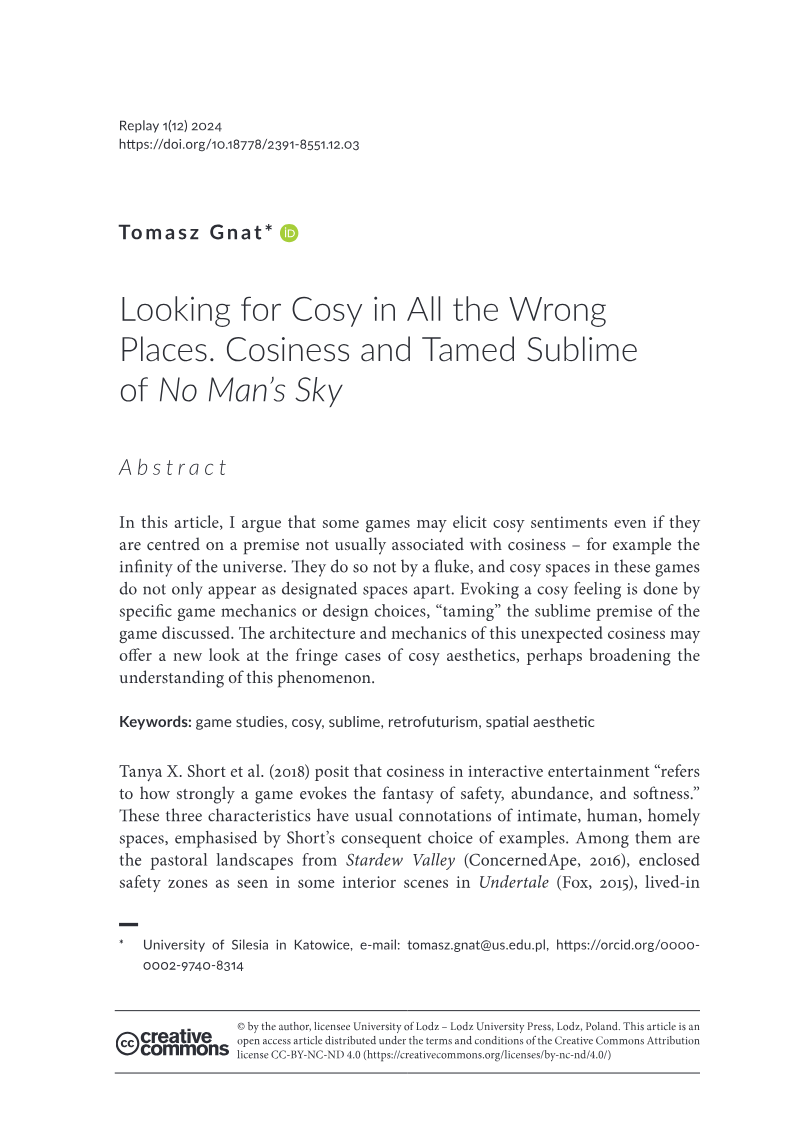
Replay. The Polish Journal of Game Studies · 2024
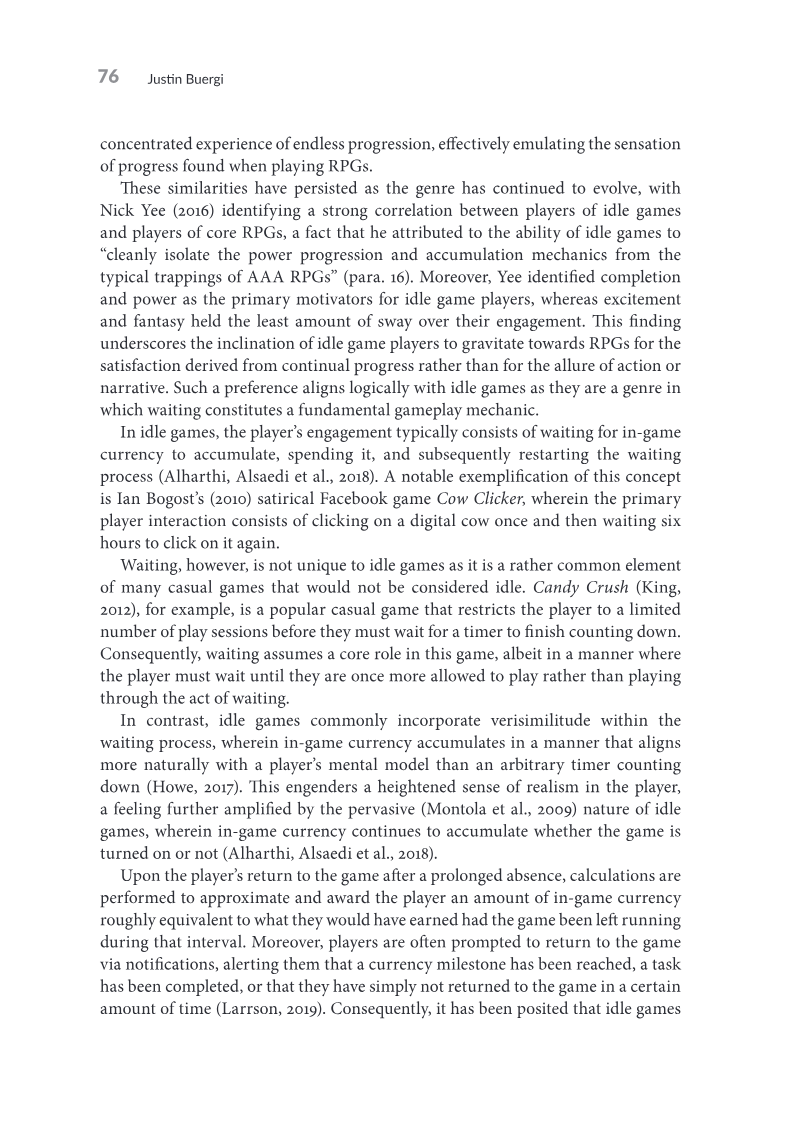
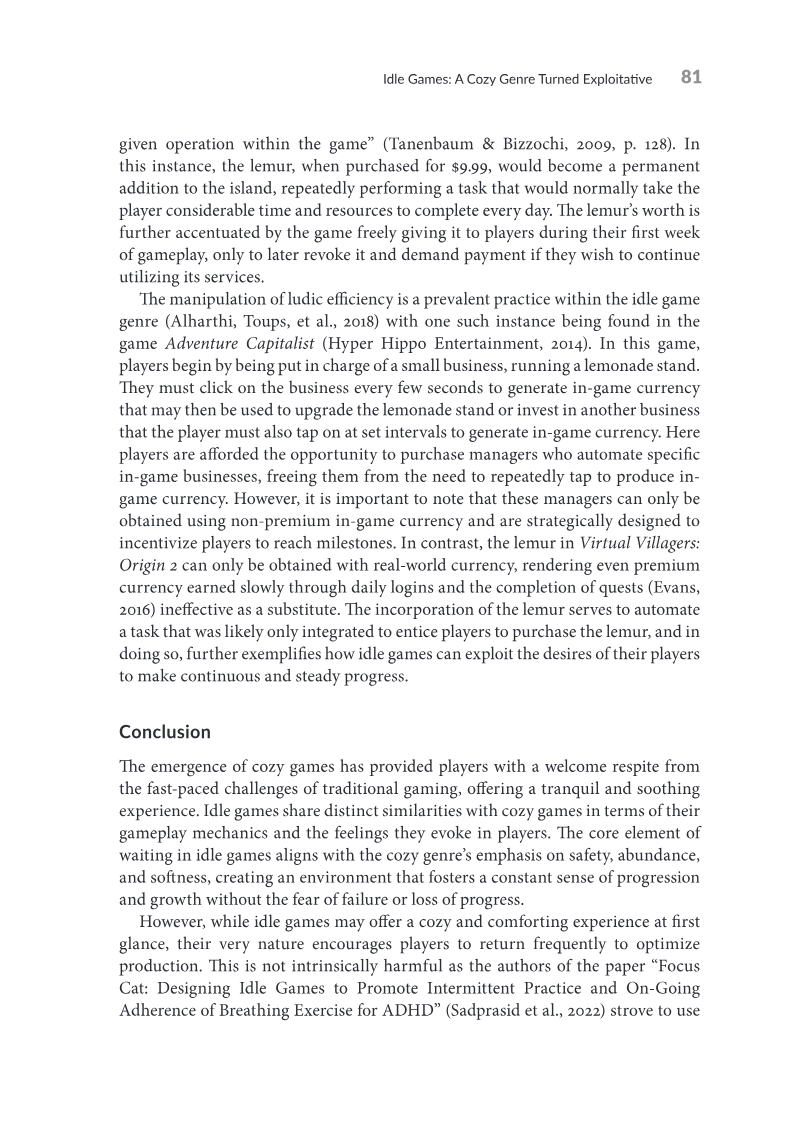
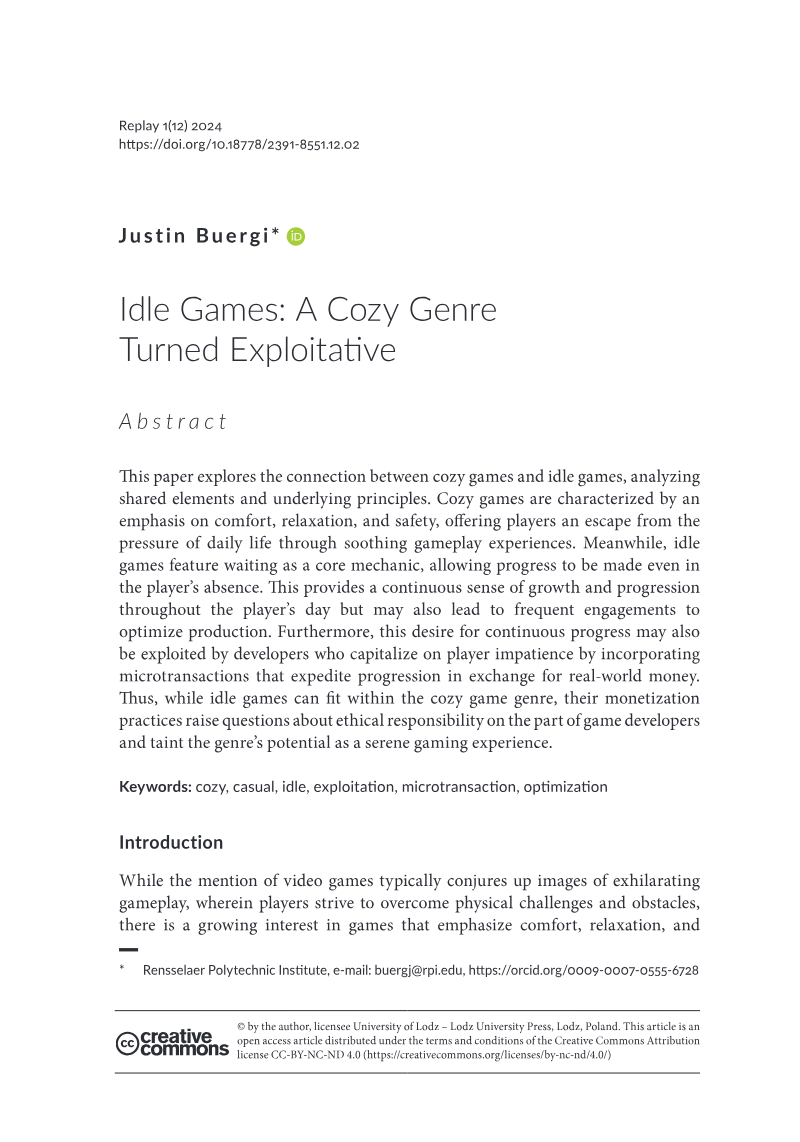
Replay. The Polish Journal of Game Studies · 2024
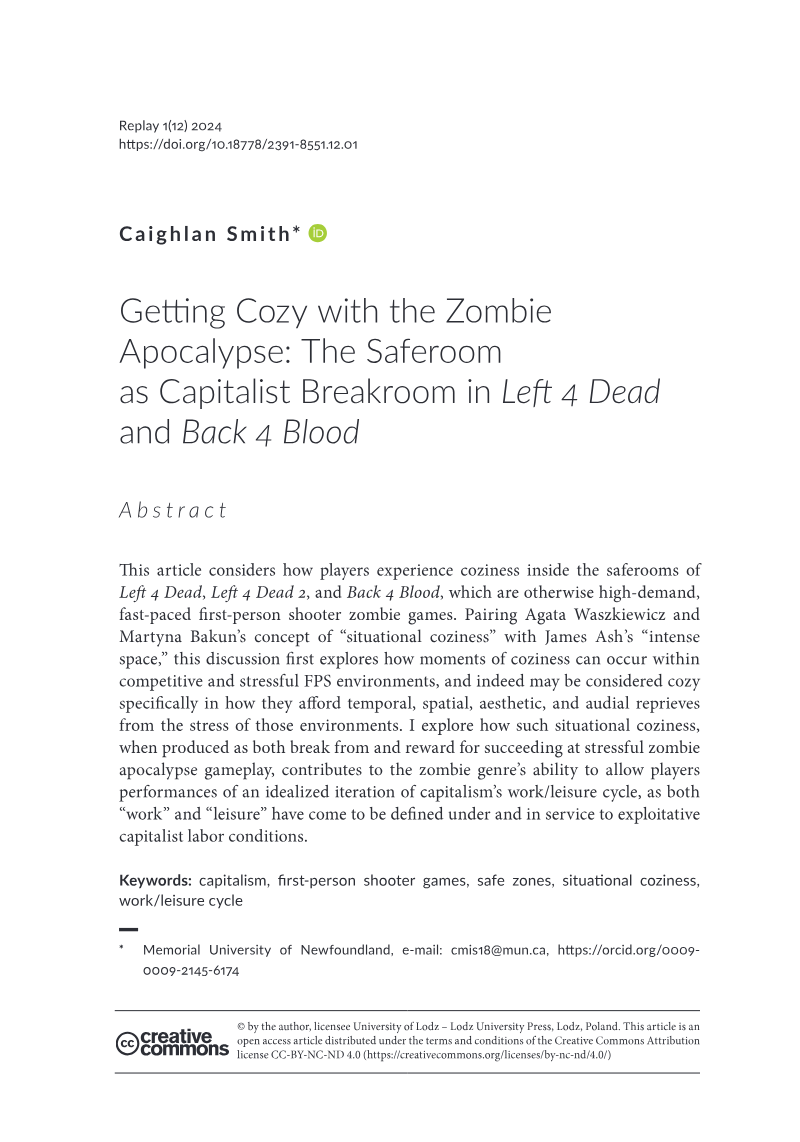
Replay. The Polish Journal of Game Studies · 2024
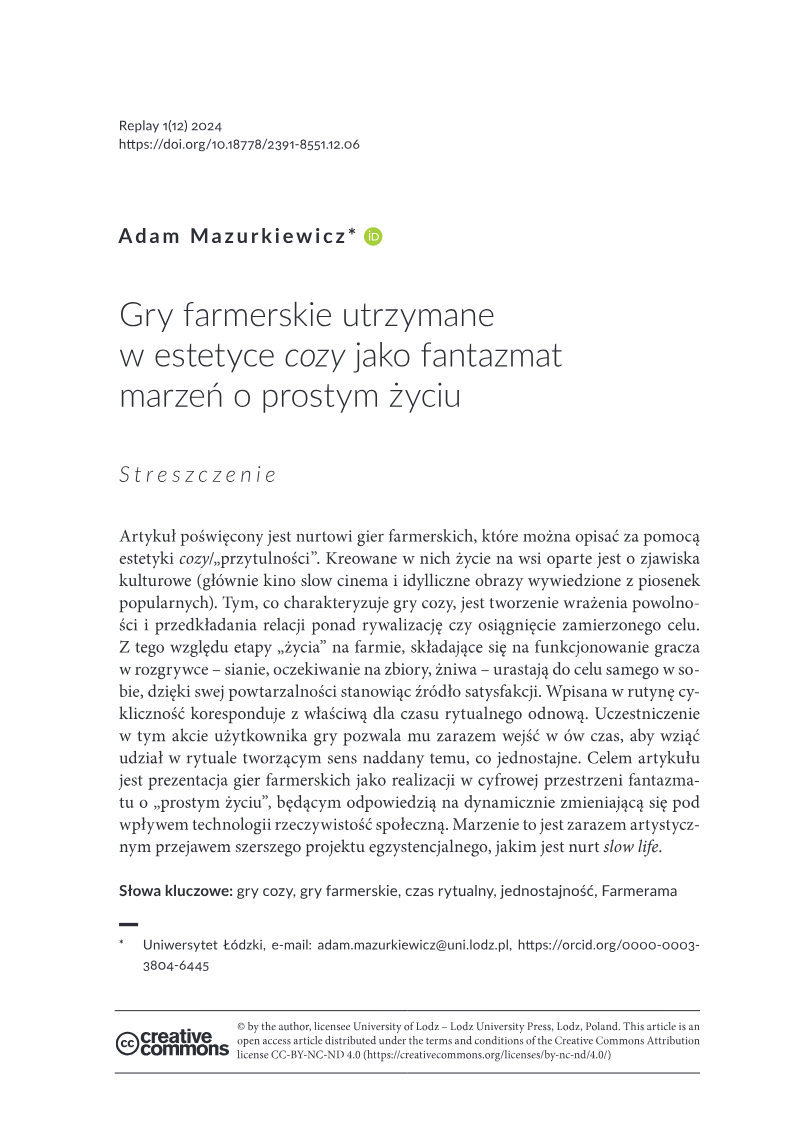
Replay. The Polish Journal of Game Studies · 2024
DiGRA · 2024