
European Conference on Games Based Learning (ECGBL)
Annual European conference on game-based learning and serious games; its proceedings are published open access (CC BY) by Academic Conferences International.
Documents

Evaluating the Impact of Serious Games on Study Skills and Habits
A study of 34 first-year computer science students examined whether study skills and habits relate to engagement with a competitive peer-quizzing serious game featuring leaderboards.
- A study of 34 first-year computer science students found a moderate-to-strong overall correlation between study skills and engagement with a competitive peer-quizzing serious game (R = 0.739), but the regression models were not statistically significant.
- The first analysis explained only about 21 percent of variance after adjustment (p = 0.158), with no individual predictor reaching the 0.05 threshold; academic stress came closest (p = 0.073).
- In the second analysis predicting questions created, the overall model was non-significant (ANOVA p = 0.279, adjusted R² = 0.121), but goal setting was the sole individually significant predictor (p = 0.016, coefficient 2.15).

Guidelines for Playful Learning Design in VR/AR: Insights from Student Productions
This paper presents a three-part framework for designing VR and AR (collectively "XR") as educational technology: the learning attributes of XR, the practical issues and problems that accompany its use, and a set of playful learning design guidelines.
- The report offers a three-part framework for XR (VR/AR) educational design: learning attributes of XR, practical challenges, and playful learning design guidelines, grounded in social constructivism and Vygotsky's zone of proximal development.
- It identifies twelve XR learning attributes, including immersion, safe simulation, experiential and interactive learning, personalized pacing, and making the unseen visible, each paired with potentials and challenges.
- Key practical barriers are high hardware and content costs, cybersickness, immature technology, and physical safety risks during immersion, with mitigations such as reducing movement mismatch and limiting peripheral visual clutter.

Vocabulary Acquisition in New and Learned Contexts Using Immersive Virtual Reality
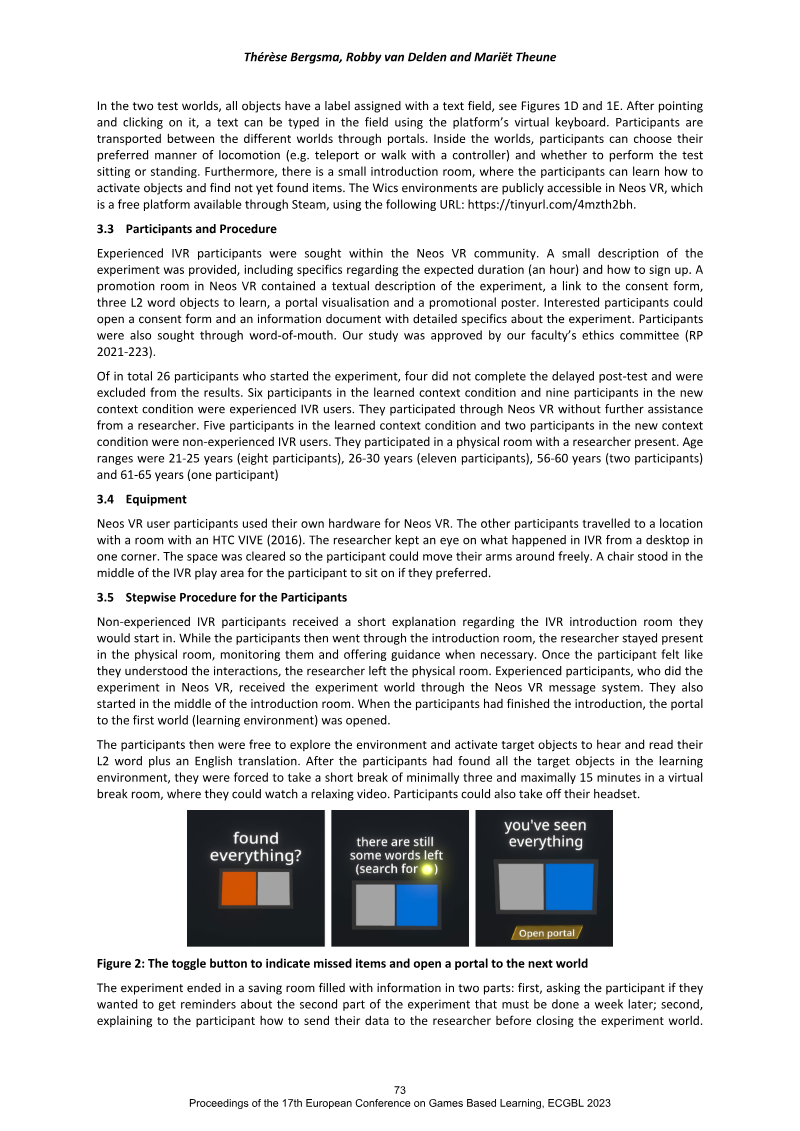
This study investigates whether recycling vocabulary in immersive virtual reality (IVR) across new or learned contexts affects learners' ability to retrieve words in a new context.
- Recycling words across a changed context versus an unchanged one in immersive VR produced no statistically significant difference in retrieval on either the immediate or the one-week delayed test.
- On the immediate post-test, the learned context group (same environment and appearances, only object placement changed) reached a median of about 89% versus about 80% for the new context group.
- On the one-week delayed test, median performance was about 77% for the learned context group and about 73% for the new context group, a gap that was not significant.
Need-Based Game Design: Developing a CT Game Based on Educational Needs
This study investigates how need-based game design can support the teaching of computational thinking in higher education, responding to persistent problems in introductory programming courses, including low enrolment, high dropout, and poor pass rates.
- The study addresses persistent problems in introductory programming courses, including low enrolment, high dropout, and poor pass rates, using a Swedish university context.
- Based on structured e-mail interviews with 15 programming teachers (from 18 invited), teachers consistently reported that students struggle when moving from basic concepts to methods, classes, and object-oriented programming.
- The transition difficulty stems from needing holistic reasoning about data and logic alongside substantial memorisation of code.
PIXEL: Challenges of Designing a Professional Board Game for Astronomy Education
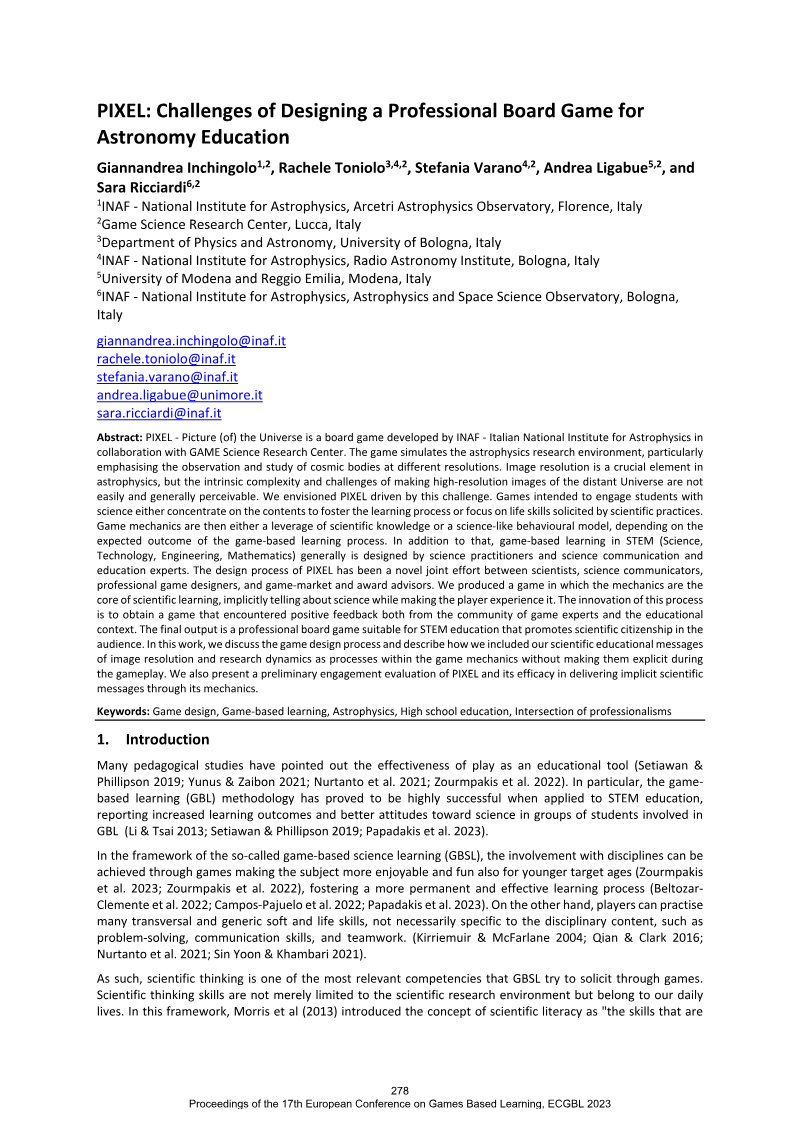
PIXEL is a professional board game developed through collaboration between Italian astrophysicists at INAF and professional game designers, aimed at teaching scientific thinking, particularly image resolution and the research process, through play rather than explicit instruction.
- PIXEL is a professional board game co-developed by Italian astrophysicists at INAF and professional game designers to teach scientific thinking, especially image resolution and the research process, through play rather than explicit instruction.
- In a survey of over 200 teenagers and young adults at public events, PIXEL scored an average of 5.2 out of 7 on enjoyment, and players most often recognized its intended lessons: higher-resolution observations demand more time and technology, and research is multidisciplinary collaboration.
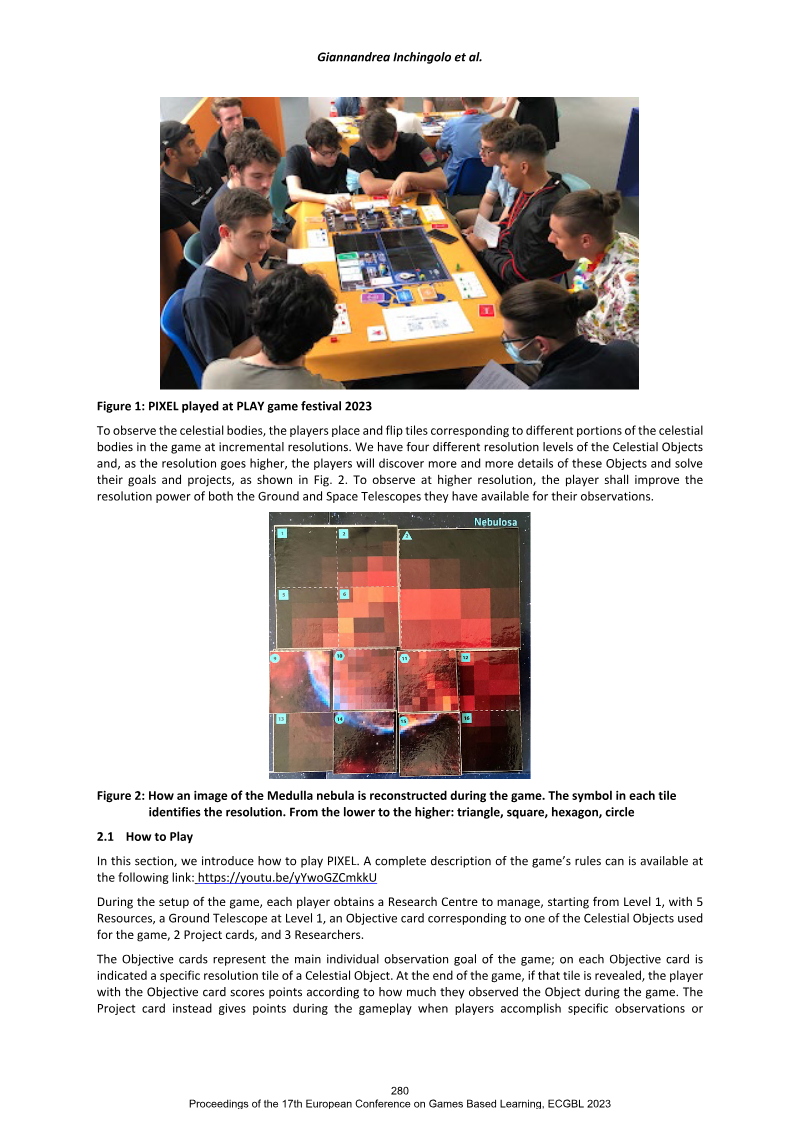
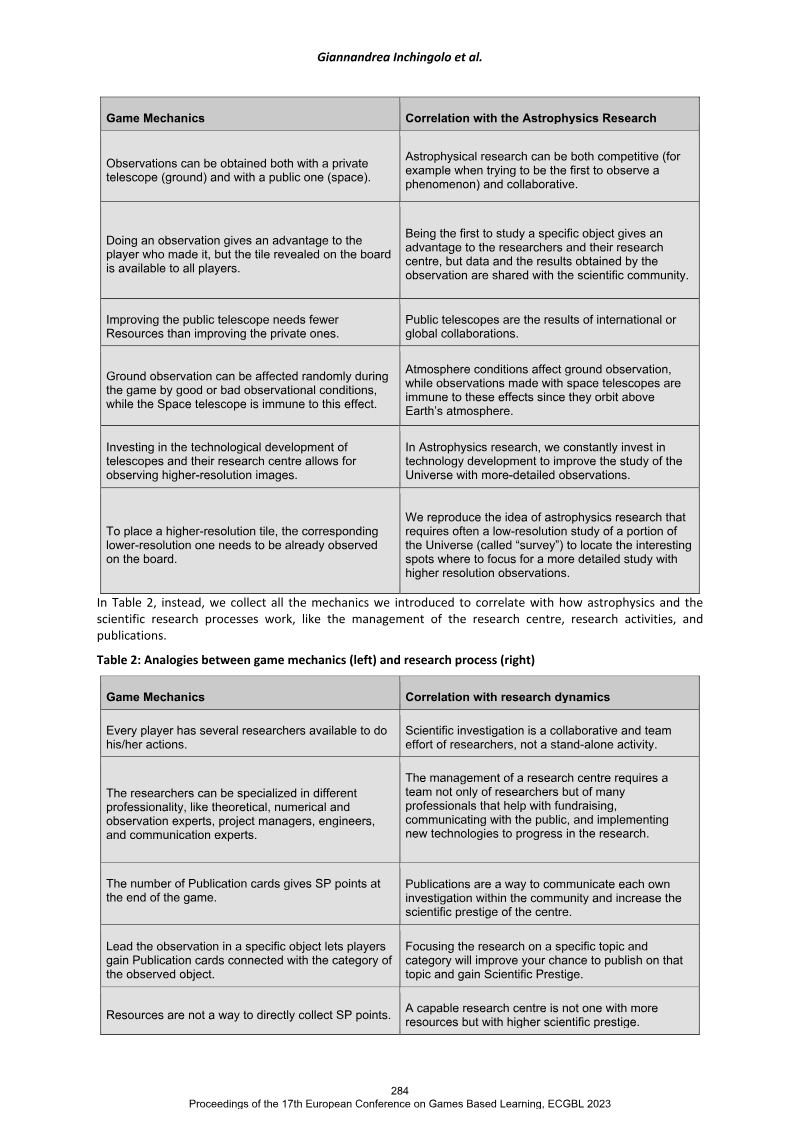
- The game's mechanics, including worker placement, resource management, and tile-based image resolution (tiles representing levels from 8x8 to 128x128 pixels), are mapped to real astrophysical research processes.

Barriers and Hindrances to the Effective Use of Games in Education: Systematic Literature Review and Intervention Strategies
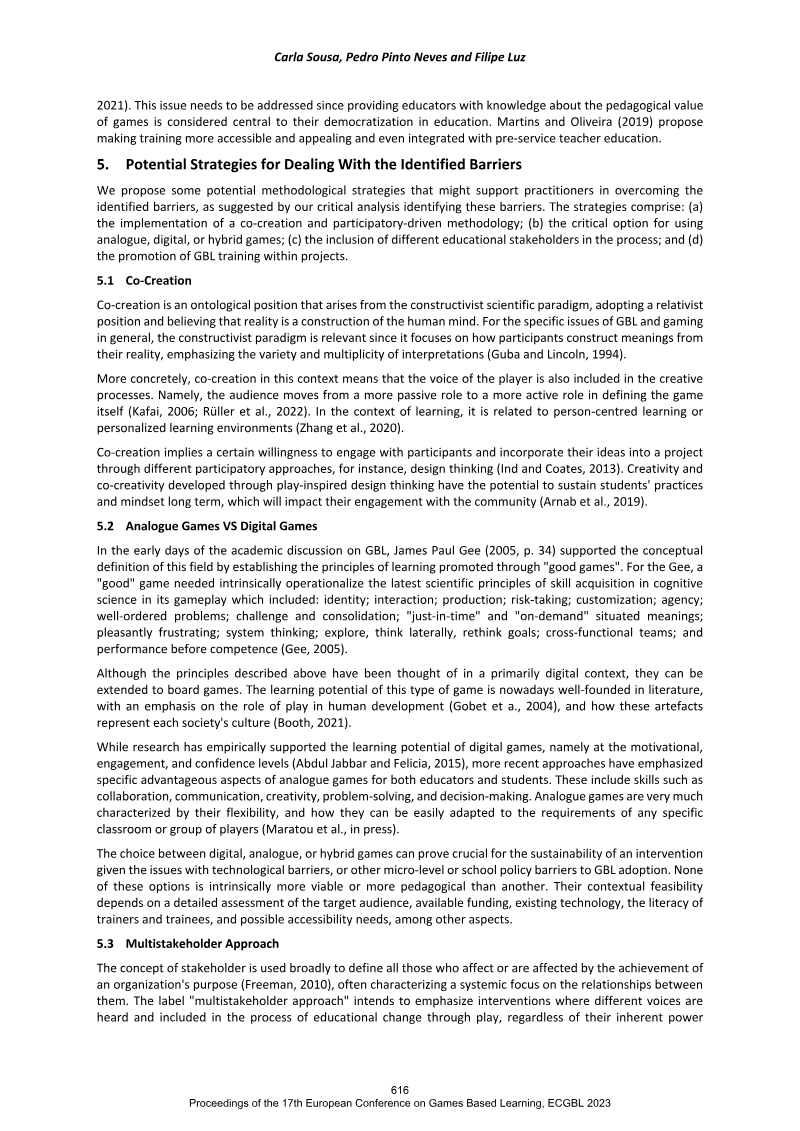
This systematic literature review examines the barriers that hinder effective use of games in education and proposes strategies for overcoming them.
- The review synthesises 11 peer-reviewed empirical studies involving 1,952 participants and identifies four categories of barriers to game-based learning: attitudinal and behavioural, school policy, technological and material, and game literacy.
- The central thesis is that game-based learning is constrained less by the pedagogical value of games than by the readiness of teachers, students, institutions, and infrastructure to adopt them.
- Teachers commonly rate their own technological knowledge as low, while students often prefer conventional teaching methods and view games mainly as entertainment rather than legitimate learning tools.
The Novelty of Collaboration: High School Students Learning and Enjoyment Perceptions When Playing Cooperative Modern Board Games
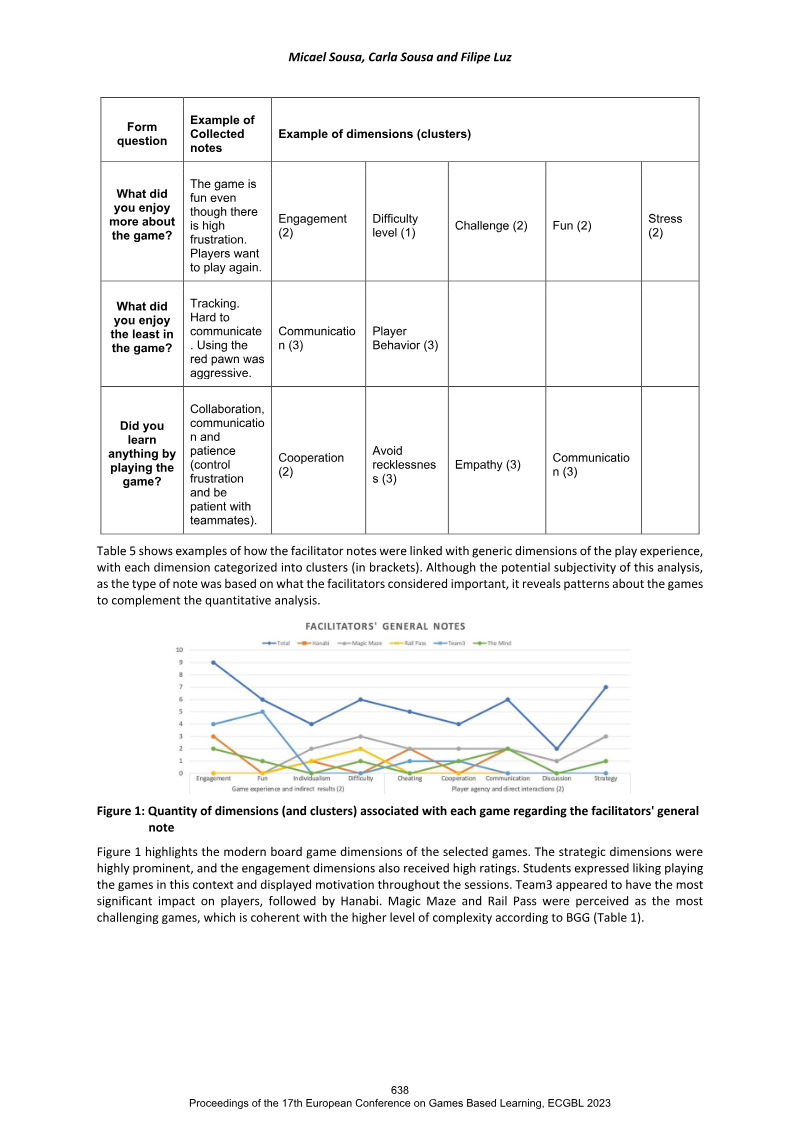
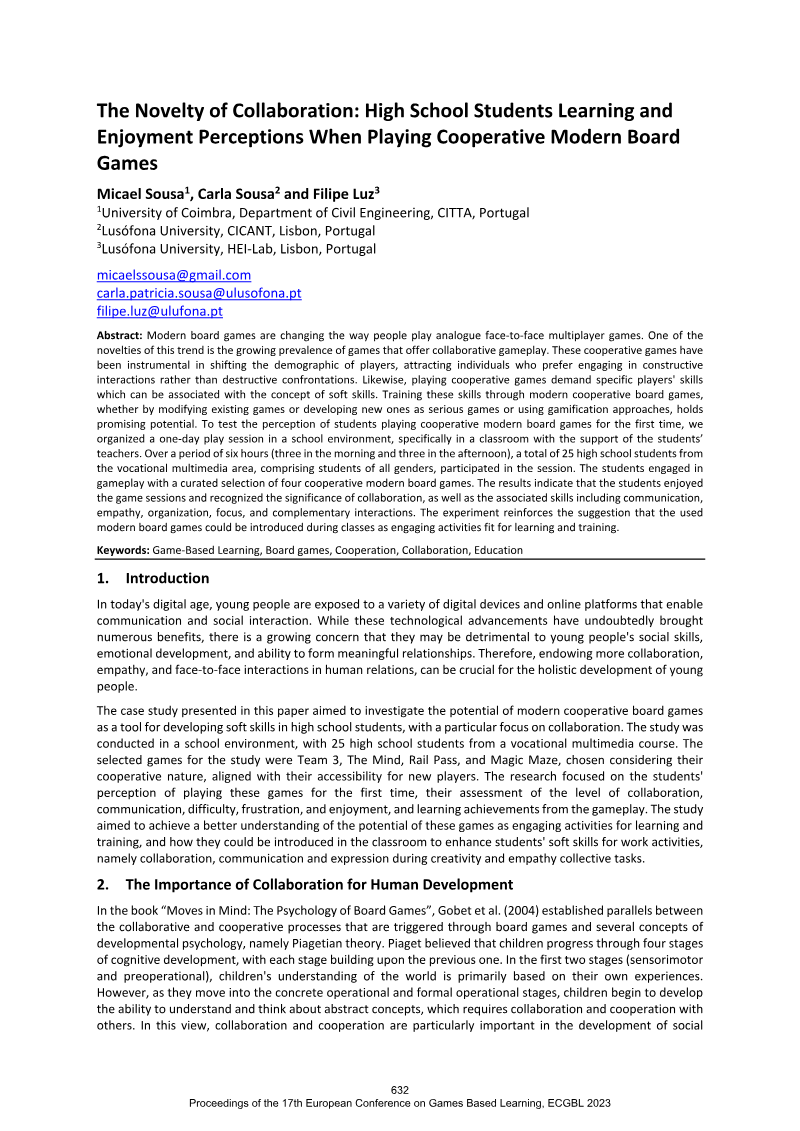
This study examines how high school students perceive learning and enjoyment when playing cooperative modern board games, with the central argument that such games can serve as engaging instruments for developing collaboration and related soft skills in classroom and training settings.
- The study followed high school multimedia students who played five cooperative modern board games (Hanabi, Magic Maze, Team3, The Mind, and Rail Pass) for the first time, starting with 25 students and expanding to 113 player participations across 23 sessions.
- Fun and collaboration were the most highly rated experiences, with collaboration correlating positively with communication and enjoyment and negatively with frustration, suggesting cooperative play can reduce interpersonal friction while sustaining engagement.
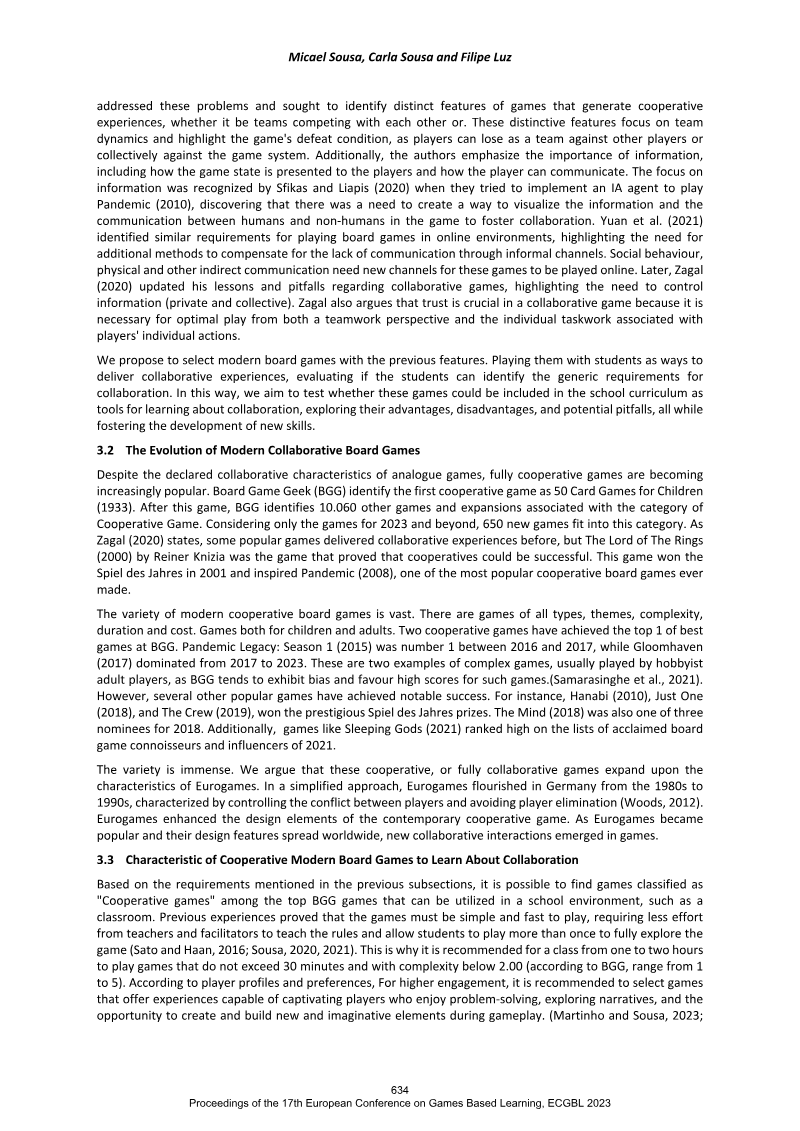
- Facilitator observations centered on game design, game experience, and player agency, with Team3 and Hanabi identified as the most impactful titles.
The Need for Game-Based Learning Methods to Address Cyber Threats
This document argues that human error contributes substantially to cyber security breaches and that conventional awareness training often fails because of low learner engagement, positioning game-based learning as a promising alternative.
- Human error contributes substantially to cyber security breaches, and conventional awareness training often fails because learners are insufficiently engaged, creating a persistent gap between security knowledge and secure behaviour.
- The report proposes game-based learning as an alternative, arguing that training should be engaging, regular, and realistic, qualities games may deliver more effectively than current approaches.
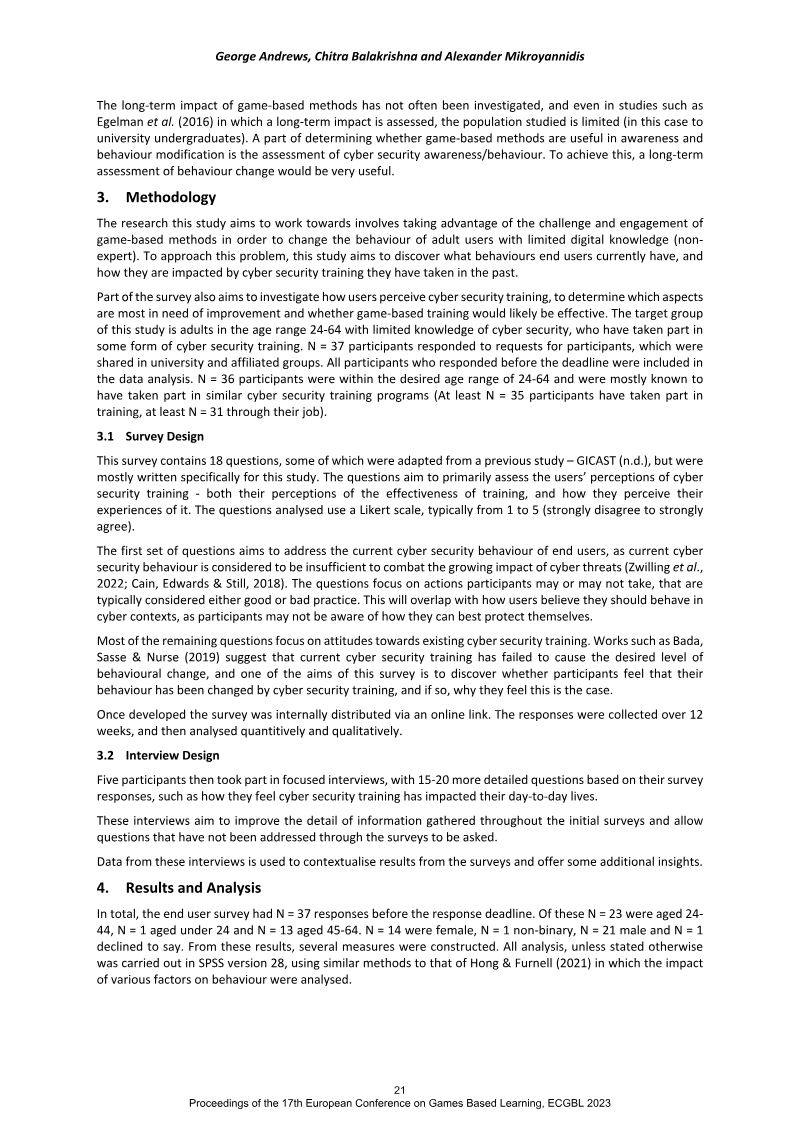
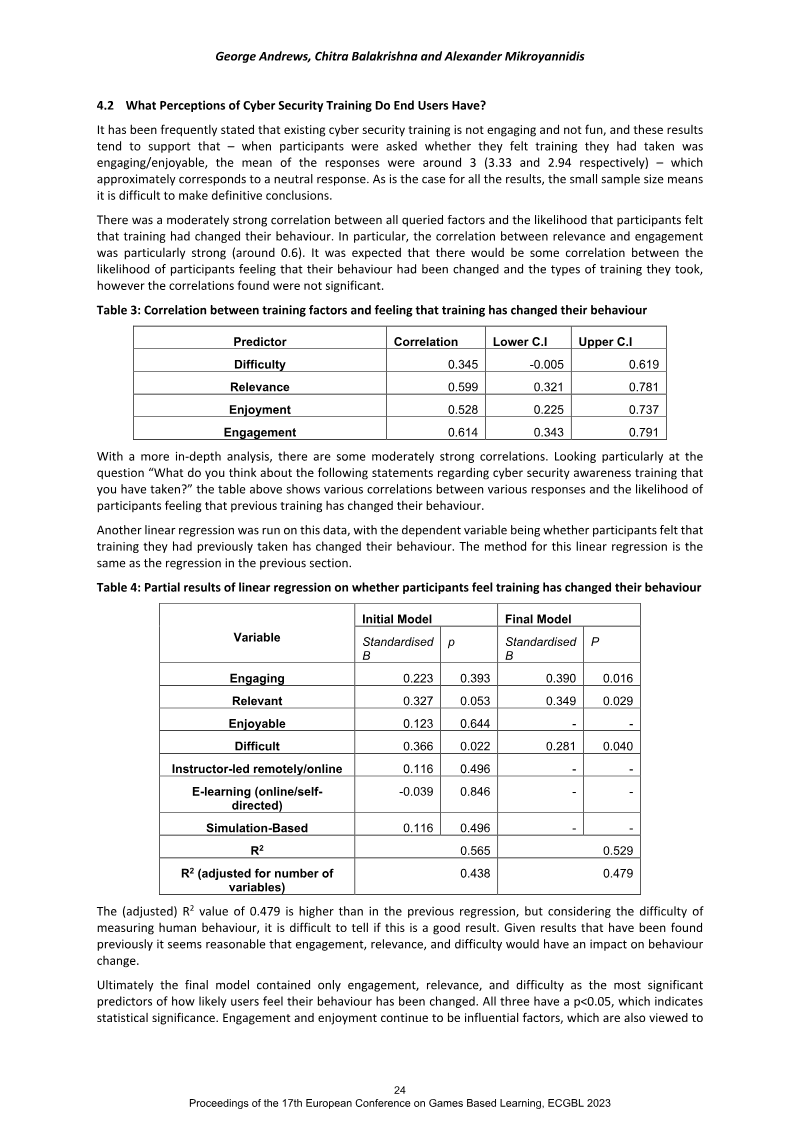
- In a small pilot survey of 37 mostly university-student and researcher adults with prior training, training frequency, prior threat exposure, and perceived relevance correlated positively with secure behaviour, which averaged 0.79 on a 0-to-1 scale.
Using an Escape Room Activity to Enhance the Motivation of Undergraduate Life Science Students in Mathematics Classes: A Case Study
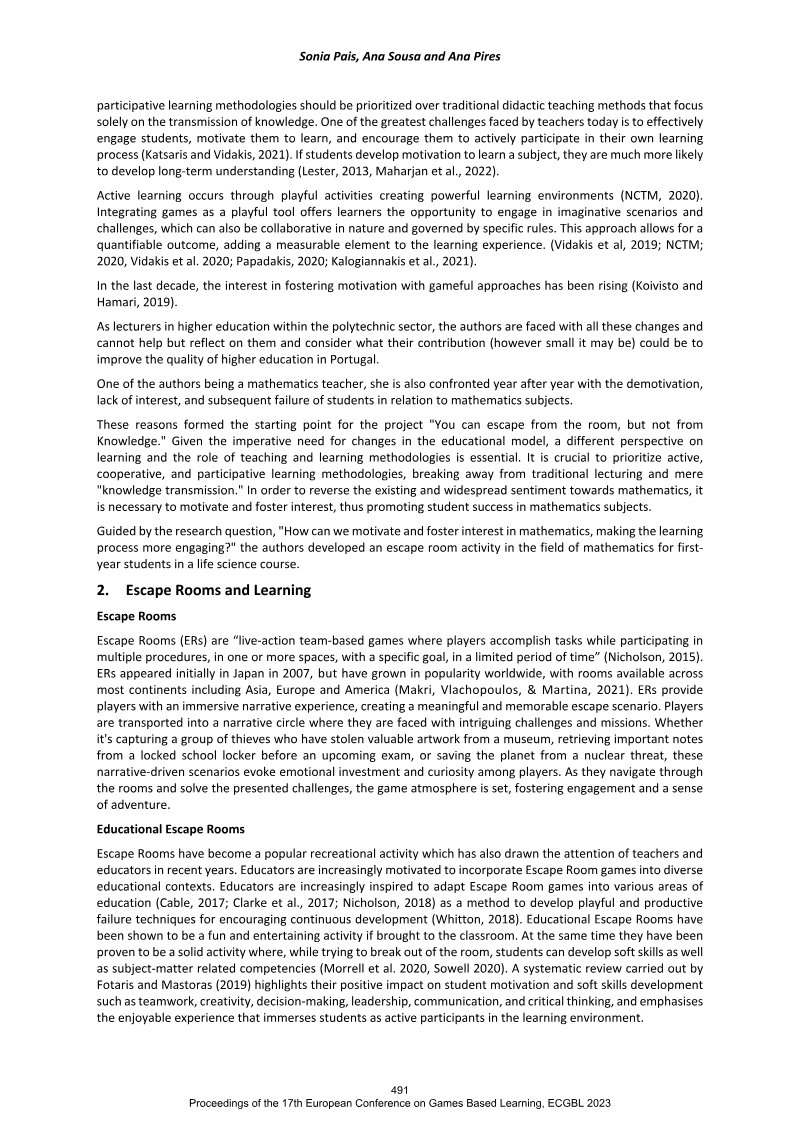
This case study examines whether an educational escape room can increase motivation and improve learning outcomes among undergraduate students in mathematics.
- The study examined an escape room activity for 20 first-year Life Science undergraduates at a Portuguese polytechnic in Mathematical Analysis II during the 2021-2022 academic year, with students split into four teams of five and given 30 minutes to solve linked math challenges.
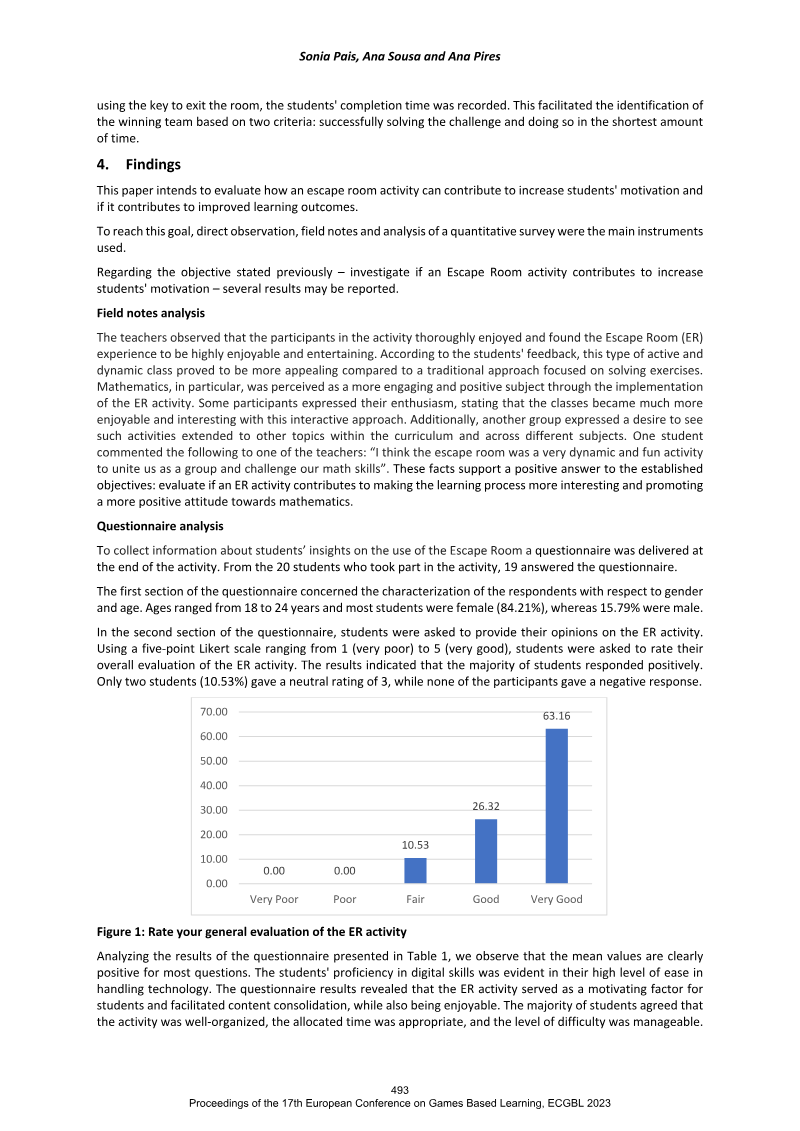
- Data came from non-participant observation, field notes, and a post-activity questionnaire completed by 19 of the 20 participants, analyzed with descriptive statistics only.
- The strongest result was attitudinal: 94.74% of respondents felt the activity contributed to a more positive attitude toward mathematics, and all respondents agreed it made learning more interactive and less rigid.
Number Express: A Digital Game to Improve Early Numeracy
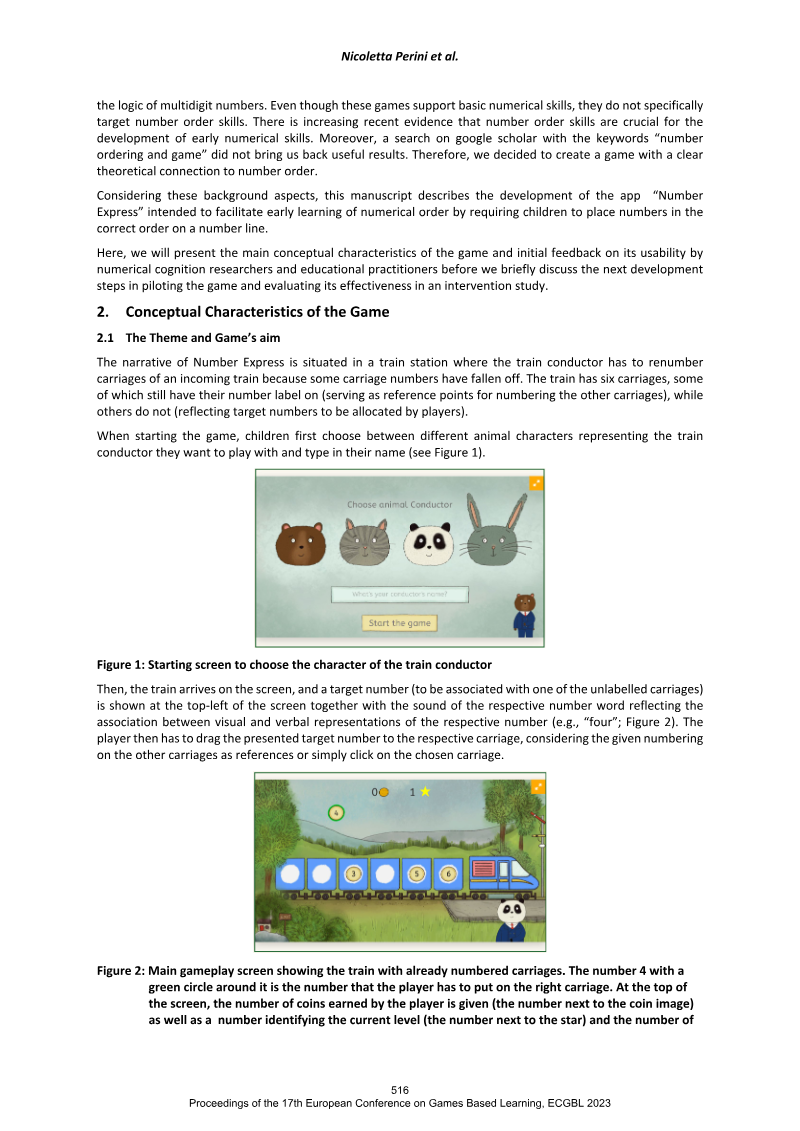
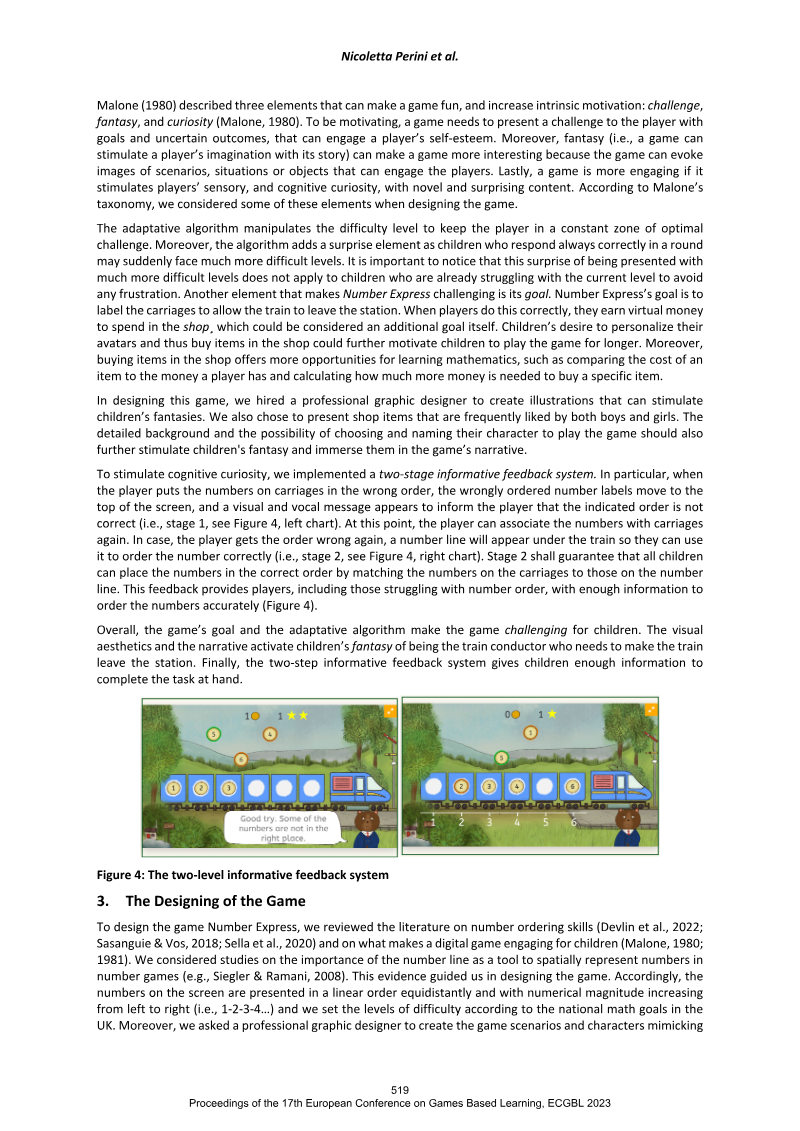
Number Express is a digital game designed to build early numeracy in pre-school and primary children, with a particular focus on number ordering, a skill that prior research links to later mathematical achievement.
- Number Express is a digital game for pre-school and primary children that builds early numeracy with a focus on number ordering, a skill prior research links to later mathematical achievement.
- The game has 118 levels that progress from small to larger number ranges and from counting in ones to counting in twos, fives, and tens, with difficulty adapting to each player's performance.
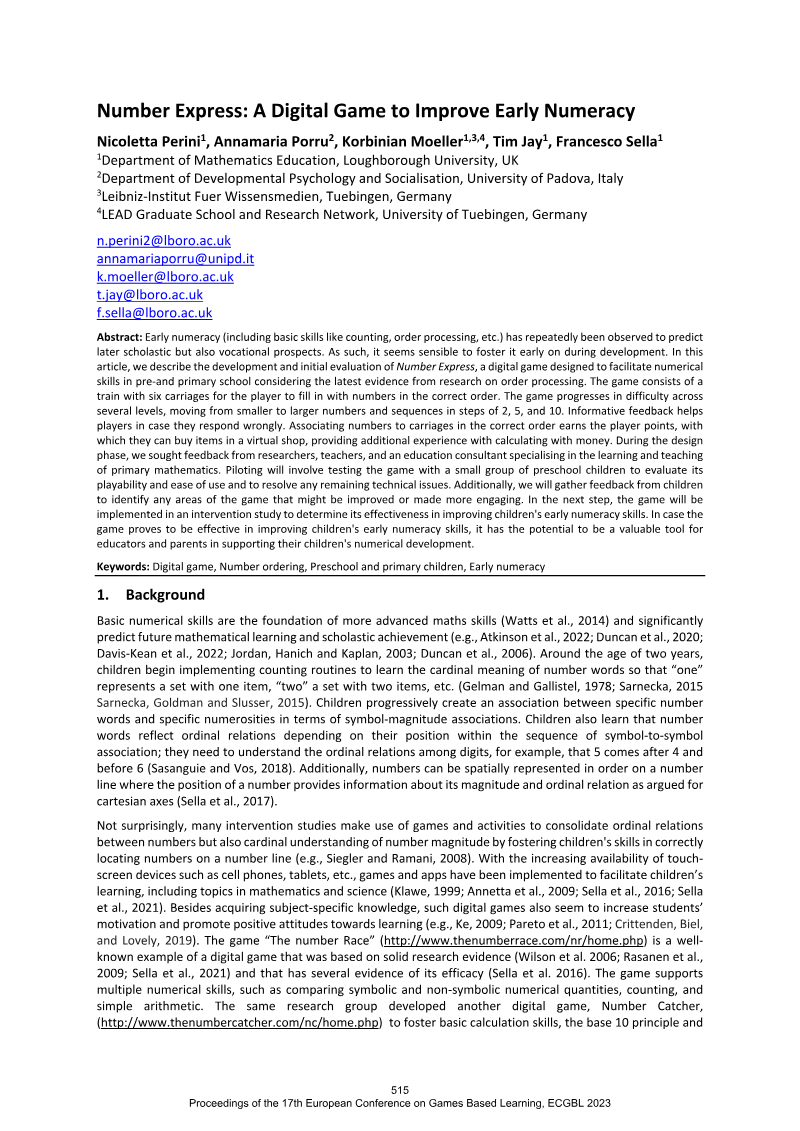
- Feedback is delivered in two stages that culminate in a number line, and virtual coins earned in the game can be spent in a shop that provides incidental practice with money calculations.
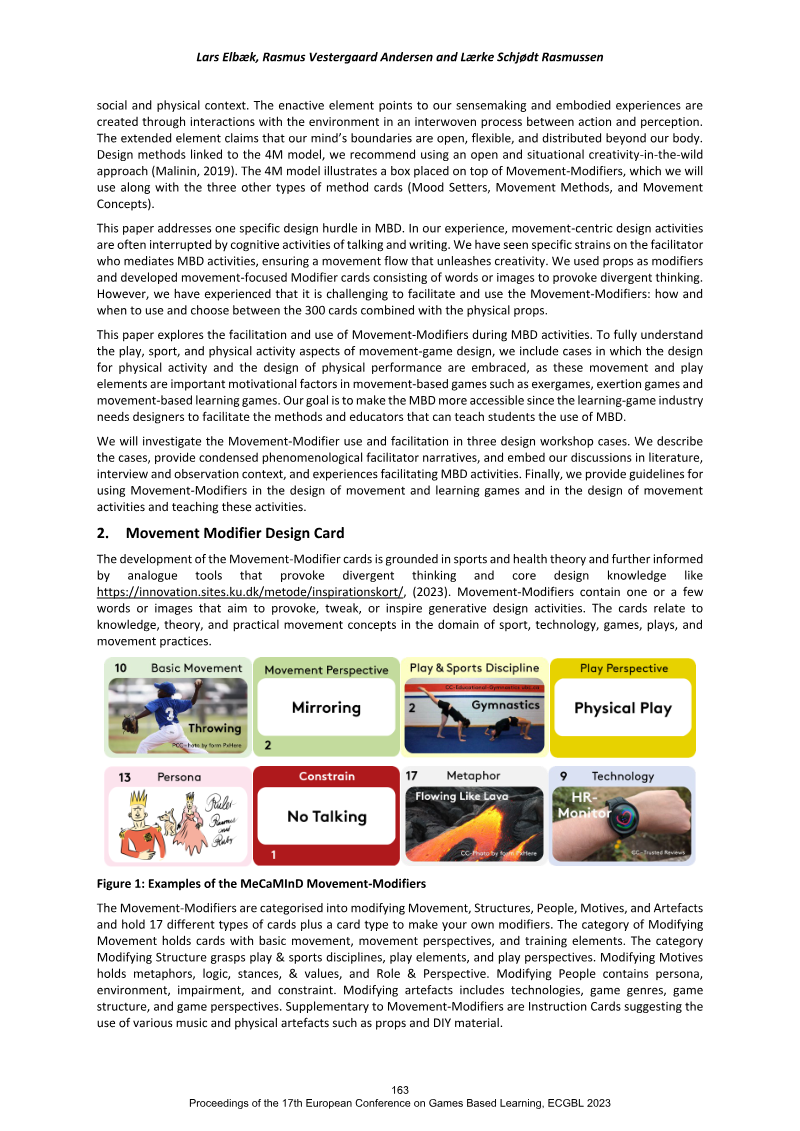
Exploring Movement-Modifier Facilitation in Movement-Based Sports, Health, and Game Design
This paper examines how facilitators use MeCaMInD Movement-Modifier cards, a set of roughly 300 prompt cards designed to provoke divergent thinking in movement-based sports, health, and game design.
- The MeCaMInD Movement-Modifier cards are a set of roughly 300 prompt cards designed to provoke divergent thinking in movement-based sports, health, and game design, and the paper argues they work best as supportive tools rather than the core of the design process.
- Card effectiveness depends heavily on the facilitator's sensitivity, timing, and skill in managing the flow of group movement; poorly timed or excessive card use can disrupt that flow, while effective facilitators balance controlled direction with shared participation.
- The study is a phenomenological multiple-case study grounded in 4E cognition (embodied, embedded, enactive, extended), Laban's BESS framework, and design-thinking and bodystorming literature.
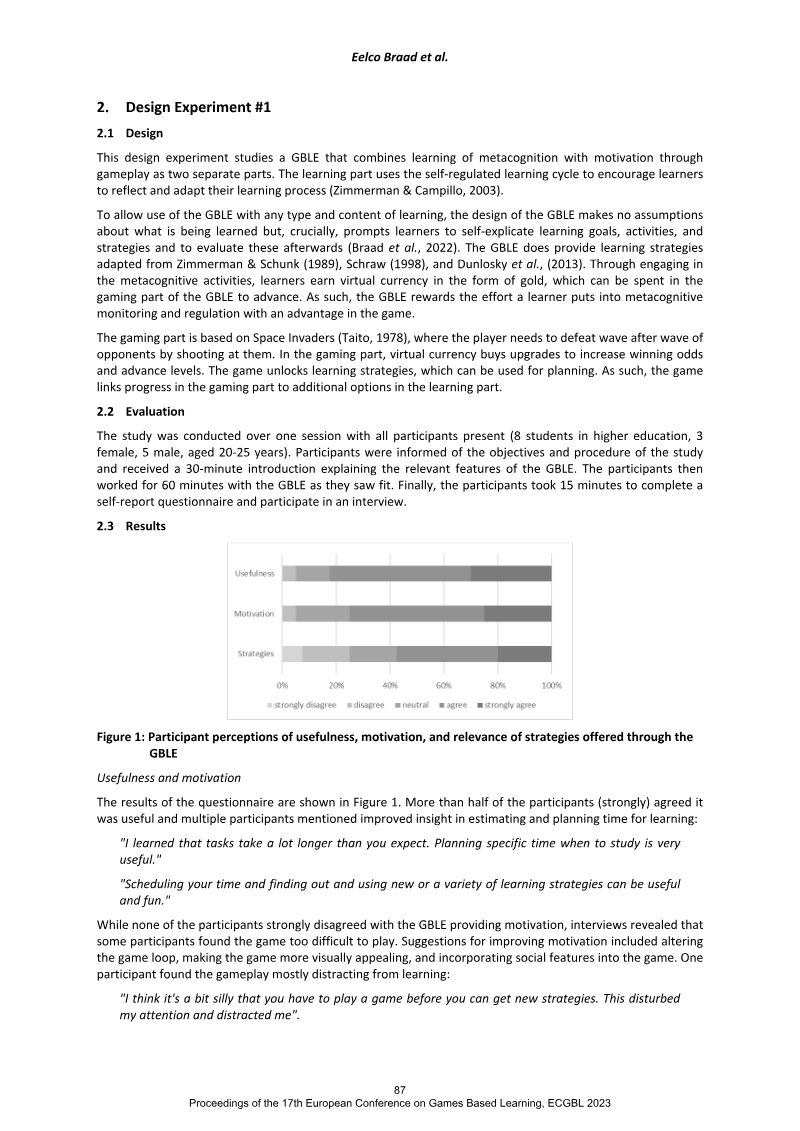
Design Experiments in Game-Based Learning of Metacognition
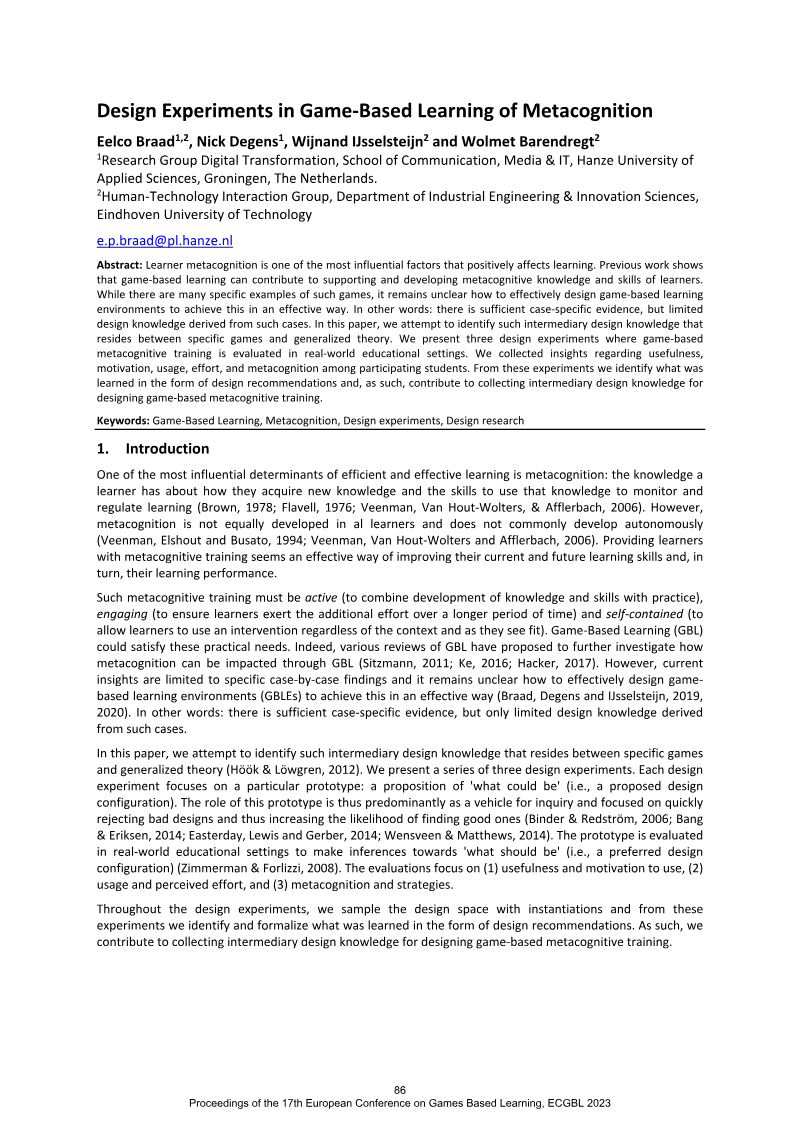
This paper presents three sequential design experiments evaluating game-based learning environments (GBLEs) intended to train learner metacognition, with the aim of generating intermediary design knowledge that sits between individual games and general theory.
- Three sequential design experiments tested game-based learning environments for metacognition, with the goal of producing intermediary design knowledge between individual games and general theory; participants in each study rated metacognitive activities as useful, especially for time estimation and planning, but found the gaming component sometimes too difficult, distracting, or unmotivating.
- In the four-week study with 40 students, gaming activities often consumed more time than studying, and a pre-post Metacognitive Awareness Inventory comparison showed no significant gain despite added leaderboards and domain-specific strategies.
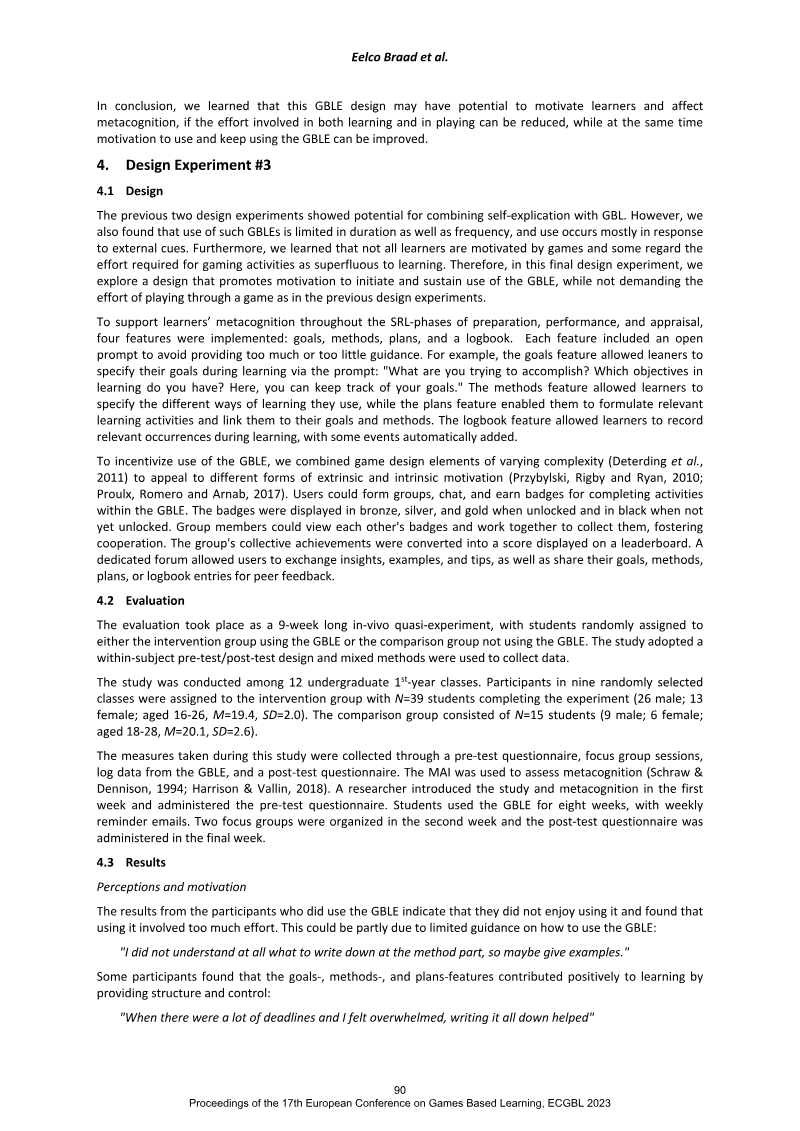
- The nine-week in-vivo quasi-experiment with 1st-year undergraduates replaced gameplay with open-ended goal, method, plan, and logbook features, yet usage was very limited, most participants logged only a few short sessions, and substantial attrition occurred.