1 free read left. Create a free account for unlimited reading + AI research.
Create free accountWhitepaper European Conference on Games Based Learning (ECGBL)
1 free read left. Create a free account for unlimited reading + AI research.
Create free accountWhitepaperEuropean Conference on Games Based Learning (ECGBL)
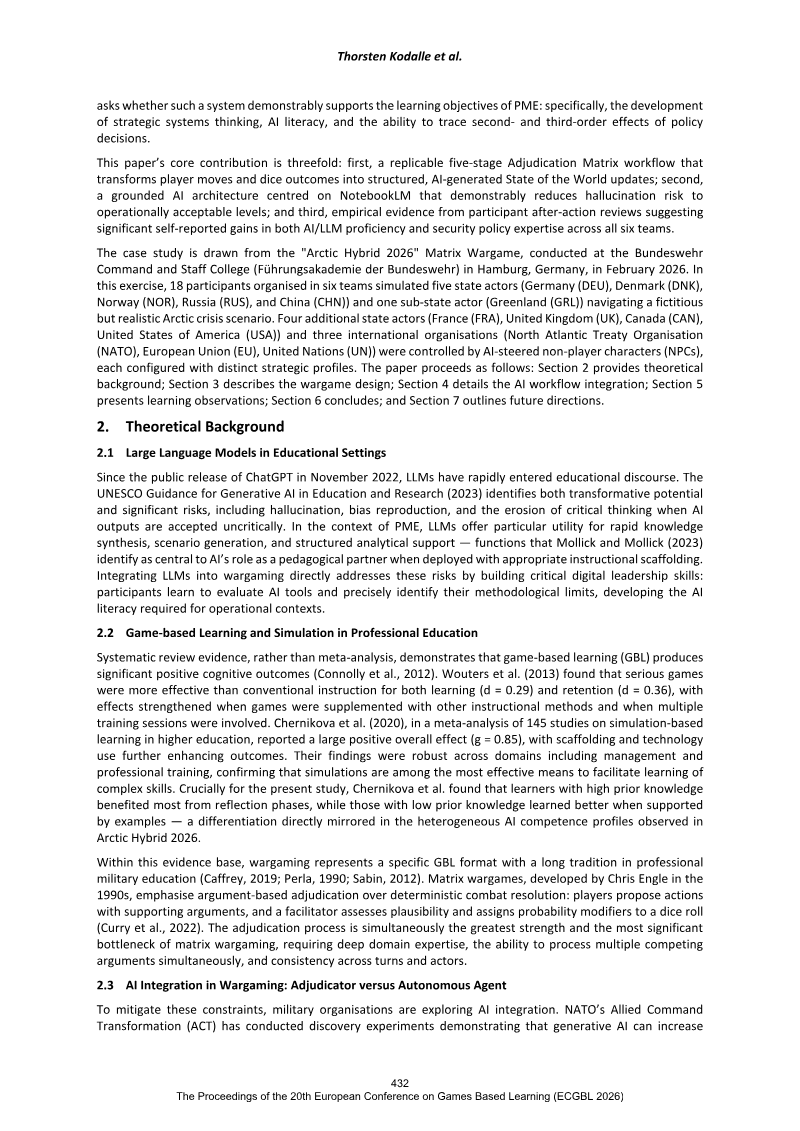
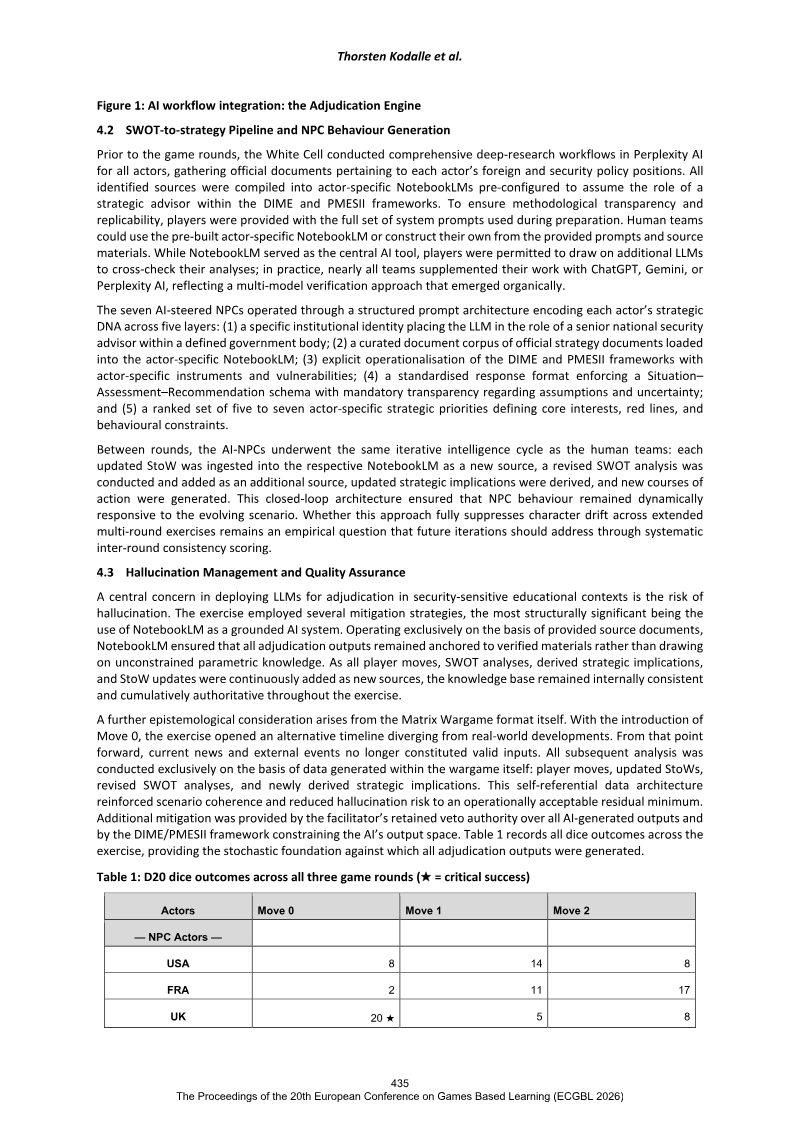
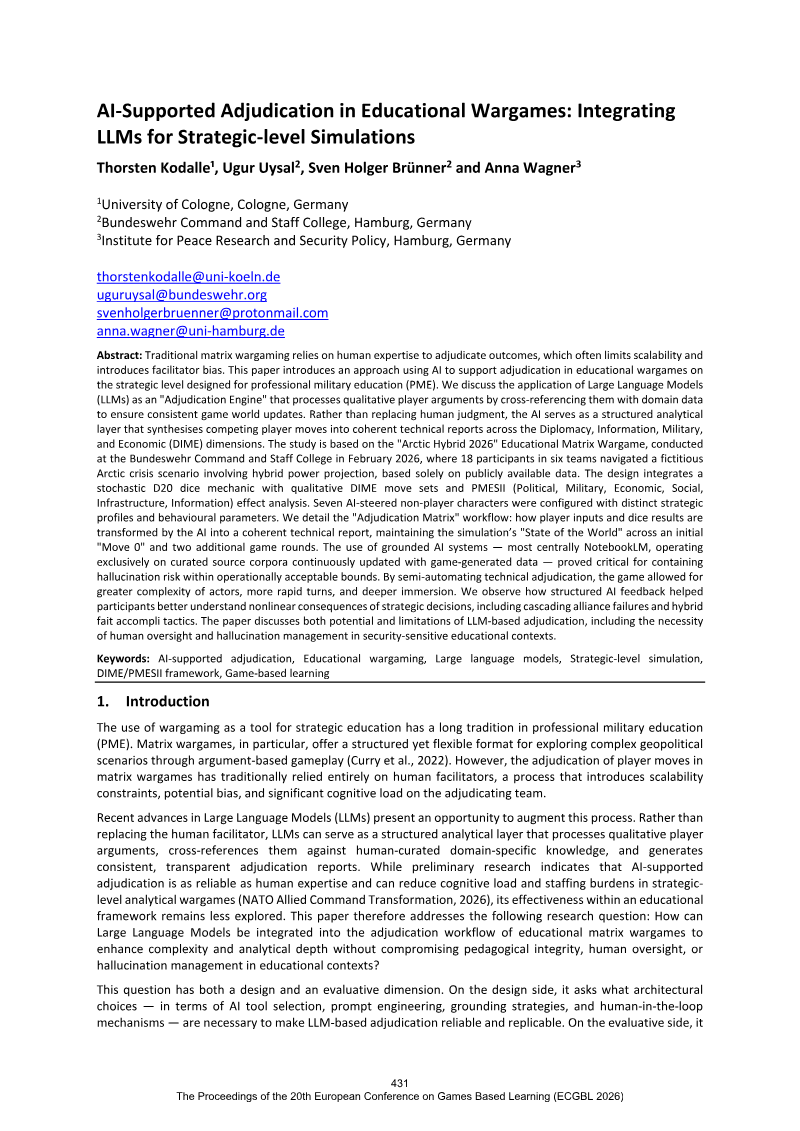
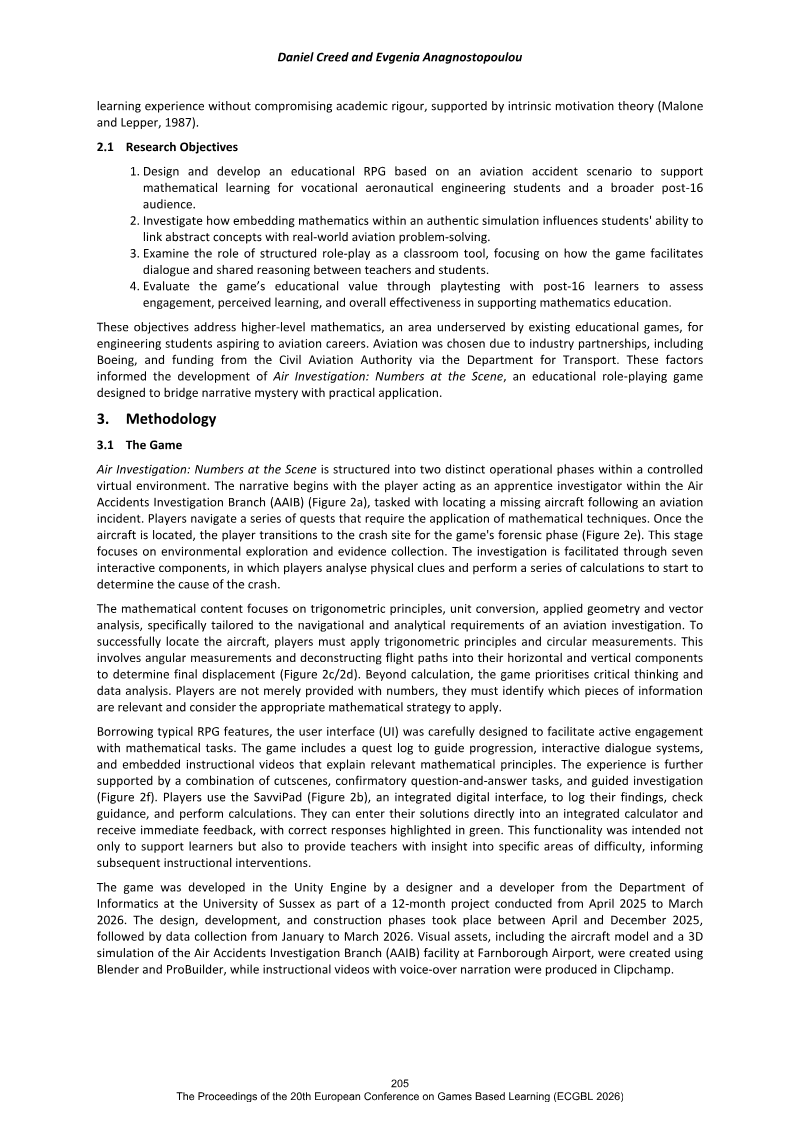
The review synthesises 11 peer-reviewed empirical studies involving 1,952 participants. It identifies four categories of barriers to game-based learning.
This systematic literature review examines the barriers that hinder effective use of games in education and proposes strategies for overcoming them. Drawing on 11 peer-reviewed empirical studies involving 1,952 participants, the work identifies four categories of obstacles: attitudinal and behavioural, school policy, technological and material, and game literacy barriers. Its central thesis is that game-based learning (GBL) is constrained less by the pedagogical value of games themselves than by the readiness of teachers, students, institutions, and infrastructure to adopt them.
Among the most significant findings, teachers report low self-rated technological knowledge, and students often prefer conventional teaching methods and view games primarily as entertainment rather than legitimate learning tools. At the institutional level, constraints include limited infrastructure, inadequate funding, and difficulties aligning games with curriculum requirements. A notable contributing factor is the weakness of teacher preparation: pre-service programmes offer little exposure to game-based instruction, and ICT training frequently neglects the role of playfulness in learning.
To address these barriers, the authors propose four intervention strategies: co-creation and participatory design, context-sensitive selection of analogue, digital, or hybrid games, a multistakeholder approach that includes all relevant parties, and embedded GBL training for educators. These are synthesized into an intervention diagram intended to guide practitioners. The authors acknowledge, however, that the effectiveness of these strategies remains untested and calls for further empirical research.



European Conference on Games Based Learning (ECGBL) · 2026



European Conference on Games Based Learning (ECGBL) · 2026



European Conference on Games Based Learning (ECGBL) · 2026



European Conference on Games Based Learning (ECGBL) · 2026



European Conference on Games Based Learning (ECGBL) · 2026



European Conference on Games Based Learning (ECGBL) · 2026



European Conference on Games Based Learning (ECGBL) · 2026



European Conference on Games Based Learning (ECGBL) · 2026



European Conference on Games Based Learning (ECGBL) · 2026



European Conference on Games Based Learning (ECGBL) · 2026



European Conference on Games Based Learning (ECGBL) · 2026



European Conference on Games Based Learning (ECGBL) · 2026



European Conference on Games Based Learning (ECGBL) · 2026
European Conference on Games Based Learning (ECGBL) · 2026
European Conference on Games Based Learning (ECGBL) · 2026