NFT reports and market data
Documents
Building the Metaverse with Jon Radoff, CEO of Beamable
The gaming industry is undergoing a fundamental shift toward a decentralized, creator-centric metaverse, defined not as a singular corporate destination but as the next evolution of the internet.
- The metaverse is evolving into an open, decentralized ecosystem defined by interoperable standards and spatial computing rather than singular, walled-garden corporate platforms.
- Studios should shift from high-risk, monolithic project models toward capital-efficient, rapid iteration cycles to ensure long-term viability.
- Developers can improve efficiency by utilizing modular, third-party backend infrastructure to offload complex engineering tasks, allowing teams to focus exclusively on core game design.
Star Atlas | Metaverse Game on the Solana Blockchain
Star Atlas functions as a AAA-quality, space-themed grand strategy metaverse built upon the Solana blockchain.
- Star Atlas is a AAA-quality space strategy metaverse built on the Solana blockchain, which utilizes a high-throughput architecture capable of processing 50,000 transactions per second.
- The game utilizes a dual-token economic model where ATLAS functions as the primary currency for commerce and POLIS serves as a governance token for the project's Decentralized Autonomous Organization.
- The platform operates on an invest-to-play paradigm, utilizing NFTs for all in-game assets to grant players true ownership and the ability to extract real-world value from their digital investments.
Social Tokens (Blockchain) in Gaming | Richard Kim, Galaxy Interactive
Blockchain technology is fundamentally reshaping the relationship between game developers and their audiences by transitioning from extractive monetization models toward community-owned, user-governed economies.
- Blockchain technology shifts gaming monetization from extractive models toward community-owned economies where players act as active stakeholders rather than passive consumers.
- Social tokens and NFTs enable creators to bypass traditional intermediaries, transforming digital assets into both social identity markers and sustainable economic instruments.
- The current industry standard involves a phased approach where developers place only cosmetic items on the blockchain to leverage secondary markets while keeping core game balance and internal economies centralized.
Blockchain Basics In Gaming Explained | Upland's Dirk Lueth
Blockchain technology serves as a foundational layer for the next generation of gaming by providing a transparent, immutable, and distributed ledger that facilitates true digital ownership.
- Blockchain technology enables true digital ownership by providing a transparent, immutable ledger that allows players to extract tangible monetary value from their gaming activities.
- The transition from closed entertainment loops to open, user-driven economies is facilitated by the integration of non-fungible tokens, social tokens, and decentralized finance.
- Mass adoption of blockchain gaming is currently hindered by high technical friction, specifically the complexity of managing digital wallets, private keys, and security protocols.


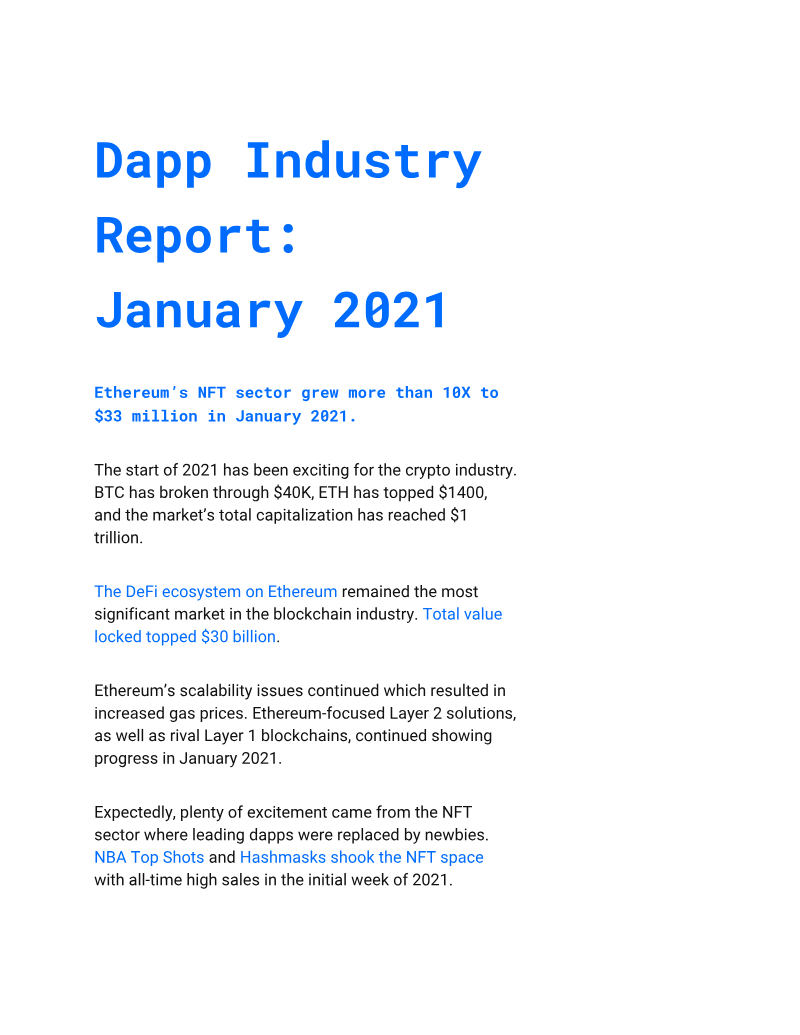
Dapp Industry Report: January 2021
The report presents a snapshot of the decentralized-application (dapp) landscape in January 2021, emphasizing Ethereum’s continued dominance while highlighting the rapid emergence of competing blockchains and the explosive growth of the NFT sector.
- Ethereum maintained market dominance in January 2021 with $112 billion in transaction volume, representing 86% of total blockchain activity and over $30 billion in total value locked.
- The NFT sector experienced explosive growth, with Ethereum-based NFT volume increasing tenfold to $33 million, while Flow’s NBA Top Shot surpassed all Ethereum platforms to lead the market with over $40 million in sales.
- Binance Smart Chain recorded its strongest performance to date, processing over $15 billion in transaction volume and achieving the highest number of unique active wallets, driven primarily by Venus and PancakeSwap.
An Introduction to Blockchain | PocketGamer.biz RoundTable
Blockchain technology represents a fundamental shift in the gaming industry, moving away from traditional closed-loop models toward decentralized ecosystems defined by true digital asset ownership.
- Blockchain technology shifts gaming from closed-loop models to decentralized ecosystems, granting players verifiable ownership of in-game items as permanent, tradable property.
- The industry is prioritizing the integration of Web 2.0 accessibility features, such as email-based sign-ups and fiat payment gateways, to lower entry barriers for mainstream users.
- Developers acknowledge that blockchain benefits like cross-game interoperability are secondary to the requirement for high-quality, compelling gameplay to ensure long-term engagement.
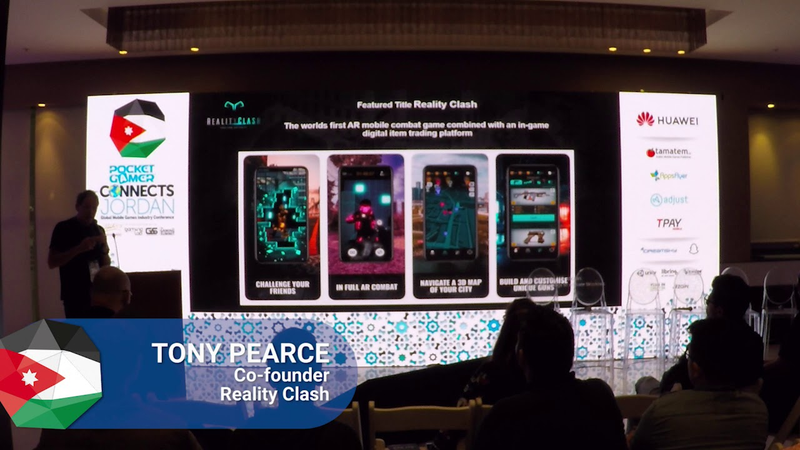
Tokenised In-game Collectibles (NFT’s) are a Fundamentally New Type of Digital Goods
Non-fungible tokens (NFTs) represent a transformative shift in the digital goods economy, moving the gaming industry toward a model of true asset ownership.
- NFTs enable true digital ownership by allowing players to legally trade, sell, or transfer in-game assets outside of the original game environment.
- The integration of NFTs is projected to expand the gaming industry's total addressable market by 15% to 20%.
- Reality Gaming Group’s Reality Clash demonstrated strong market demand by clearing 75% of its 7,000 limited-edition weapon inventory within 24 hours of release.
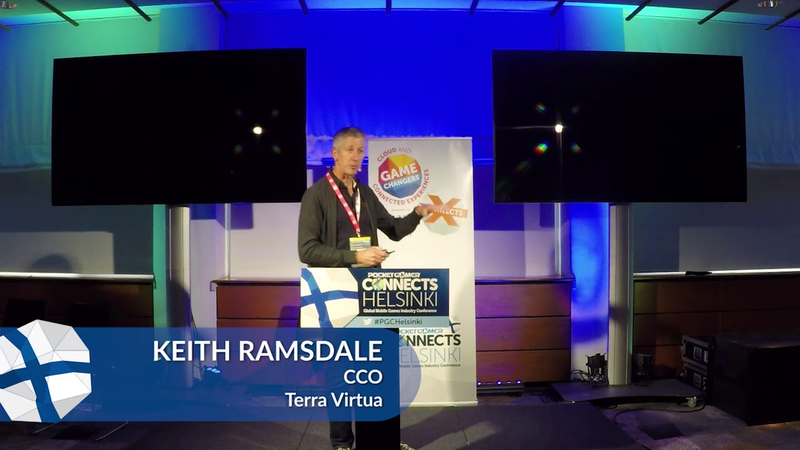
Terra Virtua – The consumer VR platform
Terra Virtua is a consumer-facing virtual reality entertainment platform designed to serve as a centralized hub for immersive gaming, live events, and social interaction.
- Terra Virtua functions as a centralized VR ecosystem that uses a proprietary blockchain-based token to unify fragmented gaming experiences, currencies, and digital asset trading.
- The platform offers developers an 80/20 revenue split in favor of the creator and utilizes blockchain technology to bypass traditional 60-day payment cycles with immediate settlements.
- The 'Terraformer' toolset, built on the Unreal Engine, enables users to develop, host, and monetize their own VR experiences within the platform.