hello john and welcome to the podcasthey michaelso for folks who don't know you you're aceo of beamablepreviously disruptor beam and forfolks who don't remember disruptor beamstar trek timelines walking dead marchto war i actually remember that game inartistic art you got a game of thronesascent and archer danger phone so a lotof really cool games a lot of ip basedgamesand you are a true og in the industry socan you tell people a little bit aboutyour career before we we start talkingabout really crazy stuffsure i started building games when i wasa kid i really had two twin passions asa kid games and programming soas far back as i can remember i was intocomputers my father worked at a companyout here called digital equipment corepiece to plot me down in these bigcomputer labs with like mini computersand terminals and stuff so i waslearning how to make like text basedgames and things like that but the othertwin love was dungeons and dragons my
mother got me a dungeons and dragonsbasic set when i was like nine years oldand then i was all in on games at thatpoint so that's where i got started hada couple of shareware games by the timei was a teenagerbut then when i was 19 i was in collegei met my future wife in an online gameandwe decided to start a game studiotogether so one of the firstgame companies really on the internet wemade this game called legends futurepast that was like text-basedrole-playing game people played for like10 years but then i've done stuffoutside of making games as well istarted a software company called eprisewe made content management softwarewhich is basically stuff to make it easyfor non-technical people to publish onthe weband then i started an ad network calledgamer dna so i've been on the demand genside of the game industry as well workedwith a guy named trapper markels who'sthe ceo of beamable now and we built anad network that reached like 20 millionpeople onpc gaming websites and stuff like that
then i got the crazy idea of going backinto making games as you were talkingabout earlier sostarted disrupter beam with the idea ofreallycreating story based games it actuallywasn't started as a company to buildlike these licensed ip gameswhy did we end up with that though welli really wanted to make story-drivengames but i wanted to have story inmobile and social network games and herewas the kind of a quick realization ofthatkind of game it's that you get like 30seconds to prove to someone that thatthey should stick with the game sobringing them into the story is reallyreally hard in that formatso it dawned on us hey like there areworlds that people are already in lovewith and we started with game of throneshad to talk to i mean back then it wasliterally go and meet george rr martinand spend time with him and his agentand it took like two years before
i was able to persuade him to do thisdeal with us but eventually did it andat the time nobody else was doinglicense games but the benefit was peoplealready loved game of thrones they couldunderstand the world of westeros and wecould build that relationship with themthrough the game more immediately sothat's kind of the whirlwind tour of mymy background and then you know beamabletoday is a company that's buildingcloud-based infrastructure so that youcan take that game idea and really builda business around it focus all your timeon creativity and doing the fun stuffwhile we enable you to do the stuff withyou know you know purchases and socialstructure and operations and rules andall the stuff that you need servers forso we've got a couple of questions firstof all legends of the future past that'sa fantastic name oh yeahhow do we come up with the namemy wife is a huge moody blues fan andand it was kind of inspired by asong that they wrote a similar name and
we were we just were inspired by thatand came up with it but it was it wasset in this sort of likepost-apocalyptic world but it hadregained likefantasy and magic and all this stuff soit was like a blend of sci-fi fantasy ilove itthe name tells already everything aboutthe game so it's such a cool name andthe second question umwhen did you get like what was the yearwhen you're going through making a dealon game of thrones and how like how manyhow many times did you read the booksthat had come out by that time like canyou can you tell me a little bit aboutgetting that ip because it must havebeen really difficultwell i think one of the differentiatorswas that i had read the books franklylike there were all these people goingafter the game of thrones license at thetime so it was it was a funny time thewhen i first started talking to george rmartin the show had actually not airedon hbo yet so my familiarity was with it
from having read the books and i lovedthe world and i thought it would be aperfect settingfor the kind of game i wanted to createwhich was about storyand social interactions diplomacy oranti-social interactions george had justcreated this marvelous world for thatso i was going to do it whetherthe tv show came out or notnow in the course of talking to him youknow of coursethe show was made the first season cameout i rememberyou know george was nervous like isanybody even gonna like it of course itbecame this runaway success huge numbersof people watched it but you know whenwas thisi mean the game this is a long time agonow the game came out like 2012 soquite some time ago and then the firstseason kind of came out at the same timeas we were building the gameand then we're like wow this this isactually going to be really big we'reonto something here it was a stroke of
luck frankly that the show was assuccessful as it did after we made thatyeahyeah i read all the books i you thepoint back to your original questionlikethere are other people going aftergeorge andno one understood his book like peopledidn't have me were trying to license itwho hadn't even read it and didn'treally understand what his world was allaboutand i think the reason we got it as iwas able to make this authenticconnection around what game of throneswas about what the world was like andhow we would actually bring that to lifethrough the story of the game yeah thatmakes all the sense i was asking becausei think duringthe past decade i've been twice in asituation pitching to i believe hbo no idon't believe i know hbo to get that ipnot that i was driving to get that ipbut i've been in the meetings becausei'mwatch the game of thrones i can't sayi'm that a big of a fan butbut it's kind of confusing to bepitching on something that you're notmaybe that much interested in
and it's clear that you got the ipbecauseyeah you showed the passion so i thinkthat's the that's crucial the the worldof licensing has changed a lotsince the time i did it like iat the time welicensed game of thrones and then laterstar trekit made a lot of business sense to do atthe time and we had a lot of creativefreedom about how to express the game ithas changed a lot like at that timethere wereyou know very senior executives in bothof those licensing organizations who sawit as more than a license they saw itreally as an opportunity to build thefranchise bring in new audiencesconnect with their fansin ways that they couldn'tthrough the television shows aloneand kind of build that community aroundthe ip and i won't say that those peopledon't exist today certainly they do theytend to be you know very seniorexecutives in some of these companiesbut by and large like the licensed game
thing isyou know business devexecs who are compensated for gettingdeals done and bringing cash in the dooras fast as they can it's not necessarilyas long-term orientedand it's difficult to align theinterests of a game company withsome of those business constraints ithink that's the hardest thing aboutlicenses right now is just really havingthat alignment because games take awhile to build they get a they take awhile to build really well sometimes thefirst things that you do while you'retrying to explore the creative space ofa licensed game they're not all thatgreat and you need that runway toiterate and learn from the fans and showit to fans and and really just learn imean that's kind of my biggest thesis ongame dev in general not just licenseswhich isgames is really about shots on goalwhether it's the individual gameand being able to try a lot of things inthat game and actually connect with a
fan baseconnect with a kind of player that youfeel you can understandand try features iterate with them andthen more broadly at like a studio leveleven be able to try different kinds ofgames and have that runway to reallyexperimentandthe need of experimentation that i thinkis really necessary to effective gamebuilding this shots on goal kind ofconcept doesn't always align with theschedules media release plans etc thefinancial incentives that exist inlicensing organizations yeah that's whythat's why it usually helps to focus onone specific genre so that everythingyou do in one game not everything but 70is transferable to the next shot soyou're able to make those shotshots much faster and with morecertainty because you've tried certainthings they work now you're trying withthe same type of elements so but anywayslet's not talk about shots let's talkaboutwhy did disrupter be moved away from
making games since you i mean walkingdead game of thrones archer star trekhow did you move from from that to tobecoming a platformyeah well part of it was me you know i ilooked at what i had done in my life andi've done a bunch of things first of alli love making games yeah clearly thepassion i have going back to being a kidbut i've also done things beyond makinggames i've built an enterprise softwarecompany i've been in the demand gen sideof gamesand i felt like my unique calling inlife was to try to bring a lot of thoseexperiences together to help the worldand help millions of game developers andi wouldn't really be able to do thatbuilding one game after another atdisruptor beam as much as i love that soyou knowover a year ago i made the decision thatwe would take the games that we had thatwere really sustainable and were doingreally well star trek timelines inparticulartilting point took that game over so itcontinues to run today the game has a
really greatfan base it's in good hands there thepeople who worked on the game arecontinuing to move it forward the othergame that we had that was in middevelopment at the time archer dangerphone we worked witheast side games they brought it tomarket they finished it and it'scontinuing to operate today again reallysuccessful game what that then allowedme to do is really focus on thisplatform problem because i the problemin the industry goes back to this shotson goal thing which is like how can ihelp more game developers get more shotson goal you mentioned like you shouldbringmore of your priortech and capability over from you knowby focusing on a particular genre that'sthat'si think good advice for a lot of studiosbecause that's a way that they can getto market more rapidly iteratemake it more of a learning process andadvice based on my prior mistakes solet's be clear not something that i didsomething that i learnedso
yeah and by the way the the journey ofany game developer involves a lot ofmistakes if anyone doesn't admit thatthen they haven't actually built toomany games i think so we've all mademistakes my my mistakesyou know have been largely about what ijust said though not enough shots ongoal like like our march to war game uhreally good engaging game for a lot ofpeople didn't have enough runway inthere to try enough things in thedevelopment process we did off a littlemore than we could chew franklyversus star trek timelines we actuallytried five completely different games inprototype and then once we got the gamebuilt we brought it to a penny arcadeexpo and had a thousand people comethrough our booth and test it and wetook notes on how people were playing itand we like even did a different buildthe second day and like that had alreadylearned like that was a really good wayto build a product whereas just sort oflike the more deterministicyou knowdevelopment process in a box i think is
often doomed to failure because youdon't get to try enough things and reactwhich we did in that particular gamebut for me like as i looked at what wehadinvested in along the way a lot of whatwe had to build to ship our games wasinfrastructure and the shopping systemandyou know social systems guildsthe whole content management workflowone of the things we had to perfectbeing a story based game with tv showscoming out every single week was justthe authoring pipeline how do you makeit super easy through forms andand things like that to just get thecontent into the game very regularlywithout it being like this overlycomplicated devops process just as oneother examplesowe had done that and i knew that so manyother game developers suffered from thesame problems and and i just didn'tthink it was sustainable in the longterm for every game studio to be likere-learning those problems and
rebuilding all that technology becauseit takes millions of dollars to actuallybuild that infrastructure and i bet youknow like i said my background comesfrom some other spaces i i saw theseexact same problems in game developmentthat i had seen all the way back to webdevelopment right so in web developmentit was originally much more technicalupdating things making dynamic websiteswas very complex required a lot ofengineeringand then came along blogs and wikis andall thesemore pattern-based content managementsystems today of course we have thingslike wix and squarespace same thing ine-commerce right like once upon a timeyou'd have to get an app server stackand build your entire ecommerce site nowyou have shopify so there's no shopifyfor games or at least there isn't untili think we've been working on it but youknow that's that's what we want to do isreally just give creative leaders thethe opportunity to not constrain theirvision for their game really be able totake a big swing
take a lot of swings along the wayiterate try stuffand just be supported by all of thislearning and technology andinfrastructure that empowers them tobuild a business around the game ideathat they've got i like that beamable isthe shopify for developersi'll quote you on thatthat's a that's a very easy tounderstand value proposition and a lotof the things that you build like i meanyou said you worked with tilting pointand now they've taken over one of yourgames and the other one was eastsidegames a lot of the tools that you'rebuilding is something that someare the tools that the publishers areare actually offering sois it also yeah like likei don't know i don't know where i'mleading with that just making ajust making an observation yeah well ithink ityou saw the same thing happen in gameswith 3d engines for example and so ifyou go back 10 years agoit used to be that people would program
to directx and they'd have to know a lotabout matrix mathandtook real graphics programmers to figureout how to do you know basic animationsand stuff on the screenand i think there was this phase wherelikeyou know publishers had their ownversions of toolboxes and everyone hadtheir kind of ways to approach thisproblem you know and then comes unityand of course unreal that had been thereall along but their approach was wellat thegraphics api level that's not actuallythe productive use of your time what youneed is a visual studio environment thatlets you manipulate things more readilyand then think of the language or theprogramming aspect more almost as a wayto script and control that so like inunity you know you see sharp which isvery familiar to a lot ofdevelopers soyou know we've been throughthat pattern beforeultimately i think for any creatively
led process ultimately you need a toolchainthat is geared towards the creativepeople in an organization meaning it'sgot to be more visualno code hopefully low code you know atworstand just really makes it simple and fitsinto their daily life so in in otherwordsmakes it so that as you'reyou know building your game and thenmanaging and operating your game laterthe technology supports the way yourstudio really works as opposed to yourstudio having to adapt to a whole bunchof new processes and learning new devopstechniques and having specialists thatkind of turn the crank in the backgroundjust to get things to runso you know that's how we thought aboutit publishers i think do try to put someeffort into this but ultimately justlike with 3d engines it's very difficultto do it in the limited space of eventhe number of
publisher creates you know there's ahuge number of developers out there itdoes take software companies to look outand do the pattern recognition andfigure out the consistent patterns andand make those r d investments thatscale out to markets of millions ofdevelopers this is like unity alonethere's five million plus developers onunity right now that's a lot of peoplethat you have to actually buildpatterns for that they can use andlisten up we're here to talk about metaverses but before we jump in one morequestion just one advice you would givefordevelopers working with big ips like youhave workedwhat you know not doesn't have to be oneadvice but what you should keep in mindwhen working with an ips like thatso well so much of it is going to bebased on the deal that you do and iwould i would just make sure that thedeal is structured in a way that trulyaligns both sides from the get-go youdon't want to have tounravel things and renegotiate things
later because that's always a messyes so what that usually means is on theone hand games isvery much dominated by the whole useracquisition and discovery aspect thesedays so make surethat you're aligned with an ip holderwho recognizes that a big part of theoperational cost structureof running that game is actually goingto be user acquisition and that anyroyalty structure that you come up withreally has to be net of all this uacosts i think there's some ip holdersthat don't want to think about that butit's just a reality of alignment againlike you gotta go to market with theways you're gonna pull in the customersand no matter what they tell you theycan't promise you that the ip alone isgonna carry the day from a useracquisition standpoint you're gonna mostlikely be investinga lot of the incoming revenue from thegame back into itbut also make sure along the same linesof alignment make sure you've got enough
runway in there if things aren't goingto go perfectly give yourself added timedon't make it so thatthe whole deal implodes or unravelsbecause you need more timei would be very cautious of anyone whofeels like you've got to get to marketon a particular schedule or that they'vegot a whole portfolio of different ipthat's all that they're trying to kindof have some master plan it doesn'treally work that well soalignment make sure it's there in thedeal from day one and and things can goreasonably well yeah more importantlythat especially with working withpublishers like you have worked withlike the the alignment especially whatdoes good look like and how do we makesure that both parties win like thewinning scenario for both parties is thesame that's that's alignmentand and that's the chat that thechallenge by the wayeverything and this is the thing i thinkpeople sometimes forget it always comesdown to individual people and individualincentivesand if you're a studio head
building an ip based game in your mindthis game is going to be five ten yearsyou're going to keep building it likethis is going to be like a really keything for your studio for a long timefive to ten year plan is not necessarilywhat's in the head ofa lot of the people who sign licensingdealsright they don't know if they're gonnabe at that company in five years letalone one year right so that's thethat's the trick is how do you alignthatneed for a short-term payoff that a lotof those folks have versus the bigvision that you the game creator has forlong-term successso i would i would put some effort intomaking sure you'realso kind of talking to people at theright level of strategic alignmentin the counterparty organizationdefinitely a lot of a lot of greatlearnings especially you knowin my day today but others as well but
anyways we're here to talk aboutmetaverse and this is another thing thati want to learn from you what is thedefinition of meta work out of metaverseeven a hard word and and why iseverybody talking about it right nowlike every funding news is aboutmetaverseso yeah i guess people are talking aboutit increasingly now because tim sweeneywas talking about it a bunch but nowmark zuckerberg was talking about itnow since mark said it like everybody'sgoing to pay attention i guess butyou know the the word metaverse goesback to a book called snow crash whichneil stephenson wrote you know years agowhen the internet was really just in itsinfancy and it was this idea of a 3dimmersive space where everyone couldparticipate his vision of it was likethere would be like one metaverse whereeverybody would connect and and we'd allgo there and that would be sort of theonemetaverse to rule at all there wouldn'tbe like all kinds of differentenvironments now of course it's playingout a much different way the way i thinkof the metaverse way i define it is it's
really just the next generation of theinternetandwhat's different about this generationwell in the past the internet has beenlargely transactional you go to a webpage you buy something it's not as realtime whereas the metaverse is reallyabout real-time activity real-timeengagement between peoplenow along the same lines it's alsopowered by a huge amount of creators andcreativitysoyou know prior versions of the internetwe've seen that in the webhuge huge number of people creatingcontent for websites for social mediaand whatnot there's a huge creativeaspect of the internet but we're goingto now seethe creativity extend into this sphereof real-time content as well sofor people who listen to the podcasthere we're all game makers i think gamesis the thing that's been doing this allalong right so that's what i think isvery relevant to people in the gameindustry in terms of bridging over to
the metaverse because i think themetaverse is going to be100 percentdefined and informed by games and gametechnology so everything that we've beenworking on in games for the last 10 20plus yearsyou know the metaverse is going to learnfrom that whether it's the 3d technologywhether it's the real-time interactivitythe way we've created social structuresand guilds and all these kind of i hatethe word gamification but like thethings that kind of engage people inexperiences that are deeply meaningfuland convey storiesthat's what's going to be brought by themetaverse and it will the metaversetoday is almost entirely mostly gamesbut we're going to next seeyou know immersive social experiencescollaborative spaces even far out thingslike you'll be doing telepresence travelin the metaverse so you'll exploreplaces in reality but through the
metaverse there's the augmented realityaspect of it where we're gonna tag andadd information and richness to thephysical world but the other thing isthe metaverse is here right now themetaverse is not afuture thing we're going to build thatmark zuckerberg is going to build for usand then we're going to go into themetaversethe metaverse is here alreadyand it's not going to be one metaverseit's going to be this whole multiverseof meta versesyou know roblox is a metaverse facebookthey're welcome to build one too i'mmore interested in like how you takethe creative space of something like aroblox and make game development thateasy for the whole world but then youhave the freedom to publish and bringyour game anywhere you want so insteadof thinking of theseas walled gardens where everybody has togo to build things it's like how do youenable creators to do this everywhereand that's the uh the sort ofexistential battle betweenbetween epic and apple with apple being
like the perfect walled garden orecosystem and with tim pushing towardsmore likefreedom everywhere am i correctwell i i certainly can't read tim's mindeither tim's mind so you know i thinkapplecertainly has a huge portion of theirrevenue that comes from ieps and theywant to control the experience andcontrol the content and gate it in andout andandtake a toll for coming coming through itand that is a huge downside because anytime you create these highlypermissioned ecosystemswhereyou have to ask to get on the platformand then you're subject to review andthe party who reviews you also gets totake a huge chunk of your revenue that'sa tax on innovation for number numberone and also it's just going to reducethe creativity and the number of thingsthat we're going to see out there versus
stay like pc gaming or pc softwaredevelopment in general is you know imean it's notperfectlyopen but it's it'salmostcompletely wild and that you can get apc you can build a piece of software onit you don't have to go toany company microsoft the pcmanufacturer whoever it was that waspart of that value chain you don't haveto ask permission to build your pcsoftware you just make it and you shipit and as long as you can connect withan audience you can build a softwarecompany around it that's just not thecase for iostoday and it's it's you know androidkind of sits a little bit more inbetween but you know there is a dominantstore which is google play but you knowi when i said i can't read tim's mindyou know i don't know what hislong-term plan there is either because ithink in some ways he would like to seesomething like fortnite be the hub ofthe metaverse too and you see that withbringing in all these licensed
characters fromall these different universes andplaying in there like there's somethinggoing on there where it's likehey is fortnite the place that's thegrand junction between differentexperiences and worlds and avatarrepresentations and whatnot i don't knowbut i i think that certainly they'regoing to buildagain their metaverse and nvidia iscreating an omniverse which isn't evenfor games it's for like engineers andarchitects and stuff there's robloxthere's core but then there's the wholeopen internet that's actually what i'minterested in i really want to givepeople the freedom to build in themetaverse without asking for permissionso that's kind ofthat's kind of the connection betweenmetaverse and gaming and so far asbeamable my company is concerned it'sjust the idea thatgames arethe use case for the metaverse rightthis second right like if you want tobuild in the metaverse it's going toprobably be a game right now
and people need this infrastructure thatenables them to launch this gamewherever they want and if you want to beon ios that's fine we we're not in thebusiness of telling people not to dothat that makes a lot of sense for ahuge number of people i've built gamesfor ios but also have the freedom to doit on pc orthethe open web use open standardsultimately we just want to help gamedevelopers be successful and shipanywhere but then longer term you know iseegames informing all these other kinds ofapplications where a lot of theinfrastructure requirements aroundyou know real time participation realtime you know relating back to datastore and store fronts and all thatstuff is going to be relevant across awhole new class of applications so a lotof the times when you talk aboutmetaverse the first image that i see inmy head is ready player one how wrong isthatoh totally wrongdon't kill me i need experience
i need you to kind of like this yes noit's goodum i think that's just another to meready player one oasis is like anotherevolution ofthe neil stevenson vision just reallyawesome like i don't want to takeanything away from either of thoseauthors they are brilliant like theyinspired so many people they couldn'tsee everything obviously but one of thethings thatis in ready player one is the oasis islike this i don't know trillion dollarmega corporation that basically ownsthey don't they don't call it themetaverse there they just call it theoasis but they own that mediversy kindofenvironment in fact the whole plotrevolves around like the ceoyou know wanting to leave a legacy tosomeone who's going to control the wholething so to me that's the opposite ofthe metaverse anyone would want we weshouldn'twe should not want to havenor will i think we will haveone company controllingthe metaverse because that's like saying
one company controls the whole internetlike we wouldyou have a few powerful companies rightnow that are doing thatnot one but we do have a handful of verypowerful companies that are doing thatbut open standards and open technologyopen source development blockchain evenit's all alive and well you can buildopen things that are permissionless thatyou do have freedom with and that'sgoing to continue as well i think thereis sort ofyou know if we look at some of the megatrends driving the metaverse like thereis this idea ofopen standardsis sort of one big mega trend that'scontinuing and there's the power of thecentralized platforms like facebook andapple and so forththat's not changing either so we'regoing to see those evolving in paralleli don't know that they're necessarilyin opposition to each other sometimesthey actually help each other becauseopen software development can
be used within weld gardens as wellbut where the power lies nobody reallycan know that at this stage of the gamebut there probably will be some otheremergent platforms butyou know i for one i'm just excitedaboutyou know the freedom that the metaverseought to get a lot of developers tobuildwhatever they want wherever they wantmonetize it you know whatever makessense for their businessall right so while why you're more oflike a wild west type of a metaverseversus asuper controlled one i don't know if icaught the wild west any more thanthen the internet is already the wildwest and[Music]you know open source softwaredevelopment is is kind of the wild westit's just really the idea that i i don'tthink the internet should be defined bya few gatekeepers who controlboth who is able to publish and then whois able to access and also define allthe business models that are requiredwithin that ecosystem so john do you
think that the latest trends inprivacy as well ashow would i put it like this wholemisinformation and and shutting downcertain conversations and like what imean by government oversight orregulatory oversight is this somethingthat could add could act against the theformulation of these free metaversessoyou're kind of asking likewhat you know based on what's going onwith say facebook and twitter andwhatnot wanting to control more of notuhi wouldn't even say necessarily like thefacebooks and twitters but more thatthere seems to be happening more pushtowards oversight in the internet as awhole and and does thatyou know does that harm the evolution ofthe metaverse or it's just a non-factorwell i mean it's going to be it's it'srelevant because so many billions ofpeople are on the internet today and somuch of our our identities
is actually based on our digitalidentity now like if you go back 20years ago like how much of people'slives were defined by what they doonlinecompare that to today and look at thetrajectory where it's heading like todaywhether you'reactively involved in social media a lotor you're in esports or you play anmmorpg you play a game like there's allthese manifestations of our identity inthe digital world and that's why you'reseeing these things happen sothethis kind of mainstreaming ofone's digital identity the increasingimportance of it is another of thosemega trends that's kind of powering themetaverse and it's only going to be moreso like if i look out another 10 yearslikei bet you know there's going to bebillions of people in the world who aregoing to be mostly known for theirdigital existence more so than theirphysical existence sothat's kind ofwhat's driving a lot of these things
because then when you have very powerfulcompanies out there whether it'scompanies that control who can publish agame or an app or a piece of content orcompanies thatfind themselves becoming responsible forregulating to some degree even theconversations and the content you knowsuch as social mediayou know that'swhy that's happening because this is soimportant to people and it's such a bigpart of our lives so i think for themost powerful companieswith great power comes a lot ofresponsibility so you're going tocontinue to see thatdo i think thatsmall scrappy startups are necessarilygoing to be saddled with the same levelofregulatory controlno because they're gonna they're notreally going they're not gonnabe as prominent as a facebook they'renot gonna receive that muchscrutiny i do think it's important for
people to be able to control their ownmeta verses their own spaces their ownapplications and games and decide theright way for them like ii think actually in the right kind ofgame for examplecontrol of the community in terms ofwhat standards are acceptable is afeature not a bug like i don't believein just sort of wild free-formgames of spaces where the players comein and do whatever like that's usuallynot fun for people like when we've seenexamples of likereally toxic game environments wherethat hasn't worked well where the gamecompany didn't have enoughresponsibility for it it's not only badfor the game it's bad for their businesstoo it's not a sustainable model but ithink companies should determine thatfor themselves because i can see a roleforsome games beingless censored less constrained more ofan open environment and i can seemuch more tightly controlled games i cansee meta verses for kids where you
really have to be much more carefulabout how you allow interactions to takeplace soit's going to vary and i don't thinkthat you can expect that one company beit an apple or a facebook or whatever isthe company that's going to be thateither you can trust to do thatcomprehensively or really allow themaximum expression of creativity that'sgoing to be required for all thesedifferent games and applications in themetaphorsso so you know you mentioned multipletimes like apple and facebook and wetalked about epic like who are the sortof biggestplayers in the metaverse world at themoment in your opinionwellmaybe i i would probably be inclined toalmost take a step back first andthink of it like what is the structureof the industry there's a there's a lotof participants in the industryall the big companies that we've beentalking about certainly arereally important to how it's going to
evolve i on my blog building themetaverse i i actually have this thisgraphic that i call the market map ofthe metaverse so i'd encourage anyonelistening just check that out becauseit's got like 160 companies on it butthe way i think of it is it all startswith experience first of all like allthe stuff that we're talking about itreally doesn't matter unless you'reactually delivering experiences andthings that you can actually dothata consumer me and you in our daily lifeare going to care aboutand a lot of those are game companiestoday right so you haveyou know epic with fortnite and robloxandyou know virtually any mmorpg anymultiplayer game experience all of themin my view are building for themetaversebut then you go kind of you know downthe value chain of you know what isdelivering those experiences well it'severybody involved in discovery right soyou have to find the experience somehow
it's not going to just land in front ofyour computer at least not until we gotsome ai agenton my computer i say hey find mesomething that's exactly this built justfor me and it finds it for me i thinkthat's actually coming that's a kind ofdiscovery that will come down the roadbutcertainly discovery includes everythingfromyou know chat systems like discord toadvertising networks like unity andfacebook and google and whatnot thenyou've got the creator economy which islike all the tools that make it possibleto create this content that people arefinding so that'sthe 3d engines the graphics design toolsthe infrastructure company saw like myown company beamable i would put in thatcategory but certainly companies likeunity are very important there adobe isvery important thereunreal engine from epec again like epicplays with a lot of these biggercompanies haveyou know investments across multipleareas of this of this value chain
you've got the whole spatial computingarchitecture which isyou know not just the creativeenvironment but actually the delivery ofimmersive 3d graphicsand also bringing 3d graphics into ourexperience of the world through thingslike augmented realityyou've got people that are buildingthe blockchain systems and thedecentralized technologies so a lot ofwhat i was talking about earlier opensourcedecentralization is one of these wordsit's used a lot and like crypto andblockchain but decentralization it'simportant to note is bigger thanblockchain it's alsothe internet itself is a decentralizedtechnologythe domain name system isdecentralization so all thesedecentralization technologieswhich does include blockchain domainname system open source etc you've gotthe human interface companies buildingthe actual hardware so vr ar yourcomputing devices wearables mobile
phonesand then ultimately it all comes down tothe infrastructure so cloud computingedge computing the cloud is gettingcloser and closer to uh us so that wecan cut down on latency and have moreconcurrency you've got semiconductorssensorscameras so like that's the metaverselike this is a multi-trillion dollarindustryall about delivering those experienceswe were talking about so you can imaginea lot of computing companies in therecheck out my list of 160 of them yeah sowe will have a link to the to your blogbuilding the metaverse in thedescription of this podcast but that's areally good point that you made becausewhen i was thinking more about metaversemy questions were around like who'sgoing to execute the best what do youthink epic versus facebook versus nvidiaand all these different players but theway you'reportraying it and actually you know i'veseen the image on your blog it's reallytaking a step back and thinking moreholistically like what does it take tobuild the whole metaverse because it's
just likei don't know just like the app store theapp store is notapplethe app store is hundreds of thousandsof developers who are all working on itand what do what do those developersneed to succeed and so forth and soforth and that kind of builds the wholeecosystem around it in the same way wehave to think about the metaverse it'sjust not one company that designs it andexecutes against it but it's more likethe ecosystem of different players uhthat together need to succeed in intheir individual strive to to make themetaverse happen is that more correctthinkingyes there's a huge number of companiesthere now certain companies i think havetheir own vision for the metaverse andthere are some companies that own asignificant number of those chunks upand down the value chain like certainlyapple these dayshas something in virtually everything ijust mentioned right so they've gotsemiconductorsall the way up throughdiscovery and creator tools and whatnot
networksand not a whole lot of experiencesthey're letting everybody else do thatand they're happy to just take a chunkof everything else that everybody doesbut yeah they they play a huge rolethere and and facebook googleyou knowall these microsoft huge number ofinvestments across the whole thing sothe big tech companiesare seeing the metaverse com coming alot of them have been building parts ofit for many years now because evenbefore we were talking about themetaverse these things served othermasters via just game development orgraphicdesktop publishing orwebsite content creation but it's nowall converging together i think isanother way to think of it which isthe metaverse isinformed by all this graphics creativityreal-time technologypublishing systems that let you getthings out there the discovery networksthatallow people to find the things that areof interest to them like all of that'scoming together around stuff that's more
real time in nature and driven by a hugepopulation people just making stuff so imean i'm learning a ton now when you'rehaving these conversations and you talkto lots of executives most likely andsome of these executives might be in thecompanies that aremaking the metaverse like how manypeople do really understand themetaverseor how many people are kind ofportraying that they do am i the onlyone who didn't get the metaverse beforewe started conversationwell so i you know i i think it's funnyi think a lot of if you talk to peoplein the game industrypeople like what's the big deal likewe've been doing this already yeah andthat's kind ofan interesting way to think of it whichiswhich is yes we have been building itlike games has been the source ofinnovation for virtually all this stuffthat's why i thinkyou know it's important to look at themetaverse and and think of it asgames informing all these other kinds of
applications and i said i hated the wordgamification earlier becausegamification is usually when people useit they're like hey i have thisapplication i'm going to put a pointsystem on it and now it's going to belike a game and of course none of thosethings ever work because games are likemore than a point system they're aboutthe whole experience to me the metaverseis actually likereal gamification it's actually aboutthe experience the immersiveness theemotion the social connection that wefeel through these kind of spaces andbringing that toa wider range of things soso when game people look at it they'relike yeah we've been doing mmorpgs sincelike the late 90s likewhat's new about this well what's new isthe culture change that's going onnumber one which isalthough we've been working on some ofthisfor a while it was historically a lotnichir but now because of you knowlargely i credit mobile computing morethan anything else with popularizing
games it's just an activity that thewhole world enjoys butgames over the last decadeis something everybody's been doingthe whole idea of the mainstreaming ofone's digital identity the importance ofyour digital identitythat has really changed a lot over thelast decade like when i mentioned like imet my wife in my futurethat was very weird back then todaythat'sthat's not weird or even unusual at thispoint right like people meet each otheronline all the time in fact i have amain way to chat in clubhouse like twopeople just met my clubhouse gameindustry club the other day and have metin in real life and and that's sort oflike you look at that and you're likeawesome but also that's not strangeanymore or is it strange for mewhen when i first did that so there's alot of culture change going on there'stechnology change that's makingbuilding game like things and gameexperiences a lot more accessible to alarger number of peopleand that's what's changing in thebackground so when i talk to people i
think that there'sgame developers where likethe metaverse is just a new word forwhat we've been doing all alongmaybe it involves aspects ofinteroperability or common avatarsystems and things like that maybe anaspect of this creator economy where youcan add stuffi find that outside of gamespeople arejust trying to figure out what it meansto bring3d graphics immersive spaces real-timeinteractivitymore social structure more creativity[Music]who the people who really get it franklyare our youngest generations like mykids my my i have twins they're 10 yearsold to themmetaverse is just a word for whatthey're doing already because they're inminecraft they're in roblox like to themthey're already in the creator economywhere they can go into these building
environments and make stuff and invitetheir friends to participate in it andnow we're just sort of labeling thatkind of stuffso yeah there's a certain amount ofeducation that happens with people thatmaybe historically haven't been asexposed to games but so many people aregettinggames at this point it's like to me iremember it used to be that we talkabout likea person who's a gamer versus someonewho isn't a gamer and and to me that'ssuch a bizarre thing to even think aboutnow because that would be like okay halfthe planet versus the other half of theplanetit's it's most people who have access totechnology play games at least a littlebit of the time yeah of course soin the end the answer to the question doyou feel thatthe executives that you discuss are allpretty much all on the same page when itcomes to metaverse or do you feel thatno everyone's trying to figure out howto define it well like i think that'sthat's what i was kind of leaning inyeah no i i think that people are stilltrying to define my definition is is the
one that i use that i find when i use itpeople like it it'syou know this idea is the nextgeneration the internet driven bycreativity and real-time interactivitypeople seem to like that and get it butyeah the the industry has yet to trulycoalesce on a specific meaning becausefor some peoplethe metaverseis ready player one or the metaverse ofsnow crashand it's more about the war for who getsto be the metaverse that everyone'sgoing to useoasisyeah well i suspect that's sort of likewhy people are listening toyou know to facebook for example likeokay so facebook is going to compete tobe the metaphorsand mark is going to own the oasiswell to their credit they actuallythey've done some things that areactually encouraging from an openstandard standpoint like they did haveall these
proprietary apis for the oculus forexample but just a couple weeks agoannounced that they're deprecating thosethey're going to adopt open xr they'regoing to pursue a concert that'sactually very interesting i have no ideawhat's going on again i'm not a mindreader i don't know it's hard to pre toknow exactly what's going on in mark'shead althoughyou can kind ofback into the incentives that existthey're an advertising company first andforemostmaybe they think that the opportunityisn't to just be anotherapplication like a facebook but toactually be the operating system morelike a googlewhereyou can supply advertising to everybodywhether they're inside your wild gardenor not i kind of suspect that's wherehe's going with this which is and ifthat's true then he then those kind ofbusinesses benefit from open standardsbecause you just want everyone to buildlots of stuff so that you can helppeople discover it yeah i mean with
facebook you know it's growth of theindustry is growth of facebookand and that's why their goal if we'retalking about goal alignment is is wellaligned with the growth of the industryso so in that sense you know it's it'sless about the control but more likefueling the growth one thing that hementioned multiple times was creatoreconomy so what do you what does thatmeanfor the metaverse in general and gamedevelopment in particularyeah well so i guessat a fundamental level the creatoreconomy is just aboutgivingcreative peopleboth the tools to build what they wantand the accessto audiences and communities wherethey'll end up having a much more of adirect relationship with the communitiesthat they're building forsogames of course iagain like we're gonna learn a lotwe the collective we of the world aregonna learn a lot from games over thecoming decade because games have figured
out parts of this puzzleall along like gamescertain games have always had a creatoreconomy like minecraft has a thrivingcreator economy there's been modding ingames in fact thereas i think many people listening herewould know there's some games that arelike humongous games that just startedout as mods right so you know dota andso forth soyou knowthat's an example of the creator economyandwhat we're going to see over the comingdecade is more and more tools that makeit less and less technical to buildgames real-time immersive experienceswhether you call it metaverse or notreally doesn't matter so much for thisnotion of a creator economy it's justthatif you look at what's happenedhistorically over timeto just broaden it outside of games fora moment like look at what happened withyou know desktop publishing it startedout aspostscriptessentially programming language but nowit's visual tools that anybody can use
to create graphics and adobe built atremendous business around thatwhen i look at a company like unity itfeels like you know adobe for 3dgraphics all over again it's like how dowe go from the techy stuff like directxand needing to know matrix math and allthese things that you used to have to doto build animation in a 3d space nowit's a creative studio environmentthatempowers you the creator just to makestuffyou've got companies like shopify wherewe went from an e-commercecreativity and e-commerce used to meansitting down with an app server and youknow coding databases from the ground upno one would do that no one sane shoulddo that now you can sign up you knowrelatively inexpensively with shopifyand several of their competitors andjust go into business and e-commerceright away sothe challenge with the metaverse andgames is
it's so much more complex we're nottalking about web pages and justtransactions and displaying a page andthenmaking a purchase or posting some textwe're talking aboutimmersive worlds in 3d graphic spacesgamesand outside of games things likevr chat immersive social experiencestelepresence and travel and kind of thefar out stuff i was talking aboutearlier so the complexity level is wayup so it means that the creator toolsare going to have to step up to enablethat both not only just in the immersivelike 3d space construction side ofthings butyou know all of that infrastructure toenable the interactivityand unless that and kind of my missionof beamable is to make sure that theoption is there to have access to all ofthat kind ofcreativity around social structures andreal-time interactivitywhere so that you don't have to
set up within someone else's wild gardenlike you will be able to as anindependent game developer today and ametaverse creatorin the futureyou'll have that flexibility to do ithowever you want so the creator economyis just about breaking down thosebarriers and there's another aspect toowhich is every metaverse every game canalso be its own creator economy imentioned minecraft like i think a hugeopportunity for game makers isthink from the beginning about how toempower your community to participate inhow that game will evolve how do theymod it how do they add to it how do theyadd content and costumes and all thisstuff sothe creator economy is really aboutempowering individual people to becreative and express themselves in thisuniverse and make a living from it yeahand then exactly rewarding them forbeing creative in this so we've beentalking about metaverse and i'm gonnathrow in a lot of a secondvery difficult term that is nft
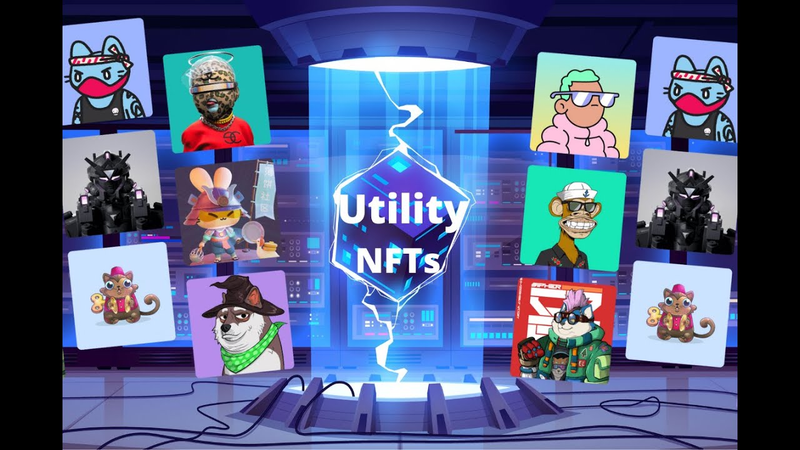
so first of allwhat is nft and how does that fit intothis creator economy that you weretalking aboutyeah there's a hilarious saturday nightlive video what the hell is an nfteverybody should just look at thatcombines it pretty surprisingly wellnft is just a non-fungible token why isit interesting i guesstake a step back from the term nftand think about a feature of blockchaintechnology called a smart contract so asmart contractis a way thattwo anonymous parties can have afinancial transaction with each otherwithout requiringa centralized authority to control andadminister it so you don't have to trusteach other and you don't have to trust acentral authority to do it soif you have smart contracts what aresome things that it allows you to dowell an nft is essentially justthe idea of a digital asset that you can
own and anyone who's played an mmorpg orpractically anyyou know mobile game gets the idea oflike a digital item or a digitalcollectible like you're buyingcurrencies or buying items all the timean nft is a way to do that on theblockchainin a way that's independent of thetechnology of any particular game sowhat has it enabled you to do well firstand foremost if you have a game that isgoing to have a complex economy withlike auctions and marketplaces andexchanges between players and pricingsystems around goodsfirst of allif you were going to build that on yourown it takes an awful lot of people tobuild up that kind of infrastructurelike game mmo rpgs for example that havethat kind of stuff like that'smany many people for many years haveworked on buildingthose systems so one neat thing aboutthe advent of nfts and smart contractsand the emergence of these nft
marketplaces is nowa developer can build a game thatbenefits from all of this openinfrastructure forplayer-to-player exchanges you don'thave to build all that so you couldenvision building a game with that kindof economy so to me the interestingthing about nfts is sort of acombination ofjust sort of what it enables but thedisruptiveness of it becausegoing back to this notion of the creatoreconomy the creator economy isdisruptive just it's disruptive in thesense thatyou know you've got companies out therewith teams of hundreds of people andhundreds of people have built sort ofthese proprietary versions of thisandthe value of having these massive teamsand massive technology investments isnow going to go way down because you asa small developer can just tap into theopen versions of that without having tobuild it yourselfso that means that we'll have a lot morevariety in experiences and i kind of
look at like something like roblox forexample now roblox has nothing to dowith nfts but what's interesting aboutrobloxand something that i would reallyencourageany game developer just to spend sometime on looking at itnot necessarily because you're going towant to end up building inside robloxalthough you might you might look at ityou're like this this is pretty cool iactually want to build a game herewhat's interesting about it is to sortof to see the spectacular variety ofexperiences and things that have come upthere because when you make it possibletoto create games and experienceswith far fewer people like in one inmany cases one person made a lot ofthese experiencesyou just get a lot more experimentationbecause you don't have to like go proveto someone that you need a big budget tobuild your whole idea and then roll itout it takes forever and ever and everso like like adopt me which is one ofthe most popular things in roblox it'sthis game where like you
one person plays a character that'sadopted by the other character that'sbasically the gamelike i don't know that that would havebeen a commercially viable game conceptoutside of robloxand that's what i so to bring it back tonftswhat's interesting here is i think we'llsee a lot of game experiences that werenot previously commercially viable noware viable because that small team canbuild games around complex economieswithout having to build it now there'sother reasons for nfts which i think areinteresting toolikemy original model for nfts is magic thegathering actually so obviously didn'teven start as a digital game star as apaper game but you actually own thecards and you can trade the cards withother people but in addition to that thegaming community around magic thegathering actually invented a lot of theplay formats so it started as a duelinggame but like the multiplayer formatcame becausepeople were sitting around with theirfriends and they wanted everybody alittle play as a group and the community
invented it well nfts gives you theability to own the individual digitalassetsandin a sense the communityif it's made open enough can discovernew ways to play with those assets it'salways going to be up to the developeror usually will be up to the developerdepending on the blockchain you usewhether you want to enable yourcommunity to do thatbut you start to have that potential tohave what i think of as like a new kindofgame company which is like a digitalcollectibles first game company wherethey're in the business more of makingthe play pieces and you let thecommunityfigure out many of the ways that theywillactually play with that content so soyou knowi'm having a hard time understanding onething like we're talking aboutcollectibles and then when magic at thegathering is a great example because youhave rare cards and those are physicalcards and there's a set amount of thosephysical cards and hence the high priceis because of how rare they are and how
powerful they are kind of like the twothings and usually those two things wereyou know work hand in handnow with digital assetsis there likehow are they able to set these pricesand we've seen some outrageous priceswhen it's something that can beyou know can be just made more of themlike it's not a physical object i knowthe same thing can be said with a dollarlike it is a physical object but hey wejust printed a couple of trillions moreand now we have more of them but i'mtrying to understand in the case of likecollectibles like how does it work whenit's so easy to to replicate those thosecollectibleswell sothat's actually one of the reallyinteresting things about placing it onthe blockchain becauseso the blockchain isi think the easiest way to imagine it isit's just areplicated public ledger of transactionsso lots of people have copies of all the
transactions that happen on theblockchain versus what normally happenswhich is there's a private databasesitting on someone's server and somecentral authority that only they havedirect access to youand if they want to expose it you kindof have to trust them that they'reshowing you the accurate informationwith the blockchainwhat people say is it's trustlessbecausethat cop the copies exist out therethere's nobody to trust you just can seeinto the blockchain and see all thetransactions that ever happened so therelevance to the question you just askedisscarcityand understanding what the actualscarcity of an asset is is part of theblockchain so you have provable scarcityyou have provable providence even youhave the ability to seehow an asset changed hands over timein a way thatreally isn't available in a trustlessway through any central authority soyeah i think there will be some bad
actors out there who mightsuggest to people that an asset thatthey're publishing is now going to beis going to be unique and then they turnaround and they just publish a wholebunch more copies of itcertainly there's nothing in thetechnology that really preventsa person from doing thatbut all that they would then be doing isundermining the value of that asset andthen no one's going towant to buy more assets from that sourcein the future because they're now knownto to be someone who misbehaves so ithink a lot of the value for assets aregoing to come from good custodians goodcaretakers who publish things and keepto their word and you'll be able to showthat they kept their word right on theblockchain so if someone in fact doesmake additional copies everybody willknow insteadright so that's the nice thing about itso essentially like currency like dollarlike if you print too muchinflation is gonna hit
yep that's that's that's the generaltheory although who knows but withrespect to blockchainlike you know exactly what's happeningin the economy and that's another operadisruptive opportunity though forgame developers right sobuilding a complexeconomy into a gamedoes require building a lot of trustwith your customer base andmaking sure that you're true to yourword and the scarcity that you'retalking about of these rare thingsare in fact rare the nice thing now iswith a blockchain based economy thereshould bealthough there is still going to be acertain amount of trust building becausepeople want to know that dealing with alegit sourceyou can at least prove it and people canlook for themselves and so there's lessof that trust building which means thatthere's more access to the market bysmaller companies who want to try to getintothe business of the really superinteresting business of games withcomplex economies that are really
challenging to buildordinarily so johnlet's say you know a bunch of smallerstudios are listening to thisand they're totally buying the metaverseand they're buying the blockchain basednf nftswhatyou know what does the future nearfuture look like for for these smallerdevelopers and what should they befocusing on to kind of catch the wave ofthe metaversewell i mean i think first and foremostdon't actually chasefads like there's like there is somesome quote unquote easy money to be hadright now around funding like nft basedgames or whatever like because there'sjust a lot of people sitting on a lot ofblockchain based wealth on ethereum andwhatnot and they're happy to buy some ofthese crypto assets like i've boughtsome of these just for fun to see whatthese games are likego back to game development 101 focus onthe experience what's going to be funabout it i think that theproduction value expectations the fun
factor the engagement all of that stuffis going to bejust as true as it ever was andand just make sure you're buildingsomething funand that defines what you're building asopposed to the technologies that you'reusing to enable it all of these thingsfor a game developerthough like look at these things asa combination ofyou know labor savingsystems so that you can thenalso have more creativity and focus onthe storytelling the graphics thefeatures of the game the actualexperiential qualities of the gamei see a lot of moneyflowing into game studios right a veryexciting time to bea game makerandactually have access to capital which isunprecedented like it used to be veryvery hard to get access to capitaloutside of like the traditionalpublishing
systems now there's you know 2 billionplus just sitting out there in bankaccounts ready to flow into game studiosand it seems to be still growing rightso one thing i worry about isthatthe capital is getting deployed rapidlybuta lot of these folks are going to takecapital andbuild very inefficient processes becausethey're all not updating theirapproaches towhat's available technologically ortapping intothese aspects of the creator economyi'd hate to see like someone raise acouple million dollars for their studioand a million dollars goes into toolchain development andthey should spend likeyou know nearly 2 million on justbuilding a great gameso so what is what is your advice to theto to the funds andfund managers and all these people whoarewho are beingyou know you know who are cloud-chasingwith this and then everybody's investing
nfts and crypto and metaverses and likewhat they should be looking at whenthey're making these investments withthese buzzwords yeah growing up well sofirst anybody puttingcapital into games first of all thankyou you you're awesome probably playgames and and you're a different kind ofhuman than has historicallyinvested in games like like that's greatyou should certainly know that games isa brutally hard businessthatit's hard enough first of all it's hardenough to even ship a game right like alot of games just don't even get shippedlike most of those eyes for whateverreason yeah so it's hard enough to shipa gamethen it's hard enoughit's even harder to ship a game that'sfun that's super hardand then it'ssuper hard toship a game that's fun that connectswith a large enough audience that thatactually becomes a sustainable businessthat then gets big enough with enough
scale to return capital to you as aninvestor to get an roi on the capitaldeployed soso okay so i just scared off a bunch ofinvestors and that's fine becausefrankly if they don't know that theyshouldn't be investing games they'lljust do a lot of destructive things togame studios if they put capital behindif they don't understand that i thinkthe most importantarea of alignment for sources of capitalin game studios goes back to i think oneof the very earliest things i saidin this conversation which is shots ongoal you really have to understand thatmost game studios are not successfulsimply because they have the onebrilliant ideaandtheypursue their development plan exactly tothe blueprint ship and then it justtakes off very very rare won't say ithasn't happenedbut that's uncommon much more common isyou know a super cell who slogged it out
with two three games thatthat weren't all that great beforeheyday and you know then clash comesalong and it's huge orrovio for goodness sakes making i don'tknow how many dozen game ideas before itworked out like sothat's actually the normal situation soi would make sure that where the capitalis getting deployed is getting deployedin a very capital efficient wayin which the studiogets shots on goal whether it'staking the core concept that they'reworking on and really giving them thespace and the runway to try a lot ofthings in it and to really test the hellout of it experimenttry it with audiences and get it rightbefore they roll that game out intorelease because otherwise all thatcapital is going to be wasted or givethem lots of shots on goal in the formofgetting a really super creative teamthat also knows how to just build and
execute and make stuff and just givethem the opportunityto try even different games like try toreally experiment within thecapabilities of that team just forgetthe idea that you're going to put xdollars of capital into the onewinning game ideaandthen you make your 100x return yeahusuallyis way harder than that so good teamsthat can be capital efficient with goodshot with lots of shots on goal i thinkis how you can make money in gameinvesting yeah i know i would i wouldstill kind of double down on the fact oflike keeping in a certain genrebecause it allows you to take to be moreeffective with the shots you takebecause there are studios that arefast at making different types of gamesbut if you're trying to make all kindsof different type of games going frompuzzle to merge tobubble shooter toi don't know whatever is easy to make
today that you can make relatively fastthen i think that's also challengingbecause you're not building anythingyou knowconsistent nothing nothing tangibleyou're not building your you knowyour tool sets and andand what not elements that would allowyou to iterate and and take multipleshots with with similar type ofof approach so yeah so there's somethingthat i think can often be even harderthaniterating within the genre though andthat's understanding particularaudiencessoi think it's really hard formost game studios although i've seenexceptionby the wayeverything we've talked about there'salways the counter example ohthe exception that proves the rule solikelike supercell is a good idea i'm surewe'll see a bunch of comments like whatabout these guysright they proved the rule they're whatthey're the exception exactly the it'sdifficult for a team
who really understands in a particularaudience really really wellto then build for a completely differentaudienceright so i thinkaudience iteration and super deepunderstanding of players and whatmotivates them is even more importantthan the genre because you can havesubtle shifts within the genre if theaudienceis somewhat transportable to a differentkind of game but i think that's why likeif you look back likeyou know why didn't too many triple agame studios successfullybuild free-to-play mobile games eventhough a bunch triedthey a bunch tried to do it very fewsuccesses that you can point to mostlybecause like that audience insight therealvisceral understanding of the playerreally wasn't there so what they weretrying to do was take a lot of thattriple a game building experience andlike just transport it to a different
platform but where the audienceexpectationsand the player was really a differentkind of customer and i think that'ssuper hard ithink that it's okay to like varyyour genre a little bit because i i alsothink thatgenrecan also get a little bit ossifying likeyou you can kind of get locked intopatterns thateverybody's seen before and i think areal opportunity for game studios is tryto bring innovation to the market aswell and create new things that peoplehaven't experienced before so giveyourself some space within the genre ifyou want to be genre experts to try tobring innovation in as well don't justnecessarily clone again counter examplesof plenty amongst fast followers whojust clone and and that sometimes worksat least to me what's interesting isinnovation sustainable audiences whoreally love certain kinds of things but
understand the players first andforemost is the is is i think the thebig message there because if youunderstand a player and their motivationand really what they dig about anexperience like that's going to give youa lot more staying power i think as astudio than almost anything else i haveto agree with you you know i was likewhen you were going through this i waskind of imagining the blizzard in myhead because they've gone throughmultiple different genres but they caterto pretty much the same audience andand you know for decades so and we allwish we could be blizzard and work on agame for like 12 yearsand then finally ship it and get big bigaudiences i guess like likethe reality of just sort ofthe pragmatic reality of the way gamestudios are funded is yeah you're notgoing to get the runway of a blizzard tofigure things out exactly and when i'mthinking more about genres i'm thinkingmore like in my head i'm thinking aboutyou know the uh the respawns of theworld wherethey they can go from various type of
games whether it's a titanfall whetherit's the the jedi game or that it's theapex legends is they kind of use thesame core the same expertise the sameprovenmethods of of making a shooter game butthen theydiversified maybe for slightly differentaudience groups actually but are kind ofin the same genre and that allows themto move relatively fast and takedifferent types of bets on the goal soyeah so i thinkexactly so i think you can build astudio for example aroundhey we really understandcompetitive twitchy players whowant to dominate andthere will maybe be any if we're supersuccessful it'll be a company sportwhere people even want to watch it likethat like that i thinktakes you out of the realm of hey i'mgoing to build a moba where i'm going tobuild a first person shooter game andmore toohere's this audience here's what theylike here's what really drives them getsthem excited
and maybe we'll build a moba but hey webecause we understand this audience wesee some things that are missingthat this audience actually thisaudience gets something else out of saya first person shooter and we want toimport that i'm just making stuff up bythe way no no no no i hired a gamestudio butlike it's it's kind of understandingthose gaps in what they really wouldlove about something like when we buildgame thrones ascent the gap that i sawit waslike you have all thesesocial gamers like at the time it wasactually even almostearly stages of mobile but like socialnetwork games like farmville etc iremember facebook at the timelikeand i saw these very social peopleonline like they really wanted to talkto each other help each other send eachother nails to build their barns andfarmville like so there was a lot ofsocialinteraction but it was kind of shallowand i think there's maybe an assumptiontherethat
they only wanted a shell experience buti felt like i really understood thataudience and what they really wanted toget emotionally out of the experiencewas actually deepening those social tiesthat they were experiencing through thegames so with game of thrones ascent weput a wholelot of effort into like you could marryanother character in the game and havekids and like a lot of skullduggery andbackstabbing and like all that stuffwas sort of what i felt the gap was forthis audience it was hungry for socialinteraction and we built from there andwe built a very unique game that didn'treally have a lot of precedent in termsof like the patterns or the genrearound it so you understood the audiencebecause you read the books and youunderstood what the audience was lookingyeah and i understood a lot about likewhat game of thronesreaders and then later viewers likedabout the show that's why i'm kind ofconfused that the people really i meanthe game was really successful the gameof thrones the game of thrones via the4x game
which doesn'tyou know seem to answer any of thoselongings coming in from the books or ihaven't read all the books but for atleast from the from the show it's justkind of like your run-of-the-mill4x game with with game of thrones skinand still did well so anyway but that'sa different topic and i i think i thinkwe've overall kind of like went to toall all the different sides so i feellike we can we can continue discussingon anything for a long time and i wouldpropose that we discuss in other mattersfor the next podcast so we can for thatwe can better serve a certain audiencewho's not interested in meta versus butmore interested in how to run successfulgame studios yeah so i just wanted tokind of end this conversation on on sothat you can let people know how toreach to you of course building themetaverse is the blog and there's a linkin the description below so everybodyshould check it out but yeah like what'sthe best way to toto reach you whether it's to talk aboutmetaverses nfts and creator economy or
or whether it's to talk about howbeamable can help game studios tospeed up to metaverse and just not evenspeed up to metaphors but just take moreshots on the goalyeah so first of all thank you forgiving me the space to talk about allthe stuff i love be it metaverse andgame development andall these worlds that we've been talkingabout i i could talk for hours and hoursand hours about all this stuff you knowtwitterjradoff on twitter is a great place toconnect with me because i publish theremy blog on medium building the metaverseand of course if you're a game developerwho just wants to focus on creativityand build a great game and you want asuper effective infrastructure that letsyou realize your dreams beamable is mycompany and that's what we're in thebusiness to do there so you can connectwith me at beamable.com as wellso link in description as well with thatbut beamable.com come on guys you canyou can type it and check it out and i'msure many of many of your clients arealready listening to this one john
pleasureand i will say in the after the nextepisode i will say always a pleasurebecause i'm sure we'll record a coupleof more ones i'mespecially interested to talk more abouthow to build a successful game studiothat's something that is still kind ofi'm chasing thatso that's that's the step betweenyou know maybe the next step ismetaverse but for now the successfulgame studio is really something that i'mi'm keen on discussing but that will beprobably the topic for the next partthat would be a blast happy to helpanytime really enjoy the conversationall right we'll conclude this one andthen we'll get back to everybody and andthanks for everyone for listening yeahand thank you john thanks pleasure
Key insights
6 takeaways · ~2 min read
01
The metaverse is evolving into an open, decentralized ecosystem defined by interoperable standards and spatial computing rather than singular, walled-garden corporate platforms.
02
Studios should shift from high-risk, monolithic project models toward capital-efficient, rapid iteration cycles to ensure long-term viability.
03
Developers can improve efficiency by utilizing modular, third-party backend infrastructure to offload complex engineering tasks, allowing teams to focus exclusively on core game design.
04
Player engagement and retention are primarily driven by social interaction and deep audience insights, which remain the most critical factors regardless of platform or genre.
05
Blockchain technology and smart contracts provide a mechanism for provable digital scarcity, enabling independent studios to build creator economies without relying on centralized trust systems.
06
The industry is transitioning into a multi-trillion-dollar value chain where competitive advantage is derived from aligning incentives through open, permissionless systems.
Ask AI about this video
Summary
The gaming industry is undergoing a fundamental shift toward a decentralized, creator-centric metaverse, defined not as a singular corporate destination but as the next evolution of the internet. This transition is characterized by the convergence of real-time interactivity, spatial computing, and the mainstream adoption of digital identities. Rather than relying on restrictive, walled-garden platforms, the future of digital entertainment lies in an open ecosystem where interoperable standards and cloud-based infrastructure empower developers to build immersive, player-driven experiences.
To succeed in this landscape, studios must move away from the high-risk model of betting on single, monolithic projects. Instead, long-term viability depends on capital efficiency and the ability to iterate rapidly through multiple development cycles. By utilizing modular, Shopify-like backend infrastructure, developers can offload the burden of complex engineering and focus on core game design. This approach allows creators to prioritize deep audience insights and social interaction, which remain the primary drivers of player engagement and retention, regardless of the specific genre or platform.
Technological advancements, particularly blockchain and smart contracts, are further lowering barriers to entry by providing transparent, provable scarcity for digital assets. These tools enable independent studios to foster robust creator economies without the need for proprietary, centralized trust systems. Ultimately, the industry is evolving into a multi-trillion-dollar value chain where success is determined by the ability to provide value to players through creative innovation. By aligning incentives and leveraging open, permissionless systems, developers can build sustainable, interconnected digital landscapes that transcend the limitations of traditional, gatekeeper-controlled models.















Comments