Market Analysis reports and market data
Documents

What Game Studios Can Learn from the AI Microdrama Boom
AI-native microdramas are rapidly emerging as a disruptive entertainment category that mirrors the mechanics of mobile gaming rather than traditional film.
- AI-native microdramas are shifting from passive consumption to active, gamified experiences, with StoReel reporting a customer acquisition cost (CAC) of approximately 4 for AI-produced titles compared to 8 for traditional live-action content.
- StoReel’s creation suite, Canvas, enables non-technical creators to produce serialized content three times faster and at 15% of the cost of traditional live-action production methods.
- The microdrama industry is increasingly adopting a 'Professional User-Generated Content' (PUGC) model, where creators act as showrunners who manage virtual talent and design interactive, gamified character experiences.

Is Summer Game Fest worth it for devs?
The current landscape of the video game industry is defined by a shift toward targeted digital marketing and strategic platform integration.
- Summer Game Fest has shifted from a broad industry trade show to an intimate, invite-only event focused on high-impact influencer and press relations, making it a more efficient alternative to the high-cost, high-volume spectacle of traditional E3 booths.
- Participation in major streaming showcases during June can drive significant wish-list growth, with top-tier events like the Xbox showcase generating approximately 46,000 wish lists, while smaller indie-focused showcases typically yield around 1,000.
- Epic Games is positioning Unreal Engine and Fortnite as an open-ecosystem alternative to Roblox, focusing on platform-level tech updates—such as persistent level counters—to bridge the feature gap between the two platforms.

Why Everyone Wants A 'Live-Service' Game
The video game industry has increasingly pivoted toward live-service models as a strategic response to the rising costs and inherent volatility of AAA game development.
- The shift toward live-service models is primarily a strategy to mitigate the extreme financial risk of modern AAA development, where production costs have ballooned from $20–30 million to a $200–300 million floor.
- Live-service games provide recurring revenue streams that stabilize companies against the volatility of a hit-driven industry, preventing total reliance on the success of a single, infrequent release.
- The industry's pivot was heavily influenced by the massive success of Fortnite, which demonstrated the profitability of free-to-play models combined with ongoing monetization through skins, seasons, and content updates.

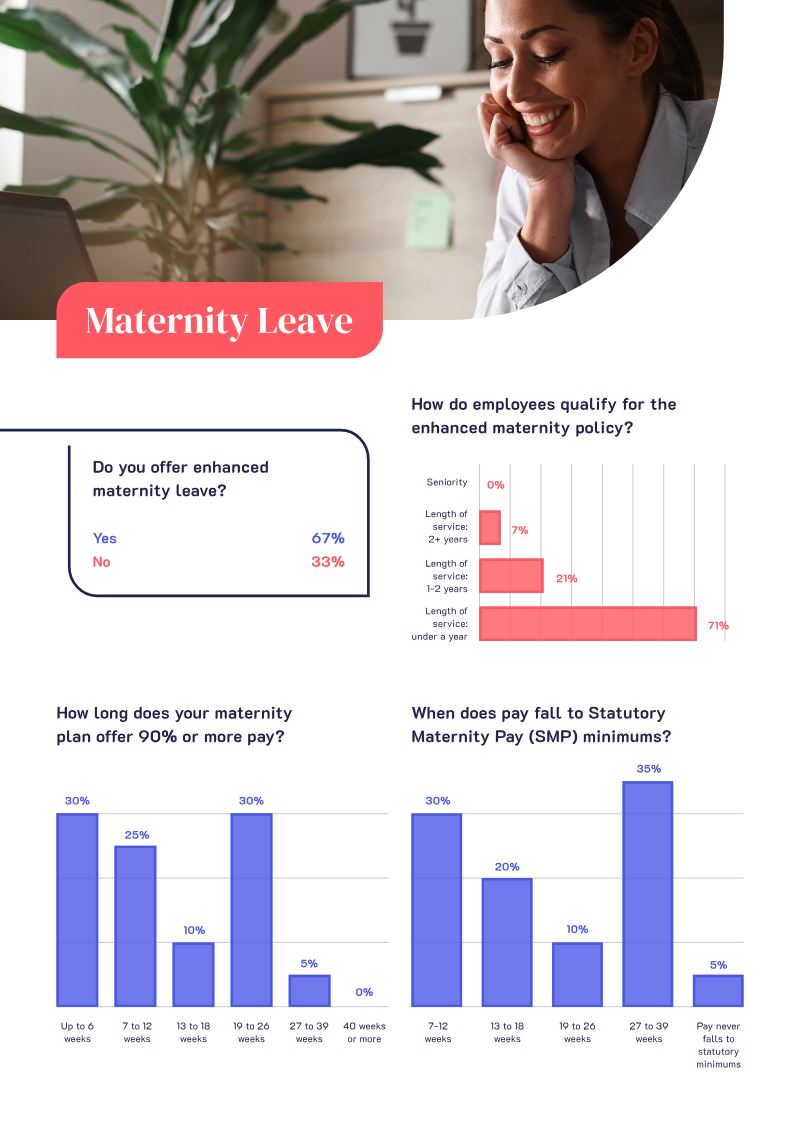

Employee Benefits Report: UK
This 2026 report analyzes the state of employee benefits within the UK games industry, drawing data from a survey representing 3,400 employees.
- Mental health support is the industry's top priority, with 92% of firms providing dedicated resources and 76% offering mental health insurance coverage.
- Private Medical Insurance has become a standard offering, now provided by 92% of UK games industry employers.
- Financial constraints are the primary barrier to expanding benefits, cited by 74% of employers as a significant hurdle.

PGC takeaways, the UK's social media ban and Fortnite vs Roblox | Week in Mobile Games podcast
The mobile gaming industry is currently navigating a complex landscape defined by shifting platform strategies, evolving regulatory pressures, and the pursuit of sustainable growth.
- The UK government is planning to implement a social media ban for under-16s by spring 2027, targeting platforms like TikTok, Instagram, and X while excluding messaging services like WhatsApp and Signal.
- Epic Games has paid over $1 billion to creators through the Unreal Editor for Fortnite since 2023, though the platform faces stiff competition from Roblox, which paid out $1.5 billion to creators in 2025 alone.
- The mobile title 'Where Winds Meet' generated $22.1 million in revenue outside of China during its first six months of release.
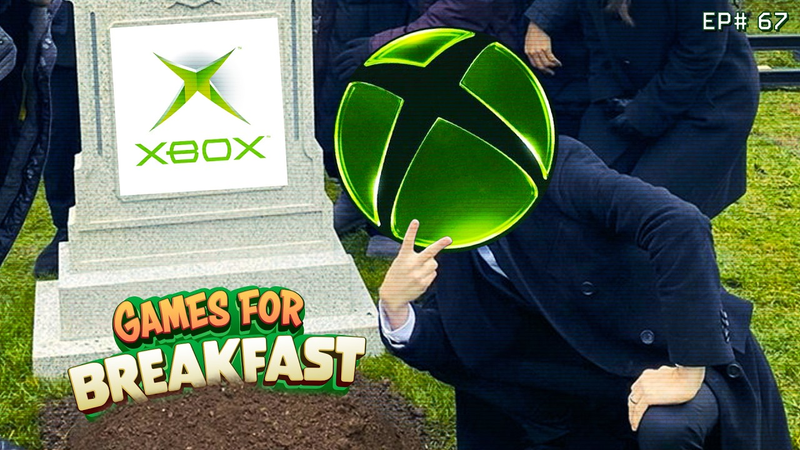
Only XBOX Can Kill Xbox, Unreal 6's AI Update & Pokémon Training Drones | Games For Breakfast
The gaming industry currently faces a period of profound instability characterized by corporate mismanagement, ethical controversies, and a shift toward aggressive, often alienating, monetization strategies.
- Microsoft has closed multiple game studios despite a five-year investment of over $20 billion in content and hardware, during which annual revenue declined by nearly half a billion dollars.
- Microsoft is facing internal pressure to improve efficiency, with the company reporting a 3% accountability margin and a need to pivot its strategy to address declining financial performance.
- The gaming industry is increasingly grappling with the integration of AI tools in development, raising concerns regarding the protection of intellectual property and the legal status of AI-generated assets.
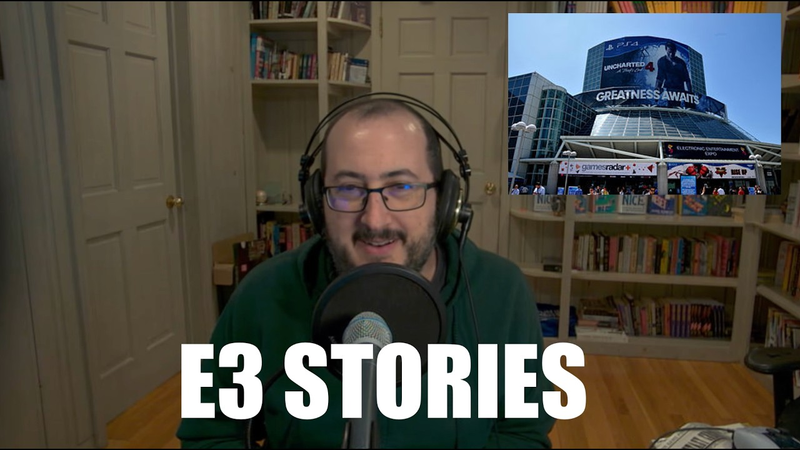
My Five Favorite E3 Stories
This retrospective explores the cultural and operational evolution of the Electronic Entertainment Expo (E3) through a series of personal anecdotes from a veteran industry journalist.
- The 2011 Wii U announcement serves as a case study in failed corporate communication, where a lack of clear identity during the reveal contributed directly to the console's subsequent market failure.
- E3 functioned as a critical, high-pressure environment for direct interaction between developers and the press, a dynamic that has been largely replaced by more controlled, digital-first marketing strategies.
- The 2015 'Judges Week' demonstrated the value of early-stage previews, as journalists were able to interact with unpolished builds of titles like Fortnite years before its global pivot and success.
🚨📢 BREAKING NEWS: GTA 6 pre-sale, EU regulations looming, Layoffs and Pokemon Champions launch
The current landscape of the gaming industry is defined by high-profile product launches, significant regulatory challenges, and a pervasive trend of studio restructuring and layoffs.
- Take-Two’s stock valuation has risen in anticipation of the upcoming Grand Theft Auto 6 pre-sale.
- Epic Games has set a 2027 target for Unreal Engine 6, focusing on AI-assisted development and live service interoperability.
- Fortnite’s creator ecosystem has surpassed $1 billion in total payouts since 2023, with community-made content now accounting for nearly 50% of total playtime.

TWIG #388: Xbox's Spinout Plan, Metacore's Mass Layoffs and Netflix's FIFA Flop
The gaming industry is currently navigating a period of intense structural realignment, characterized by aggressive cost-cutting, leadership turnover, and a pivot toward profitability over creative expansion.
- Xbox is pivoting toward a distribution-heavy model focused on daily active users, signaling a potential strategic spin-off from Microsoft following significant studio closures and leadership turnover.
- Mobile gaming studio Metacore has implemented workforce reductions of up to 70% after failing to successfully diversify its portfolio beyond a single declining asset.
- The gaming industry is increasingly prioritizing short-term profitability and cost-cutting over creative expansion, driven by rising customer acquisition costs and the limitations of web shops as revenue stopgaps.
Why does Xbox need to make a brutal reset?
The gaming industry is currently navigating a period of intense volatility, characterized by a disconnect between the high volume of marketing activity and the underlying financial health of major publishers.
- Xbox’s aggressive acquisition strategy, including Bethesda and Activision Blizzard, has failed to deliver sufficient profit margins, leaving the division overextended and in need of a strategic reset.
- The gaming industry is experiencing a disconnect between marketing visibility and financial health, evidenced by a 14% increase in game announcements and 15.2% rise in press coverage during Summer Game Fest 2026 despite ongoing instability.
- Major publishers are facing significant workforce reductions, highlighted by Ubisoft’s decision to cut 1,500 employees throughout 2025 alongside the departure of key leadership across the sector.
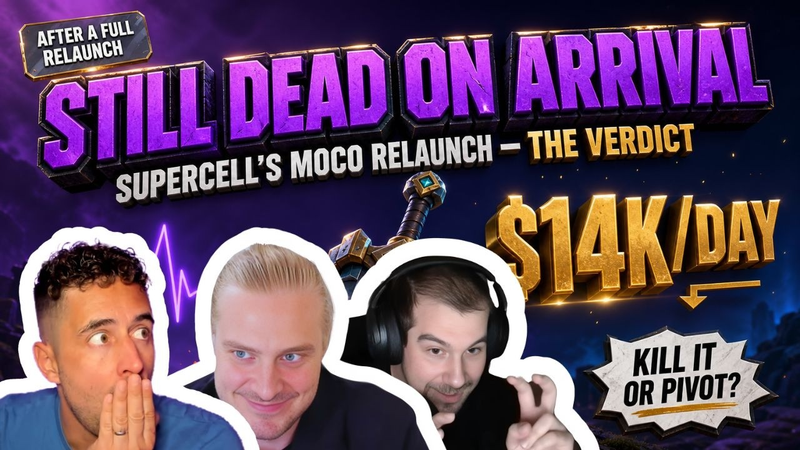
💀 Mo.co DEAD on arrival. Is it time for Supercell to kill Mo.co?
Supercell’s title Mo.co faces a critical existential crisis, as its current design fails to gain traction within the competitive RPG market.
- Supercell’s Mo.co is failing to monetize, generating only $14,000 in daily revenue despite reaching 230,000 daily active users.
- The game suffers from a fundamental design misalignment, prioritizing lightweight accessibility over the depth, build customization, and endgame progression expected by the RPG audience.
- The project is currently considered unsalvageable because the cost to bring it up to industry standards would exceed the development budget of multiple new, more viable projects.

Amateur devs score hits with 38-0, WWDC reactions, May's top games, Orna, jobs, data and more
The mobile gaming industry is currently witnessing a surge in amateur-developed hits, driven by the accessibility of AI-assisted coding tools.
- Amateur developers are achieving viral success with AI-assisted football drafting games like '38-0' and '38-0-0', which secured over 100,000 downloads each in a single weekend with zero marketing spend.
- Honor of Kings dominated May’s top-grossing charts with $161 million in in-app purchase revenue, while 'Last War Survival' saw a significant decline, dropping to 10th place with $82 million.
- Apple’s new developer policy offers free access to its AI foundation models for apps until they reach 2 million first-time downloads, a move aimed at supporting indie developers.