Funding

89 documents·25 publishers

Documents

Page 1
Report12 pages

Financing Video Games: Spain

The guide aims to equip Spanish video‑game developers and publishers with a practical framework for securing external financing beyond traditional bank credit. It argues that investment agreements (IAs) represent a flexible, hybrid model that can bridge the gap between shareholders’ equity and debt, allowing investors to fund projects while retaining political and economic rights comparable to shareholders without immediate capital‑increase obligations.

Key content outlines the typical structure of an IA: investors provide lump‑sum or milestone‑linked capital, receive a defined share of commercial revenues, and obtain voting, dividend and information rights. Comparative analysis shows that, unlike standard debt, IAs do not impose fixed repayment schedules, instead tying returns to project profitability and offering conversion mechanisms that can transform credit into equity if revenues fall short. The guide enumerates standard clauses—profitability timeframes, capitalisation rights, representations and warranties, confidentiality, “bad‑leaver” provisions, and pre‑emptive rights—to protect both parties and manage risk. An illustrative example notes that a €100 investment with a 20 % return target is achieved once the project generates €120 in revenue.

The scope is national, targeting the Spanish video‑game sector and addressing developers of any size who seek alternative funding. Authored by legal counsel from Pérez‑Llorca and the Asociación Española de Videojuegos, the document draws on industry practice rather than empirical surveys, presenting a checklist and glossary to support contract drafting and due‑diligence processes. Its conclusion stresses that, as acquisitions and external investments rise, IA investors will increasingly influence project governance despite not holding formal share capital.

  • Investment agreements (IAs) serve as a hybrid financing model for Spanish developers, bridging the gap between equity and debt by granting investors shareholder-like rights without requiring immediate capital increases.
  • Unlike traditional bank loans, IAs replace fixed repayment schedules with returns tied directly to project profitability, often including conversion mechanisms that turn credit into equity if revenue targets are missed.
  • IAs typically structure capital as lump-sum or milestone-linked payments, with returns defined by a percentage of commercial revenues, such as a €100 investment targeting a €120 return.
  • Standard contractual protections in these agreements include profitability timeframes, capitalisation rights, confidentiality clauses, pre-emptive rights, and 'bad-leaver' provisions to mitigate risk for both parties.
  • Investors utilizing IAs gain significant influence over project governance, including voting, dividend, and information rights, despite not holding formal share capital.
+1
AEVIJan 2025
Page 1
Report36 pages

Gaming Industry Report: Q3 2024

• 2024 market size: $188bn (+2.1% YoY) Total gamers in 2024 by region (millions): • Public markets: leading public gaming ETFs up 22- • 36% YTD (vs S&P 500 = 21%) Middle East & Africa Venture funding in Q3‘ 24: $517m across 92 deals 559 (funding +1% QoQ, number of deals -14% QoQ) (16%) • Epic sidesteps Apple in the EU, sues Google Europe (454 3,422m • Discord launches Activities ...

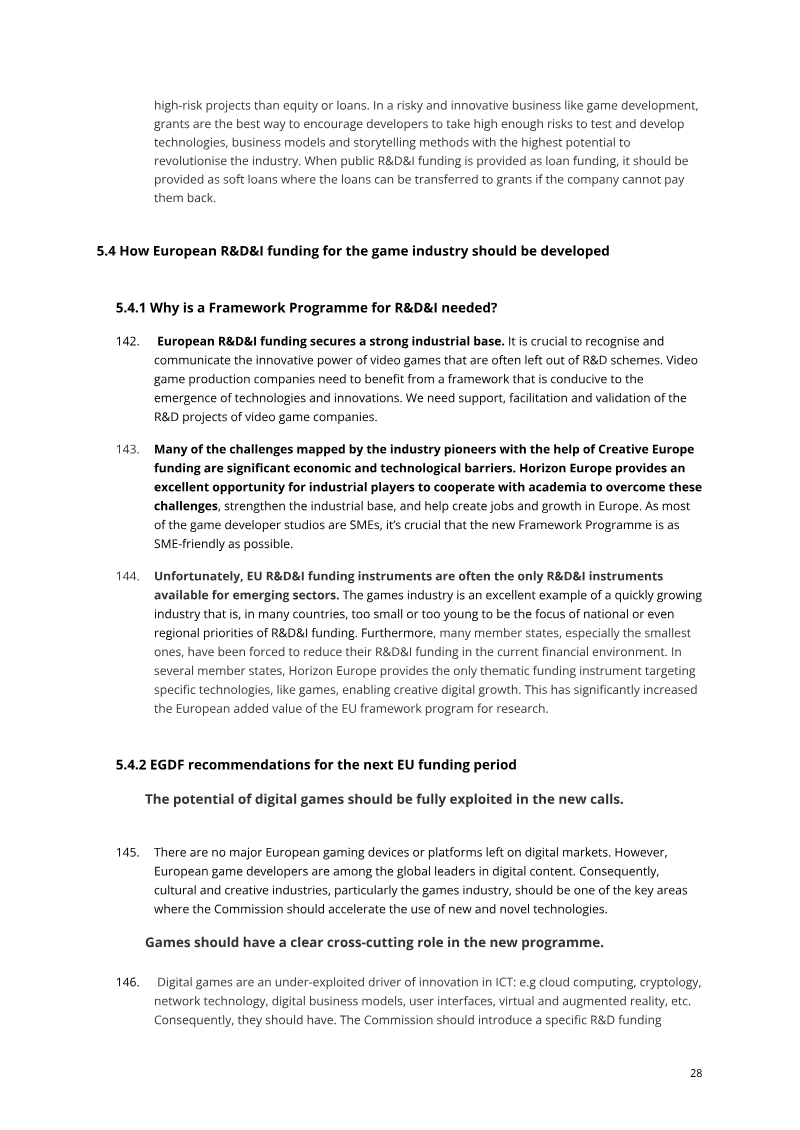
  • The gaming market size in 2024 is $188 billion, showing a 2.1% year-over-year growth. Asia-Pacific accounts for the largest share of gamers with 1,809 million (53%), followed by Europe with 454 million (13%).
  • Venture funding in Q3 2024 reached $517 million across 92 deals, marking a 1% increase in funding quarter-over-quarter but a 14% decrease in the number of deals. Total private market funding for 2024 is $3,739 million, with a 15% QoQ increase in Q3.
  • Public market gaming ETFs are significantly outperforming the S&P 500, with leading ETFs up 22-36% year-to-date compared to the S&P 500's 21%.
  • Unity has fully removed its Runtime Fee, reverting to a seat-based subscription model with increased revenue and funding ceilings for Unity Personal (up to $200k) and price increases for Unity Pro (+8%) and Unity Enterprise (+25%).
  • Epic Games is actively challenging platform policies, launching its own iOS app store in the EU with a maximum 12% commission and suing Google and Samsung over anti-competitive practices related to app distribution on Android.
+5
KonvoyOct 2024
Page 1
Report1 pages

Project & Studio Financing Snapshot July 2024

The snapshot evaluates financing conditions for game projects and development studios as of mid‑2024, highlighting a persistently constrained capital environment while noting modest signs of warming in project funding. Publishers remain risk‑averse after pandemic‑driven over‑expansion, with many having reduced staff, divested assets, and facing cash‑flow pressures compounded by high interest rates and the absence of large platform backers. Consequently, they prioritize core franchises, proven IP and work‑for‑hire arrangements, demanding projects that are further along in development, feature polished vertical slices, and fall within a budget sweet spot of roughly $500 k to $3 million, though an emerging demand for sub‑$500 k titles is evident. The upcoming Gamescom event is expected to catalyze deal flow for releases slated for 2025 and beyond.

Studio financing remains low with no change in outlook, reflecting cautious growth after a volatile Q1 2024 period in which total investment value and volume rose, M&A value increased while deal count fell, and median developer investment grew quarter‑over‑quarter. New capital raises saw a decline in total value but an increase in deal count, underscoring a shift toward smaller, more frequent funding rounds. Investors continue to focus on early‑stage (pre‑seed, Series A) and later‑stage (Series C) opportunities, while Series B financing proves scarce as capital gravitates toward either nascent start‑ups or already successful entities.

Geographically, funders exhibit a preference for European‑based studios over North American counterparts, and platform trends show mobile projects facing heightened difficulty, whereas PC and console titles dominate, especially those built around games‑as‑a‑service, multiplayer, and user‑generated content models. Overall, the financing landscape is characterized by conservative publisher behavior, modest but steady studio investment, and a strategic emphasis on later‑stage, lower‑risk projects as the industry settles post‑pandemic.

  • Publishers are prioritizing low-risk projects with budgets between $500k and $3 million, though there is an emerging demand for titles under $500k.
  • Investment is heavily skewed toward early-stage (pre-seed/Series A) and late-stage (Series C) rounds, leaving Series B financing scarce.
  • Funding trends show a shift toward smaller, more frequent capital raises, evidenced by a decline in total new capital value despite an increase in deal count.
  • PC and console titles—specifically those featuring games-as-a-service, multiplayer, or user-generated content—are currently prioritized over mobile projects.
  • Investors are showing a geographic preference for European-based studios over North American counterparts.
+1
DDMJul 2024
Page 1
Report11 pages

Gaming Report: Q1 2024

The gaming venture capital landscape in the first quarter of 2024 reflects a market reaching a steady state, characterized by a shift away from speculative Web3 and metaverse investments toward more sustainable development and content-focused funding. Global venture activity during this period totaled $1.3 billion across 153 deals. While deal count remained largely flat compared to the previous quarter, total deal value increased by 22.1% quarter-over-quarter. Despite a 17.3% year-over-year decline in deal volume, the market is currently on track to exceed 2023’s aggregate funding levels, suggesting a stabilization of capital deployment within a more realistic valuation environment.

Development-focused companies, particularly those specializing in blockchain infrastructure and developer tools, captured significant attention in early 2024, momentarily outpacing content-focused investments. However, the broader industry remains highly competitive, with PC and console gameplay increasingly concentrated in established "forever titles." New content faces a challenging landscape, as only a small fraction of total playtime is dedicated to non-annual franchise releases. Investors are increasingly prioritizing high-quality content and scalable infrastructure, creating a more selective, investor-friendly environment.

The report also highlights the growing importance of in-game advertising as a critical monetization strategy. With major industry players and brands integrating programmatic ad solutions, the sector is seeing increased utility for both developers and advertisers. Companies like Anzu exemplify this trend, leveraging technology to bridge the gap between brand reach and measurable return on investment. As the industry moves past the hype-driven cycles of the pandemic, the focus has shifted toward long-term operational efficiency and proven monetization models, with exit activity expected to improve as market conditions stabilize.

  • Global gaming venture capital reached $1.3 billion across 153 deals in Q1 2024, marking a 22.1% quarter-over-quarter increase in total deal value.
  • The market is trending toward stabilization with a shift away from speculative Web3 and metaverse funding in favor of sustainable development and infrastructure-focused investments.
  • Despite a 17.3% year-over-year decline in deal volume, current funding levels put the industry on track to exceed the total aggregate capital deployed in 2023.
  • New content faces a difficult market entry as PC and console player engagement remains heavily concentrated within established 'forever titles' and annual franchises.
  • In-game advertising is emerging as a critical monetization strategy, with companies like Anzu utilizing programmatic solutions to bridge the gap between brand reach and measurable ROI.
+4
PitchBookJan 2024
Page 1
Report33 pages

Q1 2024 Gaming Deals Report

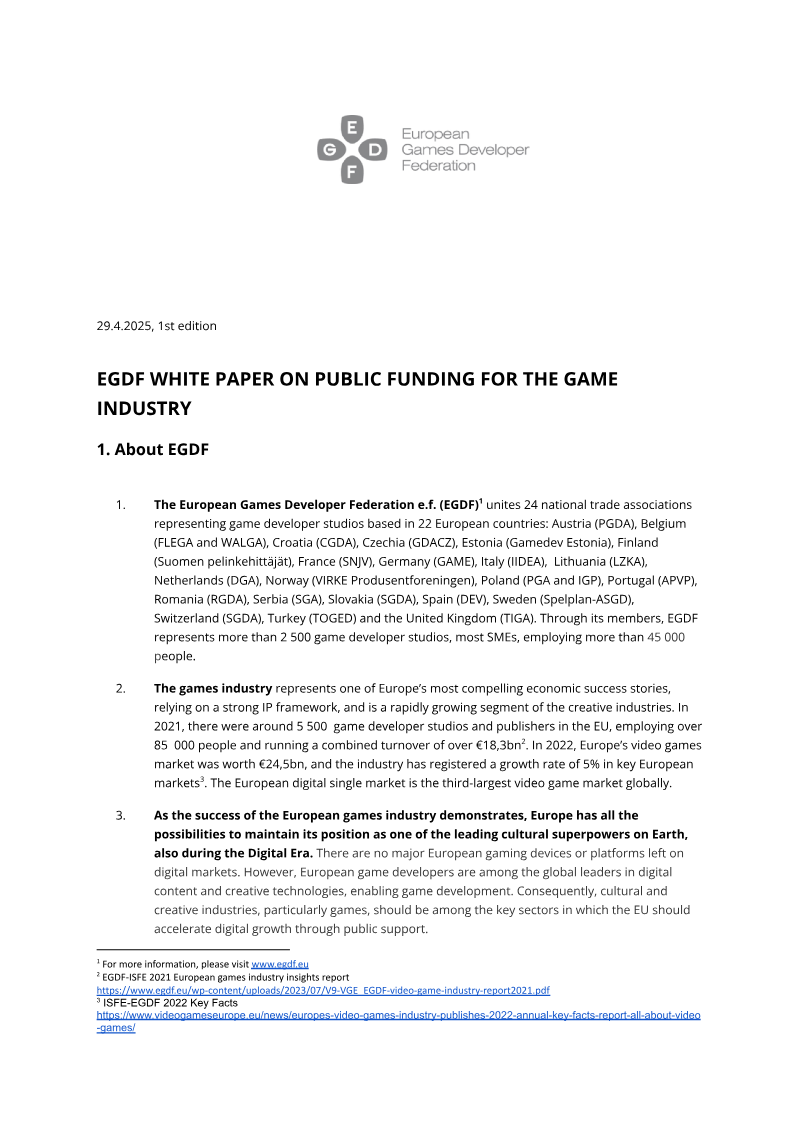
The gaming industry is currently navigating a period of strategic stabilization defined by cautious capital deployment and a pivot toward long-term profitability. High interest rates and broader macroeconomic pressures have dampened late-stage financing and public listing activity, leading investors to prioritize capital efficiency over aggressive expansion. Despite these headwinds, the ecosystem remains supported by a robust foundation of over $15 billion in dry powder held across more than 65 gaming-focused funds, which continues to fuel a healthy pipeline of early-stage seed investments.

Market performance is increasingly bifurcated across platforms. The PC and console sectors demonstrate notable resilience, bolstered by the consistent success of independent studios and sustained engagement on digital storefronts like Steam. In contrast, the mobile gaming market is undergoing a necessary contraction following post-pandemic volatility and the persistent impact of privacy-related advertising headwinds. While mobile startups currently face significant barriers to entry and a decline in late-stage venture interest, the sector is expected to initiate a gradual recovery by 2025 as business models adjust to the new regulatory and acquisition landscape.

Looking ahead, the industry is transitioning away from the speculative growth patterns of previous years toward a more disciplined investment environment. Syndicate-based funding has emerged as a primary mechanism for risk mitigation, reflecting a broader trend of collaborative investment. As the market stabilizes, expectations are shifting toward an uptick in midcap merger and acquisition activity throughout the remainder of the year. This evolution underscores a fundamental industry-wide commitment to sustainable growth, with investors increasingly favoring established platforms and proven development teams over high-risk, late-stage ventures.

  • The gaming industry is shifting toward disciplined, long-term profitability as high interest rates and macroeconomic pressures reduce late-stage financing and public listing activity.
  • Over $15 billion in dry powder remains available across more than 65 gaming-focused funds, ensuring a steady pipeline for early-stage seed investments despite broader capital constraints.
  • PC and console sectors show resilience through strong independent studio performance and consistent engagement on platforms like Steam, while mobile gaming faces a contraction due to privacy-related advertising headwinds.
  • Mobile gaming is projected to begin a gradual recovery by 2025 as business models adapt to new regulatory and acquisition environments.
  • Syndicate-based funding has become the primary mechanism for risk mitigation, reflecting a market-wide trend toward collaborative investment strategies.
+2
InvestGameJan 2024
Page 1
Report24 pages

From Volatility to Stability: Q3 2024 Gaming Deals Report

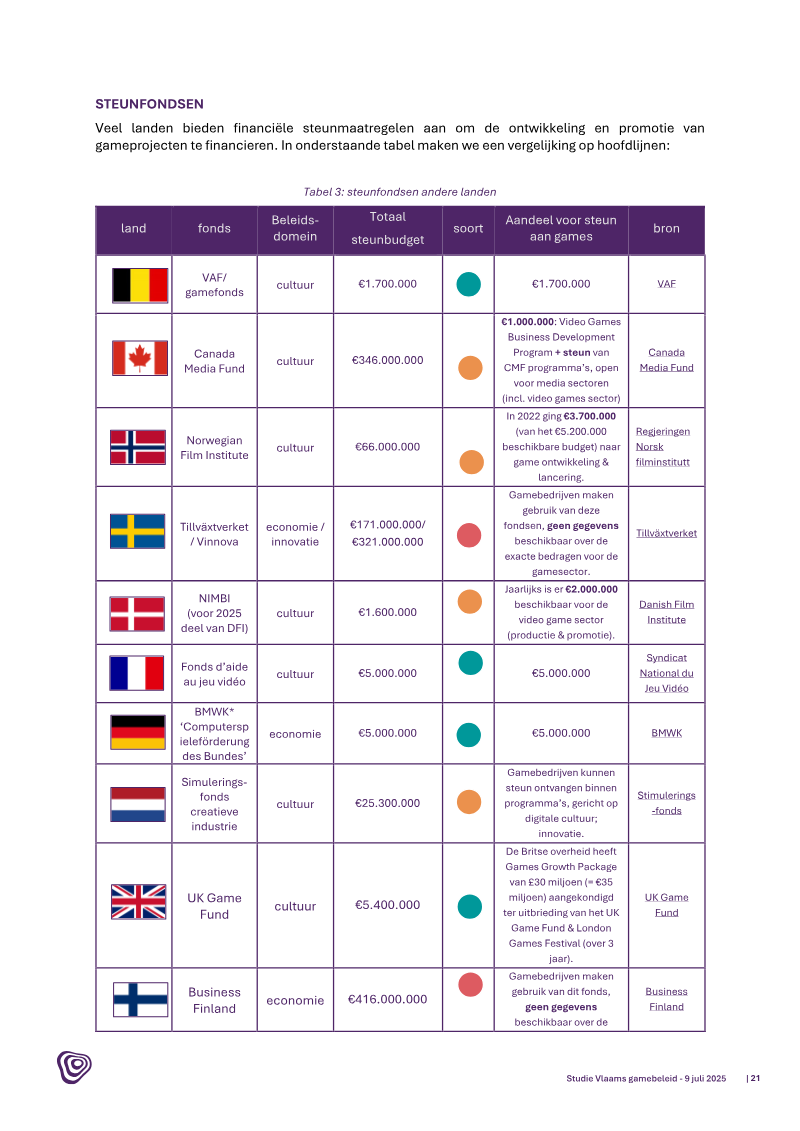
The third quarter of 2024 marks a period of stabilization for the global gaming industry, signaling a transition from post-pandemic volatility toward a new, normalized market environment. The industry has moved past the extreme fluctuations of the COVID-19 era, with capital deployment for private investments settling at approximately $1 billion across 120 rounds. While public markets remain under pressure, the quarter saw the first initial public offering in two years, suggesting a cautious but potential thaw in public listing activity.

Key findings reveal a strategic shift in investor focus, as capital increasingly flows toward platform and technology sectors rather than traditional gaming content. This trend is evidenced by a sharp uptick in private investments for infrastructure, payment, and development tools. Within the gaming segment, early-stage venture capital remains consistent, while late-stage fundraising continues to face significant headwinds. Corporate venture capital has emerged as a vital component of the ecosystem, frequently co-investing with traditional venture firms to support studios and tech providers.

Geographically, North America and Western Europe remain the primary hubs for investment activity, though the mobile market continues to rely heavily on Asian developers for new top-performing releases. Steam sales data reflects a divergence in performance, with AA and indie publishers driving a 35% year-over-year growth in gross revenue, while AAA titles have experienced stagnation.

The analysis relies on tracking closed transactions within the video game industry, excluding pure gambling, betting, and non-gaming blockchain entities. By monitoring deal types—including control and minority mergers and acquisitions, venture capital rounds, and public offerings—the data provides a comprehensive view of capital flows. The findings emphasize that while the gaming sector faces ongoing challenges in late-stage funding, the broader ecosystem is finding stability through diversified investment in gaming-adjacent technologies and a resilient indie development scene.

  • The gaming industry has transitioned to a normalized market environment, with Q3 2024 private investment totaling approximately $1 billion across 120 rounds.
  • AA and indie publishers are outperforming the broader market, driving a 35% year-over-year growth in gross revenue while AAA titles remain stagnant.
  • Investor capital is shifting away from traditional content toward infrastructure, payment systems, and development tools.
  • Public market activity shows signs of a thaw with the first initial public offering in two years, despite continued pressure on public listings.
  • Early-stage venture capital remains consistent, but late-stage fundraising continues to face significant headwinds.
+3
InvestGameJan 2024
Page 1
Report30 pages

Gaming Industry Report: Q4 2023

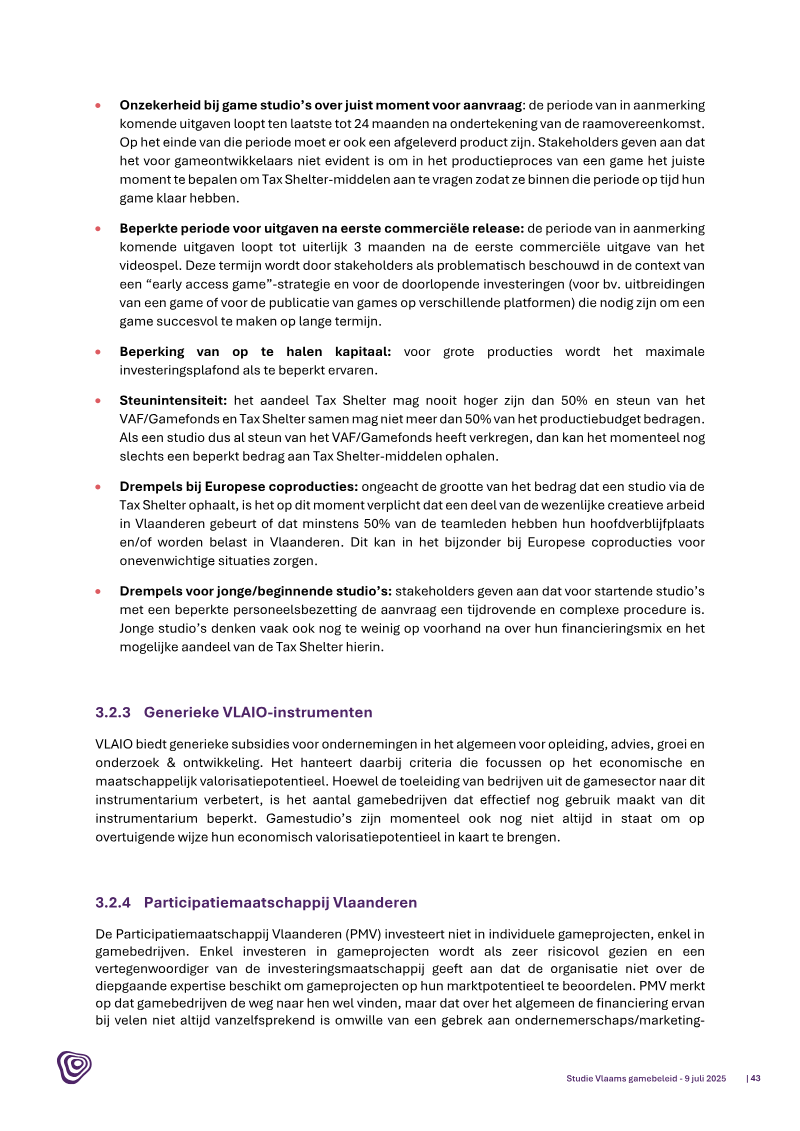
The global gaming industry reached a market valuation of $184 billion in 2023, representing a modest year-over-year growth of 0.6%. Despite this stability, the sector experienced a significant contraction in investment activity, with venture funding falling 33% quarter-over-quarter in Q4 to $308 million. This decline reflects a broader normalization of capital flows to pre-pandemic levels, as the industry shifts away from the high-growth, speculative environment of 2021 and 2022.

Key industry trends in late 2023 were defined by regulatory and operational restructuring. A landmark legal verdict against Google established that its app store practices constituted an illegal monopoly, forcing potential shifts in how developers distribute content and process payments. Simultaneously, major players like ByteDance began retreating from gaming divisions, while the industry at large grappled with approximately 10,500 layoffs. These workforce reductions were driven by a heightened focus on operational efficiency, the prioritization of high-retention projects, and the consolidation of assets following major mergers and acquisitions.

Geographically, North America remains the primary hub for venture capital, though the industry maintains a global footprint with significant activity in Asia and Europe. While venture funding and M&A deal volumes have stabilized, public gaming stocks demonstrated resilience, with leading exchange-traded funds outperforming broader market indices by year-end. Looking forward, the industry is projected to maintain a compound annual growth rate of 3.5% through 2029, supported by the continued integration of user-generated content platforms and advancements in developer tools that emphasize productivity and cost-effective scaling.

  • The global gaming industry reached a $184 billion valuation in 2023, reflecting a modest year-over-year growth of 0.6%.
  • Venture funding for the gaming sector dropped 33% quarter-over-quarter in Q4 2023 to $308 million, signaling a return to pre-pandemic capital levels.
  • Approximately 10,500 industry layoffs occurred in 2023 as companies prioritized operational efficiency, asset consolidation, and high-retention projects.
  • A landmark legal verdict against Google ruled its app store practices an illegal monopoly, potentially forcing significant changes to content distribution and payment processing.
  • The industry is projected to maintain a 3.5% compound annual growth rate through 2029, driven by user-generated content and productivity-focused developer tools.
+2
KonvoyJan 2024
Page 1
Report6 pages

The Alumni Effect: A Deep Dive into Studios Founded by Ex-Rioters

The emergence of startups founded by former Riot Games employees represents a significant sub-sector of the venture capital landscape in gaming. Since 2020, investors have funneled nearly $500 million into 27 startups led by these alumni across 38 funding rounds. These founders command a substantial premium in the market, with an average round size of $11 million, which is 53% higher than the $7 million average seen across the broader gaming startup ecosystem.

The investment data reveals a high level of confidence from specialized venture capital firms, with Andreessen Horowitz (a16z Games) and Bitkraft Ventures leading the activity. These firms have participated in deals valued at $339.3 million and $236.3 million respectively. Furthermore, ex-Riot teams demonstrate superior fundraising momentum compared to the general market. A significantly higher percentage of these studios successfully secure follow-on financing within two to three years of their initial rounds, whereas the broader gaming market sees a much sharper decline in subsequent funding success over the same period.

While capital infusion is high, the majority of these ventures are currently in the pre-release phase. Out of 27 identified startups, only six have released products to date. The most well-funded projects include Theorycraft’s Supervoke, Believer’s unannounced AAA title, and Singularity 6’s Palia. The scope of these projects primarily focuses on high-ambition genres such as multiplayer RPGs, extraction MOBAs, and backend infrastructure. This trend underscores a strategic focus on complex, scalable platforms that mirror the live-service expertise associated with the founders' professional origins.

  • Startups founded by former Riot Games employees have raised nearly $500 million across 27 companies since 2020.
  • Ex-Riot founders command a 53% premium in average round size, securing $11 million per round compared to the $7 million industry average.
  • Venture capital firms Andreessen Horowitz and Bitkraft Ventures are the primary backers, participating in deals worth $339.3 million and $236.3 million respectively.
  • Alumni-led studios demonstrate superior fundraising momentum, with a higher rate of success in securing follow-on financing within two to three years compared to the broader gaming market.
  • Despite significant capital infusion, only six of the 27 identified startups have released products to date.
+1
InvestGameJan 2024
Page 1
Report13 pages

FY2024 Report: Australian Game Development Survey

The Australian game development industry demonstrated resilience and stability during the 2024 financial year despite significant global economic headwinds. Total income generated by local studios reached $339.1 million, representing a minor 1.9% decrease from the previous year. Employment remained steady with 2,465 full-time equivalent workers, a marginal 0.3% increase. The sector is heavily export-oriented, with 93% of all revenue generated from outside Australia. Furthermore, 85% of studios focus on developing their own original intellectual property rather than work-for-hire projects.

The industry landscape is characterized by a mix of emerging and established entities. While 56% of studios were formed within the last five years, a quarter of the sector consists of mature studios operating for a decade or more. Small businesses dominate the ecosystem, with 47% of studios employing five or fewer staff members. Geographically, Victoria serves as the primary hub, hosting 52% of head offices and 36% of the national workforce, followed by Queensland and New South Wales.

Government support remains a critical pillar for the industry. The Digital Games Tax Offset, which passed in mid-2023, is already being utilized by 25% of respondents to fund new projects or expand existing ones. Despite this support, developers identified securing international and local publishing deals and attracting early-stage development funding as their primary challenges.

The findings are based on a voluntary survey of 137 Australian game development studios conducted by Bond University on behalf of the Interactive Games & Entertainment Association. The data covers the period from July 1, 2023, to June 30, 2024. Looking ahead, the sector maintains a cautiously optimistic outlook, with 81% of studios predicting stable or increased revenue and 61% planning to hire new staff in the coming year.

  • The Australian game development industry generated $339.1 million in revenue during FY2024, reflecting a minor 1.9% year-over-year decline despite global economic headwinds.
  • The sector is highly export-focused, with 93% of total revenue derived from international markets and 85% of studios prioritizing the development of original intellectual property.
  • Employment remains stable at 2,465 full-time equivalent workers, with 61% of studios planning to increase their headcount in the coming year.
  • Victoria is the industry's primary hub, hosting 52% of all studio head offices and 36% of the national workforce.
  • The Digital Games Tax Offset, introduced in mid-2023, is already being utilized by 25% of studios to support project funding and expansion.
+1
Interactive Games & Entertainment AssociationJan 2024
Page 1
Presentation12 pages

Wyniki Finansowe 9M23

PCF Group S.A. experienced significant organizational growth and structural expansion during the first nine months of 2023. The workforce reached a total of 722 employees by September 30, 2023, continuing a steady upward trajectory from 612 in 2022 and 495 in 2021. This growth is distributed across a global network of studios, with a primary concentration in Europe, where the headcount rose to 473, and a substantial presence in North America, accounting for 249 staff members. The internal composition of the team remains heavily weighted toward production, consisting primarily of developers and quality assurance professionals, supported by back-office staff and specialized units such as GameOn and Incuvo.

The geographic footprint of the group spans multiple key hubs, including Warsaw, Rzeszów, Katowice, Kraków, and Łódź in Poland, alongside international locations in Newcastle, Dublin, Montreal, and New York. This infrastructure supports a diversified operational model that includes both core development studios and a dedicated publishing division. The expansion reflects a strategic commitment to scaling production capabilities across various territories to support ongoing development projects.

Financial positioning for the period is characterized by a balance sheet that emphasizes long-term value creation through development work in progress and intangible assets. Key financial components include significant investments in development projects, tangible fixed assets, and right-of-use assets, balanced against equity and liquid holdings in cash and bonds. While specific revenue figures for the nine-month period are integrated into broader reporting, the data highlights a period of intensive investment in human capital and project pipelines intended to drive future growth within the competitive global gaming market.

  • PCF Group S.A. grew its total workforce to 722 employees by September 30, 2023, up from 612 in 2022 and 495 in 2021.
  • The company maintains a global footprint with 473 employees in Europe and 249 in North America, operating across hubs including Warsaw, Newcastle, Dublin, Montreal, and New York.
  • The organizational structure is heavily weighted toward production, with the majority of the 722 staff comprised of developers and quality assurance professionals.
  • The group's operational model integrates core development studios with a dedicated publishing division and specialized units, specifically GameOn and Incuvo.
  • Financial strategy for the first nine months of 2023 focused on intensive capital investment in development projects, intangible assets, and human capital to support future growth.
+1
PCF GroupNov 2023
Page 1
Presentation17 pages

Financial Results 1H23

This financial analysis details the performance of PCF Group (People Can Fly) for the first half of 2023, a period characterized by strategic expansion and significant capital raising despite a year-over-year decline in profitability. The group reported revenues of 68.7 million PLN for 1H23, down from 90.6 million PLN in 1H22. This decrease, alongside a drop in adjusted EBITDA from 29.7 million PLN to 4.0 million PLN and a net loss of 13.1 million PLN, is attributed to a high comparative base in 2022 following the termination of the Take-Two Interactive contract and the release of Green Hell VR. Current results were also impacted by increased operational scale, with the workforce growing 16% to 674 employees.

The group’s portfolio remains robust, featuring eight projects across various stages of development. Key highlights include two work-for-hire projects for Microsoft (Maverick and Gemini) and three self-published titles (Dagger, Bifrost, and Victoria) slated for 2025-2026. Project Maverick is expected to contribute significantly to financial results starting in the third quarter of 2023. Additionally, the group is expanding into the VR market with Bulletstorm VR, scheduled for release in December 2023.

A pivotal development in 1H23 was the successful completion of a secondary public offering (SPO), raising 235.3 million PLN to fund the group’s updated strategy. This process brought Krafton Inc. on as a strategic investor with a 10% stake following a 144.5 million PLN investment. The agreement grants Krafton specific rights, including right of first refusal for publishing certain upcoming titles. Geographically, the group maintains a strong international presence with studios across Europe and North America, positioning itself for long-term growth through a mix of work-for-hire and self-publishing models.

  • PCF Group raised 235.3 million PLN through a secondary public offering, including a 144.5 million PLN investment from Krafton Inc., which acquired a 10% stake and right of first refusal for select future titles.
  • Financial performance declined in 1H23, with revenue falling to 68.7 million PLN from 90.6 million PLN in 1H22 and a net loss of 13.1 million PLN reported.
  • Adjusted EBITDA dropped significantly to 4.0 million PLN from 29.7 million PLN in 1H22, driven by a high comparative base from the previous year and increased operational costs.
  • The company is scaling its workforce by 16% to 674 employees to support a portfolio of eight active projects, including two work-for-hire titles for Microsoft and three self-published games expected in 2025-2026.
  • Project Maverick is projected to begin contributing to financial results in the third quarter of 2023.
+2
PCF GroupSept 2023
Page 1
Report4 pages

スペイン、カナリア諸島の州政府機関から「ビデオゲーム業界視察ミッション」のご案内

The invitation seeks to generate business opportunities for Japanese video‑game, animation and related audiovisual firms by showcasing the Canary Islands as a strategic production hub. It positions the archipelago as an emerging, tax‑friendly environment, highlighting preferential rates for game development, film and animation, as well as a reduced corporate tax rate, alongside high‑quality infrastructure, skilled talent pools, and strong public support. The core thesis is that direct exposure to local studios, financing mechanisms and regulatory incentives will encourage Japanese companies to establish subsidiaries, pursue co‑production agreements, or outsource projects to Canary Island partners.

The mission is scheduled for 9 – 15 October, with participants traveling from Japan to Tenerife on 9 October and returning after the final day on 15 October. The itinerary includes briefings on the regional industry and tax regime, visits to multiple development studios such as Drakhar, Foxter, The Game Kitchen, Promineo and No Brake Games, a tour of a super‑computer facility, and attendance at the Canarias Game Show on Gran Canaria, featuring B2B matchmaking, conference sessions and networking dinners. All travel costs—including economy‑class round‑trip airfare, hotel accommodation, meals and intra‑island transport—are covered by the organizers, with additional support offered for group participation.

Target participants are Japanese firms contemplating legal entity formation in the Canary Islands, joint‑development projects, or outsourcing production to local studios. The program is coordinated by the Spanish Embassy’s Economic and Commercial Section in Tokyo and the Canary Islands government agency Proexca, which also serves on the regional game office. While the embassy assists with logistics, detailed tax‑incentive information is to be obtained from the Canary Islands authorities and specialist advisors. The initiative aims to deepen Japan‑Spain investment ties within the audiovisual sector by converting the exploratory visit into concrete commercial collaborations.

  • The Canary Islands government is hosting a business mission for Japanese video game and animation firms from October 9–15 to promote the region as a strategic production hub.
  • The mission covers all travel expenses, including economy-class airfare, accommodation, meals, and local transport, for qualified Japanese companies interested in expansion or outsourcing.
  • The Canary Islands offer a competitive business environment featuring reduced corporate tax rates and specific financial incentives for game development, animation, and film production.
  • The itinerary includes site visits to local studios such as Drakhar, Foxter, The Game Kitchen, Promineo, and No Brake Games, alongside a tour of a regional super-computer facility.
  • Participants will attend the Canarias Game Show on Gran Canaria, which provides dedicated B2B matchmaking, industry conferences, and networking opportunities.
+2
CESA – Computer Entertainment Supplier's AssociationMay 2023

Publishers

Related Topics