Ultima
Game
8 documents in the library are about Ultima, from writers such as Extra Credits, Game Developers Conference and Game World Observer. Each has a summary and key insights with the page they come from.
Connections
The documents about Ultima on the inner ring, the other games and companies they name on the outer one. Select a cover to see it up close and open it in a new tab; drag to move, pinch or Ctrl + scroll to zoom.
Documents about Ultima

Design Club: Hooked on Fishing!
Fishing mini-games have evolved from niche simulation elements into a ubiquitous design staple across the global gaming industry.
- Fishing mini-games are popular in MMOs like Final Fantasy 14, World of Warcraft, and Elder Scrolls Online because they encourage players to revisit older, underutilized zones, effectively increasing the longevity of existing game content.
- From a development perspective, fishing systems are considered 'low lift' to implement, requiring minimal art assets and simple database-driven logic compared to complex features like new combat spells or character classes.
- Fishing serves as a tool for environmental immersion, allowing developers to force players to pause and appreciate scenic vistas, weather cycles, and time-of-day transitions in a semi-living world.
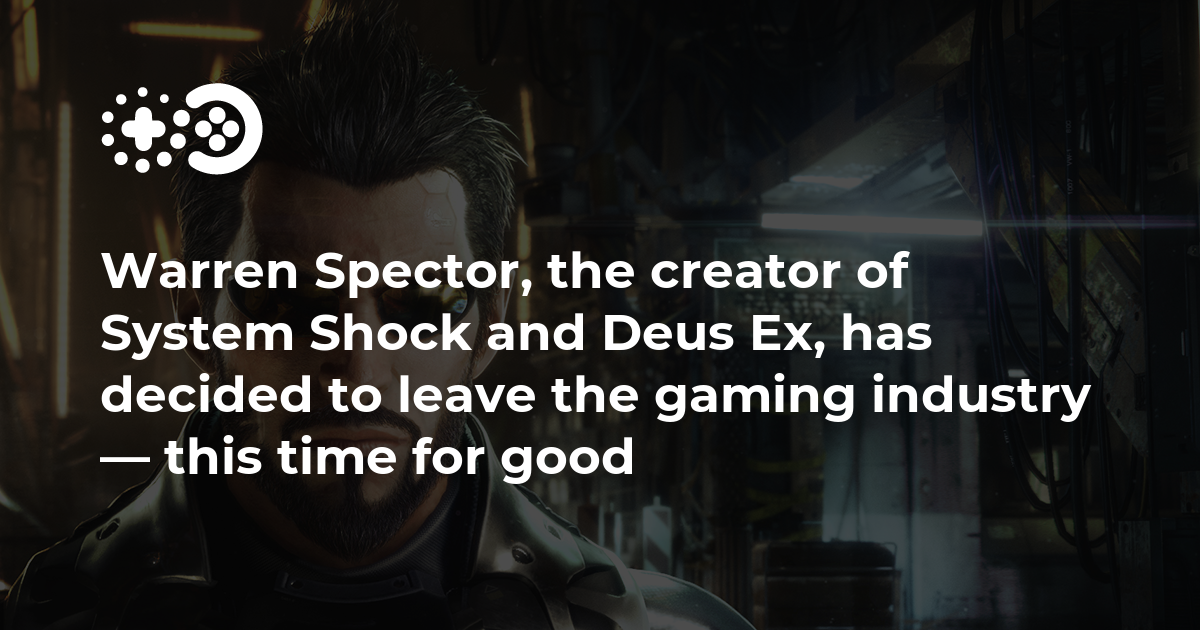
Warren Spector, the Creator of System Shock and Deus Ex, Has Decided to Leave the Gaming Industry
Renowned game designer Warren Spector has announced his permanent retirement from the video game industry, concluding a distinguished 44-year career.
- Legendary game designer Warren Spector has announced his permanent retirement from the gaming industry at age 70, ending a 44-year career.
- Spector stated that while he still has concepts for three potential projects, he feels he has accomplished his professional goals and no longer finds game development enjoyable.
- His decision follows a long career spanning approximately two dozen titles, most notably as the creator of the influential System Shock and Deus Ex franchises.
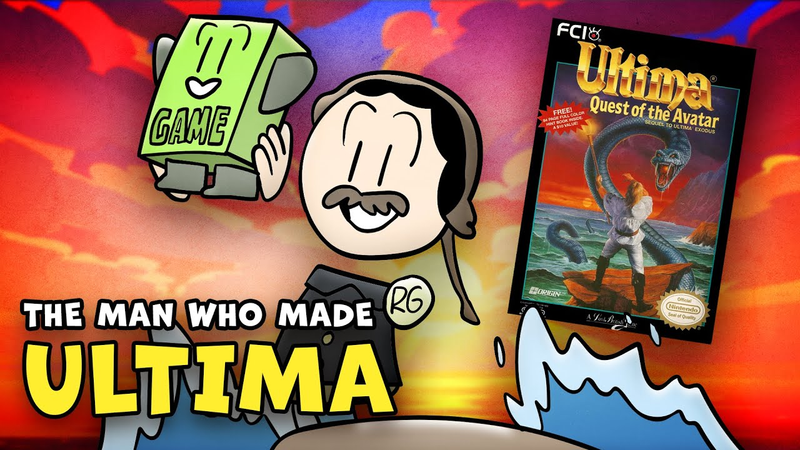
The Man Who Made Ultima: Lord British | Extra Credits Gaming
Richard Garriott, widely known by his persona Lord British, stands as a foundational figure in the evolution of computer role-playing games (CRPGs) and massively multiplayer online games (MMOs).
- Richard Garriott, known as 'Lord British,' pioneered the RPG genre with the Ultima series, which introduced the concept of the 'avatar' and shifted industry standards toward complex morality systems with 1985's Ultima IV: Quest of the Avatar.
- Garriott founded Origin Systems, which was acquired by Electronic Arts in 1992 for $30 million in stock and later produced the groundbreaking 1997 title Ultima Online, one of the first successful graphical MMOs to utilize a recurring subscription model.
- The commercial success of Ultima Online led to internal conflict at EA, where the company's mandate to pivot toward multiple simultaneous MMO projects resulted in the cancellation of other titles and the eventual stagnation of Origin Systems.
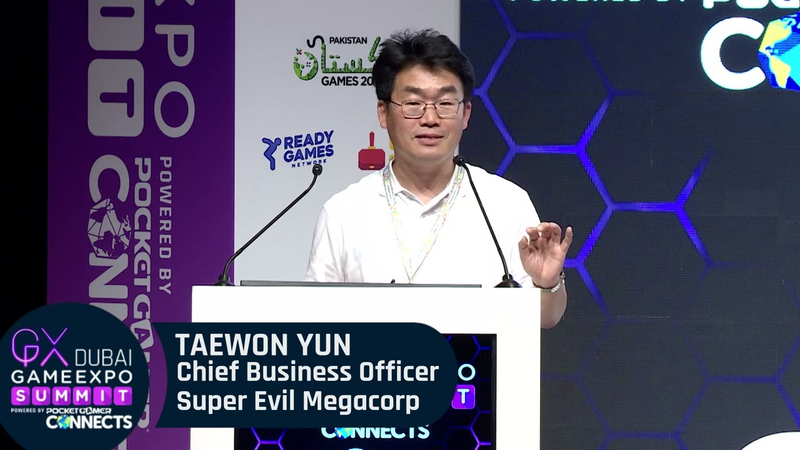
Building a Living, Breathing MMO With Gen AI & Web3 - Taewon Yun, Super Evil Megacorp
The integration of generative AI and Web3 technologies offers a transformative approach to solving long-standing design and monetization challenges in massively multiplayer online (MMO) games.
- Generative AI enables the creation of dynamic, evolving NPC behaviors and infinite, personalized content to solve the industry-wide problem of rapid player content consumption.
- Web3 technology provides the necessary infrastructure to manage complex, persistent in-game economies and monetization models that were previously difficult to scale.
- Developers should adopt an agnostic approach to Large Language Models (LLMs) to prevent vendor lock-in and mitigate risks associated with the rapid evolution of AI technology.
NFTs, Ultima Online, and Player-run Game Economies
The integration of non-fungible tokens (NFTs) into gaming requires a robust economic framework to avoid speculative volatility and ensure long-term sustainability.
- Successful NFT integration in gaming requires that tokenized assets possess intrinsic utility within the game, rather than functioning solely as speculative collectibles.
- Ultima Online, launched in 1997, provides a foundational model for player-run economies where scarcity of land and the utility of player-owned housing drove a secondary market that historically relied on external platforms like eBay.
- To prevent speculative bubbles, NFT-based game economies must ensure that tokenized assets are derived from freely accessible in-game resources, avoiding hard caps that decouple asset value from gameplay.
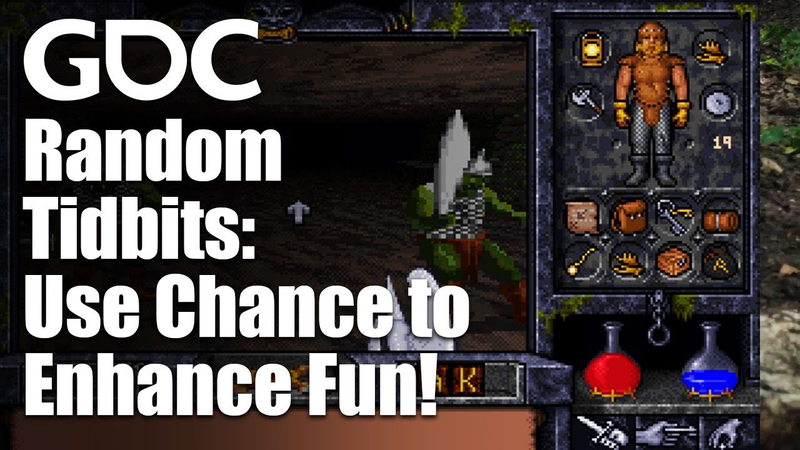
Random Tidbits: Use Chance to Enhance Fun!
This presentation explores the strategic application of randomness in game design, emphasizing that random number generation (RNG) should be treated as a deliberate design tool rather than a mere technical necessity.
- Treat random number generation as a deliberate design tool rather than a technical necessity to align outcomes with specific player experiences.
- Implement custom RNG systems using high-quality, efficient algorithms like Xorshift128+ instead of relying on basic platform-provided functions.
- Avoid common technical pitfalls such as re-seeding before every request and bias in modular arithmetic when calculating dice rolls.
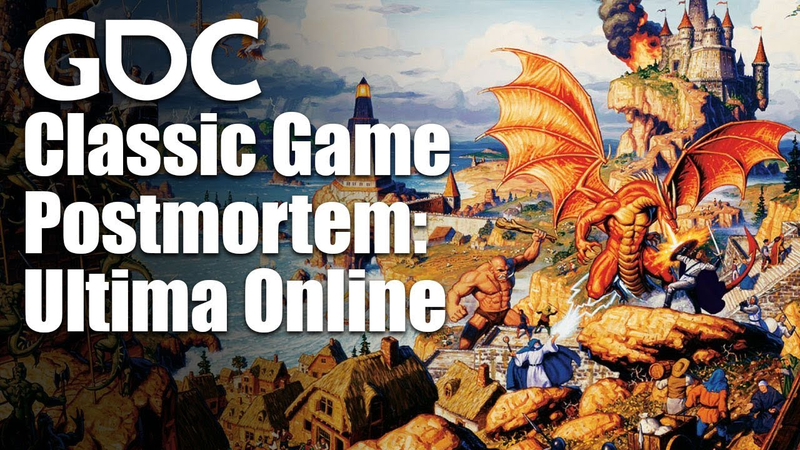
Classic Game Postmortem: Ultima Online
The development of Ultima Online represents a foundational shift in the gaming industry, marking the transition from traditional tabletop and MUD-based social experiences to the graphical massively multiplayer online genre.
- Ultima Online demonstrated the viability of the massively multiplayer online (MMO) market when 50,000 users signed up for a paid beta, far exceeding the initial internal sales projection of 30,000 units over the game's entire lifetime.
- The development team utilized a 'seamless server' architecture to distribute map data across multiple servers in real-time, a technical innovation that allowed thousands of players to inhabit the same virtual space.
- The game was managed through a 'shard' system where individual servers evolved distinct cultures based on player behavior, such as role-playing versus player-killing (PK) tendencies, which provided valuable data on emergent community dynamics.

Game Addiction - II: How to Defeat Game Compulsion - Extra Credits
Game compulsion is defined not by the inherent addictive nature of games, but by the tendency of individuals to withdraw from real-life responsibilities and relationships to seek validation in virtual environments.
- Game compulsion is driven by a desire for validation and structured feedback in virtual environments when individuals feel undervalued or rejected by real-world institutions.
- The skills developed through gaming—such as tenacity, strategic thinking, and goal-oriented behavior—are transferable assets that can be redirected toward achieving tangible real-world success.
- Overcoming compulsion requires reclaiming personal agency by reframing past gaming years as a period of skill development rather than wasted time.