Tennis for Two
Game
3 documents in the library are about Tennis for Two, from writers such as DiGRA, Eludamos: Journal for Computer Game Culture and Sport1. Each has a summary and key insights with the page they come from.
Connections
Each row is a game or company named alongside Tennis for Two, each column a document, oldest first. A mark means that document names it. Select a row to see those documents.
Documents about Tennis for Two
Reframing Art and Games as Historical Twins: art-bit's Curatorial Practices in Japan
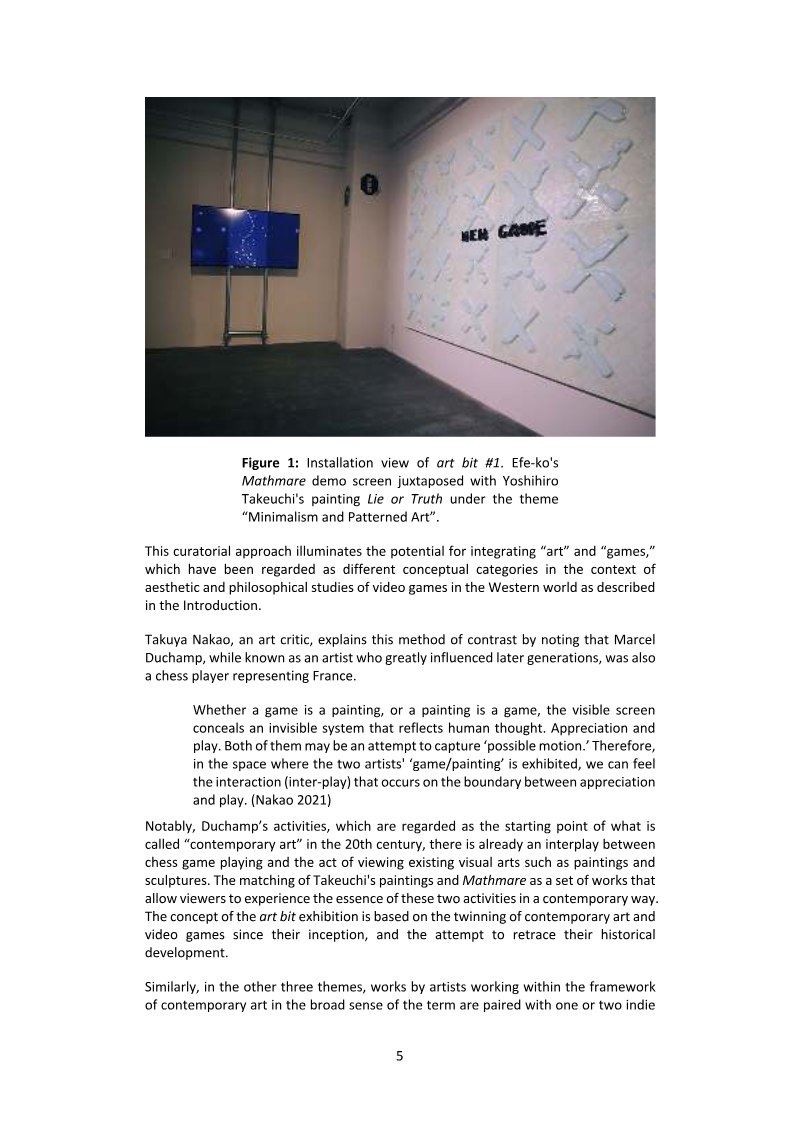
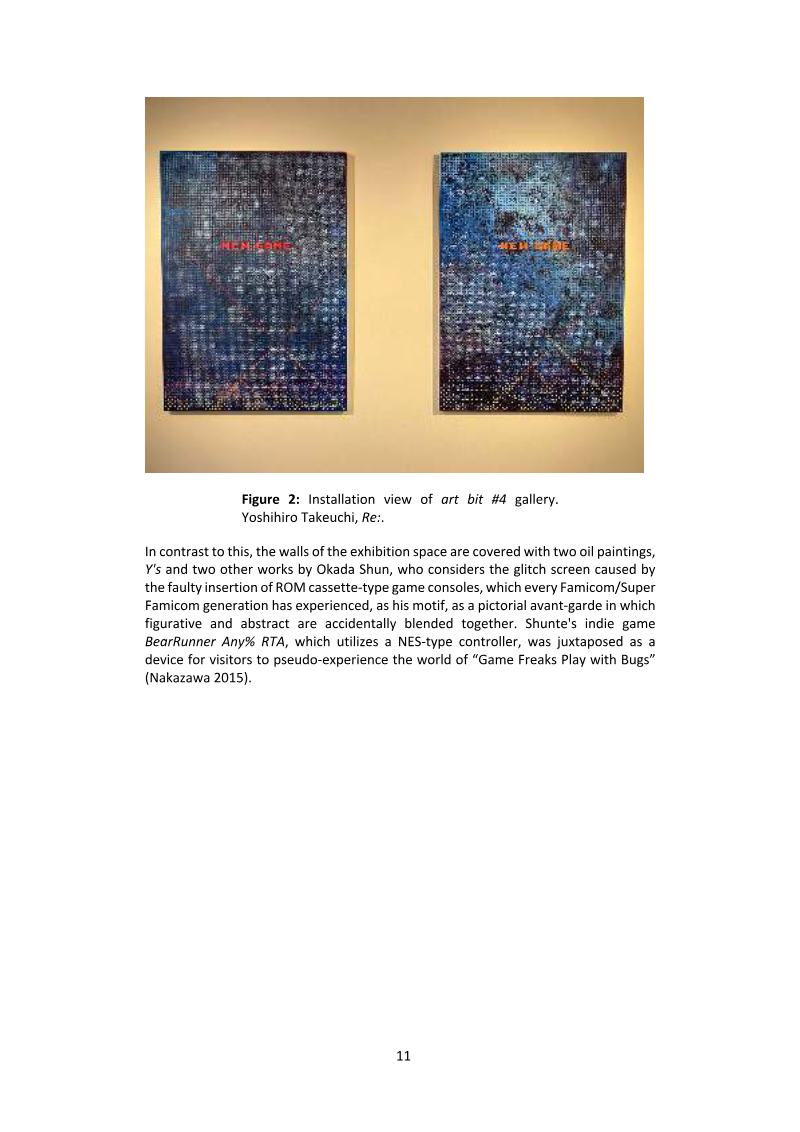
"Reframing Art and Games as Historical Twins: art-bit's Curatorial Practices in Japan" examines the "art-bit" exhibition series in Kyoto, which challenges conventional distinctions between contemporary art and video games.
- The paper argues video games and contemporary art are "historical twins" that developed in parallel through the twentieth century along opposite trajectories: art moved from imitation toward principle, while games moved from abstract logical systems toward increasingly comprehensive imitation of the real world.
- Both fields are diagnosed as having exhausted their developmental paths and entering a "post-historical era," which the author uses as the rationale for the art-bit exhibitions at Hotel Anteroom Kyoto (2021–2024), pairing conventional contemporary artists with independent games under shared themes.
- The central comparative claim is that early video games, like classical painting, generate space through abstract computational procedures, contrasted with Western commitments to three-dimensional realism.
Game Fokus: Esports 2019
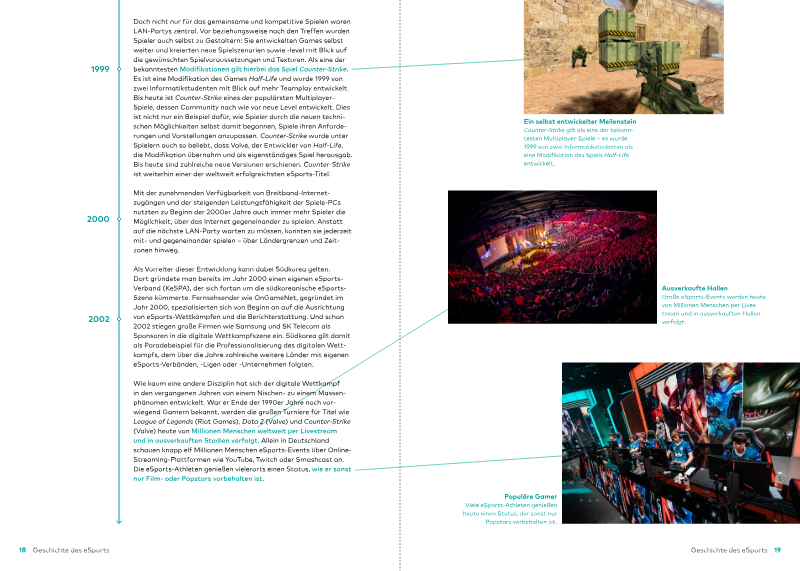
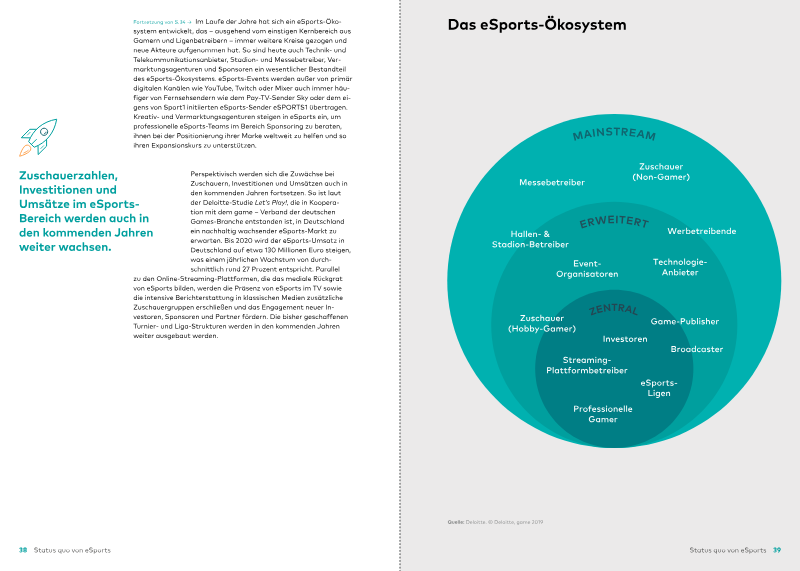
Esports in Germany has grown into a mass phenomenon, yet its institutional status lags behind its economic and cultural weight.
- The German eSports market is projected to reach approximately 130 million Euros by 2020, representing an average annual growth of around 27 percent.
- Despite its growing relevance, eSports in Germany faces significant hurdles due to a lack of official recognition as a sport, unlike 50 other countries (including EU states like Austria, Netherlands, and Sweden) that already acknowledge and promote it.
- The German government, through the 2018 coalition agreement, has pledged to support eSports as its own sport with club and association rights, and the Foreign Office eased entry requirements for non-EU eSports athletes in August 2018, yet full equality with traditional sports is still missing.
Two Halves of Play: Simulation versus Abstraction and Transformation in Sports Videogames Design
Sports videogames do not simply simulate reality; they map it onto gameplay through two mediating processes.
- Sports videogames are best understood as simulations built for play rather than accuracy: developers depart from reality wherever doing so improves the experience, relying on players' willing suspension of disbelief.
- Kayali and Purgathofer identify three mediating mechanisms (simulation, abstraction, and transformation) and evaluate games across four categories: rules, player control, course of action, and presentation.
- Transformation keeps real-world elements functional while changing their form, as when judges' scores become collectable items, and control schemes on digital buttons almost always require it.