Rec Room
GameBy Rec Room
Documents about Rec Room
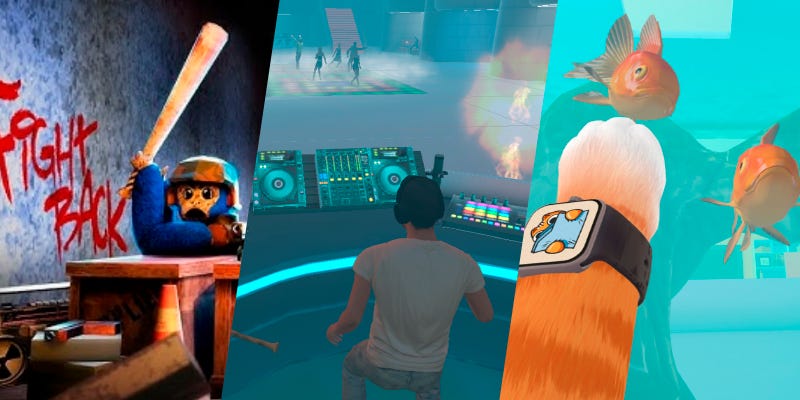
Scary Baboons, Sim Hits: The State of Quest Discovery in 2026
The newsletter examines the Meta Quest VR market in 2026, arguing that the platform remains vibrant but has shifted from early-stage experimentation to a mature ecosystem dominated by free-to-play (F2P) titles and social-centric experiences.
- The 2026 Meta Quest market is dominated by free-to-play (F2P) titles, which account for seven of the top ten grossing games.
- Revenue generation is primarily driven by high-volume downloads and in-app purchases, specifically focusing on cosmetic and functional items.
- Social-centric experiences and co-op world spaces like VRChat, Rec Room, and Job Simulator lead the market in total hours played.

Weekly Industry Round-up: PlayStation Cuts, The Division, and New Trends
This industry update provides a comprehensive overview of significant developments within the mobile gaming sector as of early April 2026.
- PlayStation's mobile division experienced layoffs affecting approximately 50 staff within its Studio Business Group, though work continues on soft-launch titles like MLB The Show Mobile and Ratchet & Clank: Ranger Rumble.
- Bethesda has discontinued its mobile RPG, The Elder Scrolls: Blades, delisting it from app stores with servers closing on June 30; the game generated around $13.5 million since its March 2019 launch.
- Coffee Stain, the developer of Goat Simulator and owned by Embracer, is closing its mobile studio in Malmö, impacting about 17 employees.
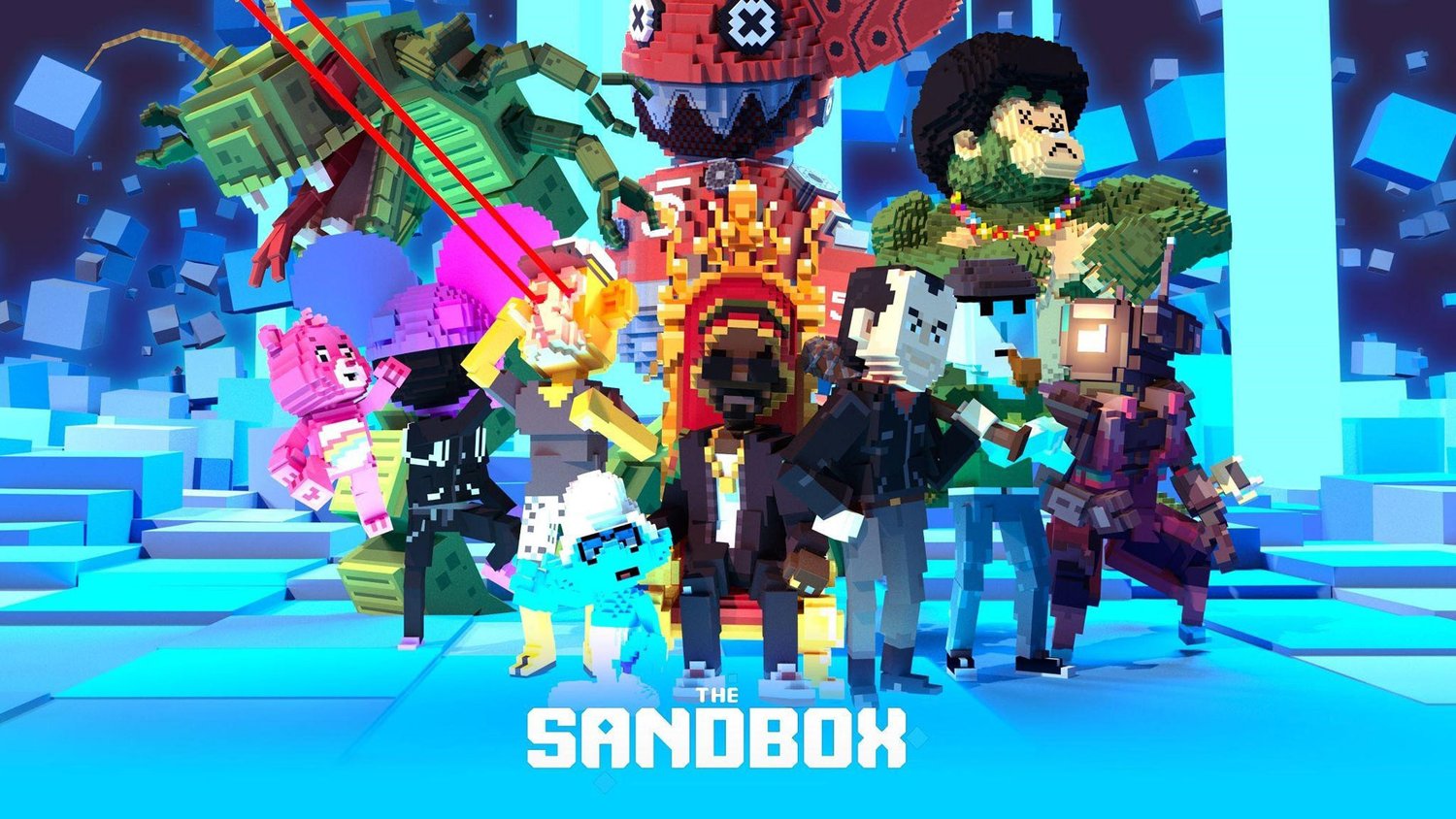
The Sandbox: Where Digital Land and UGC Collide
The Sandbox functions as a voxel-based, user-generated content (UGC) platform that integrates blockchain technology to facilitate the ownership and trade of virtual land and digital assets.
- The Sandbox is currently valued at a fully diluted market cap of $13.8 billion, despite having only 30,000 monthly active users (MAUs) and approximately 15,000 users playing more than one hour per day.
- The platform's valuation-to-MAU ratio is significantly higher than industry peers, sitting nearly 20 times higher than Decentraland and over 400 times higher than Rec Room.
- The Sandbox lags behind competitors in content density, with a capital-to-experience ratio of $24,017 per user-generated experience, compared to $36 per experience for Roblox.
A Bit of Culture: Assembling by the Tree
This analysis explores the intersection of physical collectibles and digital entertainment, using the LEGO brand as a primary case study for understanding modern consumer behavior and investment trends.
- LEGO sets have emerged as a high-yield asset class, delivering an average annual return of 11% based on a study of 2,322 unopened products.
- LEGO has achieved a seven-fold increase in sales since 2003, driven by the modular nature of its system and thematic scarcity in the secondary market.
- The video game and toy industries are converging around the concept of 'fractionalization,' where consumer value is derived from assembling modular systems and personalized digital or physical experiences.