Pinstripe
GameBy Atmos Games
Documents about Pinstripe

Thomas Brush15 min
How To Actually Finish Your Game
The primary challenge for independent game developers is maintaining the motivation required to complete a project, as the high likelihood of quitting remains a significant barrier to success.
- Publicly announce your project to friends, family, and peers to create social accountability that prevents abandonment when personal motivation wanes.
- Establish a deep emotional connection to your protagonist by defining specific personality traits and flaws to serve as a narrative anchor throughout development.
- Shift from internal promises to external expectations, as psychological preparation is more critical to project completion than technical skill.
Thomas BrushSep 2017
Thomas Brush9 min
Start Your Own Game Studio With These 5 Tools!
The primary objective of this guide is to provide independent developers with a foundational software toolkit for establishing a functional game studio.
- Unity serves as the foundational game engine for the studio due to its robust cross-platform porting capabilities and extensive C# documentation.
- Photoshop is essential for visual asset creation because it allows for real-time graphic updates within Unity during active play sessions.
- Spine 2D provides an accessible alternative to complex 3D software for character rigging and skeletal animation, featuring direct synchronization with Unity’s animation state machines.
Thomas BrushSep 2017
Thomas Brush4 min
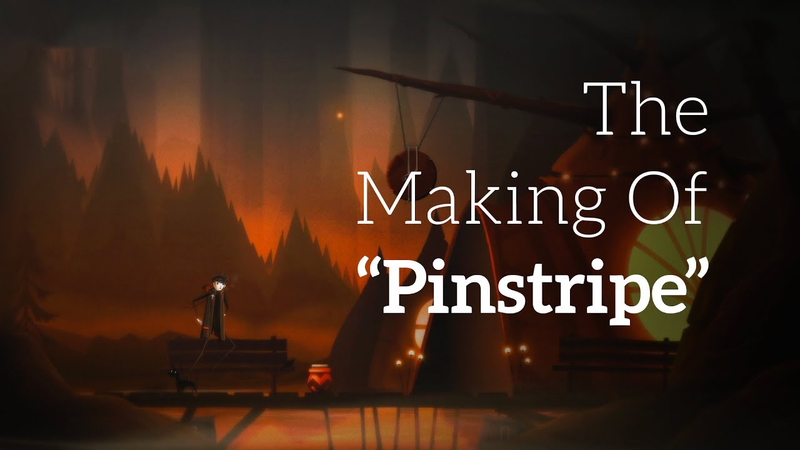
The Making Of Pinstripe
Developing a video game as a solo creator requires immense personal dedication, often necessitating a multi-year commitment that balances full-time employment with creative labor.
- The development of Pinstripe was a four-year solo project, requiring the creator to manage all aspects of production including illustration, programming, music, and narrative design.
- The project demonstrates that high-quality, professional-grade games can be produced independently from a home environment without the need for relocation to major industry hubs.
- The primary development objective was to prioritize a compelling, story-driven experience and emotional resonance over traditional gameplay mechanics.
Thomas BrushMar 2017