Katamari Damacy
Game
4 documents in the library are about Katamari Damacy, from writers such as DiGRA and GameDiscoverCo. Each has a summary and key insights with the page they come from.
Connections
Each row is a game or company named alongside Katamari Damacy, each column a document, oldest first. A mark means that document names it. Select a row to see those documents.
Documents about Katamari Damacy
Tacky Games
The document explores the concept of "tackiness" and "kitsch" specifically within digital games, arguing that traditional art and design theories of kitsch are insufficient for this medium.
- Most digital games meet several traditional kitsch criteria (mediatic transfer, reproducibility, low price, mass disposability), yet games can also be art and contain masterworks, so classical kitsch theories offer limited help when applied to games.
- The strongest correlation with perceived kitschiness was found in formulaic movements and gestures carrying stable meanings, and in Kulka's definition of kitsch as art charged with stock emotions that trigger unreflective responses.
- No consistent link emerged between perceived tackiness and transmedia transfer, low price, ubiquitous availability, otherness, or "perverted style," challenging the view that these properties define game kitsch.
Should Games Be 'Nasty, Brutish, and Short'?
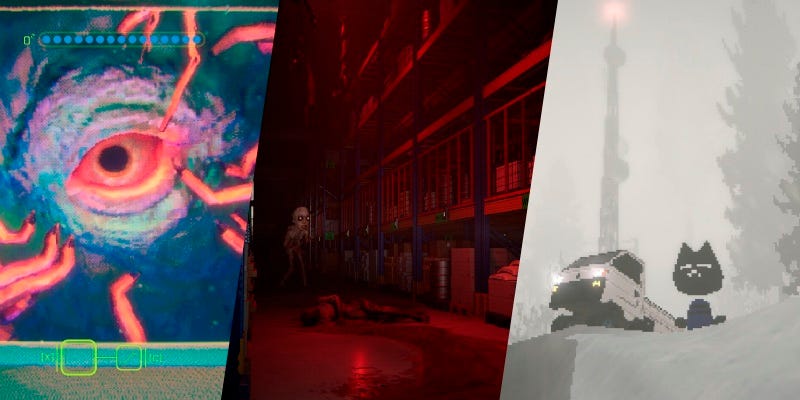
This document from the GameDiscoverCo newsletter, published May 30, 2025, examines emerging trends in PC game publishing, particularly focusing on the strategy of developing "nasty, brutish, and short" games to achieve market success.
- PC game publishing is shifting from high-risk AAA models toward portfolios of shorter, lower-budget titles with development cycles of three to twelve months to mitigate market volatility.
- Successful low-cost projects like Murky Divers and Order 13 have achieved significant sales milestones of 500,000 and 50,000 units respectively by targeting specific subgenres like co-op horror.
- Developers are prioritizing 'catchiness' for influencers and streamers over first-to-market status, focusing on high-quality execution within established, trending niches.
Thoughts on Kitsch and Games
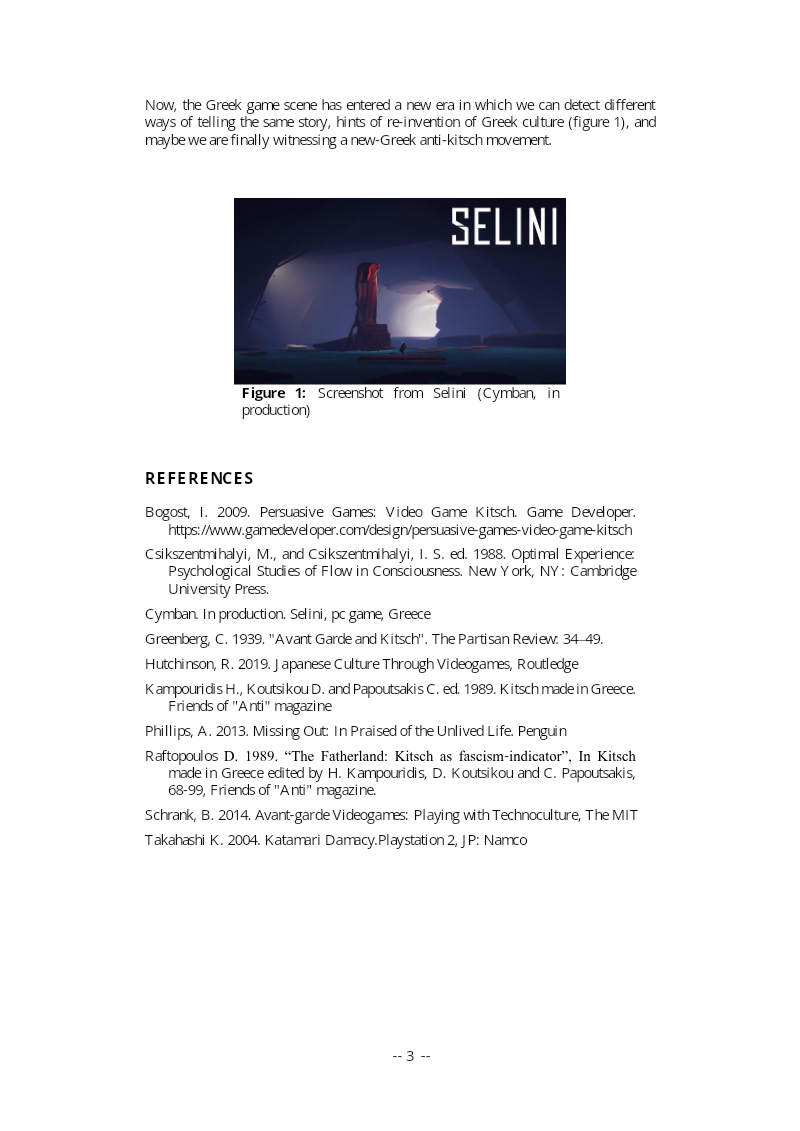
The document explores the concept of kitsch within the context of the Greek video game development community, examining how local creators express national identity and navigate the perception of "Greek kitsch."
- Greek game developers frequently describe Greek culture itself as kitsch, shaped by modernization, mass tourism, and a commodified folk aesthetic historically entangled with nationalist propaganda.
- The paper frames kitsch through Clement Greenberg's 1939 definition: mass-produced, easily consumed culture offering a direct "reflected effect" to audiences without time or training for avant-garde art.
- Between roughly 2008 and 2018, Greek developers moved toward international standards and away from explicitly national aesthetics, partly to avoid associations with fascism and propaganda.
Playful Fandom: Gaming, Media and the Ludic Dimensions of Textual Poaching
Mavridou argues that fandom has a ludic dimension that deserves study from a game studies perspective, and that fan studies and game studies would benefit from sharing theory and methods.
- The paper argues that fandom has a ludic (playful) dimension that deserves systematic study within game studies, and that the overlapping theories and methods of fan studies and game studies remain underexploited.
- Drawing on Salen and Zimmerman's definition of play as "free movement within a more rigid structure," the author frames fan activity both as game-like systems (e.g., Jenkins's account of the Survivor spoiler community) and as resistant or transformative play against media industry rules.
- The central conclusion is that resistant fan play tends to be transformative rather than radically subversive, because fandom remains dependent on the centralised structures it engages with.