Hellblade: Senua's Sacrifice
5 documents in the library are about Hellblade: Senua's Sacrifice, from writers such as Extra Credits, Game Developers Conference and Game File, the newest from 2026. Each has a summary and key insights with the page they come from.

Hellblade: Senua's Sacrifice is a single-player action-adventure game set in a dark fantasy world inspired by Norse mythology and Celtic culture. Players control Senua, a Pict warrior who journeys into the Norse underworld to rescue the soul of her dead lover from the goddess Hela. The game blends melee combat, puzzle solving, and psychological horror, with Senua's psychosis shaping how the world is perceived, including voices that provide guidance or attempt to mislead the player. The game was developed by a team of around twenty people and features no heads-up display or tutorials. Instead, audio cues from voices in Senua's head guide the player through combat and environmental challenges. The portrayal of psychosis was developed in collaboration with neuroscientists and people who experience the condition.
- Released
- Aug 7, 2017
- Developer
- Ninja Theory
- Publisher
- Xbox Game Studios
- Genres
- Simulator, Hack and slash/Beat 'em up, Adventure, Indie
- Platforms
- Xbox Series X|S, PlayStation 4, PC (Microsoft Windows), PlayStation 5, Xbox One, Nintendo Switch
- Links
- Wikipedia
Game data from IGDB.com
Documents about Hellblade: Senua's Sacrifice
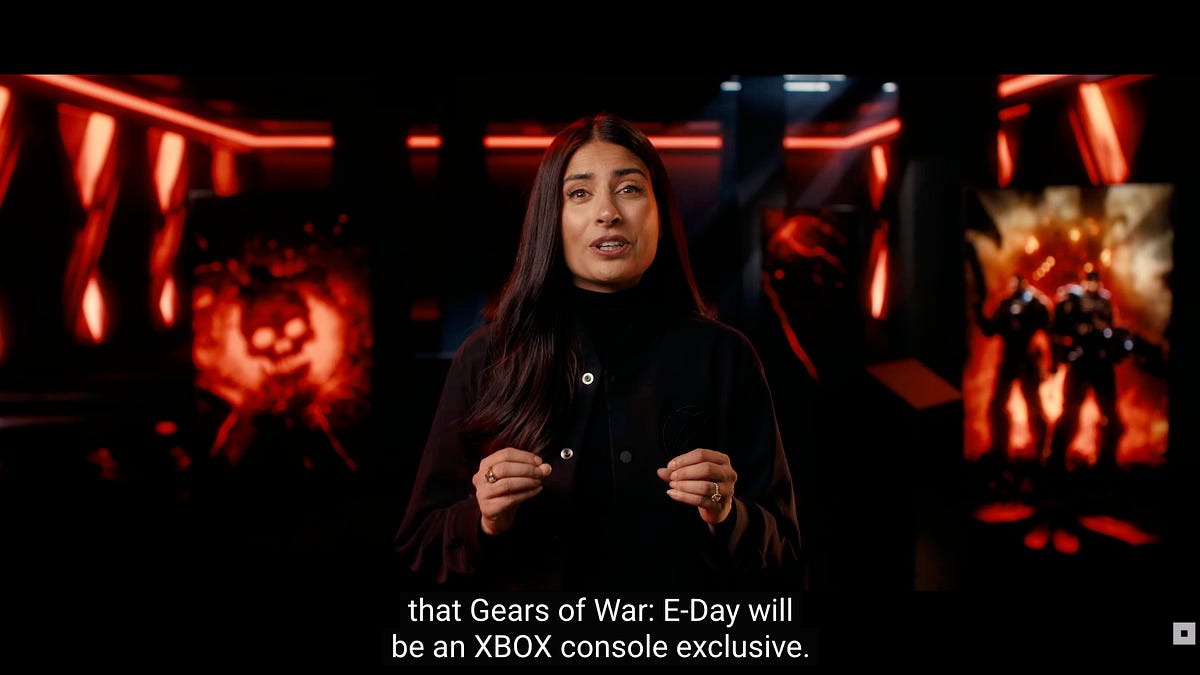
Two Upcoming Xbox Games Will Never Come to PlayStation 5
Microsoft’s Xbox division announced that two forthcoming titles—Gears of War E-Day (scheduled for October 6, 2026) and Clockwork Revolution (planned for 2027)—will be released exclusively on Xbox consoles, while remaining available on PC platforms such as Steam.
- Microsoft has confirmed that 'Gears of War: E-Day' (October 6, 2026) and 'Clockwork Revolution' (2027) will be permanent Xbox and PC exclusives, with no plans for a PlayStation 5 release.
- The company is adopting a selective multi-platform strategy, maintaining PlayStation support for flagship titles like 'Call of Duty' and 'Minecraft' for the next decade.
- Microsoft’s new leadership is utilizing permanent exclusivity for specific titles to drive platform differentiation while continuing to support broad distribution on PC platforms like Steam.
How to Represent Mental Illness in Games
The gaming industry holds a significant moral responsibility to refine the representation of mental health, given that up to half of the global population will encounter mental health challenges during their lifetimes.
- Media portrayals of mental illness often rely on harmful tropes—such as the 'terrifying' asylum patient or the 'evil' psychotic—which discourage individuals from seeking professional help due to fear of institutionalization or personality-altering medication.
- When writing about mental health, developers should prioritize accuracy by conducting basic research, as even simple fact-checking can prevent the trivialization of complex conditions like OCD or anxiety.
- Accurate representation in games provides a significant benefit by allowing players to identify their own vulnerabilities, which can serve as a powerful tool for self-recognition and validation.
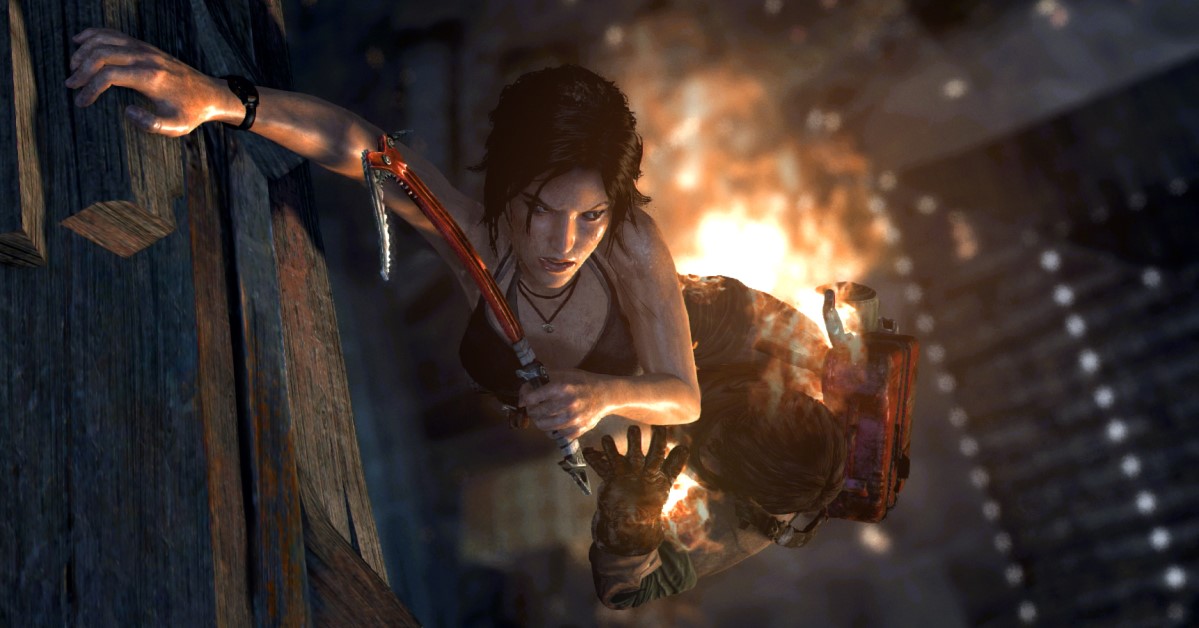
Why Female Protagonists Make Memorable Video Game Characters
The provided text examines the enduring impact and cultural significance of female protagonists within the video game industry.
- Female protagonists have established a long history of success in gaming, dating back to the 1986 reveal of Samus Aran in Nintendo’s Super Metroid.
- Lara Croft from the Tomb Raider franchise has achieved status as a global cultural icon, transcending her original game series to influence film and merchandising.
- Non-playable female characters like Alyx Vance in Valve’s 2004 Half-Life 2 demonstrate how well-written female roles can be pivotal to the narrative success and world-building of a title.
Mental Health in Games - How We Can Do Better - Extra Credits
Video games frequently misrepresent mental health, often relying on harmful tropes that equate mental illness with violence or villainy.
- While 25% of games feature characters with mental health conditions, these portrayals frequently rely on harmful stereotypes that equate mental illness with villainy or violence.
- Statistical data contradicts common media tropes, showing that individuals with mental health conditions are more likely to be victims of violence, with only 3% of violent crimes linked to such conditions.
- Developers should collaborate with mental health professionals and individuals with lived experience throughout the design process, as exemplified by the realistic storytelling in 'Hellblade: Senua’s Sacrifice'.
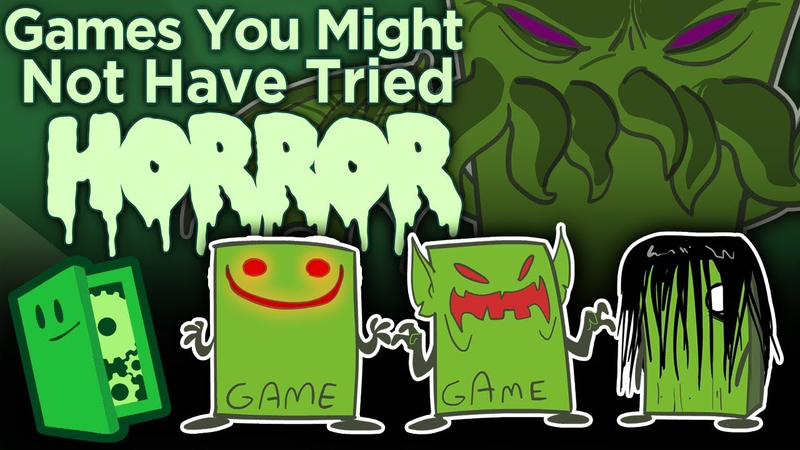
Games You Might Not Have Tried: Horror - Find New Games for Halloween - Extra Credits
This analysis highlights a curated selection of horror-themed video games, focusing on titles that offer unique narrative experiences, innovative mechanics, or distinct atmospheres despite occasional lack of polish.
- The horror genre thrives on innovative mechanics and atmosphere over technical polish, as evidenced by titles like Prey, which uses a mimic mechanic to force constant environmental distrust.
- Games can effectively utilize specific historical and cultural settings to ground horror, such as Detention’s use of 1960s Taiwan to build its narrative foundation.
- Experimental design choices, such as the top-down perspective in Darkwood, can create intense feelings of claustrophobia and player disempowerment.