Dear Esther
Game
Documents about Dear Esther
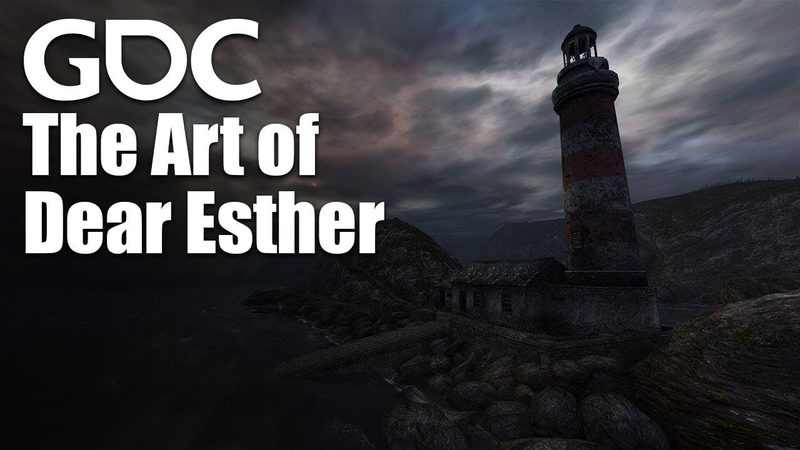
Game Developers Conference23 min
The Art of Dear Esther – Building an Environment to tell a Story
The environmental design of the game Dear Esther serves as a primary vehicle for narrative delivery, moving beyond the traditional role of a static backdrop to become an active participant in storytelling.
- Environmental design serves as the primary narrative vehicle in Dear Esther, functioning as an active participant in storytelling rather than a static backdrop.
- The project, originally developed as a 2008 Source engine mod, intentionally stripped away traditional gameplay mechanics to prioritize an ambiguous, emotionally driven narrative.
- Developers achieved immersion by prioritizing an impressionistic aesthetic—focusing on lighting, atmosphere, and color—over technical fidelity or photorealism.
Game Developers ConferenceNov 2018

Extra Credits8 min
Games You Might Not Have Tried - ep 3 - Find New Games - Extra Credits
This overview highlights a curated selection of diverse video games, emphasizing titles that offer unique mechanics, experimental narratives, or unconventional genre blends.
- Game design innovation often occurs through unconventional genre blending, such as the fusion of physics-based action with historical humor in Rock of Ages or the integration of grand strategy with RPG elements in King Arthur II.
- Meta-narrative and subversion of traditional tropes can redefine established genres, exemplified by Recettear’s approach to RPGs and the fast-paced, top-down shooter mechanics used to disrupt traditional MMO structures in Realm of the Mad God.
- Mobile platforms are capable of hosting high-quality, immersive experiences, as demonstrated by the horror title The Dark Meadow.
Extra CreditsMay 2012
Companies behind it
As the documents state it.