The Chinese Room
Company
2 documents in the library are about The Chinese Room, from writers such as DiGRA and Paradox Interactive. Each has a summary and key insights with the page they come from.
Connections
Each row is a game or company named alongside The Chinese Room, each column a document, oldest first. A mark means that document names it. Select a row to see those documents.
Documents about The Chinese Room

Financial report24 pages
Year-End Report: January – December 2025
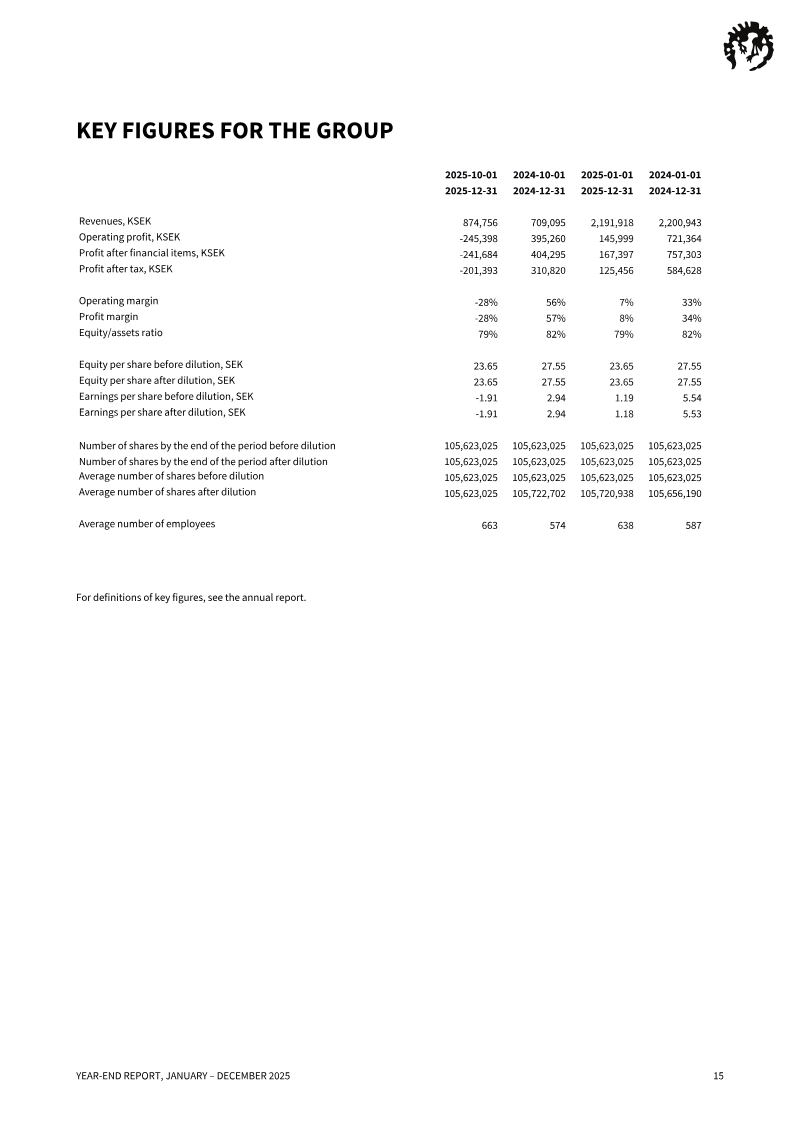
Paradox Interactive experienced a period of significant financial volatility throughout 2025, characterized by stagnant revenue growth and a sharp contraction in profitability.
- Paradox Interactive’s annual operating profit fell sharply to MSEK 146.0 in 2025, down from MSEK 721.4 the previous year, while annual revenue remained stagnant at MSEK 2,191.9.
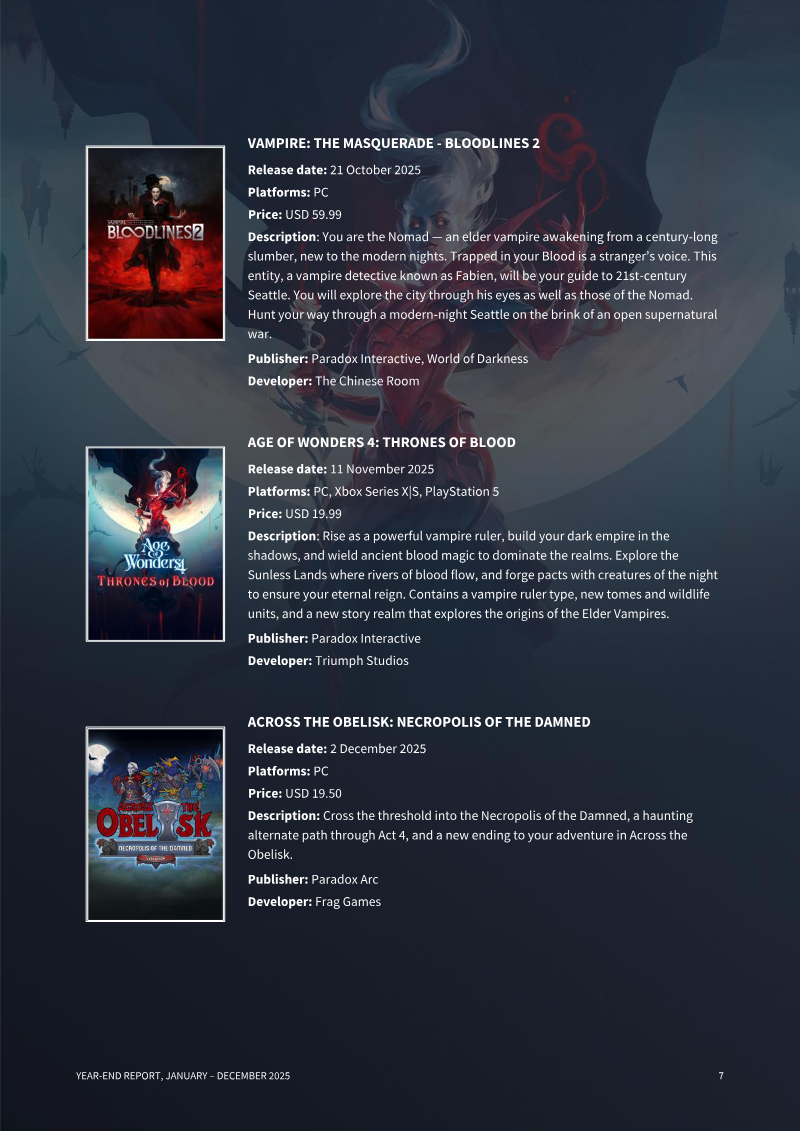
- The company recorded MSEK 355.3 in write-downs and amortization costs specifically tied to the development of Vampire: The Masquerade – Bloodlines 2.
- Paradox is pivoting its strategy to focus exclusively on internal development of deep strategy and management titles, abandoning projects outside of this core expertise.
Paradox InteractiveJan 2026
Whitepaper2 pages
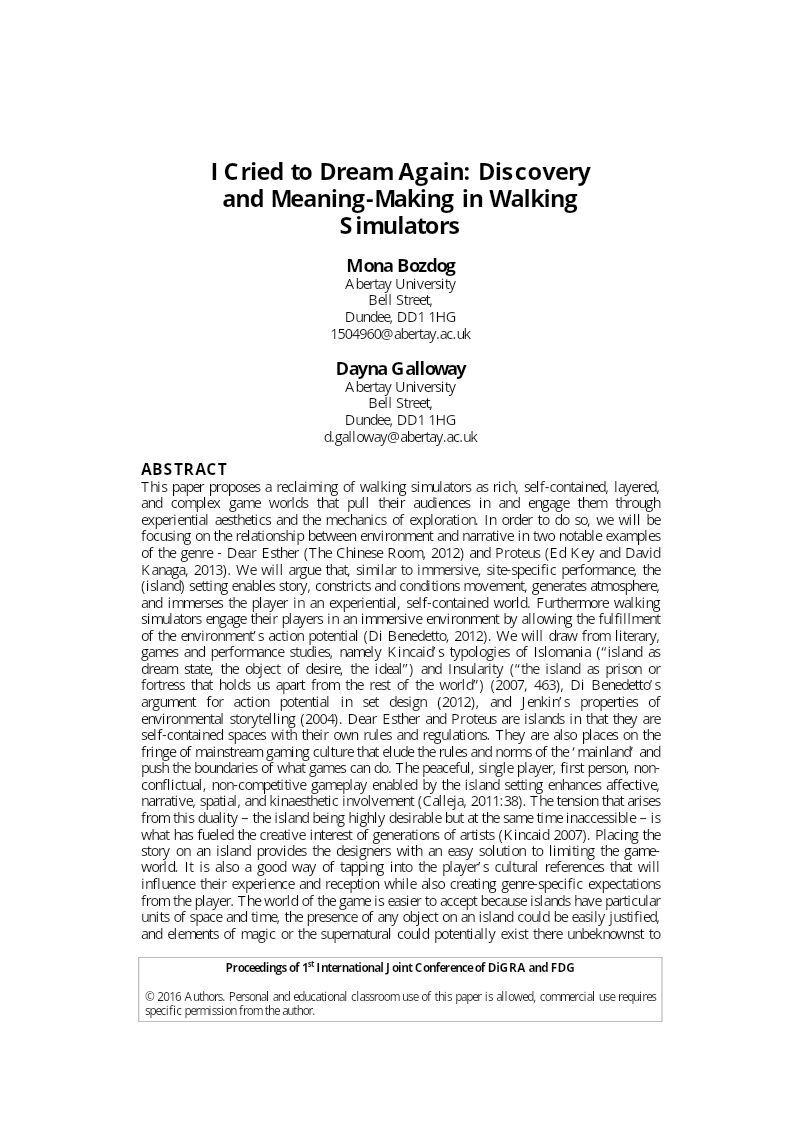
I Cried to Dream Again: Discovery and Meaning-Making in Walking Simulators
This paper argues for reclaiming walking simulators as complex, self-contained game worlds that draw players in through experiential aesthetics and exploration mechanics.
- The paper argues that walking simulators such as Dear Esther (The Chinese Room, 2012) and Proteus (Ed Key and David Kanaga, 2013) should be recognised as complex, self-contained game worlds rather than dismissed as minimal experiences.
- Its central claim is that the peaceful, single-player, first-person, non-competitive gameplay enabled by the island setting heightens affective, narrative, spatial, and kinaesthetic involvement for players.
- The island works as a practical design tool: its tension between desirability and inaccessibility limits the game world while drawing on players' cultural associations that shape expectations and reception.
DiGRAJan 2016
