1 free read left. Create a free account for unlimited reading + AI research.
Create free accountArticle The Game Business
1 free read left. Create a free account for unlimited reading + AI research.
Create free accountArticleThe Game Business
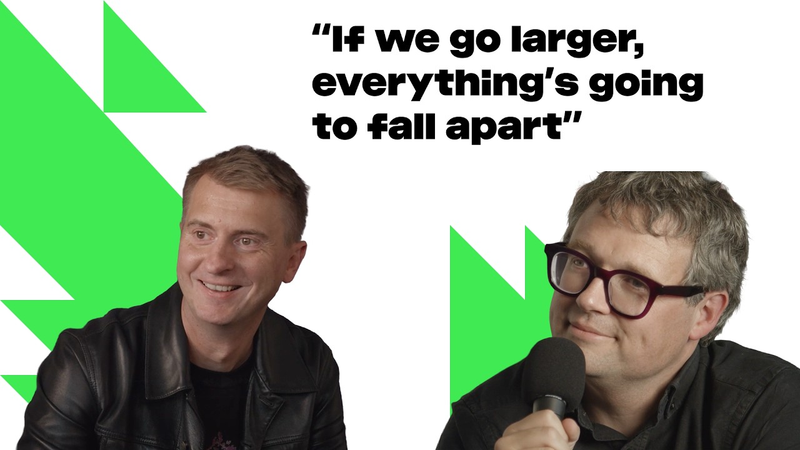
The developers of the rogue-like strategy game Mewgenics, Edmund McMillen and Tyler Glaiel, maintain a firm stance against utilizing traditional publishers, prioritizing creative autonomy and financial independence over external support. The core thesis of their approach is that publisher involvement often necessitates compromises in game design and results in a cycle of dependency that limits long-term sustainability for independent studios. By self-publishing, the team successfully retained full control over their creative vision, which they argue would have been censored or altered by industry partners.
The game, developed over six years by a small team of ten, achieved significant commercial success by selling one million copies within its first week of release. This performance occurred despite a lack of traditional marketing campaigns, as the developers relied on their established personal brands and direct engagement with their audience. While they generally avoid external business partnerships, they did engage a PR agency, Guillotine, specifically to expand their reach into non-English speaking markets, demonstrating a strategic, limited use of professional services that did not compromise their independence.
Reflecting on past experiences, such as the launch of Super Meat Boy, the developers emphasize that publisher-led projections and marketing strategies are often unreliable or detrimental to indie titles. They contend that the "business side" of the industry is frequently driven by manipulation and short-term profit motives that conflict with the creative process. Ultimately, the success of Mewgenics serves as a case study for the viability of self-publishing, provided developers possess the necessary audience reach and are willing to manage the intensive, hands-on labor required for promotion and community management.
The Game Business · 2026
The Game Business · 2026
The Game Business · 2026
The Game Business · 2026
The Game Business · 2026
The Game Business · 2026
The Game Business · 2026
The Game Business · 2026
The Game Business · 2026
The Game Business · 2026

The Game Business · 2026
The Game Business · 2026
Thomas Brush · 2026