1 free read left. Create a free account for unlimited reading + AI research.
Create free account
Why NFTs are the Foundation of the Open Metaverse
Key insights
6 takeaways- 01NFTs facilitate the transition from Web 2.0, where users lease digital assets from centralized platforms, to a Web3 model defined by verifiable digital property rights.
- 02The global gaming sector, currently comprising 3.2 billion users, serves as the primary market for implementing decentralized digital economies.
- 03Digital ownership enables permissionless innovation, allowing third-party developers to create secondary markets like rentals and collateralization without platform-level authorization.
- 04Blockchain-based audit trails ensure that users retain control over their data and assets, preventing platforms from unilaterally monetizing user labor and attention.
- 05Decentralized infrastructure is intended to keep centralized platforms competitive and equitable by providing users with the ability to move assets between ecosystems.
- 06Mass-market adoption can be achieved by integrating custodial services with decentralized back-end infrastructure to mitigate technical complexity for the average user.
Ask AI about this video
Transcript
[Music] [Music] i i guess if there's one company that over the last kind of uh three or four years has sort of characterized um sort of the amazing growth of blockchain games it has been animoka brands which is um you know previously was a free-to-play mobile game company out of hong kong um and in 2017 2018 um it was one of the first sort of established companies to really uh sort of get blockchain games and and and then uh since then it was really sort of uh deployed um and operated very aggressively in in terms of its own companies it's acquired a whole bunch of companies i guess of its companies the sandbox is the is
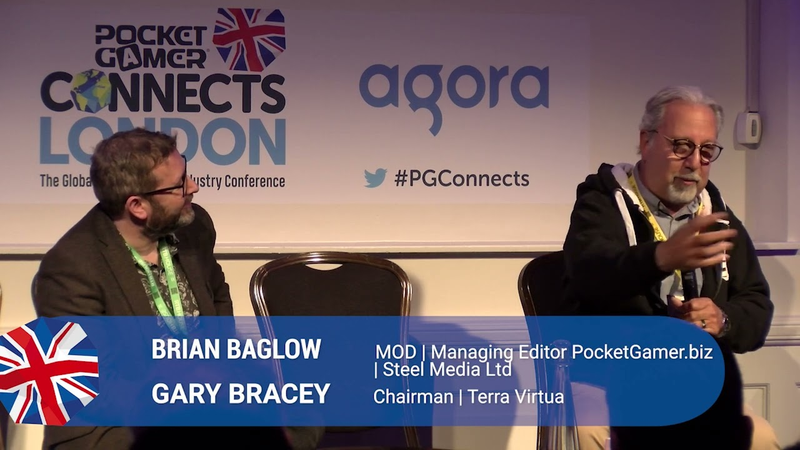
the best known um but then over over the last year or so animaker brands have sort of really changed from being a company that owns other companies to being a um i guess you're a super you're a super investor now yeah aren't you so um so so you've invested in is it i can't represent 100 over 150 companies something like that over the last four years and then you've just announced um i can't remember which talking you can you can hit you can hear me at least i can hear you yes yes can you see as well is there a camera somewhere oh good okay good um so uh so yeah is the chairman of anarcho brands and you're gonna be talking about why nfts are the foundation of the open metaverse so i should actually leave it to you great thank you so much uh it's a great pleasure to be here even if i
can't be there in person and um you know as uh john kindly introduced us i'm the chairman and co-founder of animal brands and um very quickly talking about sort of why nfts are the foundation of the metaverse and you've probably heard a bunch of things around that so maybe let me just quickly go a little bit back in time and actually talk about sort of what we define as sort of the metaverse and why sort of nfts are important of course it's the buzzword everywhere and most recently even with the incredible acquisition that microsoft is doing with activision it's all about the metaverse we would say though that the beginnings of the metaverse really started many many years ago in the 80s to what some of us were a bit older in the room will have grown up with the likes of you know going on compuserve and i wanted to share this ad because actually when you see this this was in the 80s and we already talked about sort of visions of the future back then of course it was just text there was no graphics or anything like this but we were already traveling basically into different worlds and had different and let our imaginations basically run wild in a very small base back then compuserve had
maybe tens of thousands of users eventually had hundreds of thousands maybe wasn't to the low millions but that's kind of a thing uh back then in the 80s moving to the 90s and these were the devices that we basically connected to super primitive acoustic couplers and modems but of course we've come a long way from where we are today with this and these gaming devices which really i think trained us and led us to sort of what we now consider the metaverse uh has now grown to you know 3.2 billion gamers as you all know and an industry that is larger you know than the music and and film combined and the other thing is of course is that the amount of time that we spend online which i think is really critical here is actually the majority of our time is online even if we may be physically present in a place the moment we touch our smartphone the moment we go on our computer we are actually having our attention go somewhere that is entirely virtual already so arguably we are already with digital dependence if you will in fact imagine what happens to you if you actually no longer have access to
your smartphone and so that basically means the digital life and the digital world is really important to us so what is the metaverse and what we define as the true metaverse so we absolutely insist that this is not the actual metaverse despite that some people might say it's about vr and about access online and while it is a part of that we actually think that the true metabours is about data ownership and let me describe that a little bit here because thereafter all the other experiences that we have with vr and ar are layers that sit on top of that which is why we we say that you know property rights and nfts are the foundation of the open metaverse data is the world's most valuable resource and it's valuable because of the fact that it the power is basically the the resource of basically everything that is digital today data is the engine of companies like facebook amazon google microsoft all of the biggest companies in the world this used to be oil this used to be energy back in the days when we needed that and oil and energy is still important but it is no longer the world's most valuable resource but the thing is interesting about this
valuable resource is that it comes from our time it comes from our ideas for my creativity from our attention and one of the issues on this one of course is that as we spend time normally when we work on something our labor is our time that time is derived in the form of salary or in the form of some kind of compensation that we receive but as time went on through history actually you know this whole concept of you know owning and sort of the fruits of your labor started to move away because in history when i was when you were a farmer you could sort of you know you know you grow your apples the apples were yours for instance right but now capital which is essentially the platforms and the investors they own the machines and we work in those machines and actually they monetize and they basically take all of our labor and actually monetize it far more deeply and in particular cases when you go to online actually that labor is entirely free because we are actually now a resource every single one of us when we use when
we play a game which is countless hours when we're basically uh sort of spending time on facebook instagram whatsapp wechat whatever platform you say you know we basically provide the data in the form of information and that becomes knowledge and that knowledge is we you know we as humans have always sort of been able to process and that becomes wisdom and that becomes experience and we can get jobs for this because we have knowledge right but basically the platforms because of the awesome power of ai and deep learning and you know the the speed of computing is now able to mine that kind of knowledge and power at essentially a billion users a second and that basically makes them the most powerful sort of a company in the world but the problem is that if all of us actually stop using these platforms or if we no longer play in your free to play games and only the paying players pay actually what happens to the environment of that platform it declines people won't pay you know facebook can cancel advertising it doesn't know anything about us so in fact all of us are inadvertently laborers in the platform that is
essentially a facebook or a call of duty or whatever system that is out there and it doesn't belong to us it belongs to facebook it belongs to the platforms and so we live in an age of a kind of digital colonialism and today actually we are digital dependents we are digital surfs in essentially the kingdoms of of of uh digital platforms you know i think this is best illustrated when for instance what happens when apple doesn't like you they just remove your apps for all of us game developers that is a horrible situation which we ourselves have experienced and in that situation again you know who are we dependent on is it was it better for our customers is it actually better for us or is it really better for the platforms and this exists all the time basically and it happens to all of us whether you know it's on twitter or on facebook or whichever and so as a result um you know we are not actually free to do what we want in the digital world despite what the promise of the original promise of web one was in this web 2 world basically we live in digital kingdoms but this of course has created
disproportionate value for the kingdoms themselves when you take a look and i just wanted to illustrate this because essentially in under two decades we have gone from the biggest companies that were energy companies of market caps that were already tremendous none of them reaching more than essentially half a billion dollars to essentially you know just the top companies literally all of them hitting a trillion dollars facebook recently declined a little bit but also the size of the revenues in question here are enormous they are larger than the countries and the many countries out there and the cash reserves of these companies basically rival the cash reserves of some of some some mid-sized nations here um and you know you take an example of you know the world's biggest gaming company outside of tencent activision with 8.8 billion revenue and essentially 2.4 billion free cash flow right this is this at a time when the rest of the world is really struggling not just because of covet but over time basically you know the value of labor has declined and actually what's really happened here is that we no longer you know we have rising wealth inequality while basically people who have access
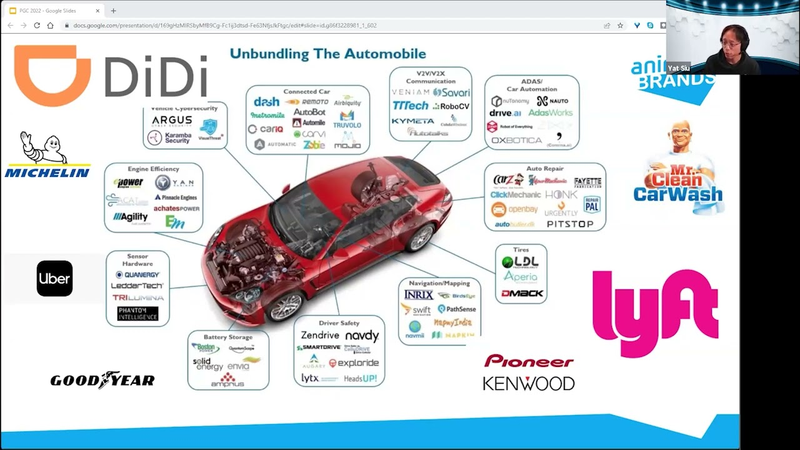
to data are in those worlds are you know doing incredibly incredibly well this is where we think non-fungible tokens as property rights becomes really a big answer to all of this because non-fungible tokens because they sit on the blockchain are basically our public goods that means that data can no longer be controlled by a single party or by a single entity in fact actually you know it keeps the system honest because we can now compose like open source freely on top of the uh the the ownership of others but in this case through digital assets whether it's user stories content creation or game assets ownership is the fundamental because through ownership we can have we can build platforms on top of it in fact it is because we can have ownership for instance in this case of cars whether they be digital which is what we like to do or physical it is it allowed for the growth of things like uber and lyft and car wash companies you know tire companies accessorization drivers the industry around automotive industries actually far far greater than the sale of the car itself and that's
because you're able to do so in a permissionless fashion basically people can innovate on top of it when you take a look at for instance what happened with axe infinity it wasn't ax infinity itself that sort of went into the philippine market it was a group of other people that eventually became yield guild games that innovated on top of the ownership of the axis to create a new business essentially like an uber or lyft on top of the ownership of others without permission from the platform which basically means that in this construct because of some blockchain assets can transfer and interoperate in other places the key important point here though is not that we have to as a game developer design the utility in another platform this is sometimes often misunderstood does it make sense does it not make sense should i use my sword in world of warcraft and then use it in some other game you know what what's the point on all of this that's not the point the point is that it's permissionless meaning that we now have the freedom as an end user as well as a service provider to conduct business you know uber did not need permission from someone who owns a ford or a tesla to
basically you know become become become a sort of a tool that can be used as a service provider nor do we need to have permission to paint our car red blue or white right we can do whatever we want because we have ownership which allows for new businesses to construct sort of in ways and creates innovation on top of it one of my favorite examples is the baby seat in the cars because your baby seats themselves happened 30 years after the car was actually created and what's interesting about this one it is somewhat a frivolous example because nobody in the car industry at the time would have said oh we need to have basically a device that can help transport toddlers safely from place to place but the baby seat now is a fixture in in the industry and in fact it has informed of the value of the car it has made the utility of the car more valuable because now it's a family device and eventually led to things like you know basically invention of the you know basically the need of a seat belt and all these other things that created on top of that so the ownership as a platform can construct and conform a value and basically is the bedrock of all innovation if i can't own my house
if you can't own your property can you get a 20 or 30 year mortgage you cannot financial services cannot be applied you know industries like ikea would not emerge right so the same applies here this has been missing in the digital world what that basically means is that basically all of us who used to be content creators in the gaming industry especially you know creating content that would be consumed but have you know no lasting value because you have no staying power because they sit in 10th century sort of you know permission to centralize databases that maybe we don't even control right now become basically actual goods we did dubbed this a few years ago uh four years ago we called this content as a platform right and so basically now we are content creators we become asset creators actually and these asset creators actually turn us also into all the social identifiers that actual assets do today right um when you buy something it is not just simply the utility it also says something about us everything that we wear every day physically whether the shoes you know they don't need to be expensive but we make conscious decisions about the choice of shoes or things we do or
clothes that we wear because we want to say something about ourselves you know of course this is a more extreme example on the sort of more luxury side of things but actually board apes recently flipped the value of birkenbacks right and what's interesting about this example is that actually when you buy this particular kind of social identifier right this jpeg as you will which is entirely virtual in value when you buy a birkin bag actually what is the value of a broken bag in and of itself right when you're buying it it's not because it's made of a particular material or because it feels nice 99 of the value is in fact virtual in its construct it comes from that network effect that is embedded non-functional tokens create network effects the value of them come from its utility the value of a car is because you have thousands of service providers coming to it if the car has only one utility the car would not be valuable at all and we wouldn't necessarily be interested in a sports car or in a different kind of car or in cars with nice leather seats because it only has one single utility but because we can freely innovate on top of these things you know we can create new value
on top and new innovation the property-wise movement therefore also means that you can derive new value from it you know i think you've already seen sort of earlier as well as afterwards discussions on all these various applications so i won't go into them but the bedrock of this is the fact that we have ownership ownership allows to have essentially you know platforms like you know what yield guild games did in in the philippines a kind of rental sharing arrangement or you can have collateralization of nfts because now i know you truly own it and you can't i can't take it away and i can get the long-term capital benefits right you can stake them you can yield them you can mortgage them right these are all services that third-party companies can now compose freely on top of it so we think the metaverse has very real parallels to the real world there is no particular difference in terms of how property rights are constructed basically in the physical world that they ought to be different in digital world except that in a digital world up until we had blockchain we weren't able to actually truly own the assets and had the rights towards them so i'll close with a few thoughts here which is basically when you look at the physical world property rights actually are the
foundation of two main things one economic activity the kind of countries that have basically the best property rights tend to have the best gdp capital per income and also have the best democratic frameworks out there because actually when you know property rights and democrat democracy go hand in hand in fact actually the places that have very strong property rights also have better democratic frameworks versus the ones that don't right uh and that's because yes energy you know in those places when you act you know you have a minority interest the more distributed for instance property rights are across a society the better the democratic framework is as well because there is a reason to defend it as well and democracy is protected because there's a reason to do so hernando de soto is a sort of you know a very famous uh economist if you're interested in this topic it's worth taking a look at you know he he yeah i just wanted to quote this because basically he talked about the billions of people who have the full rights to live in the property and they live basically um you know with liberty and democracy right but for the billions who do not have such rights you
know they are unable to leverage their resources to create wealth it becomes debt capital right and they're unable to generate income or growth and so one of the things here is that when you actually in sort of in inject property rights in any of those societies then actually what happens is that it unlocks that capital and creates value and that's a perfect example of what's happening in things like play to earn or in other areas of blockchain because really the property rights unlocks the debt capital that was always there the energy that we see in free-to-play games you know which is essentially the 97 of people or more that essentially spending their time for free is a form of debt capital it is our energy it is a time that we're spending playing these games for which we do not get paid for maybe we don't want to get paid for but there is actual value for that right that value needs to be given back to the kind of people that are spending time because we are adding to the network effect 3.2 billion people are making game companies richer more powerful and not sharing anything in return that is dead capital by unlocking it new innovation can build on top of
that and in in closing on this one we we like in the meadowverse a little bit like you know what happened when china entered the world and what's interesting about this is that when this new economy where this new driver came in actually what was interesting is that it didn't just grow china as well and gave them basically more property and more more sort of more rights and and more freedoms you know in terms of the growth of the economic economics that were there but the rest of the world benefited as well because of you know goods that were being produced jobs are being created opportunities that came into that basically the opportunity essentially of a mass sort of new wealth basically that came into the rest of the world had equal sort of growth opportunities elsewhere so we we think of this in the same way uh with the metaverse and this is the reason why as animal brands we have a strategy where we don't just actually sort of build our own products which is of course you know um great like the sandbox or gaming rev you know limpo and all this all the other projects near phantom galaxies but we also invest heavily in what we call
you know sort of the open metaverse anything that relates to building sort of open platforms because just like the example we gave with the car earlier and many other kinds of property they all in form of each other's value because they all openly compose on top of each other and it is not up to us as game developers to decide how it gets composed it is up to the creation and the creativity of everyone else to come with new ideas as we have seen in history before thank you [Applause] thank you that was that was fantastic that was a really good overview um i don't know if we have any questions in the room we do have have a few i assume you can hear the microphone yeah okay first question then yeah it's really great that you've actually been able to join to join us here my question is you talked a lot about interoperability the fact that we
are in control of our assets how would you think gaming companies will combat this issue of us for example minting assets on solana or wax and then these games that are supposed to accept those assets discover those assets being based on polygon or some other chain okay so this comes down to authenticity right so basically i know the example i i would say is is very similar to you know a fake rolex and a real rolex right in fact you know i i usually live in hong kong right now i can't go back because of covet but you know hong kong was quite famous for fake rolexes right which is not a great thing to say uh but what's interesting about this is that people don't go around saying oh you know i had a fake rolex um that's great right most people buy a fake rolex or fake anything because they actually want the real thing and they they want the authenticity of that and so the same is here if you are the original game developer and you are the one who let's say minted something on wax or solana or even on polygon right
and someone created a forgery a fake the contract address actually stipulates what is real or what is not right and so the network effect actually what happens is that the network effect of the true asset which is the one that you can use in your game is yours right if someone makes a fake it may look exactly the same but it doesn't work in your game which basically means you can import it which also means that if another game company said oh i want to use that asset myself right it doesn't have the same effect it doesn't have the same value because it's not interoperable because you will immediately reject it because it's not actually authentic right and i think this is the power of blockchain in and of itself which is that you know it is it is not so much to say that you um you can't copy something in fact you know artwork and works and you know code and all these things get copied it's about the origination what is authentic and therefore if the community knows what is authentic in this case blockchain makes it so at scale then we can also easily reject it right okay
um how do you square the circle of uh decentralized assets on centralized networks so you know we own the assets on the networks but then the networks fundamentally own everything so how do we get around that so i think the parallel here and i think a lot of people look at openc and say oh isn't that kind of centralized right and so i think the interesting thing is that the data sits in your wallet right in terms of the actual nft and the assets sit on the blockchain and so does all the transaction records so you can audit the entire history and the trail the interface which is the front end like an open c interacts with it and creates some value and allows us you know a smooth interaction or maybe not so smooth sometimes in terms of those transactions right so that's sometimes what we view as a centralized aspect but the assets still sit in our meta mask now what's interesting is that because the data is open we can composite it freely without the permission of open c in fact if you look at what happened with looks rare or sos you know basically um and how they did vampiric attacks on openc it's a perfect example
of how despite the fact that openc maybe appear to be actually a closed ecosystem it is open because they can easily say hey all of you who have basically traded on openc with this kind of value or this kind of asset you know for the last six to 12 months i'm going to give you some tokens in return for you to come to my platform it's as if ebay or amazon had their entire database open for everyone to to work on and there's nothing you can do about it right which what does that mean it means that we have more freedom of choices if openc doesn't do something that we like guess what thousands of new marketplaces will come up and emerge and develop something and we as customers benefit from that it also means that actually as a platform you know openc and those kind of companies need to do a better job in retaining their customers not because they create a walled garden to trap us into it and make it expensive for us to leave but because they have to continue to provide us better value so that we stay there because the data is with us right so i think there's a distinction between the front end which seems centralized but at the end of the day as long as the assets are on chain and the audit trail is on chain which is what
you know everything on blockchain is then actually it is decentralized um following on from that so um i guess i probably know the answer but i'm interested so some of the discussion today has been um about you know particularly for games we want to focus on user experience and frictionless kind of access and going mass market and clearly that sort of tips into you know do you own your private keys is it custodial non-custodial so so where do you sit on that because because your argument which is very so lucid and and sort of philosophical and broadly i agree with but but clearly there is there is a sort of a thing there isn't there about that works really well if we will if we all have our own metamask then the world sort of works in your view but clearly i assume that we think that's not really going to be the case so how do you square that so i so i'm kind of sitting on the camp where i think you know you know decentralization is a little bit like defending democracy right there is some inconveniences around that when people talk about the cost of a network the challenge about the cost of the network is that they can't come for free democracy is not free right we have an institution to protect that we have a
layer that is not straightforward because we need to be able to do that opening a bank account kyc aml is not straightforward easier i would argue that actually opening a bank account is way way harder and more complicated than basically opening up a sort of a blockchain wallet you know philippines is an example of this right you know in rural philippines more people have a crypto wallet than they have than have a credit card and one would argue wait those people don't necessarily have university college education they're not the kind of people that you know would normally be a target market for people that have money and yet here we are fastest growth market you know for metamask would be places like the philippines for instance right so i think i think there is a distinction there between sort of you know the implied complexity right which i don't think is as complex as perhaps we think it is in fact starting games and game tutorials are probably much more complex right and and game developers are masters and game designers are masters in essentially uncomplicating the complex shall we say for consumer adoption now there is an argument here around people you know particularly for people not born in this world as we say or sort
of emerging that they want something that can take care of it there's custodial services and so on the main point here like democracy is you don't need every single person to vote you just need enough of them to basically to vote right and in that context it's the same you don't need the whole world to sit in a decentralized platform but you need enough of them right if 20 30 or even 40 of the world sit in a decentralized world then the market economy the size and the infrastructure is so large that you're forced to basically build on open as well which means that the centralized platforms are kept honest the issue is that we moved all of our data to centralized platform when we went from web one to web two which basically meant that suddenly they had control facebook didn't start up saying oh we want to take over the internet they just happened to get to that point and as the classic case is absolute power corrupts absolutely when they had the power they only they acted in their minority interest against the majority the whole point is that we need to stay decentralized enough so that the majority can continue to protect this interest we have one more
no i've been told sorry no no more yet that was fantastic thank you thank you [Music] [Music] you
Summary
The open metaverse is fundamentally defined by the transition from Web 2.0, where users lease digital experiences from centralized platforms, to a Web3 model where non-fungible tokens (NFTs) establish true digital property rights. By enabling genuine ownership of assets, blockchain technology empowers users with economic freedom, governance, and control over their own data. This shift represents a move away from digital colonialism, where platforms currently monetize user labor and attention without providing equitable compensation, effectively treating users as digital serfs.
The core thesis posits that property rights are the essential bedrock of innovation and economic growth. Just as physical property rights enabled the development of complex financial services and secondary industries, digital ownership allows for permissionless innovation. When users own their digital assets, third-party developers can build new services—such as rental markets, collateralization, or interoperable utilities—without requiring permission from the original platform. This creates a network effect that increases the value of the assets for all participants, mirroring the way physical property ownership fosters broader economic activity.
The industry scope encompasses the global gaming sector, which has grown to 3.2 billion users, and the broader digital economy. While centralized front-end interfaces may still exist, the underlying data and audit trails remain on-chain, ensuring that users retain control and can move their assets between ecosystems. Addressing concerns regarding mass-market adoption and technical complexity, the analysis suggests that the convenience of custodial services can coexist with decentralized infrastructure. Ultimately, the goal is to maintain a sufficiently large decentralized user base to keep centralized platforms honest, ensuring that the digital world remains an open, competitive, and equitable environment for all creators and participants.