1 free read left. Create a free account for unlimited reading + AI research.
Create free account
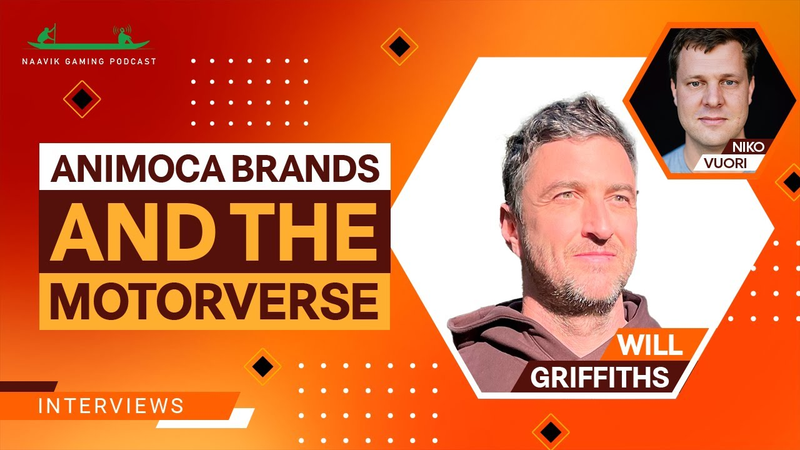
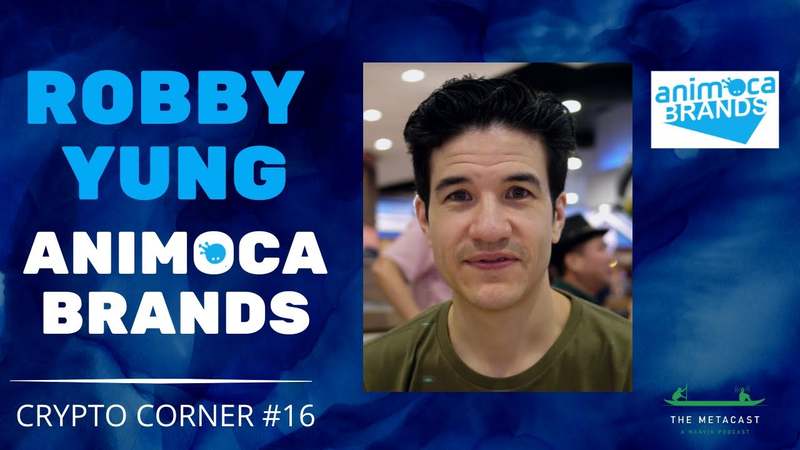
The Metacast by Naavik: Crypto Corner #16 - Robby Yung, CEO of Animoca Brands
Key insights
7 takeaways- 01Blockchain integration shifts gaming from a consumer-based model to one of digital ownership, allowing players to retain residual value in virtual assets through secondary markets.
- 02The long-term vision for Web3 gaming includes content interoperability and community-led governance, enabling ecosystems to persist even after original developers cease support.
- 03Current wealth concentration in blockchain networks is categorized as a transient, early-stage characteristic that is expected to decentralize as user adoption scales.
- 04Animoca Brands functions as a strategic architect by prioritizing an open, multi-chain ecosystem that emphasizes content portability and shared utility standards over proprietary silos.
- 05Animoca Brands advocates for proactive regulatory engagement, viewing the eventual taxation of in-game earnings as a necessary step for the legitimization and sustainable growth of digital economies.
- 06Web3 gaming is positioned as a tool for global financial inclusion, lowering barriers for entrepreneurs and creating decentralized economies that provide supplementary income.
- 07Intellectual property rights remain the governing framework for playable assets, ensuring that tokenization does not alter existing legal protections for creators.
Ask AI about this video
Transcript
[Music] hello there listener and welcome to the metacast crypto corner brought to you by nabik i'm your host nicola or nico for short and today i have the absolute pleasure to be joined by robbie young ceo at animoca brands robbie welcome and thanks for joining me hi nico thanks for having me it's great to be here and i'm especially excited to have you on because as a member of the crypto gaming team at bitcraft i often get asked a lot asked a lot of very difficult questions and now i can just you know pass this over to you and get your thoughts um yeah let's dive uh right in um how do you usually describe any boca brands to somewhere to someone outside of the the crypto and the gaming industry sure um i think um the short and sweet is i tell them we make games and then and then i think i think what i try to
do is you know i say to them what we're doing is we're making games in a new area which is which is at the intersection of blockchain uh and entertainment because blockchain games are kind of a new thing um you know for most people but for us i think it's it's what we live for at this point because for us it's a very very exciting time where games and the internet in general are undergoing a huge transformation as a result of the implementation of blockchain um so we think that we're kind of on the cutting edge of of this transformation with in the game industry couldn't agree more but uh animal brands wasn't always so focused on blockchain gaming right um at some point a few years ago you made a pivot could you tell a bit more about one what you were doing before that and then why you decided to make this sure um so we've been involved in games in one way or another for a very long time probably 20 years and more so for for yat our co-founder um and
we had you know we'd made some pc games and console games but that was not the primary business and then in twenty two 2009 um we officially you know um yeah the co-founder sold his previous enterprise messaging business and focused exclusively on games and as you'll recall that was the dawn of of mobile so the focus there was to do mobile gaming and we were primarily a casual free-to-play studio and so we built i think quite a healthy franchise around casual free-to-play games on mobile particularly focused on the area of brands hence the name of the company because one of our key strategies was partnering with licensed brands so we would license their ip and we would create original games featuring their ip and in fact that's there was a similar strategy pursued by a company called pixel that we acquired many years later um with whom now we have made a product called the sandbox so we share that that dna i guess in
terms of our backgrounds and in 2017 we had the opportunity to partner with um a company called axiom zen who was working on a hackathon project of creating a game on blockchain and and that game turned out to be cryptokitties so we were uh the publishers of cryptokitties in greater china um partnering with them on that project um and it was kind of our introduction to the possibilities of using blockchain and games and it was i don't know i think i guess it was kind of life-changing for us because it was one of those things that when we saw it we were just like well this this just makes sense you know we're we're not asking consumers to do anything different we're essentially saying look you know come and buy your virtual currency and spend your virtual currency for virtual items in our game and it just so happens that virtual currency is a fungible erc20 token and those in-game items are nfts playable nfts but at the end of the day we're not asking consumers to do anything new just
have a better experience um and i think that really resonated on the one hand and on the other hand you know we're game developers we're mercenary we're always looking for new way new revenue streams and so i think the other thing that really dawned on us was that in the wake of that sort of ico boom of 2017 um there were you know lots and lots of customers around the world holding tokens in projects that had yet to deliver any utility and so we thought look you know if we make games that accept tokens will they spend their tokens in our games and you know it was really a hunt for new streams of revenue i think that drove us in that direction and and that was how the idea started and so it was quite simple at first but then you know as we came to understand the technology more and as the industry progressed i think it's become something much bigger you mentioned to the ico boom um this is a question i've been i've been thinking
about quite a lot and i'd love to have your thoughts how much do you think the current crypto gaming boom is influenced by the profits that people have made that were just you know early and lucky in you know ethereum or bitcoin or other projects during the the 2017 era so i think it actually it does have an influence for sure but i think actually the much bigger influence is the general interest in crypto as a result of inflation from pandemic government spending i think that's the big one because i think that that's been the biggest boon to overall crypto investment particularly bitcoin and to a lesser extent ethereum and so that's kind of been the rising tide that lifted interest in crypto and then once you start looking at what you can do in crypto well you know bitcoin's not very exciting you know you buy it and then you sell it and then you buy it um but games can be fun and so it's a way for people to um
to engage with with an interest that they have yeah totally like myself i uh i got into crypto through bitcoin as an economist i was very much you know i saw myself in the austrian economic side where you know anti-inflationary um and just bitcoin made a lot of sense um talking about you know all of the new possibilities that blockchain brings to games what excites you most i i have written down like shortly like a non-exhaustive list you have real ownership of game assets you have community player ownership of the game itself through governance tokens uh there's the potential for interoperability um composability what do you think is key for you um what excites you most about what blockchain can bring to games so all those things are cool um but i think actually the most exciting thing is the idea and this is going to be really boring and i'm going to show my age here but the most exciting thing is that the idea that when gamers spend money in
games they don't lose it all it's just that simple i think it's the idea that when i play a game i can actually now recycle my old digital content just the way i used to do with my cartridges or my dvds or my cds there's a secondhand market for my digital items and and i think this is important because it's nowhere near as sexy as content interoperability and all that other stuff but the fundamental benefit of ownership is that there is some residual value in what i buy and i think there's been a lot of focus from the market on the speculative aspect oh i'm going to buy this piece of rare content and it may go up in value but i think actually the the sea change for the industry is the fact that if i spend a hundred dollars on a game i might get one dollar back because today i'm guaranteed to get zero and one dollar is a big deal because when you think of it on an industry-wide
basis if that means i'll increase my spending in gaming by 10 because i know i'll get 10 back at the end of the day then we've just moved the needle by 20 billion dollars as an industry so that's a big deal that's interesting is that for you already enough of an advantage to bring blockchain to the masses or do you just think this is the most important part um but you know we need to make full use of the other benefits that uh blockchain brings us as well so i think that that's the one that we can assume i think the base case is that this is going to grow our industry by double digit percentages you know and and i think our industry has been searching for growth um frankly because um gaming has become so difficult for all but the very biggest or the very smallest players um that everybody in the middle has been squeezed to the margins and and i say that as having been somebody working in the middle for a very long time and struggling there um
and and i think that um that's that's the that's the base case of what we expect to be delivered and then when you layer on top of that the idea that as you said you can have the potential for content interoperability which can have you know incredible consequences for the amount of fun that gamers can have the idea that i take something simple you know i'm i'm i'm not a big mmo player myself or anything but i always loved racing games and one of the things about racing games um is that historically they've always been siloed you know you always have a formula one game where you have a you know you have a rally game or a moto gp game or something like that but now with content interoperability you can mash it up and that's part of the fun that users have i always want to know what it's like to drive a rally car against a motorcycle in downtown tokyo you know so that's because that's what games are about that's what the fantasy and the fun is
about and the fact that you can bring your content around from environment to environment i think will it will be something that will become so natural over time that people will wonder how they just you know experienced games as single player individual environments in the past i'm a playing advocate of the devil here just to be sure go for it but you talked about you know ownership of games and the fact that you when you you know buy a game you you still have a chance to get something in return um a lot of people start considering that together with scarcity as an investment opportunity um aren't you too concerned that thinking about economics and money and investments too much will take away the fun from games not at all because do you think of it as an investment opportunity when you buy a car a dvd for your xbox i mean if there's 10 000 of them maybe well there are but they'll keep making
them i mean they make special editions and things like that but i think manufactured scarcity is something that we've always had in games but i think one of the things that has been problematic is that often you find that you know for example in in-game items there's manufactured scarcity of a particular booster or a particular sword or something like that but then what happens you know six months later the developers looking for revenue so they make more they make the next scarce item and then they make the next scarce item and so it's really a kind of a false promise i think that people will often speculate on things just like you find people speculate on physical trading cards like panini style trading cards but fundamentally that's a certain type of user who i think you know is combining passion with whatever their own belief that something may be more valuable later just like people who buy
collectible stamps and all kinds of things like that but i think for the mass market i think what we're doing is we're presenting an opportunity to participate in an entertainment ecosystem that's much more fair to the player because at the end of the day we're democratizing access to to games and entertainment through this new medium i think one of the things that you mentioned which we didn't touch upon yet was this idea of player-owned economies and that's a very very powerful idea um the idea that you know there can be some first of all there's going to be a great deal of ownership and to a lesser extent a measure of governance and input by the community because i think one of the things in games that's um been difficult for people who are really passionate about certain games is that they generally have a limited lifespan because developers stop supporting games after a certain period of time when it either becomes not economical for them to continue to do so or sometimes the developer just
gets bored and they wanna you know the team wants to work on a new project and move on but for the players who are part of that community what do they do you know once they've played the game there's no new content coming out necessarily and you've got all those people there and they are a community but they're a community with no power because they have no agency over the future of their shared interest whereas in the case of a game that has you know community ownership through a dao or some other blockchain based mechanism they have the ability then to have an actual economy so if the developer gets tired of supporting the game you know theoretically it's possible for them to hire a new developer to support their game for them because it puts the community first as opposed to the whims of the developer and that's actually i think a much more fair environment for players how realistic do you think that is that you know another developer is going to
be hired by a community to continue working on the game i think it's very realistic for successful games because successful games will have the financial power to be able to do so and if you imagine if you think in your mind of you know what a successful game looks like those handful of games that people do esports with you know league of legends world of warcraft etc any one of those communities could easily hire the best developers in the world to work on their game because they have such large economies in-game economies and with blockchain we turn them into actual economies so you know there's millions of dollars there to go and spend on development resources yeah that's true where do you see um you know you set a bunch of benefits of blockchain gaming where do you see this go over the next five years we're still early today um and and what part of the gaming industry as a whole will be you know touched sort of say by blockchain games by blockchain technology sure um
honestly i think all of it will i think it's just a matter of time i think it's a bit like it's a bit like when we introduced the internet to games you know um at first we we thought it was more of a feature to have an online game and now all games are online because that's just the way it is and the same thing happened with multiplayer and etc so i think that blockchain will just become part of the plumbing and it will cease to be a feature um you know somewhere three to five years from now and it will just be part of how games are and i also think that the mechanics of using blockchain will recede further and further into the background of user interface design so you know we'll abstract things like wallets and the you know the way in which we possess and um and import and export owned content i think will all evolve over time into much more user-friendly fashions right now i think we have a a variety of
different systems that have been you know built as siloed projects and people are working really hard to try to smooth those interactions between ecosystems and chains and projects and and it will happen over time i think the most i i get them the most excited when i look at the amount of progress that we've made as an industry just in the last two years since we started to gather gardener mainstream attention and when you look at what happened what's happened in that period of time i think you know i get very excited about what the next two or three years holds because the pace of progress is is astounding i agree um how do you see current free-to-play evolve like with you know in a blockchain gaming world where we're like how does free to play work sure um i think that i'm i'm seeing lots of teams now experimenting um one of the areas that i
see more traction on at the moment is experimenting with trying to keep um two different types of communities engaged in a in a game economy at the same time so a free-to-play community and essentially a blockchain community this is happening more on mobile i find and the idea is to try to find a way to onboard users who may be firmly web 2 users and not neces and kind of think of how to migrate them into a web3 experience so for example one of the things that we did is we have a we have a studio called gamey that's created a series of mobile games called arc8 and the idea was to take a suite of casual games and offer blockchain-based rewards um as prizes for people who have achievements in the games and people who are on the top of the leaderboards so it's more of a traditional incentive scheme in um in traditional games
but what happens is that those blockchain-based rewards um can then be spent on collectible nfts and and the collectible nfts are you know they're robots with parts and so you can collect all the parts and build them and so there's a whole collecting mechanic there which is kind of a meta game layered on top of the core casual gameplay and then once you collect those robots then there's going to be another game subsequently which you can use those robots in which is more of a mid-core style game so the idea is to see if we can bring users on a journey onboarding them through a relatively casual experience and then interesting them in blockchain by giving them rewards and then interesting them in nfts by giving them something to spend those rewards on and then interesting them in a more you know in-depth experience because here's how you can use those nfts that you have i like that strategy taking a step back um animoka has
been making a large very large number of acquisitions and investments over the past years um could you talk a bit more broadly about your strategy within the blockchain gaming world what are you building with with the company sure so i think first and foremost one of the things that we want to do is we want to ensure that there is an open and multi-chain competitive ecosystem environment so we you know very much try to put our money where our mouth is in this philosophy and support projects across the ecosystem regardless of what chain they're on regardless of what kind of environment they're developing in because we think that this multi-chain ecosystem and having interoperability amongst chains is very very important to the health of keeping everything open because we think that's where you know the success of blockchain has come from is this idea of open and composable assets the idea that you know
we don't we we build great products but the ability to innovate on top of our neighbors products is also a key superpower of blockchain and the open source community and and so our investment strategy has been similar to that you know we invest in um game companies for for the purpose of majority investments that's growing our studio business so we will acquire game studios who make great games but in terms of our minority investing activity those are strategic investments where we invest in companies that are essentially building great stuff and enhancing the ecosystem so we'll invest in other game companies who are building great web 3 games or web 2 game companies where we can partner with them to help them on that journey to web3 or what we call ecosystem investments where they are you know kind of the picks and shovels of the blockchain game industry people who are making you know layer 1 chains layer 2 scaling solutions wallets
defies you know protocols things that we would either be partners of or customers of or who could benefit from working with other companies that we've invested in how actively do you try to orchestrate intra interoperability in between animoca brands and companies you invest in uh every day it's a it's a constant struggle to try to do as much as we can and i think that it happens on many different levels and obviously the the sort of holy grail is being able to have true content portability between environments and that's the hardest we're currently working on that with several of our titles but i think it's you know it's much easier to foster cooperation for example of companies that are building tools and building games for example and putting them together or
company or doing things like fungible token marketing events staking events and things like that where we can cross-pollinate game communities so we try to do as much as we can if you know your job is to foster that within the companies you invest in how likely do you think it is we'll see interoperability in between you know projects and games that are completely unrelated oh i think it's very likely i think the the key aspect is for us as an industry to try to establish certain kinds of standards because that interoperability is going to require those standards in the short to medium term most of it is going to take the form of individual agreements between game environments so for example you know we do a lot of interoperability between the sandbox which has a lot of traction at the moment and other titles
but the sandbox has a very different art style than most other titles and so interoperability has to be thought of through the lens of well how do i take my you know immaculately 3d rendered item in one eye in one environment and bring it into the sandbox where it's a 2d sort of pixelated art style and what does that mean is there a translation mechanism for it or does it happen on a bespoke basis just between these two games and how do i handle things like you know the amount of the amount of power that my character has in one environment does it then become powerless when i bring it into the other environment so there's a lot of things that need to be thought about and as an industry we're working on it but i think it's so early still that we're all you know trying to do that while juggling getting our own products right to begin with yes and also communicating to the broader gaming industry that blockchain technology is not the devil yes destroy fun in games yes exactly
yeah um what is the value proposition that you present to companies you want to invest in i mean um i'm an investor in the gaming crypto gaming space myself i know that there's a lot of money looking for you know productive use in good games right now um what is what like how do you you know sell animoka brands as an investor to a potential sure company i think i think for us it's a relatively easy sale compared to pure financial investors because we do represent something different which is we're a builder so we make games and we understand the challenges involved in making games and we understand the challenges for traditional game companies making that journey to blockchain because we've done it ourselves and also i think for people who are relatively early on their blockchain journey we represent a reasonable amount of
experience because you know i meet with companies every day who ask me oh which blockchain should i build on what wallet should i use all of these choices because there's so much technology available and we have the ability to you know to say to them look we would recommend x y or z on the basis that here talk to my studio who just implemented this last week because we just built a game on polygon or we built a game on solana or we have this thing going on immutable so you know talk to them and find out firsthand what their experience is and oh custodial wallets okay here talk to this studio because we just built this over here for that and and i think that kind of experience is something that's very helpful for companies and i think really differentiates us as a as an as an investor you know not just providing capital or or high-level introductions yeah makes a lot of sense what do you look for in a company or team um or a game to invest in
um i think first and foremost i think there has to be a shared philosophy meaning we have to be comfortable that they really understand what it means to put blockchain into a game and to build a blockchain game and and i say that because you know there's been an increasing number of traditional game companies who are now putting blockchain into their business plans to fund their games and you know fair play that's it's a great way to get funded at the moment and i would do the same but i think in talking to those teams some of them have really embraced and understood what it means to build in the blockchain universe and others still don't quite get it they're basically just putting you know creating in-game items as nfts but there there's no interoperability there's no you know there's no sense of being part of a wider community and i think that's what blockchain is at its heart
so i think we look at shared mindset from the team obviously experience and and access to resources because you know blockchain development resources are extremely scarce these days and an innovation i think you know like everybody else we love to see great ideas and i think we're still early enough in the cycle that i see completely novel concepts all the time and that's exciting i agree i still we i i think i believe we still haven't found like a game that uses blockchain to the maximum to like the full extent and all of its possibilities i'm very excited to discover it um [Music] how do you think around when making investments um tokens versus equity um what is your do you have a general stance as a company or is that something you decide on a case-by-case basis i
guess it's a case-by-case basis although um we would i think we believe very strongly in a path tokenization so i think that we would probably be less interested in in a pure equity investment where there was no intention of tokenization in the future just because that doesn't feel aligned with the overall mission makes sense do you see a tokenized world where almost all company equity will be in some way you know put as tokens on the blockchain and way more freely interchangeable yes for sure yeah and i think it's just a matter of it's just a matter of regulators financial regulators um agreeing on standards i agree because there's going to have to be regulation i mean if people are tokenizing their equity you should be producing prospect financial
prospectuses and screening investors i mean there's a process for this so that you don't take advantage of people but it there unfortunately we don't have great standards for that yet but it we're getting there we're getting there are you actively talking to regulators about these things we we're always talking to regulators yes well because also we feel like it's incumbent on people who are you know bigger players in the sector to be always doing that to help push the space forward we need to do that because i think if we don't educate regulators what we end up with is poor regulation because they don't understand exactly what we're trying to do and we need to impress upon them that we're not bad actors you know this is just new technology and it's a new way of doing something but it you know it should be embraced for all the great things it can do on one hand i i understand that regulators get concerned when you know governance tokens are sold as securities um to anyone who wants them and but on
the other hand i think you know i can see a world where a lot of people earn quite a lot of money just by you know working in the metaverse and perhaps even playing games um do you think we'll be paying income taxes on our slp um gains yeah in future yes i think so well and i think it's i think it's fair that we do um you know because a job is a job and so we have to have a we have to have a foundation of of law and what it means to have a job and to provide those services um i think we're just starting to now blend on and offline worlds i do think though that along alongside that your taxes should pay for your internet connection and everybody should have an internet connection so i mean there you know there's give and take um so but definitely yes definitely yeah i agree we talked about you making investments in in tokens earlier um one of the advantages of tokens is that they're
more easily liquidatable in as like compared to just private equity um how do you as a as a company think about you know potentially at some point you know you you you're vested you can you can sell your tokens um how do you think about that how do you manage um these kind of things sure with in the networks you invest in um well simply put um we don't we don't really sell tokens um so we're we're long-term holders um and this is because i think that you know it's still too early to have this conversation from our perspective i mean this is more a conversation for several years from now just because we think everything is headed in one direction which is up um and so we're very bullish on the sector the other thing that's different about tokens is that tokens do have utility so being a token owner is not just necessarily a buy and hold experience but to maximize the value of
being a token holder there's work involved so you need to you know if you've got that slp you should be staking it or you should be generating axes you should be you know investing in the ecosystem to maximize your return from being a token holder being a passive bystander is kind of missing the trick so i think that for companies who are managing um you know crypto on their balance sheets that's a very active role as a very as opposed to a passive role so does that mean that you have a team that's responsible for actively managing your liquid positions staking and all these kind of things yes that's really interesting okay cool all right my next question um it was going to be a relatively open question but i decided to spice it up a little bit and and make it a bit harder for you um it is a would you rather question and so the question is would you rather only built on ethereum including all layer twos and side chains
or never built on ethereum building any other layer one and and and you know so that's the question you can take some time to continue i i think honestly if if that was a you know if it's a binary choice like that today then obviously it would be ethereum and and layer twos and but that's not a function of technology that's actually a function of liquidity and where the market is because at the end of the day you want to build products where the customers are and that's the most important thing and most of the customers have congregated around ethereum for various reasons they have the most it has the most momentum um i don't know that that's going to be you know permanent um but at this moment in time yeah it's where the customers are i agree it's um one of the foundational strengths of blockchains is this concept of composability and i think you know composibility being able to take code and just reuse it for whatever
application you want it yourself um and it feels like it's that composability strengthens network effects even more yes because the more developers you have on your chain the more code they write the more solutions they build the more composability and the faster you can evolve i absolutely agree yeah but you still you do see a multi-chain world where um you know you have the ethereum ecosystem and then the solana ecosystem oh for sure for sure i mean you know because also ethereum's not necessarily the best technical solution as people are very very quick and eager to point out um and and so i think it is possible that better technical solutions will come come by and but it will be it will take time for the market and users to adopt better technology in lieu of you know liquidity so if you look at how many great auction sites are there on the internet but people are still going to ebay because
there's a customer base even though the ui may be you know circa 1998 yeah yeah um my next questions are slightly more philosophical but i'd love to have your thoughts on those um why do you think web 3 is important not only for games but also for the future of the internet more broadly sure um i think it's all about democratizing access and it's about it's about financial inclusion so i think the thing about web 3 that is um extremely exciting i mean i'll give you a i'll give you a personal example so i've you know i go to conferences and and meet people who are developing in the space and having been to technology conferences for 25 almost 30 years this is the first time in my career that i meet entrepreneurs from the african continent at conferences and that says something you know why why are
they coming to conferences now and they never did before well it's because blockchain actually has lower barriers to entry than pretty much any other technology in the past and it's because it has finance built into the box so to speak it doesn't you know you don't have to have access to venture capitalists from sandhill road you can build a blockchain business and you can fund it over the internet and you can create great stuff basically in a bubble somewhere with an internet connection with no no other financial infrastructure around you it's why you know i think that that stat about axi infinity you know having spawned more slp wallets in the philippines than there are credit cards i think that says it all um and and it it changes everything it changes things like like the idea of what it means to be an esports athlete because you no longer need to live in a big urban center where you can get sponsorship to support your your profession you can just be the best at a game and
win the prize pool at the end of the game and still sit in your parents you know in your parents front room and playing that game so i think the idea that this extends um financial inclusion into every corner of the internet um is is i mean it's amazing frankly we're we're just making games which is far less important than than the import of what that means yeah that's true how do you think about play to earn uh play and earn blockchain gaming as a potential solution for ubi or universal basic income um i think that the idea of it as a supplementary income source is tremendous and to be able to be able to participate in game economies as as a kind of a gig economy alternative i think that's great i mean the idea that you can go and spend time working
in games rather than having to you know deliver restaurant meals or do some kind of potentially more hazardous outdoor work i think is a great option for people and so i think that that will definitely thrive and you say supplementary income um the way i look at things is i can see a world where through technology and automation more and more people will not be able to you know find a traditional what we consider a traditional work um do you see games as a potential you know replacement of these these traditional jobs where people can you know spend the majority of their time working possibly yes yes i don't know i don't know how pervasive that can become but yes absolutely because i think that games are just a form of interactive entertainment and to figure out how to how to work with people at a distance is something that we've been doing since
the 80s you know since the idea of outsourced call centers and more and more work behind the scenes of websites and businesses that we transact with online is happening in a decentralized fashion and so what blockchain does is it enables that to happen on an even more massive scale because you can essentially now decentralize your entire organization to the point where you can pay them directly to their computer and for their piecemeal work and so i think that that work can take many different forms and entertainment is is definitely one of them i mean if to give you an idea one of the things that i always found interesting was that um in big chinese game companies um you know china has some of the biggest mmos in terms of in-game economies that have existed and and whale management of those high-spending players was always a very key component and because of the economic dynamics meaning that you know
average wages in china were relatively low compared to the amount that whales spend in games you would have individual groups of players who would just be paid employees of the game companies playing against the whales because it was their job to make the whales experience as good as possible in the game so when they're playing in the game they're actually playing against the staff essentially in the game because they're subsidizing those people playing and that's actually no different interesting that's a really good story i didn't know that it makes a lot of sense and it also answers partially my my next question that i was going to ask what is which is you know how do you see a significant part of the player base earning money from a game becoming sustainable right where is the value being created um and is your answer to that what you just said that you have one very small part of the player base
which essentially um you know funds the others because they're the whales and they are willing to spend a lot of money on it yes i think there's that and i think there's the idea that if we're really building a metaverse then you're gonna have in-game economies that are very complex so it's not just simply going to be you know one person fighting and one person defending in the old-fashioned sort of view of games but you're gonna have complex in-game economies much more like i think if anything has shown us the way it's probably something like eve online because that's a sophisticated in-game economy that is essentially a blockchain game that's 20 years old if you will because that community has been coordinating themselves on a mass player basis to perform tasks for years and i think we'll see the same in a lot of blockchain game communities where it's not just fighting games and battle games but it's city builder games it's games where people are simulating what we do in the
physical world and as part of those simulations they're doing work and people get you know and and so there will be players who get enjoyment out of the fact that they're working you know lots of us have many hobbies that other people would consider work but we find them pleasurable yeah totally um i know you probably were aware of this um there was a lot of contention a few months ago around this centralization of web 3 where there's a lot of you know small number of players who own a lot of the different networks because they were early they invested early there's you know if you looked at centralization of a lot of you know just blockchain networks like ethereum um it's it scores pretty badly on the uh the genie coefficient um of centralization of that you can calculate for a country what are your thoughts on this is this something of concern to you no i think i think it's just a reflection of the fact that we're still
early and if you think about it um you know the flippant comment would be well it's not that different from the physical world but i think but i think that it's just a reflection of the fact that we have so few users i mean honestly when you think of it's hard because we live in a bit of a bubble focused on this industry but this is an industry that attracted what 20 billion dollars of investment last year and uh and there are apparently about four or five million players so it's a very very small industry and as you think about bringing on another 100 million players all of a sudden that ownership decentralizes very quickly that's fair yeah how do you think around digital property rights and ip within the world of web3 sure this is something i i've been thinking a lot around a lot and it's it's complex sure um it's actually um it's relatively clear the idea is that
it needs to be you you need to think about it in a way that still works within the framework of intellectual property and copyright law that we have because your ability to enforce copyright is founded in in law and so when i think about nfts and this is how i explain it to licensors that we work with when you create an nft that has you know an nft isn't enough it is in and of itself an end product which means that for example i can excuse me i can go outside and take a picture of my car and i can make it into an nft of a photograph of my car and i own the copyright to that photograph because i created that photograph but if i want to make a playable nft in my you know rev racing game of my volkswagen van that's sitting outside i can't do that because i don't own the ip to the design of that van
i can take a photo because i own the van and it's my car but i don't own the ip of the car i only own the car and there's a difference and the same thing happens with the nft so that i can sell an nft of that car um only if i own the copyright like a 3d model of the car as an nf playable nft i can only do that if i have the copyright from the original creator of that intellectual property because otherwise if i don't have their permission then i'm violating copyright and i'm subject to to being sued by them for doing so yeah makes sense all right um interesting i always ask a similar question to all of my guests and that is um could you share with us a bold prediction about blockchain games yeah a bold prediction my bold would it would it be bold to say that all games will be blockchain games within the next five years actually i consider that boldly already
you already said that but i think i think that's um another bold prediction i think i think a bold prediction will be that um it's the unknown that's the excitement meaning that i think that if we look back to when nba top shot came out and axe infinity was already out i don't know that anybody would have ever expected what would have subsequently happened to axe infinity and so i think that the bold prediction is that this year um we will see more of these kind of unforeseen events that have this kind this level and magnitude of implications for the wider industry because you know go back not even 12 months ago and the idea of play to earn and the idea of a guild
and you know how many other ideas did we not even have yet as an industry and yet that's all anybody's talked about for the last six months that's true so my prediction my prediction is not that i i can predict something but that the unpredictable will happen this year okay that's pretty safe i like it like it's good um all right this was really fascinating um robbie thank you so much for your time um i hope our listeners enjoyed it too um yeah this this was you know the interview with robbie young from animoka brands we hope you enjoyed and with that the metacast is out and we look forward to speaking to you in the next episode cheers [Music]
you
Summary
The integration of blockchain technology into the gaming industry represents a fundamental shift toward true digital ownership, where players transition from mere consumers to stakeholders with residual value in their virtual assets. By facilitating secondary markets for in-game items, this model seeks to rectify the traditional industry imbalance where player spending is entirely sunk. Beyond individual ownership, the long-term vision centers on content interoperability and community-led governance, which empower players to maintain and evolve game ecosystems even after original developers shift their focus. These features are positioned not as obstacles to entertainment, but as essential mechanisms for democratizing the gaming experience.
Animoca Brands operates as a strategic architect in this transition, viewing blockchain as a foundational layer that will eventually become invisible to the end user. The company’s investment strategy prioritizes an open, multi-chain ecosystem that emphasizes content portability and shared utility standards. By acting as a long-term partner rather than a speculative investor, the firm supports developers in navigating the complexities of Web3 while advocating for proactive regulatory engagement. This approach acknowledges that the legitimization of digital economies—including the eventual taxation of in-game earnings—is a necessary evolution for sustainable growth.
While current blockchain networks exhibit significant wealth concentration, this is viewed as a transient characteristic of an early-stage industry that will naturally decentralize as adoption scales. Web3 serves as a powerful tool for global financial inclusion, lowering barriers for entrepreneurs and creating decentralized economies that provide supplementary income. Furthermore, the legal framework remains unchanged; intellectual property rights continue to govern the creation of playable assets, regardless of tokenization. As the sector continues to evolve through unpredictable innovations like gaming guilds and play-to-earn models, the focus remains on building a resilient, equitable infrastructure for the future of digital interaction.