1 free read left. Create a free account for unlimited reading + AI research.
Create free account
Fireside Chat: Exploring the Metaverse, NFTs & Blockchain - In Conversation With Gary Bracey
Key insights
5 takeaways- 01Developers must avoid industry arrogance by responding to user behavior rather than attempting to dictate market trends, mirroring the successful transition from console-style to touch-based mobile gaming.
- 02Successful adoption of metaverse and blockchain technologies depends on prioritizing compelling, user-centric content over forcing complex mechanics into existing game frameworks.
- 03The industry must transition from high-cost NFT collectibles toward low-cost, high-utility assets that provide genuine, functional value within immersive environments.
- 04Future growth will likely be driven by casual, accessible mechanics enabled by cloud-based streaming and 5G technology, rather than complex, legacy-style experiences.
- 05The next major industry breakthrough will likely emerge from collaborations between traditional gaming studios and blockchain-focused entities, rather than from isolated startups or tech giants alone.
Ask AI about this video
Transcript
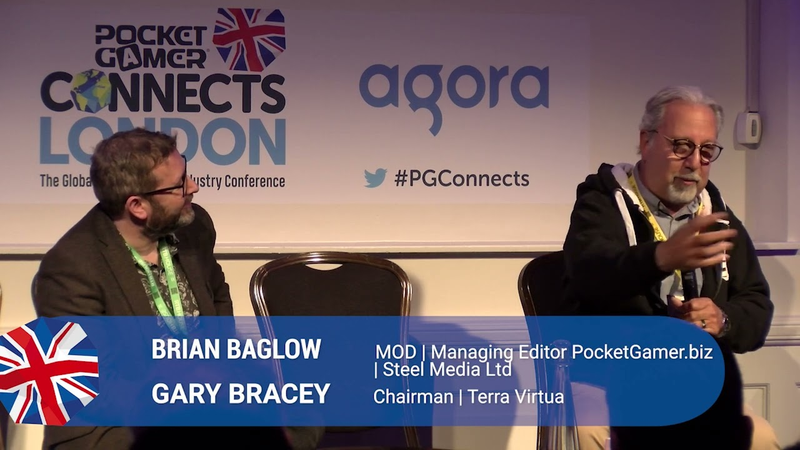
[Music] [Music] kick us off um actually um i was boring people uh this morning with the fact that i first learned about blockchain gaming four years ago minus a month probably in this room uh and we have a few people this afternoon who who were there who were actually on stage and and one of them is coming up now gary bracey come on gary so gary and my colleague brian are going to have a far side chat so gary um has all the stories about games he's been around a long time um but uh those four years ago you i remember you sort of talking rather nervously about sort of entering the blockchain and and i guess in the far side chat we'll go into your progression since then with the terra virtual which has been uh pretty successful in launching nfc so we're
going to have a bit metaverse i think brian you're going to going to get something metavest blockchain the whole future in 20 minutes good well i'll leave it to you gentlemen thank you very much [Applause] good afternoon folks thank you very much for joining us we know that there are many other things you could be doing not only in the event but central london so we appreciate you being here and but you made the wise choice because this is going to be authoritative argumentative and definitive um and we are going to cover the entire future of the game center but first of all gary would you introduce yourself to our lovely lovely audience and tell them who you are why you're here today sure thanks brian my name is gary bracey i'm currently chairman of the company and co-founder of terra virtua we started is that on yeah we started about um well almost five years ago with the concept of bringing the metaverse to the mainstream and now everyone's talking about the metaverse and people think
we're just jumping on the bandwagon but we've been we've been involved in building out this for quite some years i remember um john mentioned one of the early talks uh where i came along i was asked to join a panel about blockchain and i was i was there with some quite authoritative figures who had been in cryptocurrency for quite some time knew everything and then i remember it was either john or whoever was moderating turned to me and said can you define blockchain in one sentence or one paragraph and i just lost it i looked blankly i think i'd still struggle to do it um but at the time i was still learning so it was a horrible experience thanks john appreciate that um so yeah we've been uh my background is video games i've been in video games since the early 80s with a company called ocean software and been through all the transition of all the different hardware platforms from obviously home computers the spectrum the commodore 64
through to the 8-bit nintendo the console revolution the first playstations mobile games game boy right up to the present and uh latterly i was more directly involved in developing some mobile games as well for uh guju entertainment um i met up with my co-founder joad ashraf almost five years ago in a car park in stains to discuss vr publishing but we started brainstorming and we'd seen these things called nfts and we were quite interested in blockchain and icos and we just started brainstorming and thinking there's something here that's perhaps worth investigating and we went forward and created terra virtua and we've spent the past four years building a platform building a marketplace with the express intention of bringing in the mainstream because as we all know there's a lot of disinformation out there at the moment about nfts generally about block blockchain generally and
certainly about the metaverse so um it's quite nice now that everything's catching up and uh hopefully we're in the right place at the right time fantastic a marvelous summer like summerly summary um i shouldn't have had that second tackle at lunchtime um so what we're here to do today is talk about the future of the metaverse and nfts and blockchain so we're going to take it as red that it's coming that it's happening um but i guess i just want to touch on on the controversy for a moment because i like gary i've been doing this for a long time not quite as long i joined the studio dma design and dundee back in sort of the mid 90s um but the one constant throughout the whole of the games industry has been change you know it's everything is constantly being pushed forward by new technologies new platforms devices but also routes to market business models and i think it's fair to say the games industry has not necessarily been the most
welcoming and first to embrace these new technologies so do you think the the sort of the backlash against the nft blockchain and lesser to listen to me the metaverse is just business as usual yeah i i think there's a sort of cynicism and tempered with a degree of arrogance i think with with the games industry we went through a situation probably five years ago um when we were just getting into this and everyone was talking about vr and vr was going to be the next big thing and everyone was going to have vr headsets and vr will be adopted by everybody and we bought into that a little bit because we started developing our platform our nft platform uh in vr um vr was released but if it didn't it didn't achieve the heady heights that everyone was hoping for and when i say everyone i mean our industry and there is that arrogance that we we sort of we determine what will be the next greatest thing
and it doesn't necessarily happen because what will drive that adoption is compelling content we've got to get the user on board and the best example i can give of the other way around is fortnite and um i mean obviously i've been in the business for a long time i know a lot of people and i was having a good chat with the guys at epic and fortnite was originally designed as a sort of an experiment that just they were messing around and wanted to make this game they had this idea they did not conceive in any way that it will be the cultural phenomenon that it became um and i think those real big successes and you could argue that fortnite was actually a metaverse in a way um but those successes are driven by the users coming forth wordles are great another great more recent example perfect example yeah um and and and i think you can't contrive that the guy who came up with the wordle never for a moment considered that
that's what would happen um sms was another thing it was done as an experiment and um but people graduated to it people embraced it um and i think going back to that arrogance thing and we had a little chat about this brian and i a while ago um the games industry believes and i'm as guilty as anyone else that we can compel these trends and they're very very difficult to control all we have to do or what we have to do absolutely is create the right content and listen to people and figure out what they want and they don't want complexity they want simplicity and that's why you know all of these uh super casual hyper casual games are doing so well at the moment um and so metaverse will come absolutely i have no doubt about it when is the big question you know is it going to be in six months
probably not there are certainly a lot of technical issues that have to be addressed before then but also it's all going to we all know i'm not telling you something you don't know but it all has to be driven by the content and what you guys are doing is going to determine whether adoption will be fast will be slow we're playing our part we're trying to create compelling content we're creating what we believe is innovative what we believe is pioneering i'm saying we as terra virtua and hopefully we'll get something right but there are no guarantees there's no formula and going back the best analogy i can give is going back to the very very very early days of video games when they were made of wood um you we didn't really have a grasp of what people wanted to play you know every new game was just an experiment because there was no precedent that there wasn't this collection of games that we could look
upon say okay people love racing games people love shoot em ups people love puzzle get whatever it was we were just making up what we could what we like to play and hopefully that would resonate with the with the the mass market sometimes you get it right sometimes you don't we're in that situation now and i think the i'm sorry i'm getting a bit preachy but the the biggest mistake testify the biggest mistake we can make and and i think i've got a good analogy here as well is to just improve on what's been done before and the best example i can give you is mobile phone games and when the touchscreen phone came out that was massively embraced by the games community and the first games that were developed and released were variations of games that already existed on pc or console or whatever and if you remember they replicated a joystick on screen so to control the game or the character you moved the on-screen
joystick it didn't it didn't take off let's be honest it sucked it was yeah obviously i was going to say something worse than that um and it was only when the likes of angry birds and candy crush came out with a swipe and the touch and everything else that mobile games just rocketed they found their niche and that was because they used the technology that was available to them and i think the mistake that can be made with the metaverse potentially is just adapting what already exists and planting it into this whole new digital canvas or landscape um i'm thinking that's good enough and people people like playing that sort of game so they'll play in the metaverse no we've got to look at this whole new canvas as a whole new thing and we have to be pioneering and innovative and and that's that's why we're all in this business surely because the creative possibilities are amazing and we literally do have a blank canvas and it's all it's all again there's no precedent
you're making it up as you go along and no one can say you're wrong because time will tell whether you are or not um great opportunity i'm going to interrupt you because i feel like i'm just not doing my job properly if i don't um i want to pick up on one of the things you mentioned earlier um and you mentioned vr and the fact that vr was kind of hyped as everybody's going to have a headset it's going to be in every house it's going to be the next way that we interact with things and it very clearly wasn't vr is not a mass market product it is a very niche product for certain use cases and so i want to ask your feelings about nfts and blockchain in the same kind of context is it something that is going to be in every game or is it something that's going to only going to exist where there is a need for it it's got to be yeah it's a perfect question it's got to be born out of necessity once you start shoehorning any sort of mechanic because it feels right rather than it being more organic and natural then i
don't think that's the way to go it's got to be natural so the nft element has got to fit i mean all you know people are talking about play to her and people are talking about nfts all in in games um and there's absolutely a place for all of these but is it a mix of those does it mean that games that don't have either of those elements or others shouldn't exist in the metaverse no but don't shoehorn something in because it's cool to have or because it's the latest craze it's what will drive your revenues obviously is adoption and adoption will be organic people have got to embrace what you're creating and don't try and compromise the beauty of what you're creating by trying to include something that you feel should be included or you or some of the higher-ups or management beliefs should be included because it's the latest craze um you've got to do the right thing i'm i'm just conscious of time and
i'm going to keep thinking no no no this is great um i am feeling like i have nothing better go um so but to pick up on that again one of your foreign points was was the games industry can be somewhat insular um and so as terra virtua are how are you seeing the the demand coming in from other areas of the creative industries are they looking at this are they looking at games to pioneer and outside you know dodgy chimp nfts are we starting to see a a growing recognition of their value across the rest of our creative world i think so i mean there was an anecdote about um a company a games company made an announcement recently recently that they were going into nft games and there was a huge backlash from the development community and that's born mostly i think out of disinformation you know we're killing the planet the energy the energy issue and everything else but of course most decent nfts now use layer
2 solutions which are more sustainable a hell of a lot more sustainable and don't have that energy impact that ethereum does and there is this information that needs to hit an education and we've got to go through this education process um so don't talk about nfts that people have a perception mostly negative about nfts and i'm not just talking about developers now talk about the outside public you know if i want to buy an nft it's going to cost me tens of thousands of dollars that's because all the publicity has been related to top shots and people's 69 million dollar and painting those do exist obviously but the mass market may want to pay 5 ten fifteen dollars twenty dollars and still get a good experience and that's how we start but it's gotta start with education and everything i keep going on about it but it all needs to be incorporated in an organic way we recently partnered with a company called
nitro league and they're doing a race game with these super stylized vehicles really really nice and they're using our marketplace to sell them before the game is released and we're building utility it's not just a pretty model you're you're going to be able to use these and and develop them and use them in a game and and hopefully build the value by enhancing your experience points etc etc and that's the organic nature of the metaverse and then maybe you'll have a driver and the actual race driver and he does really well wins a few games the experience points increase and then you can use that same character in another game and build on those experience points and that's where the metaverse really really comes into its own in a games context and i think this is this is the important thing is that we're talking about enabling technologies in a lot of cases you know so nfts and blockchain um are they going to become
kind of part of the plumbing in the same way that payment providers have and you know network uh cloud gaming has so it's going to be on a level below uh you know the the technology part of the engines it will be a plug in an sdk apk whatever it happens to be um but do we really know where tomorrow studios and the developers are going to be able to sort of take this forward in new ways are we seeing any kind of really innovative things where you go oh my god that's amazing and it couldn't happen any other way apart from on the blockchain that's exactly what's needed and i'm sure someone out there is doing that hopefully someone in here um but it hasn't come yet and and you know we're talking to a number of of companies particularly games companies um and there's so much potential but i think before we get to that stage there's a lot more experimentation and we've got to figure out what works so it's very difficult to predict i'd love to be able to say yeah this is going to happen and that's going to happen but
you just don't know because it's got to be looked at in its own way in in its own context you can't say well it's going to develop the same way as console games or mobile games or free-to-play or whatever it is this is something new and we don't know how it's going to evolve and so that leads very neatly it's almost like we had this rehearsed and it's my next question which is so is is this something that can be bolted on when when we're talking about nfts we're talking about kind of pate and platon is this something that can be added into a game or do you have to kind of design from the outset with this in mind yeah i i think personally and you know i'm not a definitive uh view on this but but personally i think it's it's much like free-to-play games i remember when free to play started becoming really popular everyone was trying to reverse engineer the mechanic and saying oh we were going to sell this game for five quid now we're going to give it away and we're going to put ads in and we're going to make it free to play but it's a very very different philosophy in
designing the game and the mechanics of how you entice people to keep playing etc etc and i think the same is true here to reverse engineer anything is going to compromise some elements somehow so i don't really think maybe there may be the exception there always is but by and large i think it will be a mistake to try from the outset to reverse engineer what you've already got that's a very very good point and as you say we've already seen a bit of a bit of an issue um about some companies that have announced that they're putting nfts into existing franchises um but kind of flipping on its head and looking at this from a player perspective you know we're at a point in time now where the next billion players who come online start playing games they're not coming to console they're coming to mobile you know and it's the hyper casual it's the small it's the grazing content for the the people who would never pick up a console or buy an xbox so is there a place for
them in kind of the blockchain future and if we're talking about a world in which the next billion gamers are on mobile you know potentially you know cheap android handsets are they going to be able to access the metaverse or is this still going to be quite an exclusive you know club it's going to be very democratic um we are currently developing a device agnostic high fidelity immersive environment based on you know unreal quality graphics 3d graphics which will be accessible on any device because it's going to be streamed i mean you know particularly with the advent of 5g and that becoming a lot more ubiquitous um people will have access to that level of technology so uh and with regard to the the issue about hyper casual they will probably lead the charge and and much like the candy crushers and the angry birds i always use those as the examples um sort of fed the
casual era of mobile gaming and then we got a little bit more core gaming games became more popular i think that's the way we start so personally and again it's only an opinion but personally i think we get the mainstream we grab the mainstream by employing casual mechanics in those games and they can be simple mechanics racing mechanics or puzzle mechanics or whatever it is and that way you can then entice them to start a bit like the game boy the game boy was launched on tetris i mean you can't get a simpler game than tetris and then look where it ended up um phenomenon that's how you get people in make it simple um don't overthink it and then just build on that now you see that that's i think perfect advice keep it simple stupid just should be you know mandatory for every game student coming through a games course wherever they are in the world today we're very near a lot of time i have one last question for you and it's it's a real doozy you're going to love this one
so is it who's going to lead the charge is it going to be one of the existing games companies is it going to be one of the tech companies the existing tech giants or do you think we're facing a fast-moving agile disruptor who we don't know yet who's currently soaking up vc money like a sponge yeah um i don't think it's down to money i really really don't um i think it's down to creativity to innovation and to technical expertise and combine all those together and someone's going to come up with the proverbial killer app it is the killer app that's needed where that will come from i would love it to come from the games industry but i i i think it should be or it more likely will be a collaboration because everyone's learning and there needs to be more communication between maybe the games industry and blockchain companies and crypto companies and nft companies and and by putting their heads together which is what we're trying to
do but other companies are as well and collectively we can come up with something that really really breaks new ground and that's what you're talking about breaking new ground i'm bringing something new to the market to the leisure entertainment market as an immersive space rather than just a retread or a slight improvement of what's gone before as i say i keep talking about this blank canvas the metaverse is a blank canvas and it's up to you guys to come up with something that people will want to try maybe a game may not may just be some other interactive element perfect and what i know to leave it on we are out of time ladies and gentlemen so please put your hands together for mr gary bracey [Music]
[Music] you
Summary
The metaverse, NFTs, and blockchain represent a significant, albeit early-stage, frontier for the entertainment and gaming industries. The primary thesis is that while these technologies offer a vast, blank canvas for innovation, their successful adoption depends on creating compelling, user-centric content rather than forcing complex mechanics into existing frameworks. The industry must move beyond the current cycle of skepticism and disinformation by focusing on organic integration and accessibility, ensuring that these tools serve as foundational "plumbing" for new experiences rather than mere gimmicks.
Key findings emphasize that the games industry often suffers from a degree of arrogance, attempting to dictate trends rather than responding to user behavior. Historical precedents, such as the transition from console-style controls to touch-based mechanics in mobile gaming, demonstrate that true innovation requires designing for the specific strengths of a new medium. Currently, the sector is in an experimental phase where developers must avoid the mistake of simply replicating legacy experiences. Furthermore, the narrative surrounding NFTs is hindered by a focus on high-cost collectibles; the path to mass adoption lies in lower-cost, high-utility assets that provide genuine value within immersive environments.
The scope of this discussion encompasses the global gaming industry, drawing on decades of experience ranging from early 8-bit computing to modern mobile and VR platforms. The analysis suggests that the next wave of growth will likely be driven by casual, accessible mechanics that appeal to a broader demographic, potentially facilitated by cloud-based streaming and 5G technology. Ultimately, the emergence of a "killer app" in the metaverse will likely result from collaborative efforts between traditional gaming studios and blockchain-focused entities, rather than being the sole domain of established tech giants or isolated startups.