1 free read left. Create a free account for unlimited reading + AI research.
Create free account
What we Have Learnt from 100 Million Hypercasual Downloads
Key insights
7 takeaways- 01Retention benchmarks for arcade-style titles show a significant gap, with top-tier games achieving 15% day-seven retention compared to just 8% for average titles.
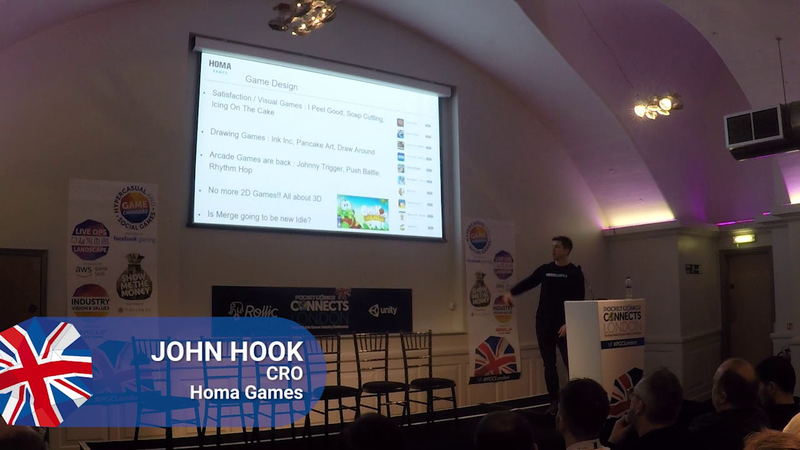
- 02Market viability for 2D development is declining, making 3D development the recommended standard for new projects.
- 03Older mechanics, such as merge games, are experiencing a resurgence as they are being reimagined to align with modern mobile player preferences.
- 04Publishers are utilizing impression-level data to implement personalized bidding and ad strategies, allowing for the segmentation of players based on their preference for in-app purchases versus ad-supported experiences.
- 05Successful developer-publisher relationships are evolving into venture capital-style partnerships characterized by transparent data access and human-led feedback loops rather than restrictive, exclusive contracts.
- 06To reduce cost-per-install (CPI), developers must prioritize platform-specific creative assets, particularly those optimized for TikTok.
- 07The hypercasual market is shifting toward hybrid-casual and idle models to improve lifetime value (LTV) and session duration, moving away from the traditional focus on raw download volume.
Ask AI about this video
Transcript
[Music] right I'm John obviously I'm not French but I'm a games is based in Paris here is the team we have 30 people in Paris two years ago today there was three of us I've seen Olivier in here somewhere the co-founder so bug him afterwards and it's just an incredible journey three people two years ago we spent a lot of time studying the market or the conversation I just start to be like right what is the next wave of hyper casual super casual hybrid casual hyper casual plus whatever you want to label it gonna look like and we made some bets a couple years ago fast forward to now have a team of 30 people we have 13 open rolls we've got some very exciting news
coming out the next couple of months that's really going to fuel our growth and we've had for me we've had some numbers in the last session but for me what I would call our first like big hit ie a game with over 50 million downloads so here's a couple of our games from the early years and really what we were trying to do should play or not there we go so this is this is tiny cars and really what we're doing earlier what we're just trying to learn right we're lurch want to learn about the monetization stack we're trying to learn from a you a perspective all the cultural differences and I guess the key thing we learned here is you'll talk to some publishers and it's like that if you haven't got 47% day one protection we're too important to be able to talk to you what we learned was with tiny cars is well hang on a minute we saw this game and actually I had a CPI of below 20 cents but it had they won retention of 40% and we thought okay well there's there's something really interesting here if the CPI is that low so we kind of challenged ourselves even
back then in terms of just rejecting it because it hadn't had 40% day one and we worked really closely with the developer board a couple of sprints and did a few things so we added in more levels like 6070 levels we started adding in rewarded video that made sense and what I mean by made sense is within this mechanic it gave you the option to upgrade your car now we did a few other things but very quickly that 40% went to 50% day three went to 26% and this game hit number three overall on iOS us so one of the things we learned early on it is right let's not behave like perhaps other publishers and just say right this is our minimum day one because we're here to actually help build a much bigger market than hyper casual is right now and if we just simply say unless you've got this day one we're not going to talk to you a lot of the people this audience won't be friends with us right so here's a lot most recent hits tella color have you played that one and sky roller hopefully
you've heard of that one that's been our biggest hit to date so over in December it was in the top 10 most downloaded games overall the second biggest hyper casual game in December with 19 million downloads and pancake art and I'm going to talk through a little bit of this when I go into about the trends that we're seeing we also as sky roller there's pancake art we also started creating idle games now we didn't do that just because we had nothing better to do we were really interested to really get the best way to do this is to learn the same as developers you build stuff you learn so we moved into Idol because you really want to understand what hang on a minute what is it about Idol games that's driving such higher I ap because we did see this da Yu issue in hyper casual and sorry da Yu as in specific hai da use but low monetization so we wanted to try and crack idle so first one came in I the world which was one of Olivier's brain cells which did really well are the most recent one that's out is ivory landmark tycoon so either landmark is
already about 4 million Idol world is eight million-plus installs to give you an idea of size but it's really important right we're a publisher we're just one piece of our success to date there's two other important pieces so all of our tech partners that we use you know buy iron source out live in Tianjin mo pub snap but also our developers right this is this is a partnership this is not about OMA games great this is about how great our partnership works together so where we go next well sadly my presentation had to change because there's going to be some things that I wanted to talk to you about but we're under embargo about so where we go next wall we definitely want to build on our success sky roller we're not done in terms of installs we're pushing heavily into Asia so sky rollers currently currently number seven in China within sport and I'm going to talk a little bit about the way we structure our business so this is one of the over squads so if any of you work with this you will probably have
your own squad or might recognize these people and we're ready for the next chapter but what I want to talk to you about is well really what are we learned what mistakes they make and what trends do we see so obviously the first one yeah not that interesting you might have seen it already this morning but it's really the trend underneath this so what we're seeing is a higher volume of hyper casual games quarter-on-quarter so that's really interesting but there's something really interesting going on beneath that that if you just read that you'll be like right I'm going to start a hyper casual studio tomorrow I'm going to get really really rich but there are some positive so as we can see this is from the awesome team and sorry Ivan if you're in here I've stolen some of your slides this is basically when you look at like the da Yu of hyper casual versus other genre specifically idle we're seeing a huge spike in da use and they continue to go up but you know here's the problem so when we look at retention
so Diu is really interesting but when we look at retention we do have a slight problem here so when we look at arcade gaming the the top-performing arcane guides find themselves refer kind of day 1 we're looking at about 42 percent versus casual 40 percent but when we look at day 7 if you've got a top top game you're looking at about 15 15% if you've got an average game you're eight percent so if I'm a developer or publisher I'd be looking at that block right I've got you know da Yu is great but I have a big LTV problem how much money is my game actually making so this is a really important point to understand is you know we stand here and you hear a lot of PR about downloads but what would you rather have would you have would you like a nice picture in your bathroom that says I've got 50 million downloads or would you like a check for five million dollars so what's more important to you as a business as a developer is it that plaque in your toilet where when you friends come around a lot oh well you made a game or is it the five million in the bank where you can grow your team
and do nice things so this is why we went into Idol because what you can see for the top games you've literally got double the average session time versus hyper casual so in theory you have got double the opportunity to monetize your audience on a most simplistic level so that is actually why we started building Idol games because we wanted to dig into this in a bit more detail now in terms of where this is all going I think for me again you can put different labels on it but what we're seeing is this whole concepts are hyper casual now maturing and going different ways so if we look at ultra casual for me so if I take pancake art which is one of our games it's all about a visually pleasing game it's reaching aimed even a more non gamer audience and hyper casual and yes you sacrifice a little bit in terms of game art but you are able to target even more users and the CPI should be
significantly lower however the trade-off is is LTV now when we look at hybrid casual and I'm sure you're very familiar with the example I have up there but this is really interesting because this is the kind of developers that we're really interested in meeting people that actually a very skilled at building RPG casual games that really understand IEP and I'm moving or looking at hyper casual and taking some elements of that and bringing out this new genre of game so the latest that's I had was about 38 million downloads and 50 million dollars at IEP of which likely 15 to 25 million dollars in ad revenue so for me that this this is where I think the if you want to make your bets in terms of LTV and really developing like the meta of a game and doing something really fresh and new that's very much where we're looking for me ultra casual is interesting but you know a lot of the
games that we're seeing I mean who would have thought that like a top game and fair play to that the team at Lyon like you know painting your nails would ever be like a game being the charts so hyper castle is challenging this concept of what a game even is forget the monetization thing the content in a game like painting your nails icing a cake making a pancake like I think as an industry we struggle with that as a concept that that is a game which is perhaps where a lot of the aggression comes from in terms of you know not liking hyper casual but for me drawing was kind of a trend last year we're seeing a lot of these kind of feel good so cutting games coming through at the moment in terms of our submissions are jumping on this trend but what I'm really interested in is a couple of things one I had a conversation this morning and if you're still making 2d games and wondering why you're not hearing back from publishers that's because you need to make 3d games don't 2d games are not working anymore and the
guys at Zeptolab I don't know if anyone's downloaded it I spent some time playing it because there's a awesome studio who when I asked him what the big trend is for 2020 he said merge is going to be the new Idol hey buddy it wasn't him sorry and I think that's really interesting actually because then now think when you got hyper casual you've got super casual we've got hybrid casual we've got Idol and potential we've now got this reimagine submerge coming back round and so we're jumping around a bit we've kind of also seen this with Arcade it's like always at Arcade are coming back so if you stand back and get a bit unemotional about it and just look at it all we're always seeing is just like a recycling of game genres that basically people have forgotten about and now we're exposing a global audience to Arcade and they're like hey this is cool so all of a sudden arcade games hit the charts the developer games that we get center or arcade base and I think you're going to start seeing the same with merge why because idle as a category has got insanely popular because of the kind of
LTV that cover attention play there but you've also seen increased competitions like there's so many amazing idle games in the charts now so those developers those publishers are going to need to look for the next big thing just like we are in hyper casual so for me that's where merger is going to come in your way of monetization what what can I share with you okay so again everyone's got their sort of target CPI well you know some things when I was chatting to are you a team I just don't want to misquote him but compared to a few years ago where three of us we actually have a very large you a team so when I was chapter gonzalo basically what he was saying is in terms of two or three countries a really good place to start testing on Android like huge huge numbers at scale really low CPI so if you want to start seeing some numbers on your game there's no reason why you should just be starting testing on us iOS I know a lot of the big publishers say that it needs to be you need to have a few hundred users on
there but you can certainly look there as well as Facebook Snap is a really interesting platform for for testing again a huge audience and sometimes the way we look at that is like don't get me wrong we love Facebook but it's nice to actually look at a second data source to back up what you're seeing on Facebook they've got some great features around automatic CPI's for us we've invested really heavily and we were the first publisher globally with mo pub to introduce impression level data live so the simplistic level what this means and this is the thing that gets missed the whole time in hope hyper cacher or is we don't treat hyper casual as this massive cohort right all of our games and part of the design and the whole ad experience is specific to you so therefore for that to be a reality we need and have built the technology to enable to from a you a perspective set a unique bid price and value for individual a or network a versus network B but also our level down we know what
we want to bid with in network a on publisher one on two for the first individual verses on network be on publisher one and two there so then from a monetization perspective there's no point giving those two people the same experience because one of them actually we as we can see is leaning towards IEP so we're going to see more i AP based games in their game experience versus perhaps the first player is one of these ultra casual players that has got no concept what IEP is to actually we're going to see more of banners and interstitials that are a more easier way into them to add based games so behind the scenes within hyper casual there is so much tech and science and data going into what we're doing behind the scenes to drive success it's not just simply about having low CPI great retention this whole unique gameplay experience is really important new monetization providers it's always testing and that's a great thing about hyper casual we have lots of games we can test lots of different things in our games so whether it's snap audience
Network tick-tock tribe or just conscious of time so my main point here is two things one this doesn't just happen there is a lot of art and science going behind what we're doing in terms of when we release games trying to time the release of games because ultimately we are at times competing with ourselves right if you've got a huge game in the charts that's cannibalizing another hyper casual inventory you need to think really carefully about your your timing or when you see a game starting to lapse in terms of LTV that's when it's a good time to start pushing a different game but you can only do that if you have technology copycats I'll skip over this one but it's this kind of like black box in hyper casual I'm waiting for the drama to come out on Netflix about it but again no issue with copying game mechanics right that's the way hyper casual works it's about volume right build a prototype test it if you can't change you with a couple of weeks can it move on to the next one but you know there is this kind of big battle emerging between people literally copying games which you
know again you can split the fence but for us it's all about iterating on game mechanics versus copying games publisher tools and contracts this is really moving on now so it's great to hear publishers pushing back so my favorite quote I had last week where as a publisher saying a developer Segler do you want me exclusively by me alright and I completely agree with in this whole concept of exclusivity it's your business it's your team you have salaries to pay so you need a contract that is on a level playing field if the publisher wants something you should get something back right so it's great to start seeing contracts that almost look a bit like a VC investment in your business you want access to tools okay I if someone's testing your game and it didn't work why didn't it work you have the right to get feedback because it's your business you've spent a lot of time on there so work with work with publishers that have got tools and also human beings like slacks great but human beings are better than slack right actual feedback on your game I'm gonna
have to be really quick on creatives but once the game is live creative creative creative test everything right the game changed the game but like Bill craters we've got Melissa X Ubisoft she has worked incredible wonders so changing your creative and this specific example it decreased the CPI versus example one by almost a dollar sky roller before/after keep testing everything within the game see if you can make it better increase conversions it's going to get really quick build for each network this is like oh that's gone back it's not working but this is for tic toc we've built we build specific ad formats for tic toc they're really cheesy really cringey but this example delivered a 4x in terms of conversions and drive the CPI down so you don't just build creative anymore for stick up on app live in facebook built specifically for the platform top trends all about live video where it was anyway this is going to change but it was all about putting a live video in your in your in your ads like try and get someone's attention to your game right before it was just a
hand play a hyper casual game now it's this fusion of live video with what your game is all about cultural moments obvious one this is from split balls like look about what creatively you can do around big life moments Valentine's Day coming up again hyper casual not gamers mass-market how can you dial into what they care about we're hiring we've got 13 open rolls I want to hire lots of people so if you want to work one of the fastest growing companies in hyper casual come see me afterwards and sorry for rushing thank you very much I so appreciate the rushy it's interesting I was with man who for who does right for Deconstructor affirm and he actually his conclusions were remarkably similar to yours you be surprised possibly surprised he was he was more focused on the hybrid casual but it was interesting now there are a lot of similarities so maybe it's not dead maybe it actually is evolving they say I'm gonna give you just one quick question if anyone wants to grab that
question here's your chance anyone knowledge John I've watched every single video on YouTube that you have and the thing you're the guy to talk to and uncover the elephant in the room when we're talking about hyper casual I love deep constructive fun but I think you're one of the most defending hyper casual guy in the industry because you speak true then you go uncover things that the way they are and work in hyper casual I have one suggestion a lot of people don't know what d-1 retention d-7 retention and why you picking 30 40 50 percent people just don't understand it right I spent last year figuring out why 40 percent why 50 percent so it's better for you to explain to developers because there's a lot of talented developers out there we just don't know the stuff but they're telling they do really good games and I think you're the closest want to bring the kind of experience what it is like to work with the
publisher because you tell it upfront not hiding you know behind contracts and things like that well yeah in terms of some of the smaller sessions we're gonna start doing this year in specific cities invite people to to really go like a level down because in these rooms you never know the audience but I really appreciate your feedback and let's have a quick chat and all no no thanks very much cool thank you [Applause] [Music]
Summary
The hypercasual gaming sector is currently undergoing a significant evolution, transitioning from simple, high-volume mechanics toward more complex, hybrid models that prioritize long-term value over raw download counts. While the industry has historically focused on achieving high day-one retention and massive install numbers, the current market reality necessitates a shift toward sustainable monetization and deeper player engagement. Developers are increasingly moving away from purely hypercasual titles toward idle and hybrid-casual games, which offer longer session times and superior lifetime value (LTV) compared to traditional arcade-style offerings.
Key findings indicate that while hypercasual games continue to see high daily active user (DAU) counts, they often struggle with retention beyond the first day. Top-tier arcade titles typically achieve 15% day-seven retention, whereas average titles fall to 8%. To combat this, successful publishers are leveraging advanced technology to implement impression-level data, allowing for unique bidding strategies and personalized ad experiences tailored to individual player behavior. This data-driven approach enables publishers to distinguish between players who engage with in-app purchases and those who prefer ad-supported gameplay, optimizing revenue accordingly.
Strategic success in the current climate relies on a combination of rapid prototyping, rigorous creative testing, and platform-specific marketing. Developers are advised to prioritize 3D development over 2D, as the latter has seen a decline in market viability. Furthermore, creative assets must be tailored to specific platforms, such as TikTok, to drive down cost-per-install (CPI). The industry is also seeing a cyclical return of older genres, such as merge mechanics, which are being reimagined to fit modern mobile preferences. Ultimately, the most successful partnerships between developers and publishers are those that function like venture capital relationships, characterized by transparency, shared access to analytical tools, and direct, human-led feedback loops rather than restrictive, exclusive contracts.
















Comments