1 free read left. Create a free account for unlimited reading + AI research.
Create free accountReport ETC Press
1 free read left. Create a free account for unlimited reading + AI research.
Create free accountReportETC Press
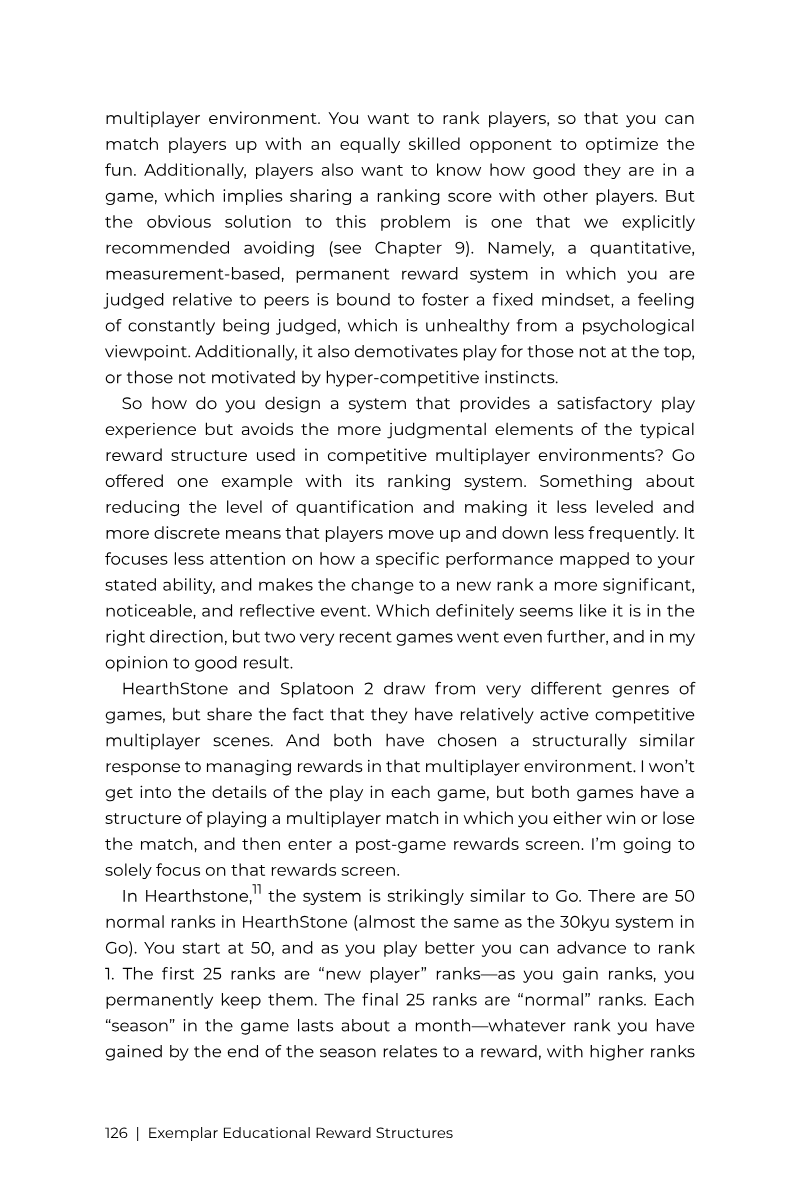
The video game industry is currently undergoing a necessary evolution, moving away from the outdated marketing construct of the white male gamer toward a more inclusive reality that reflects its actual, diverse player base. While the industry has historically relied on heteronormative power fantasies and the objectification of female characters to cater to a narrow demographic, this paradigm is increasingly challenged by independent projects, academic critique, and evolving design practices. The central thesis posits that fostering diversity is not an attack on gaming culture but a vital expansion of the medium’s creative and commercial potential.
Analysis of character representation reveals that mere presence is insufficient; meaningful inclusion requires that characters possess independent agency, authentic dialogue, and significant narrative impact. Case studies such as the 2013 Tomb Raider reboot and Final Fantasy X-2 demonstrate how shifting from voyeuristic or hyper-sexualized tropes to nuanced, collaborative, and identity-focused mechanics can foster deeper emotional investment. Furthermore, the Pokémon franchise illustrates how inclusive design—such as flexible character customization and restrictive communication systems—can mitigate harassment and support diverse play styles without alienating core audiences.
Beyond character design, the industry is increasingly utilizing participatory models to ensure cultural authenticity. The development of Never Alone, which integrated indigenous Iñupiat folklore through direct community collaboration, serves as a benchmark for moving beyond superficial representation. Similarly, historical analysis of titles like Legendary Axe II highlights that even early gaming history contained subversive narratives that challenged dominant power structures. By embracing these diverse perspectives, queer readings, and collaborative design processes, the industry can move past systemic biases, ultimately positioning games as a powerful medium for empathy, social relevance, and authentic human expression.
Each row is a game or company this document names, each column a document, oldest first. A mark means that document names it. Select a row to see those documents.
ETC Press · 2022
National Taipei University of Technology · 2021
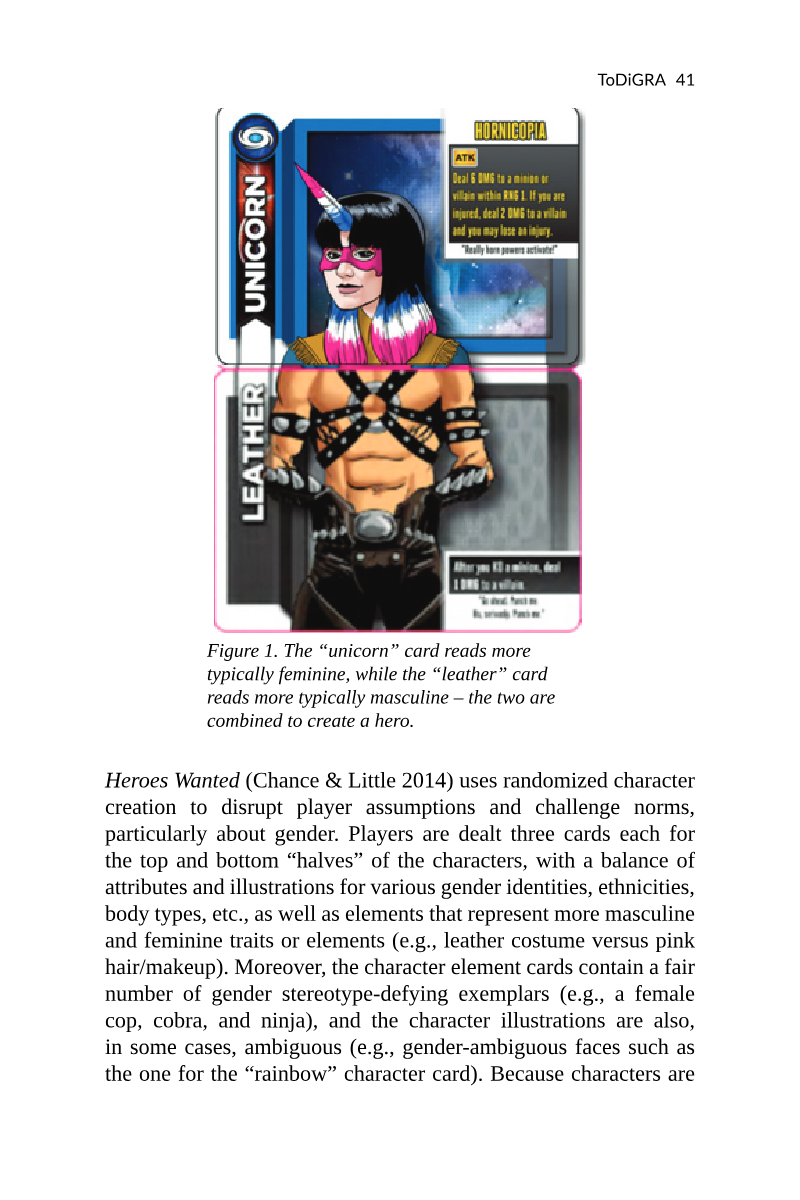
Digital Games Research Association · 2018



International Journal of Role-Playing · 2026



DiGRA · 2026



DiGRA · 2026



DiGRA · 2026



DiGRA · 2026



DiGRA · 2026
DiGRA · 2026



game · 2026

University of York · 2025



DiGRA · 2025