1 free read left. Create a free account for unlimited reading + AI research.
Create free accountReport DiGRA
1 free read left. Create a free account for unlimited reading + AI research.
Create free accountReportDiGRA
Around 33 medium and small companies generated roughly 13 million dollars in revenue in 2016. The national economy has historically depended on copper exports.
This paper examines whether Chile's emerging video games sector risks reproducing older patterns of economic dependency, framing the question through dependency theory, cognitive capitalism, and the Global Production Networks literature. It focuses on two forms of technological and intellectual dependency: reliance on development tools such as SDKs and engines controlled largely by publishers and console manufacturers in the Global North, and unequal patterns of intellectual property (IP) rights and value capture between northern and southern firms. The study situates Chile's video games industry, which comprises around 33 medium and small companies with roughly 13 million dollars in revenue in 2016, within the broader context of a national economy historically dependent on copper exports.
The empirical basis consists of semi-structured interviews with game developers and CEOs conducted between November 2017 and March 2018 in Santiago and Viña del Mar. Using a combination of snowball and purposeful sampling, the researcher interviewed 23 studios and three governmental agencies involved in promoting creative industries. The findings on tools are mixed: some developers view free engines such as Unity and Unreal as a democratizing force that reduces dependency, while more experienced studios argue these tools reproduce corporate hierarchies, particularly through console certification requirements that impose strict technical and stylistic standards.
On intellectual property, the study finds that Chilean developers generally regard IP legal processes as costly and unnecessary, and that the most commercially successful studios are often those that transferred or licensed their IP to publishers, frequently in exchange for financial stability. The conclusion is that while dependence on tools reflects the broader structure of the global games market rather than a strict limit on creativity, the transfer of immaterial capital from the periphery to the center constitutes a genuine form of dependency. The paper argues that this asymmetry poses a significant obstacle for Chilean developers seeking to diversify exports and reach global audiences.
Each row is a game or company this document names, each column a document, oldest first. A mark means that document names it. Select a row to see those documents.

DiGRA · 2026

DiGRA · 2026



DiGRA · 2026



DiGRA · 2026



DiGRA · 2026



DiGRA · 2026



DiGRA · 2026



DiGRA · 2026

DiGRA · 2026



DiGRA · 2026



DiGRA · 2026

DiGRA · 2026
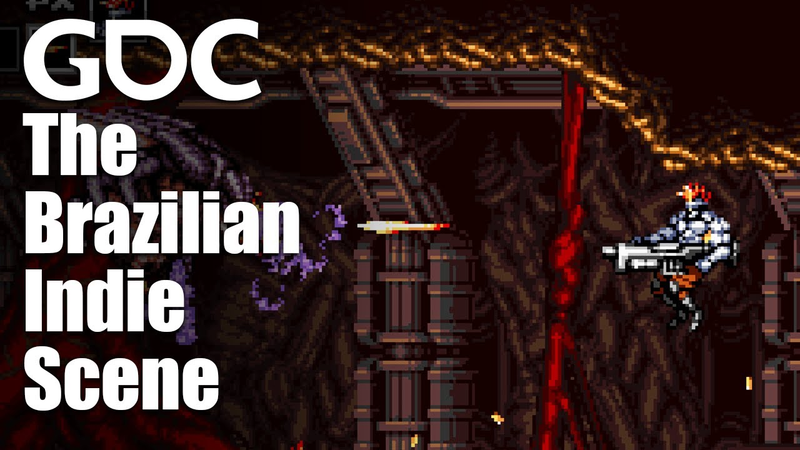
Game Developers Conference · 2024