Key insights
6 slides
Key number
Profitability now aligns acquisition costs with retention and lifetime value.
Low cost-per-install metrics are increasingly viewed as vanity indicators. Teams must measure long-term retention and lifetime value instead.
vanity indicators
Low cost-per-install metrics are viewed as vanity indicators
Channel reality
AppLovin is the primary user acquisition channel in 2025.
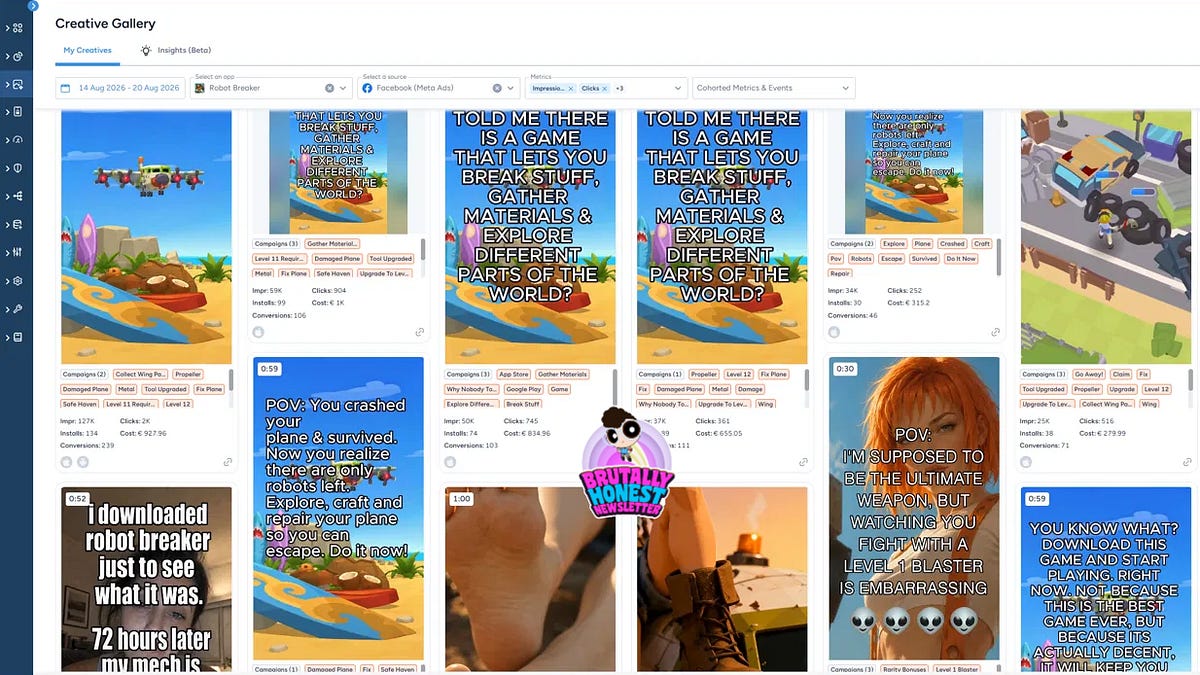
Its efficacy remains tethered to high in-app purchase volume. It requires a high-velocity supply of creative assets to fuel its optimization algorithms.
primary
AppLovin is the primary user acquisition channel
Multi-channel need
Developers must maintain a multi-channel presence across Facebook and TikTok.
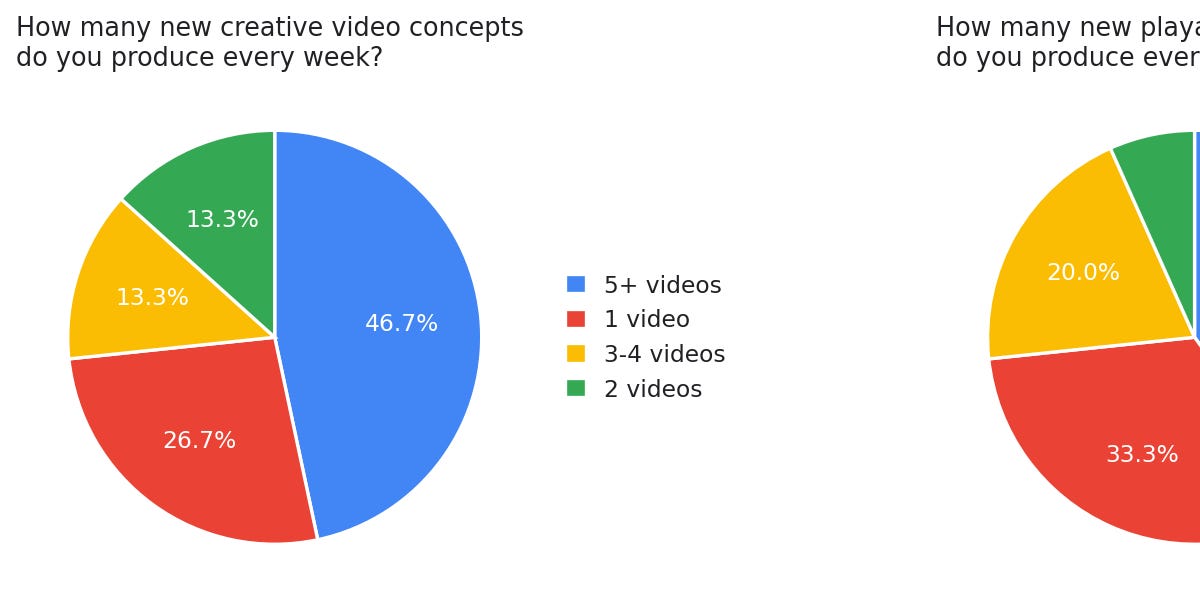
This mitigates platform-specific volatility in the post-IDFA environment. Teams must prioritize a cadence of two to three creative refreshes per week.
Role change
The senior user acquisition manager is now a hybrid strategist.
This role utilizes AI-driven tools to manage production bottlenecks. Teams focus on storytelling, motion design, and optimized onboarding funnels.
Growth dependency
Sustainable growth depends on optimizing onboarding funnels and integrating creative with game design.
Creative production must integrate directly with game design and analytics.
Industry appetite
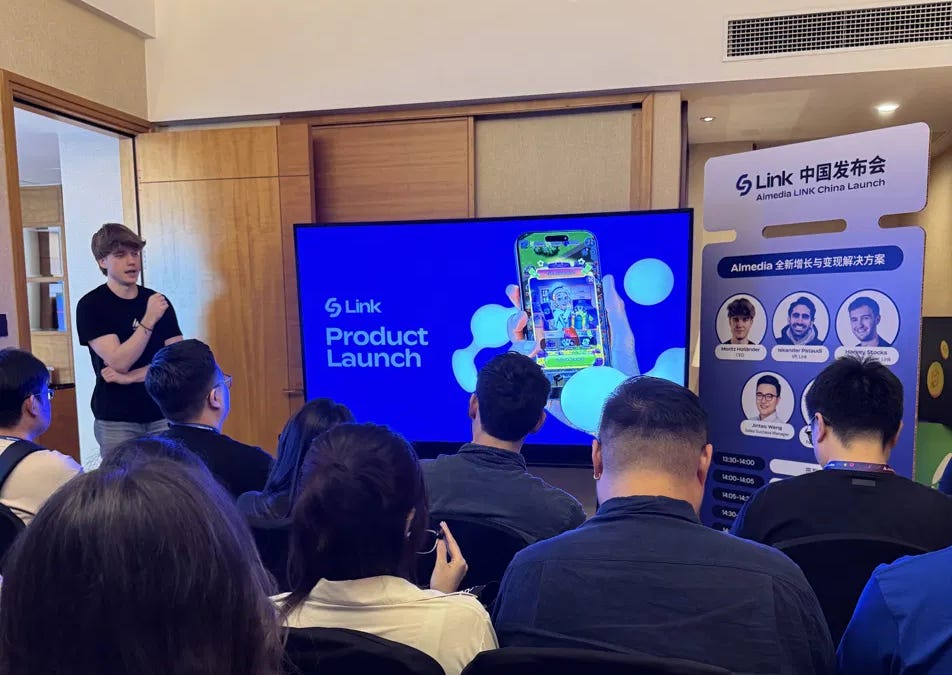
Specialized knowledge-sharing platforms are expanding rapidly.
Authentic, no-fluff content strategies have become essential resources. These platforms foster highly engaged communities through bold, transparent analysis.
Platform growth. The industry's appetite for this strategic evolution is reflected in the rapid expansion of specialized knowledge-sharing platforms.
1 / 6
Ask AI about this report

















Comments