
This analysis provides insights into mobile game user acquisition (UA) and creative strategy, focusing on current trends in the post-IDFA landscape as of September 2026. The primary objective is to offer actionable advice for UA managers and developers regarding ad billing models, creative testing, and emerging platform features.
A key finding centers on the dual-billing strategy for AppLovin, where advertisers are increasingly utilizing both CPM and CPI models. Data indicates that 44% of games now employ CPM billing, representing a 5.7x year-over-year increase. Advertisers who integrate CPM alongside existing CPI campaigns see a median total spend increase of 22%, demonstrating that CPM acts as an additive scale dial rather than a cannibalizing force. The analysis suggests that 63% to 79% of spend in these dual-billing setups targets the same creative assets, allowing campaigns to compete effectively across different inventory pools.
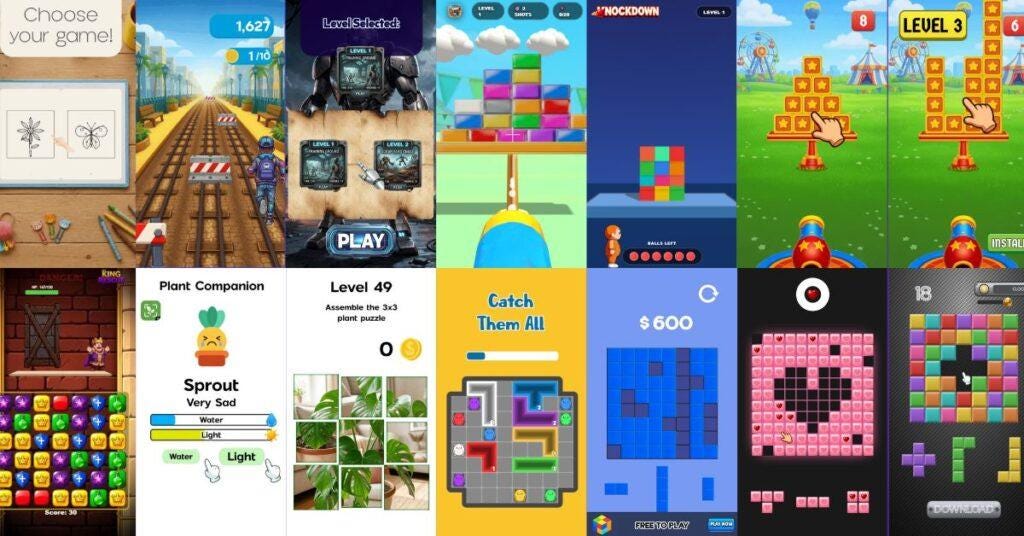
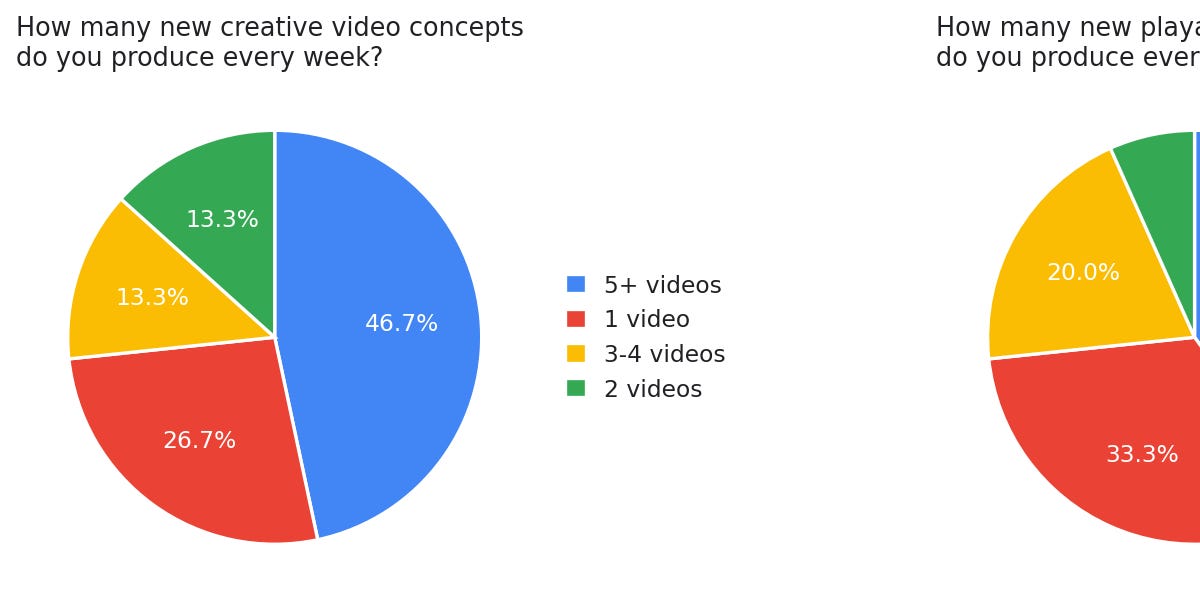
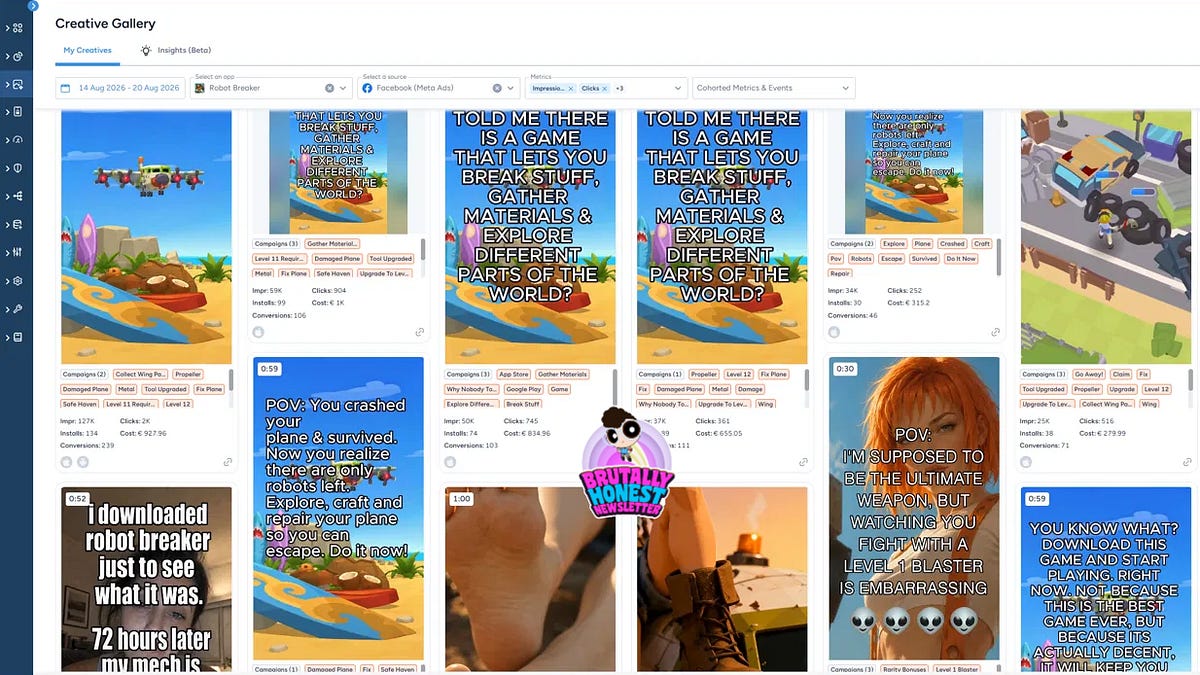
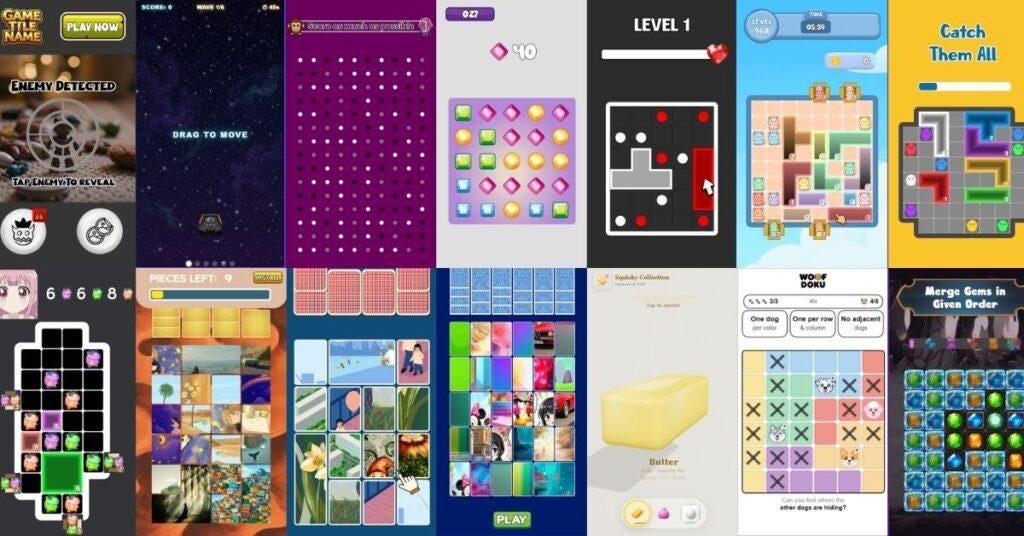
The scope of the analysis covers the global mobile gaming market, with specific observations on Meta’s ad inventory. Notably, interactive playable ads have been identified in the Reels placement, a significant shift from the previous video-only format. Advertisers are encouraged to prepare vertical MRAID builds to capitalize on this potentially cost-effective, high-growth inventory. Additionally, the analysis highlights the role of AI in creative production, noting that simple, high-volume creative testing—such as the "cat-themed" idle RPG trend—remains highly effective for driving acquisition.
Methodologically, the insights are derived from industry observations, performance data from specific game titles, and professional experience in managing UA campaigns. The findings emphasize that while AI and automated bidding tools are essential for modern growth, success remains contingent on rigorous testing and the strategic layering of different billing models to maximize return on ad spend.
Brutally Honest · 2026
Brutally Honest · 2026

Brutally Honest · 2026
Brutally Honest · 2026
Brutally Honest · 2026

Brutally Honest · 2026
Brutally Honest · 2026

Brutally Honest · 2026

Brutally Honest · 2026
Brutally Honest · 2026
Brutally Honest · 2026

Brutally Honest · 2026

Kochava · 2025

SocialPeta · 2024

SocialPeta · 2023

SocialPeta · 2023
Tenjin · 2023
AdQuantum · 2022
Tenjin · 2022

SocialPeta · 2021
Competition · 2026
Almedia · 2026
Gamesight · 2026

InvestGame · 2026